STARLINK-31868 (59783)

COSPAR: 2024-093B | Alt Name: Starlink 31868

Image
STARLINK-31868 Satellite Image
Additional Sources
Launch Details

Launch Date

May 18, 2024

Launch Pad

LC40

Launch Vehicle

Falcon 9

Orbital Elements

NORAD ID

59783

International Designator

2024-093B

Epoch

Mon, 20 Jul 2026 05:46:05 GMT

Apogee

Calculating...

Perigee

Calculating...

Inclination

43.00°

Right Ascension

177.10°

Eccentricity

Calculating...

Argument of Perigee

275.15°

Period

94.27 min

Mean Motion

15.28 rev/day

Latitude

Calculating...

Longitude

Calculating...

Altitude

Calculating...

Velocity

Calculating...

Polar Plot
3D Visualization
Basic Satellite Info

Name

STARLINK-31868

Alternative Name

Starlink 31868

Type

Payload

Status

Operational

Owner

SPXS

Country

United States

Constellation

N/A

Related Satellites

Major Events

N/A

Latest TLEs
1 59783U 24093B   26201.24034495 -.00000111  00000+0  54791-5 0  9996
2 59783  43.0012 177.0973 0000660 275.1483  84.9293 15.27573704123002

Source: Celestrak

Summary
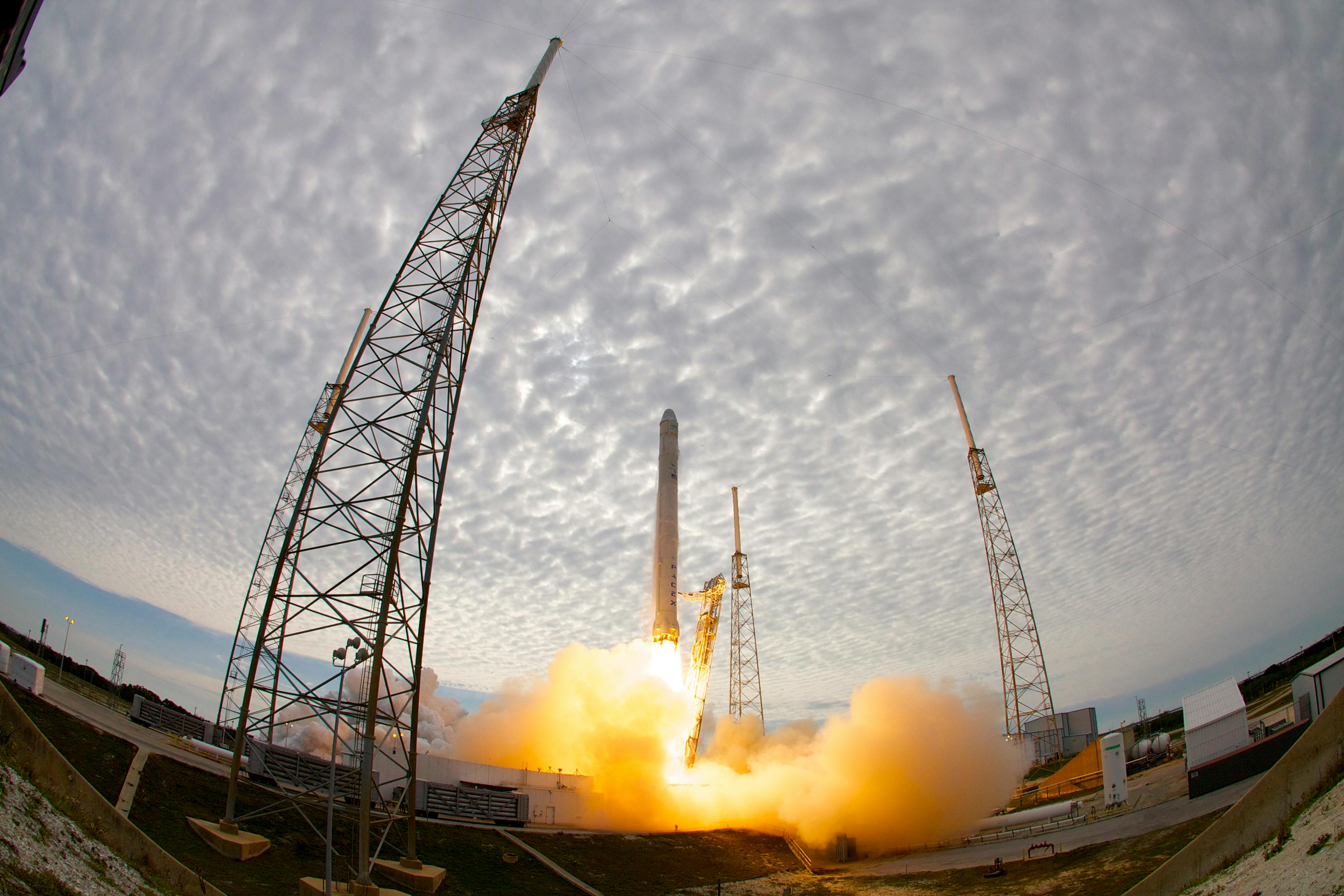
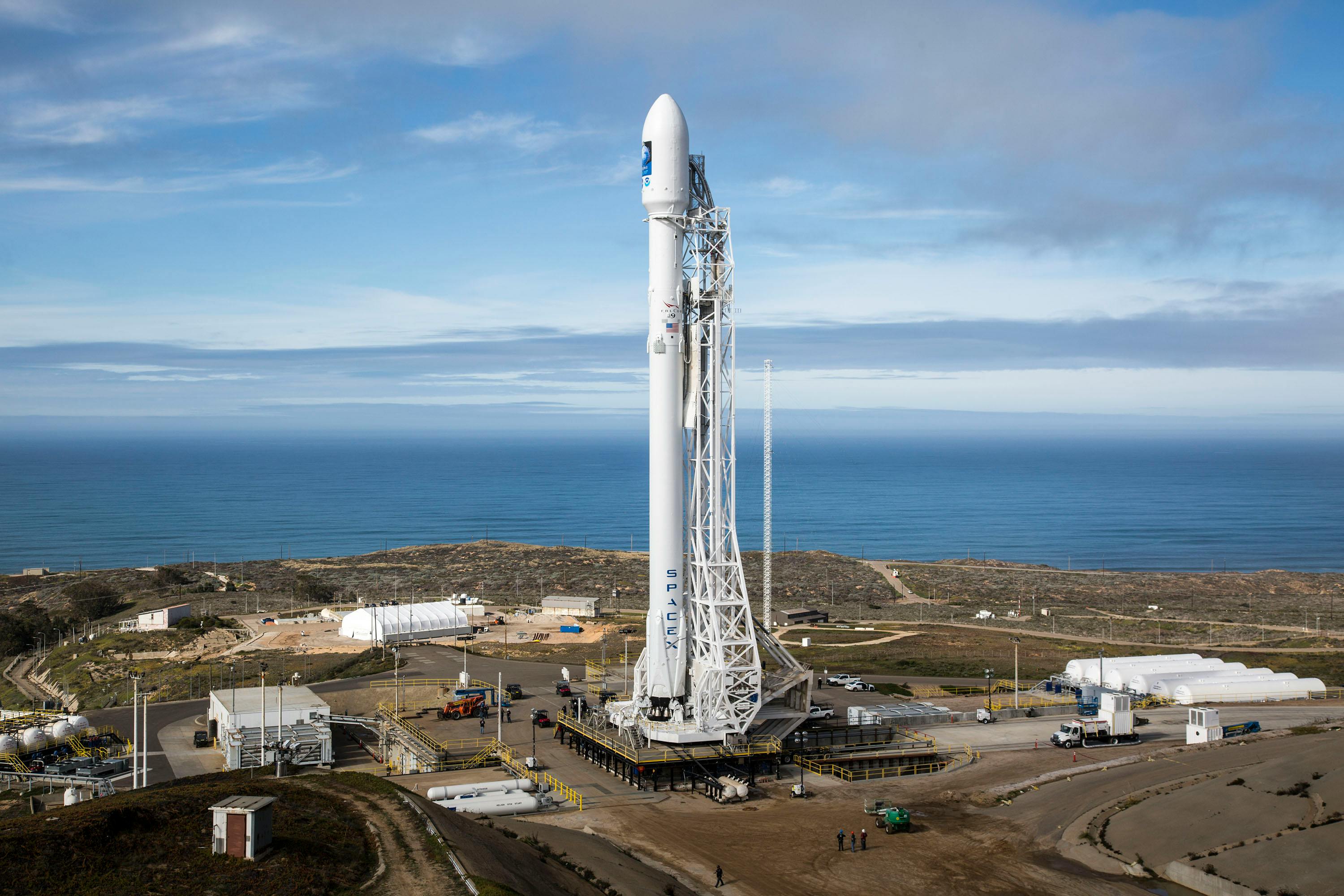
The Starlink V2M satellite, designated STARLINK-31868 or Starlink 31868, was launched on May 18, 2024, from Cape Canaveral Space Force Station Launch Complex 40 using a Falcon 9 launch vehicle. It has dimensions of 0.3 meters in length and 4.1 meters in diameter with a span of 29 meters. The satellite has a dry mass of 700 kg and was manufactured by SpaceX (SPXS). Equipped with Ku/Ka/E-band payload, an optical inter-satellite link, Argon ion thrusters for propulsion, solar arrays, and batteries for power, it is part of the Starlink Group 6-59-02 constellation. Its primary mission is communication purposes.

Starlink is a satellite constellation developed by SpaceX with the aim of providing global broadband internet coverage. Thousands of small satellites are deployed in low Earth orbit (LEO), enabling high-speed internet access even in remote areas. However, the rapid increase in satellites raises concerns about space debris and the potential for collisions, which can lead to further debris creation and endanger other spacecraft. Additionally, the sheer number of Starlink satellites can affect astronomical observations by increasing light pollution. Proper deorbiting plans and international coordination are essential to mitigate these challenges and ensure long-term sustainability in space.
Physical Characteristics

Length

0.3

Diameter

4.1

Span

29

Dry Mass

700

Launch Mass

730

Shape

Box + pan

Radar Cross Section

Unknown

Visual Magnitude

Unknown

Color

Unknown

Material Composition

Unknown

Technical Details

Payload

Starlink Group 6-59-02

Purpose

Communication

Mission

Communication

Manufacturer

SPXS

Life Expectancy

Unknown

Bus

Starlink V2M

Configuration

Starlink v2 Mini

Motor

Argon ion thrusters

Equipment

Ku/Ka/E-band payload, optical inter-satellite link

Power System

Solar arrays, batteries

ADCS

Unknown

Transmitter Frequency

Unknown

Map
This tool will help you track the satellite's position and predict its upcoming passes over your location. Simply input the coordinates or click the geolocation button to get started.
Next Pass
Azimuth Elevation Time (Local)
Start Azimuth
Max Elevation
Stop Azimuth
Time Until
Pass Duration

Satellite Articles

View All Posts »

Learn more about satellites and other related topics.

GAO Warns Space Force Satellite Costs Rising, Workforce Cuts Add Risk | KeepTrack Space Brief

GAO Warns Space Force Satellite Costs Rising, Workforce Cuts Add Risk | KeepTrack Space Brief

GAO flags growing cost problems across Space Force satellite portfolio with workforce reductions compounding risks to missile-warning constellations like NGG and SWAT.

The Day That Changed Spaceflight Forever

The Day That Changed Spaceflight Forever

Thirty-nine years ago, the loss of Space Shuttle Challenger and its seven crew members forever transformed our approach to spaceflight safety and risk management

Van Allen Probe A Reenters After 14 Years; NASA Designates Starliner Type A Mishap | KeepTrack Space Brief

Van Allen Probe A Reenters After 14 Years; NASA Designates Starliner Type A Mishap | KeepTrack Space Brief

NASA's 590 kg Van Allen Probe A reentered March 10 after 14 years studying Earth's radiation belts. Meanwhile, Boeing Starliner classified as Type A mishap after leaving astronauts stranded on ISS.

Artemis 2 Crew Reaches Moon, NASA Cuts Budget 25% | KeepTrack Space Brief

Artemis 2 Crew Reaches Moon, NASA Cuts Budget 25% | KeepTrack Space Brief

Artemis 2's four astronauts entered lunar sphere of influence April 6, first crewed arrival since Apollo 17. NASA simultaneously proposed 25% budget cut for FY2027.

Space Brief 4 Nov 2025

Space Brief 4 Nov 2025

Today's brief covers China's new GEO Yaogan satellite launch, India's record-mass commsat, military tech updates, autonomous systems for maritime security, and insights from satellite imagery of Hurricane Melissa's impact in Jamaica.

X Report 5 Sep 2025

X Report 5 Sep 2025

SpaceX celebrates significant milestones with its Starship preparations, approaches a landmark Falcon booster landing, and enhances the ISS orbit with Dragon technology.

Starlink Crosses 10,000 Active Satellites, X Report 18 Mar 2026

Starlink Crosses 10,000 Active Satellites, X Report 18 Mar 2026

Starlink satellite count 2026: SpaceX tops 10,000 active satellites, 10,037 working of 11,558 launched, under seven years after first launch.

X Report 8 Oct 2025

X Report 8 Oct 2025

SpaceX successfully launched 28 Starlink satellites aboard a Falcon 9 rocket, marking significant advancements in their deployment and operational capabilities.