


NASA Awards Private Mars Orbiter Contract for 2028 | KeepTrack X Report
A California firm wins NASA's Aeolus Mars orbiter contract, targeting 2028 launch for the first daily global Martian environment measurements.



Launch Date
May 18, 2024
Launch Site
Launch Pad
LC40
Launch Vehicle
NORAD ID
59782
International Designator
2024-093A
Epoch
Mon, 20 Jul 2026 05:44:15 GMT
Apogee
Calculating...
Perigee
Calculating...
Inclination
43.00°
Right Ascension
177.12°
Eccentricity
Calculating...
Argument of Perigee
277.78°
Period
94.27 min
Mean Motion
15.28 rev/day
Latitude
Calculating...
Longitude
Calculating...
Altitude
Calculating...
Velocity
Calculating...
Name
STARLINK-31363
Alternative Name
Starlink 31363
Type
Status
Owner
SPXS
Country
United States
Constellation
N/A
Related Satellites
Major Events
N/A
1 59782U 24093A 26201.23906808 .00000371 00000+0 23002-4 0 9997
2 59782 43.0010 177.1221 0000988 277.7758 82.2981 15.27574589123009
Source: Celestrak
Length
0.3
Diameter
4.1
Span
29
Dry Mass
700
Launch Mass
730
Shape
Box + pan
Radar Cross Section
Unknown
Visual Magnitude
Unknown
Color
Unknown
Material Composition
Unknown
Payload
Starlink Group 6-59-01
Purpose
Communication
Mission
Communication
Manufacturer
SPXS
Life Expectancy
Unknown
Bus
Starlink V2M
Configuration
Starlink v2 Mini
Motor
Argon ion thrusters
Equipment
Ku/Ka/E-band payload, optical inter-satellite link
Power System
Solar arrays, batteries
ADCS
Unknown
Transmitter Frequency
Unknown
Learn more about satellites and other related topics.
A California firm wins NASA's Aeolus Mars orbiter contract, targeting 2028 launch for the first daily global Martian environment measurements.
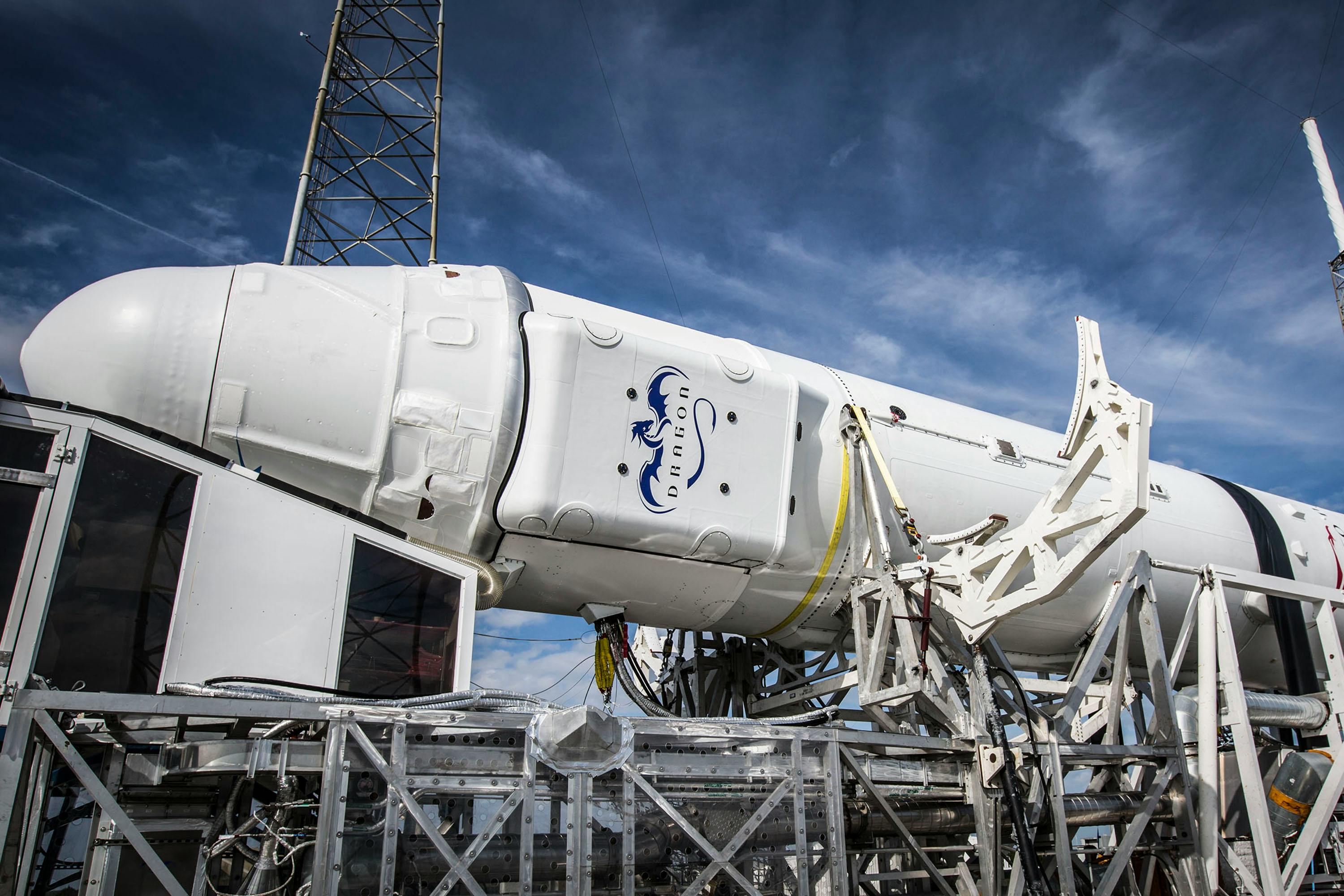
SpaceX continues to expand its reach with the successful launch of more Starlink satellites while exploring innovative military applications for satellite communications.

SpaceX reveals plans for Florida Starship launches, NASA teams up for dual missions, and FCC boosts satellite connectivity.
U.S. GSSAP satellites execute coordinated GEO maneuvers for continuous surveillance of Chinese Shijian-29 spacecraft. Handoff approach maintains coverage with zero gaps.
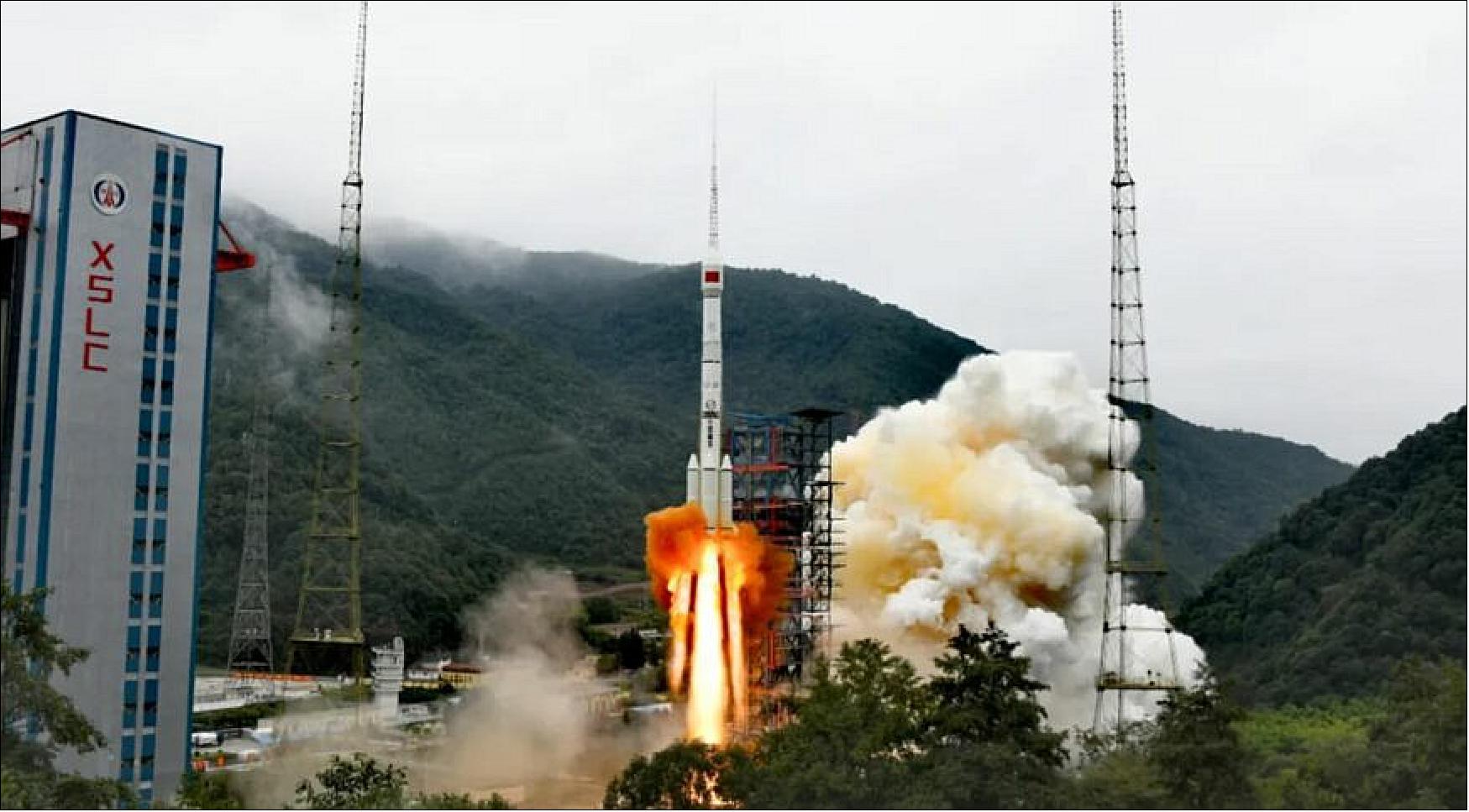
Explore the recent signing of the Artemis Accords by Chile, Boeing's strategic considerations, and captivating space missions including China's satellite endeavors and the James Webb Space Telescope's latest discovery.

Today's brief highlights a nuclear battery startup's funding boost, advisory board additions in the space sector, and key military updates impacting space operations.

SpaceX edges closer to increased Starship launch approvals, secures lunar rover delivery, eyes potential military collaboration, and continues rapid satellite deployment.
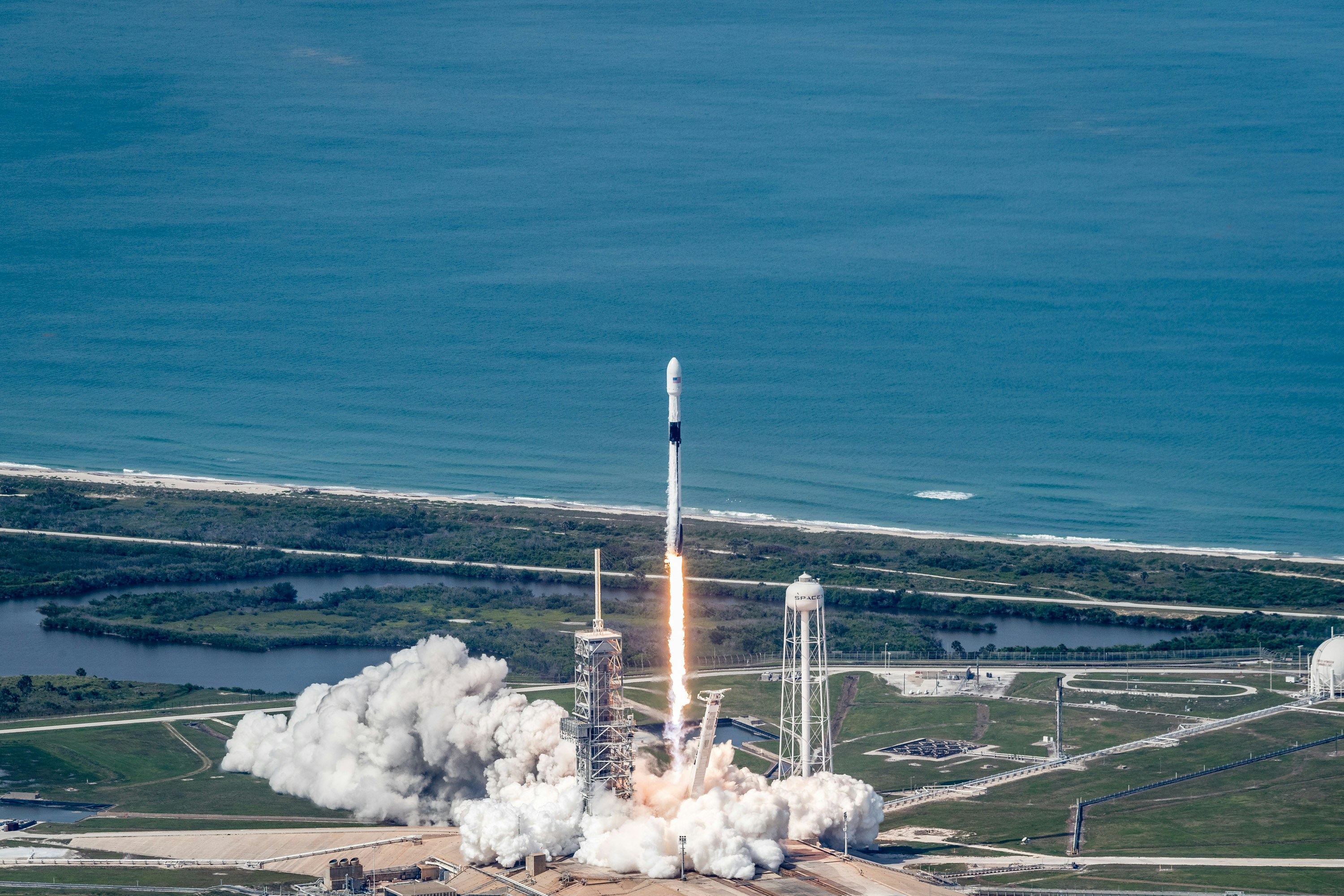
Today's key development highlights SpaceX's upcoming launch of 29 Starlink satellites from Cape Canaveral, marking the start of an active month for the satellite constellation.