



Space Brief 5 Dec 2025
Focusing on military satellite initiatives, defense strategies, and advancements in air and cyber capabilities


![STARLINK-11114 [DTC] Satellite Image](/images/sat/starlink.jpg)
NORAD ID
59757
International Designator
2024-091E
Epoch
Mon, 20 Jul 2026 04:43:01 GMT
Apogee
Calculating...
Perigee
Calculating...
Inclination
53.16°
Right Ascension
273.18°
Eccentricity
Calculating...
Argument of Perigee
90.82°
Period
91.74 min
Mean Motion
15.70 rev/day
Latitude
Calculating...
Longitude
Calculating...
Altitude
Calculating...
Velocity
Calculating...
Name
STARLINK-11114 [DTC]
Alternative Name
Starlink 11114
Type
Status
Owner
SPXS
Country
United States
Constellation
N/A
Related Satellites
Major Events
N/A
1 59757U 24091E 26201.19654912 .00000174 00000+0 62935-5 0 9998
2 59757 53.1590 273.1772 0000895 90.8230 269.2890 15.69711941126325
Source: Celestrak
Length
0.3
Diameter
4.1
Span
29
Dry Mass
700
Launch Mass
730
Shape
Box + pan
Radar Cross Section
Unknown
Visual Magnitude
Unknown
Color
Unknown
Material Composition
Unknown
Payload
Starlink Group 8-7-05
Purpose
Communication
Mission
Communication
Manufacturer
SPXS
Life Expectancy
Unknown
Bus
Starlink V2M
Configuration
Starlink v2 Mini
Motor
Argon ion thrusters
Equipment
D2C payload, optical inter-satellite link
Power System
Solar arrays, batteries
ADCS
Unknown
Transmitter Frequency
Unknown
Learn more about satellites and other related topics.
Focusing on military satellite initiatives, defense strategies, and advancements in air and cyber capabilities

SpaceX continues its historic launch cadence, includes Starlink expansion and business strategies in focus.
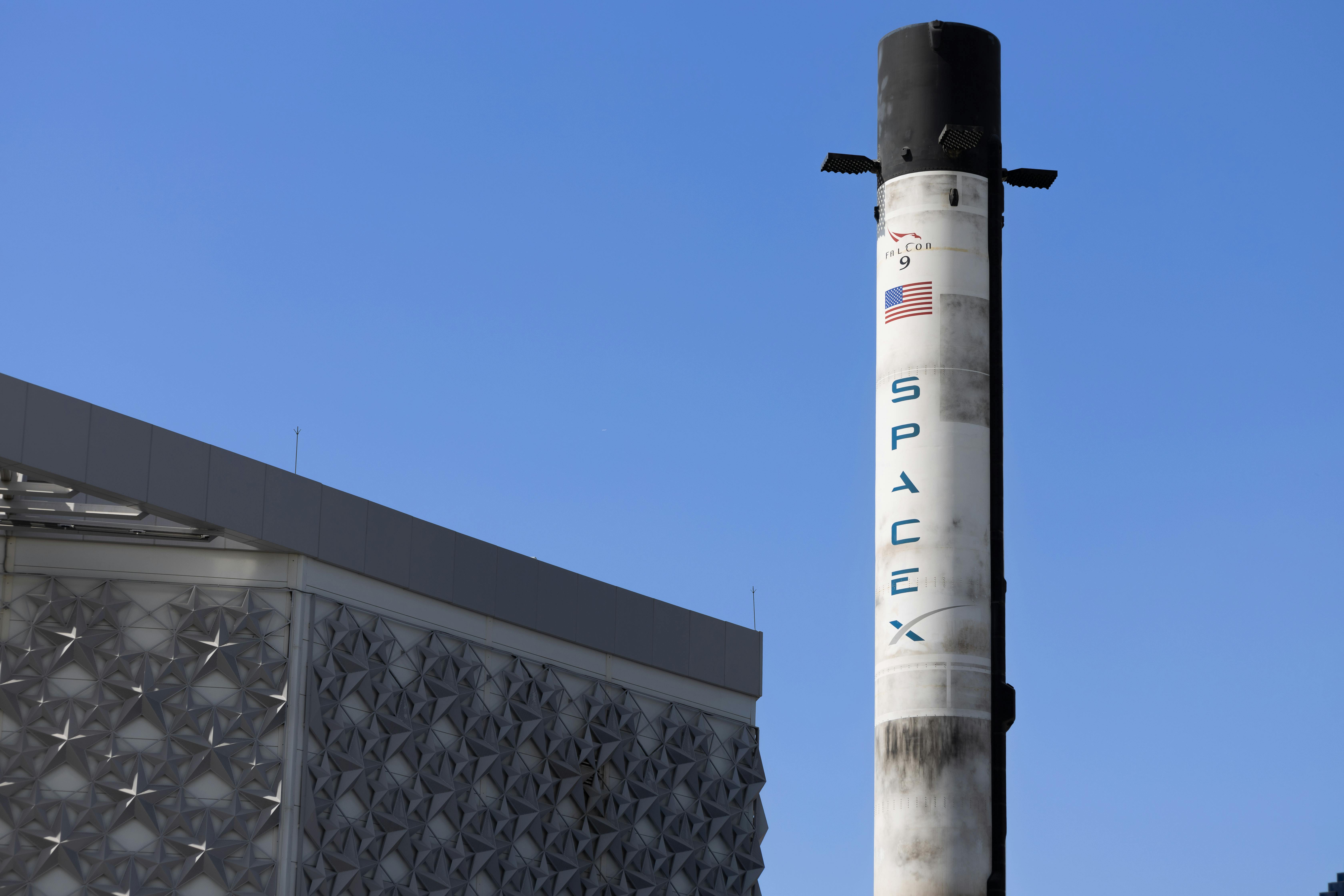
A California firm wins NASA's Aeolus Mars orbiter contract, targeting 2028 launch for the first daily global Martian environment measurements.
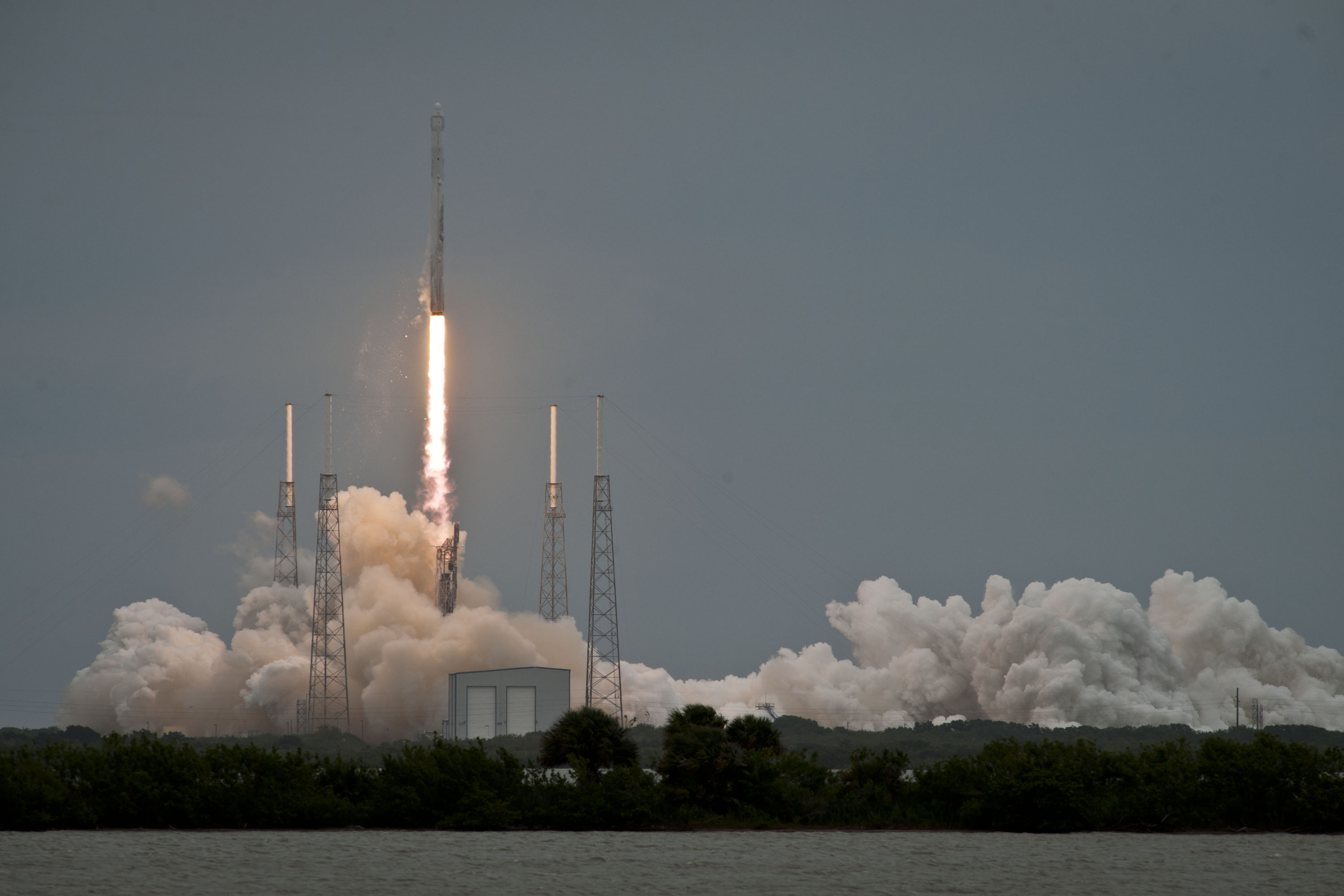
On April 18, 2014, a Falcon 9 first stage did something no orbital rocket had ever done before. It fired its engines on the way down, steered itself through the atmosphere using grid fins that did not yet exist, and touched the Atlantic Ocean softly enough to survive the impact. Nobody recovered it. The data was the whole point.

Landsat 7 launched on April 15, 1999, designed to last five years. It operated for twenty-five, survived a failure that destroyed a fifth of every image it took, and became part of the longest continuous record of Earth's surface ever assembled. Then they made the data free.

Today's space news highlights include U.S. military satellite deployments, innovative AI aboard the Chinese space station, and breakthroughs in interplanetary communications.
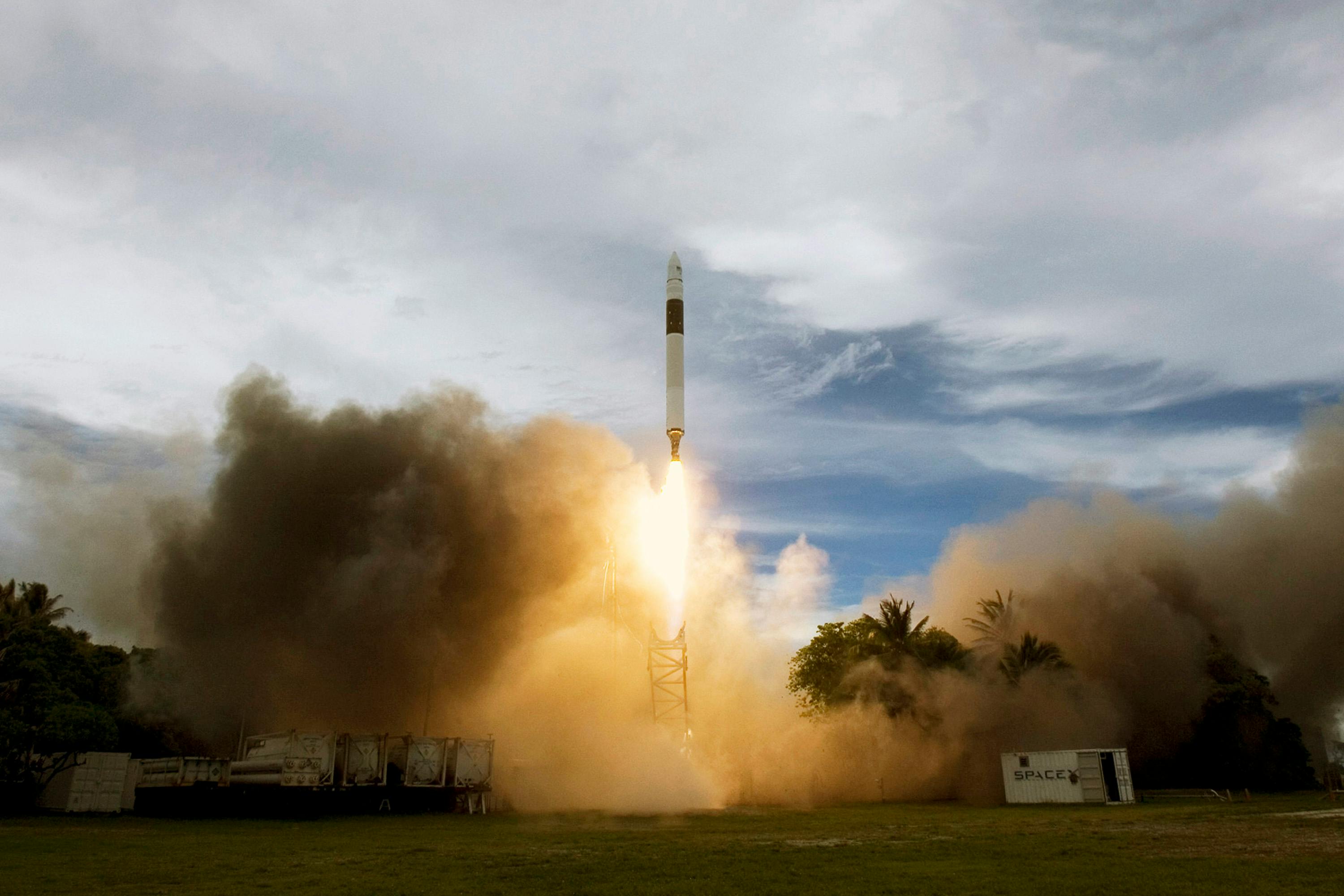
SpaceX number of launches in 2025: a record 165 orbital flights. Starlink added 4.6M customers across 35 new markets; new Vandenberg pad offered.

Today's updates cover Vantor's satellites overcoming tracking challenges, a startup's ambitious missile defense test, and more pivotal space events.