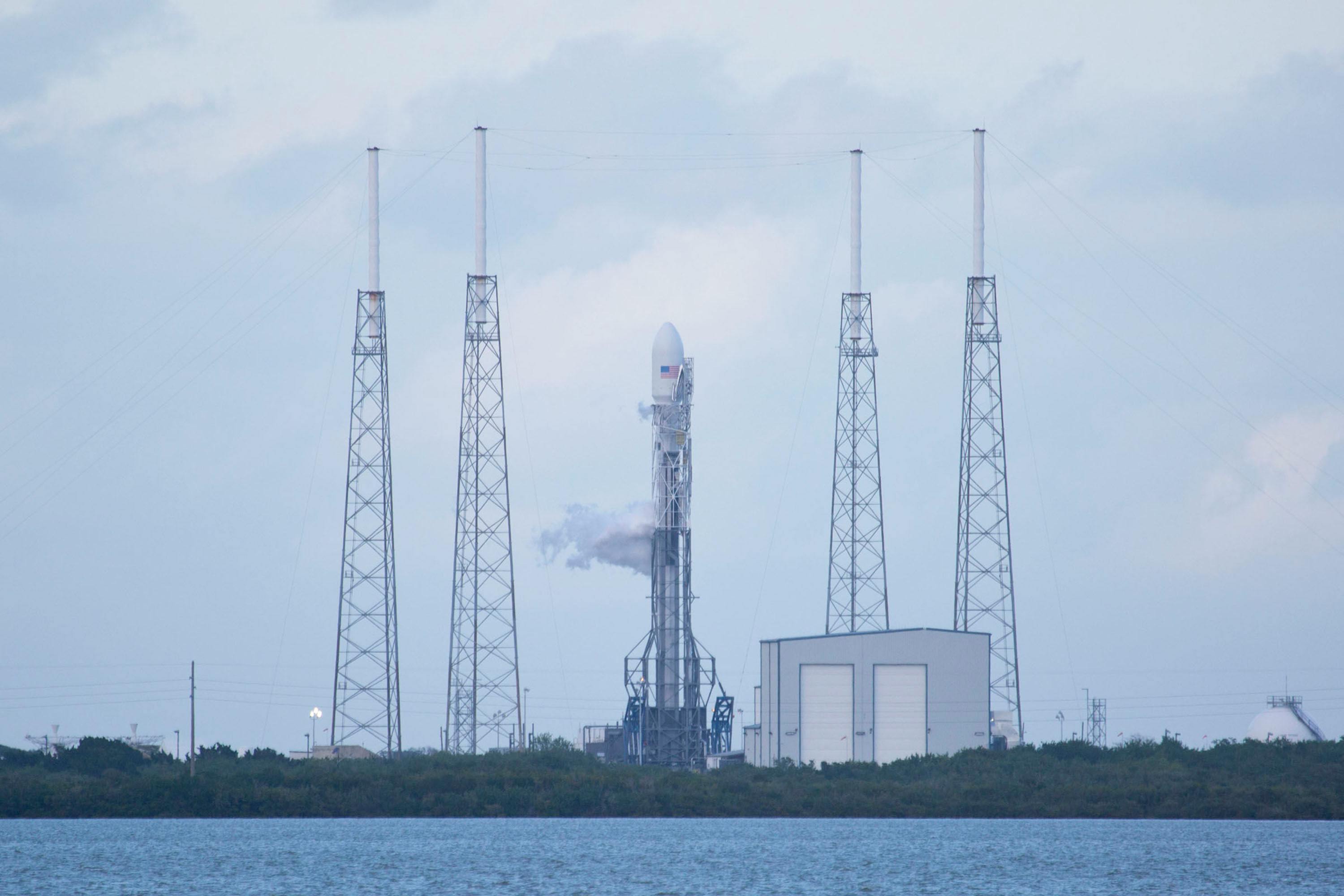
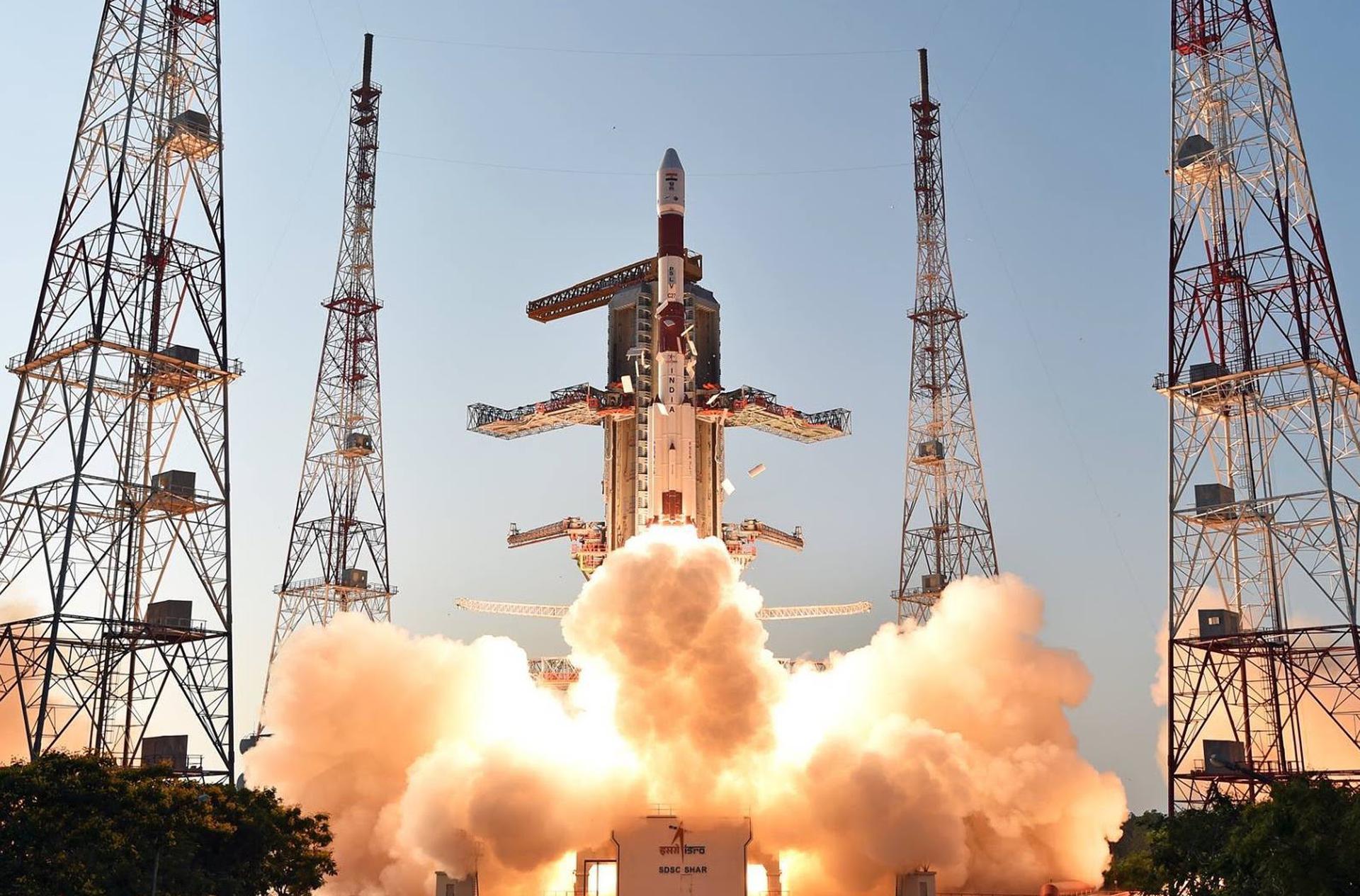
STARLINK-32092 (59700)

COSPAR: 2024-086U | Alt Name: Starlink 32092

Image
STARLINK-32092 Satellite Image
Additional Sources
Launch Details

Launch Date

May 8, 2024

Launch Pad

LC39A

Launch Vehicle

Falcon 9

Orbital Elements

NORAD ID

59700

International Designator

2024-086U

Epoch

Sun, 19 Jul 2026 14:12:07 GMT

Apogee

Calculating...

Perigee

Calculating...

Inclination

43.00°

Right Ascension

35.09°

Eccentricity

Calculating...

Argument of Perigee

269.78°

Period

94.27 min

Mean Motion

15.28 rev/day

Latitude

Calculating...

Longitude

Calculating...

Altitude

Calculating...

Velocity

Calculating...

Polar Plot
3D Visualization
Basic Satellite Info

Name

STARLINK-32092

Alternative Name

Starlink 32092

Type

Payload

Status

Operational

Owner

SPXS

Country

United States

Constellation

N/A

Related Satellites

Major Events

N/A

Latest TLEs
1 59700U 24086U   26200.59175375 -.00000136  00000+0  45881-5 0  9994
2 59700  43.0041  35.0861 0001011 269.7781  90.2955 15.27574313124286

Source: Celestrak

Summary
The STARLINK-32092 satellite, also known as Starlink 32092, is a communication satellite belonging to the Starlink v2 Mini configuration series manufactured by SPXS and owned by SpaceX (SPXS). It was launched on May 8, 2024, from Launch Complex 39A at Kennedy Space Center using a Falcon 9 launch vehicle. The satellite has dimensions of approximately 0.3 meters in length, 4.1 meters in diameter, and spans 29 meters when fully deployed. It weighs 730 kilograms at launch with a dry mass of 700 kilograms. Equipped with Ku/Ka/E-band payload and an optical inter-satellite link for communication purposes, it is powered by solar arrays and batteries. The satellite uses Argon ion thrusters for propulsion and has a box shape with additional panels.

Starlink is a satellite constellation developed by SpaceX with the aim of providing global broadband internet coverage. Thousands of small satellites are deployed in low Earth orbit (LEO), enabling high-speed internet access even in remote areas. However, the rapid increase in satellites raises concerns about space debris and the potential for collisions, which can lead to further debris creation and endanger other spacecraft. Additionally, the sheer number of Starlink satellites can affect astronomical observations by increasing light pollution. Proper deorbiting plans and international coordination are essential to mitigate these challenges and ensure long-term sustainability in space.
Physical Characteristics

Length

0.3

Diameter

4.1

Span

29

Dry Mass

700

Launch Mass

730

Shape

Box + pan

Radar Cross Section

Unknown

Visual Magnitude

Unknown

Color

Unknown

Material Composition

Unknown

Technical Details

Payload

Starlink Group 6-56-19

Purpose

Communication

Mission

Communication

Manufacturer

SPXS

Life Expectancy

Unknown

Bus

Starlink V2M

Configuration

Starlink v2 Mini

Motor

Argon ion thrusters

Equipment

Ku/Ka/E-band payload, optical inter-satellite link

Power System

Solar arrays, batteries

ADCS

Unknown

Transmitter Frequency

Unknown

Map
This tool will help you track the satellite's position and predict its upcoming passes over your location. Simply input the coordinates or click the geolocation button to get started.
Next Pass
Azimuth Elevation Time (Local)
Start Azimuth
Max Elevation
Stop Azimuth
Time Until
Pass Duration

Satellite Articles

View All Posts »

Learn more about satellites and other related topics.

Tianlong-3 Fails on Debut; SpaceX Wins $178.5M Space Force Contract | KeepTrack Space Brief

Tianlong-3 Fails on Debut; SpaceX Wins $178.5M Space Force Contract | KeepTrack Space Brief

China's Tianlong-3 rocket failed during ascent on debut launch Friday. SpaceX secured $178.5M Space Force contract for missile tracking satellite launches beginning 2027.

Space Brief 29 Mar 2025

Space Brief 29 Mar 2025

Key military and technology developments in space; US Space Force and Army strategize national security with new rocket certifications and space training initiatives.

X Report 16 Jul 2025

X Report 16 Jul 2025

SpaceX successfully launched another batch of Starlink satellites while marking a significant milestone with the 500th Falcon 9 mission. Additionally, the company is preparing for further testing of its Starship system and has begun collaborating with Amazon on their Project Kuiper constellation.

X Report 18 Aug 2025

X Report 18 Aug 2025

SpaceX's 100th Falcon 9 mission successfully launched 24 Starlink satellites, continuing to expand its broadband constellation.

X Report 21 Sep 2025

X Report 21 Sep 2025

Key updates include a potential delay for the Starship lunar lander, successful static fire tests for Ship 38, and the latest Starlink satellite launch plans.

SpaceX Starfall Reentry Capsule Makes Debut Flight | KeepTrack X Report

SpaceX Starfall Reentry Capsule Makes Debut Flight | KeepTrack X Report

SpaceX's secretive Starfall reentry demo launched June 23 as Starmind AI constellation targets 1M orbital compute nodes.

X Report 24 Nov 2024

X Report 24 Nov 2024

SpaceX cancels Texas land-swap deal amid growing Starship presence and launches 20 Starlink satellites using the 400th Falcon 9 rocket.

Space Brief 28 Sep 2025

Space Brief 28 Sep 2025

Today's highlights include China's latest satellite launches, Blue Origin's expansion plans, and Purdue University's groundbreaking suborbital mission with Virgin Galactic.