


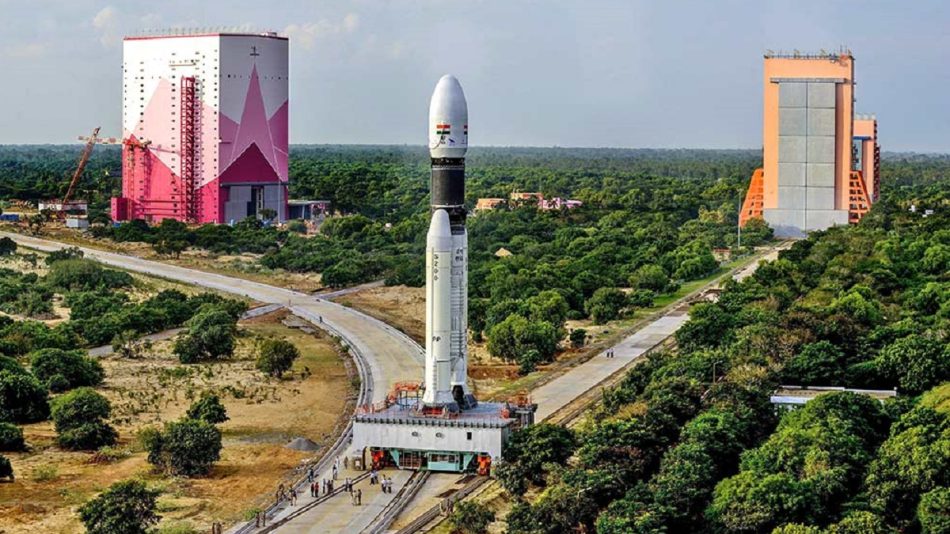
Kulasekarapattinam SSLV Launch Complex
India's second spaceport solves a geometry problem. How ISRO is building a dedicated small satellite facility that eliminates the costly dogleg maneuvers plaguing polar launches from Sriharikota.



Launch Date
May 6, 2024
Launch Site
Launch Pad
LC40
Launch Vehicle
NORAD ID
59671
International Designator
2024-084T
Epoch
Sun, 19 Jul 2026 19:03:39 GMT
Apogee
Calculating...
Perigee
Calculating...
Inclination
43.00°
Right Ascension
342.71°
Eccentricity
Calculating...
Argument of Perigee
258.71°
Period
94.27 min
Mean Motion
15.28 rev/day
Latitude
Calculating...
Longitude
Calculating...
Altitude
Calculating...
Velocity
Calculating...
Name
STARLINK-31854
Alternative Name
Starlink 31854
Type
Status
Owner
SPXS
Country
United States
Constellation
N/A
Related Satellites
Major Events
N/A
1 59671U 24084T 26200.79420691 .00000512 00000+0 28142-4 0 9992
2 59671 43.0043 342.7119 0001429 258.7064 101.3627 15.27575464124934
Source: Celestrak
Length
0.3
Diameter
4.1
Span
29
Dry Mass
700
Launch Mass
730
Shape
Box + pan
Radar Cross Section
Unknown
Visual Magnitude
Unknown
Color
Unknown
Material Composition
Unknown
Payload
Starlink Group 6-57-18
Purpose
Communication
Mission
Communication
Manufacturer
SPXS
Life Expectancy
Unknown
Bus
Starlink V2M
Configuration
Starlink v2 Mini
Motor
Argon ion thrusters
Equipment
Ku/Ka/E-band payload, optical inter-satellite link
Power System
Solar arrays, batteries
ADCS
Unknown
Transmitter Frequency
Unknown
Learn more about satellites and other related topics.
India's second spaceport solves a geometry problem. How ISRO is building a dedicated small satellite facility that eliminates the costly dogleg maneuvers plaguing polar launches from Sriharikota.
Key topics: SpaceX resumes Falcon 9 launches, mysterious Starliner sounds, and upcoming space policy events. Detailed tracking info for EGYPTSAT A.
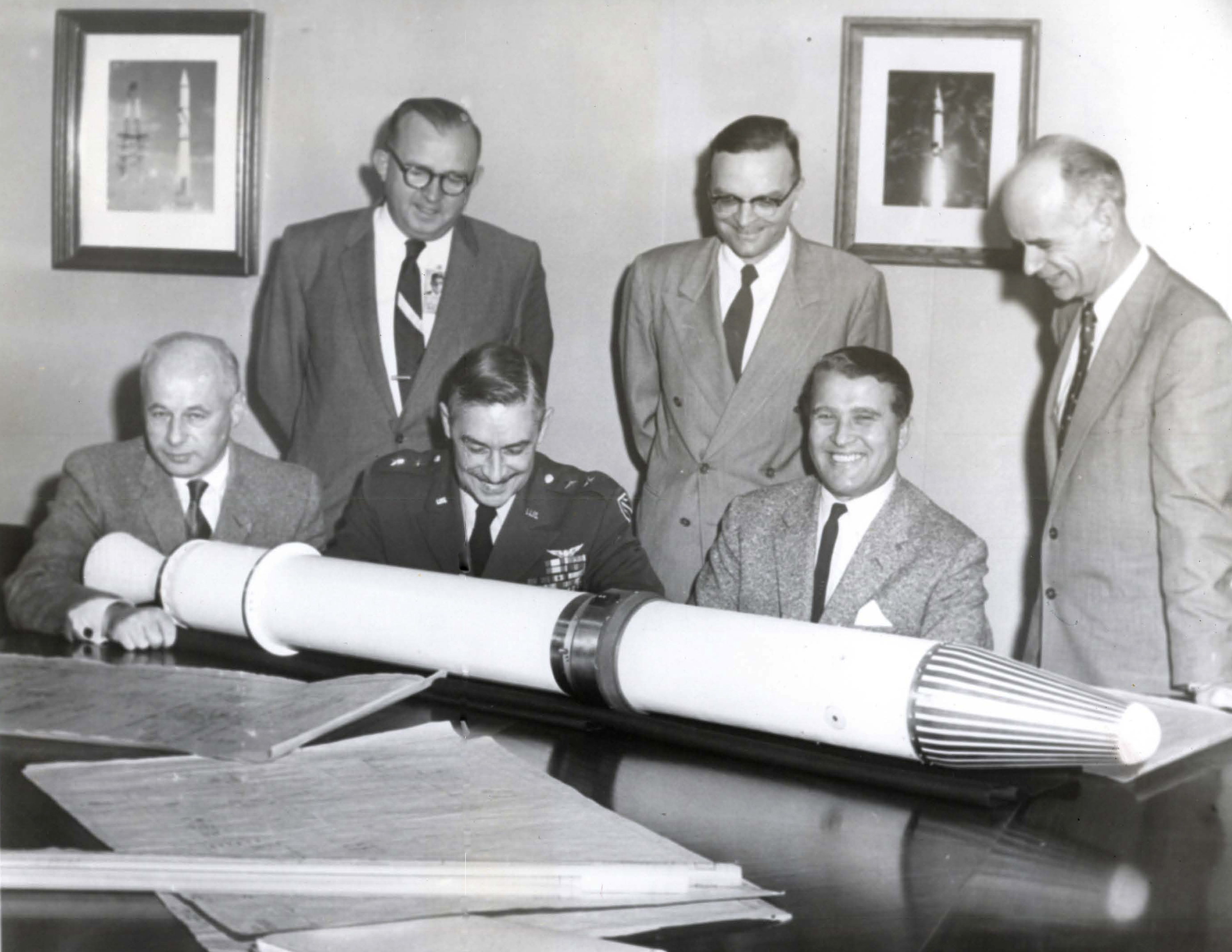
Sixty-seven years ago, a slender rocket carried America's first satellite into orbit, discovering a mysterious feature of our planet that would change our understanding of space forever

Today's top stories include SpaceX's latest Starlink launch, Blue Origin's FAA exemption request, and major acquisitions by Intuitive Machines and Firefly Aerospace shaping the defense and space landscape.
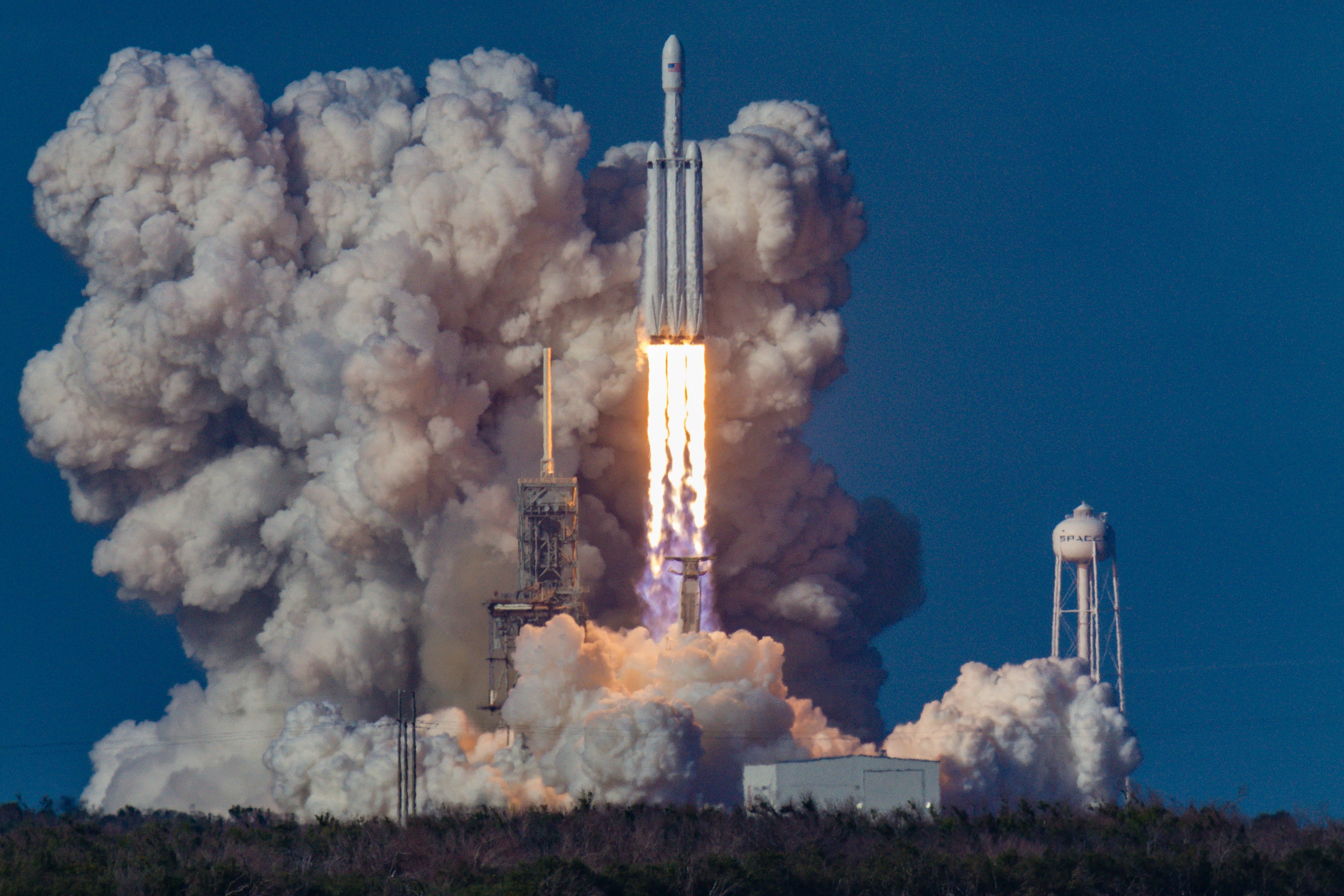
SpaceX successfully launched 28 Starlink satellites from Florida, continuing its momentum in expanding global internet coverage.

Space Force awards $3.2 billion to 12 companies for Golden Dome boost-phase missile interceptor prototypes. Initial operational capability targeted for 2028.
U.S. Space Force's Europe operations amidst Ukraine conflict, Maxar's new partnership, integration of military and commercial tech, and the Pentagon's new AI initiatives shape today's space discourse.

Today's Space Brief covers a significant signals intelligence launch, a record-breaking satellite deployment in China, a glimpse into the newest stealth drone, a potential delay for NASA's lunar lander, and more exciting updates from satellite world.