


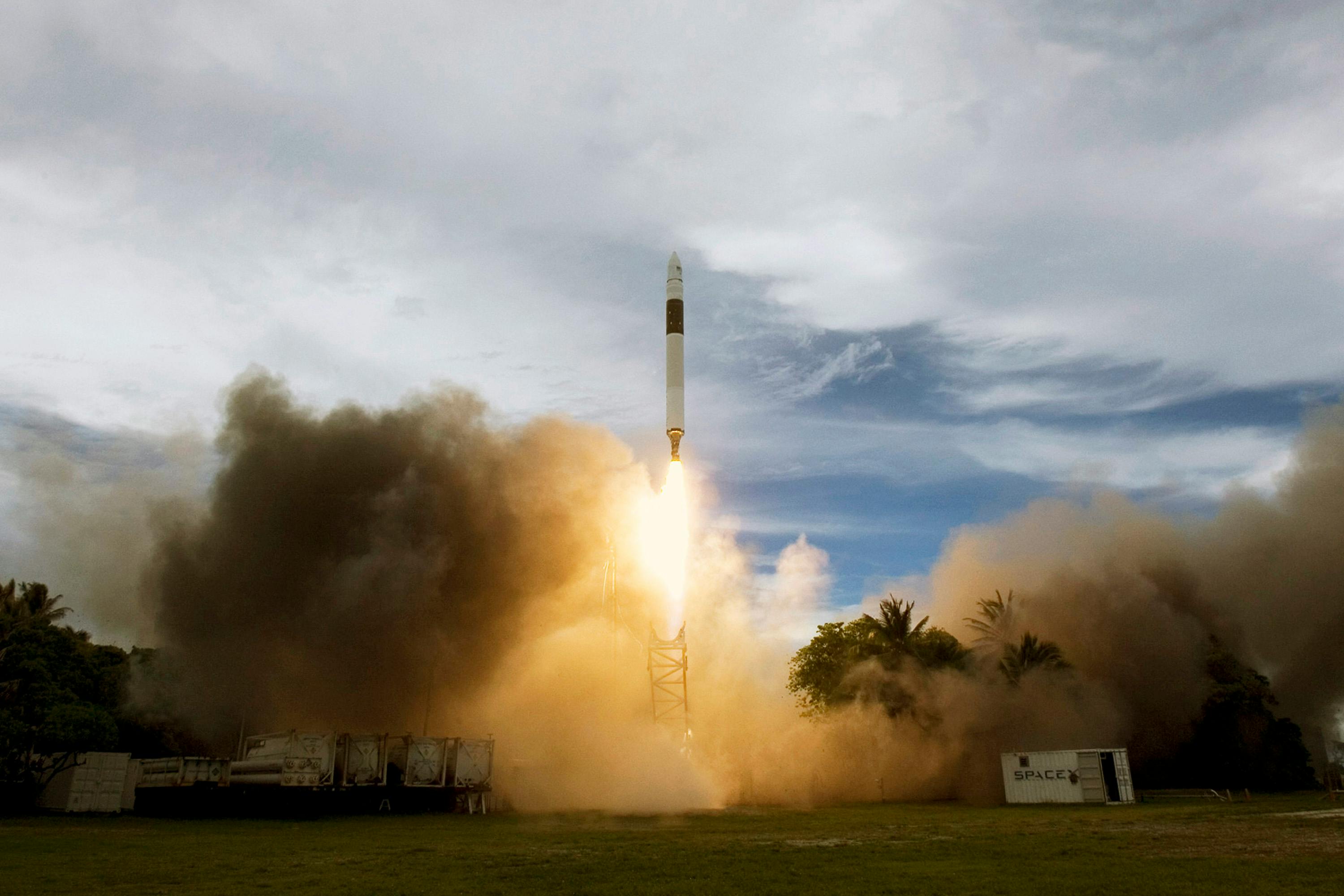
Starship V3 Launch Looms as Residents Sue Over Home Damage | KeepTrack X Report
SpaceX faces a new lawsuit from Texas residents alleging Starship launches caused property damage, just as V3 flight preparations ramp up.



Launch Date
May 6, 2024
Launch Site
Launch Pad
LC40
Launch Vehicle
NORAD ID
59658
International Designator
2024-084E
Epoch
Sun, 19 Jul 2026 19:38:23 GMT
Apogee
Calculating...
Perigee
Calculating...
Inclination
43.01°
Right Ascension
15.34°
Eccentricity
Calculating...
Argument of Perigee
255.94°
Period
94.27 min
Mean Motion
15.28 rev/day
Latitude
Calculating...
Longitude
Calculating...
Altitude
Calculating...
Velocity
Calculating...
Name
STARLINK-31858
Alternative Name
Starlink 31858
Type
Status
Owner
SPXS
Country
United States
Constellation
N/A
Related Satellites
Major Events
N/A
1 59658U 24084E 26200.81833294 .00001849 00000+0 76705-4 0 9999
2 59658 43.0053 15.3358 0001261 255.9384 104.1328 15.27580302124583
Source: Celestrak
Length
0.3
Diameter
4.1
Span
29
Dry Mass
700
Launch Mass
730
Shape
Box + pan
Radar Cross Section
Unknown
Visual Magnitude
Unknown
Color
Unknown
Material Composition
Unknown
Payload
Starlink Group 6-57-05
Purpose
Communication
Mission
Communication
Manufacturer
SPXS
Life Expectancy
Unknown
Bus
Starlink V2M
Configuration
Starlink v2 Mini
Motor
Argon ion thrusters
Equipment
Ku/Ka/E-band payload, optical inter-satellite link
Power System
Solar arrays, batteries
ADCS
Unknown
Transmitter Frequency
Unknown
Learn more about satellites and other related topics.
SpaceX faces a new lawsuit from Texas residents alleging Starship launches caused property damage, just as V3 flight preparations ramp up.
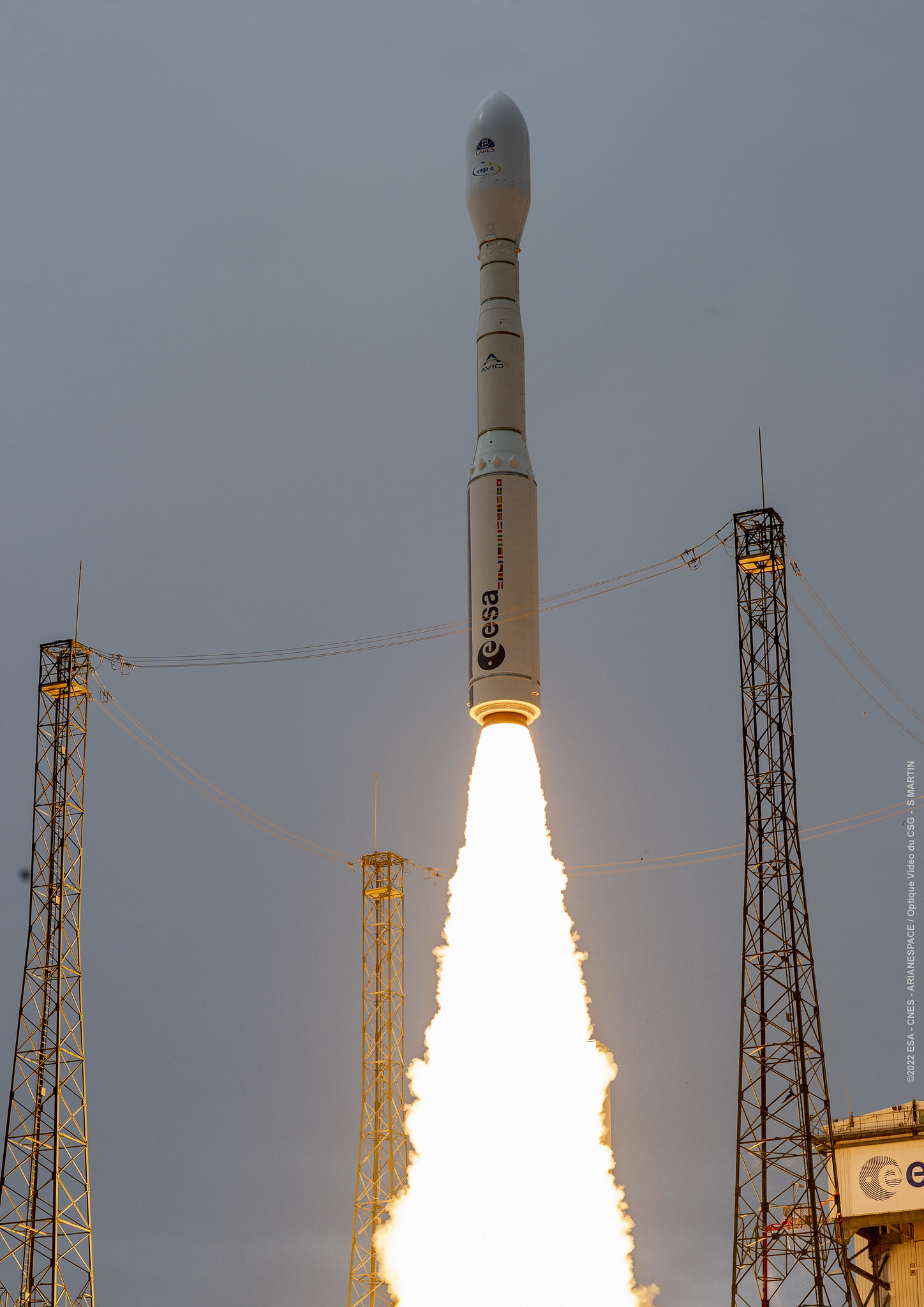
Today's Space Brief covers key topics including new defense mandates for space, Firefly Aerospace's public filing, major funding for Varda Space Industries, and updates on SpaceX's Crew-11 mission and a mystery satellite launch.

SpaceX files FCC plans for a million-satellite orbital data center constellation. Crew-12 launch timing depends on Artemis 2 mission. Cold weather delays launch window.

Thirty-nine years ago, the loss of Space Shuttle Challenger and its seven crew members forever transformed our approach to spaceflight safety and risk management
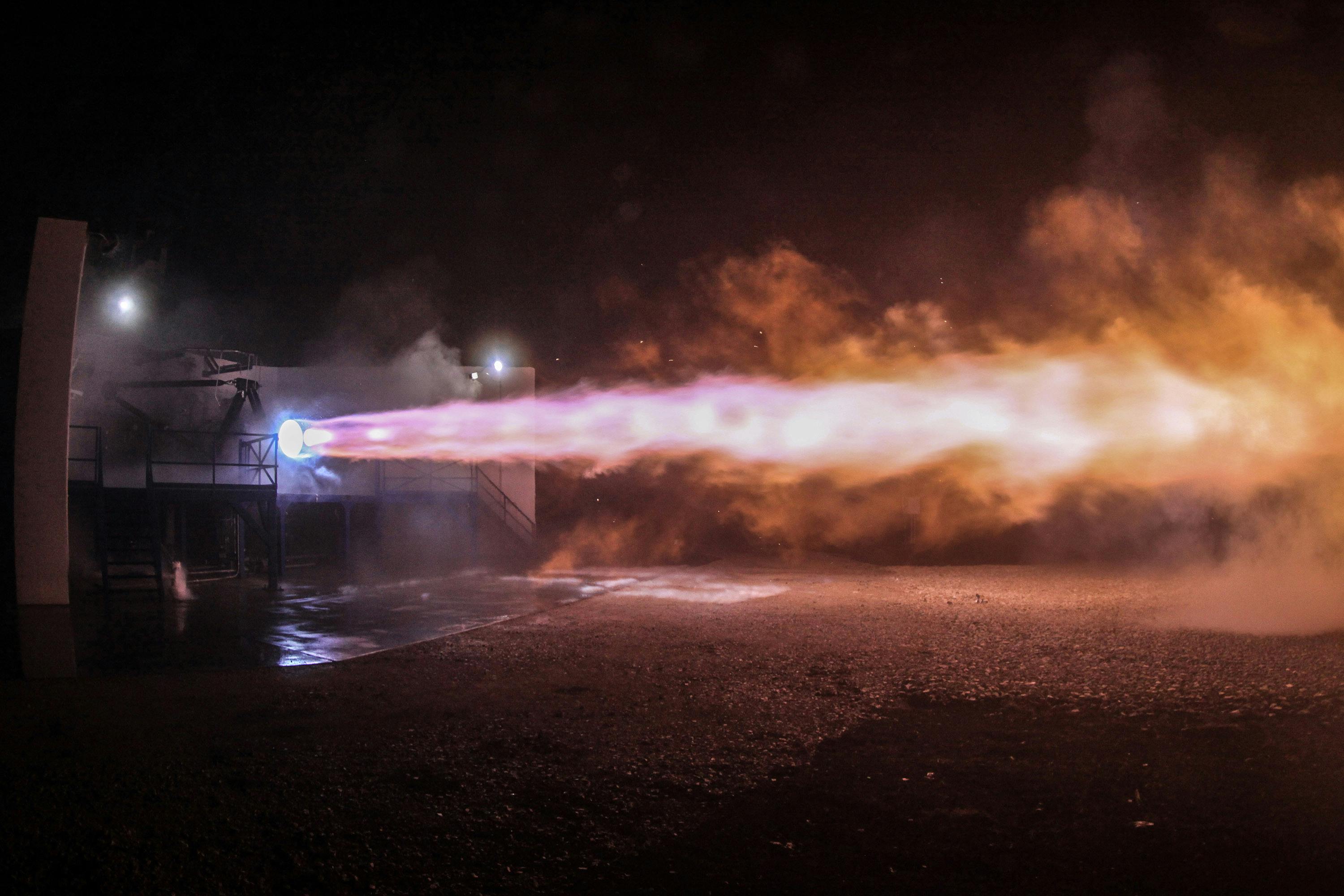
SpaceX has confirmed plans for an IPO and successfully launched multiple batches of Starlink satellites, advancing its mission for global internet coverage.
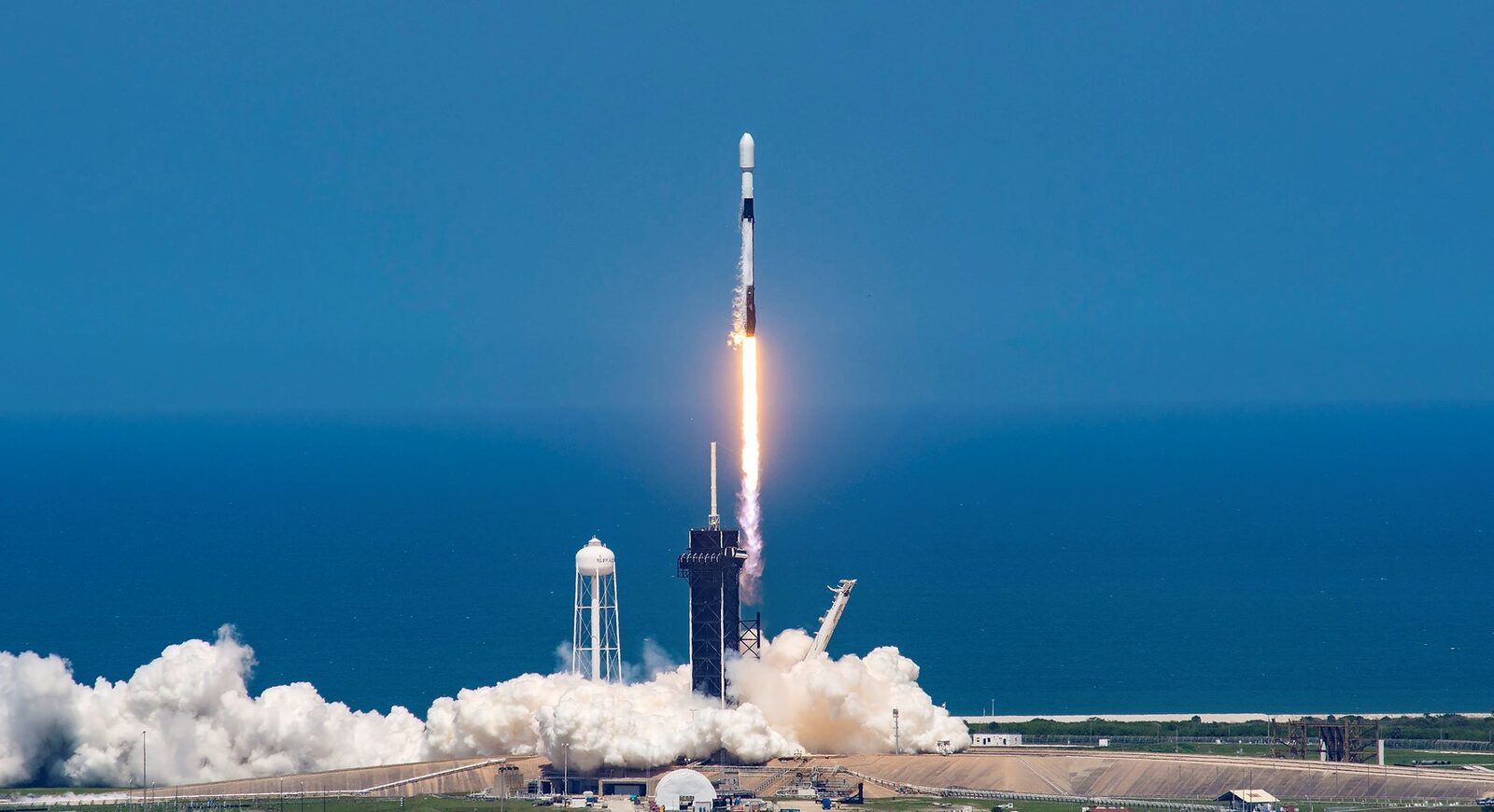
SpaceX completed a full 33-engine static fire on Booster 20, the longest duration test to date. The milestone clears a major hurdle before the next Starship flight attempt.
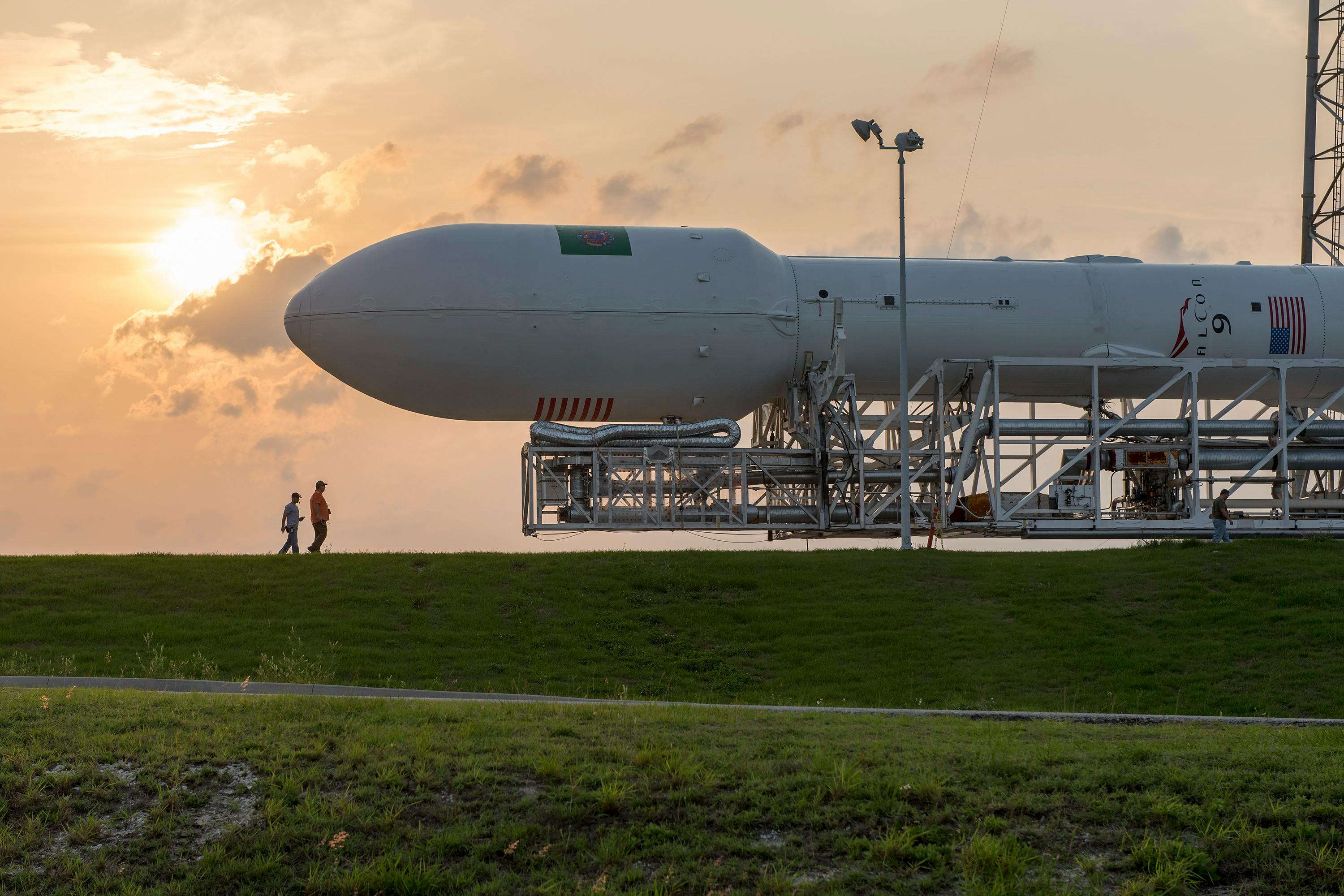
SpaceX faces a launch delay at Cape Canaveral and continues to advance Starship development.
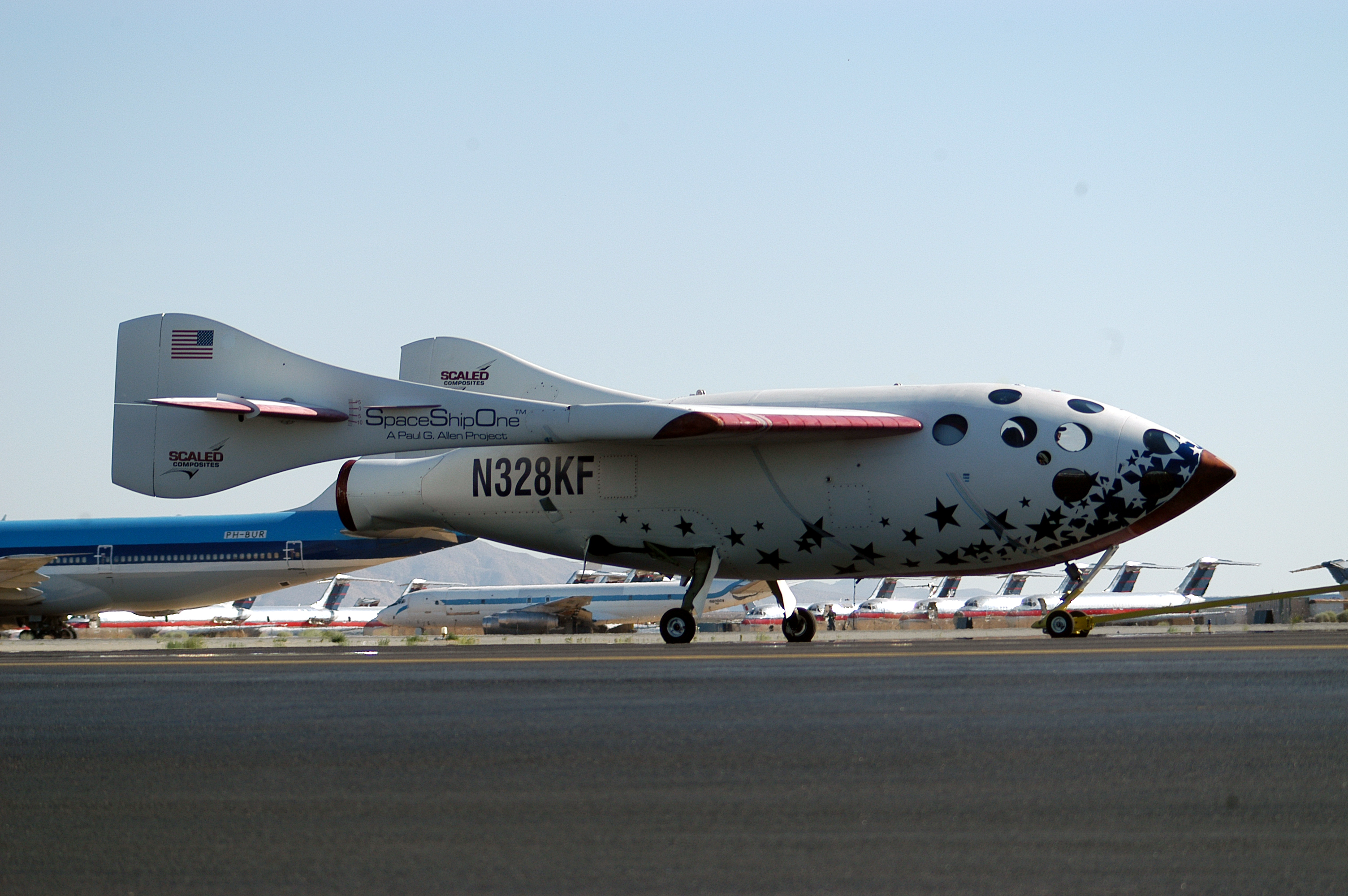
On 21 June 2004, a 63-year-old test pilot rode a homebuilt rocket plane to 100,124 meters above the Mojave Desert, clearing the edge of space by about the length of a city block. He came down the first private astronaut in history, holding a sign that read 'SpaceShipOne, GovernmentZero.'