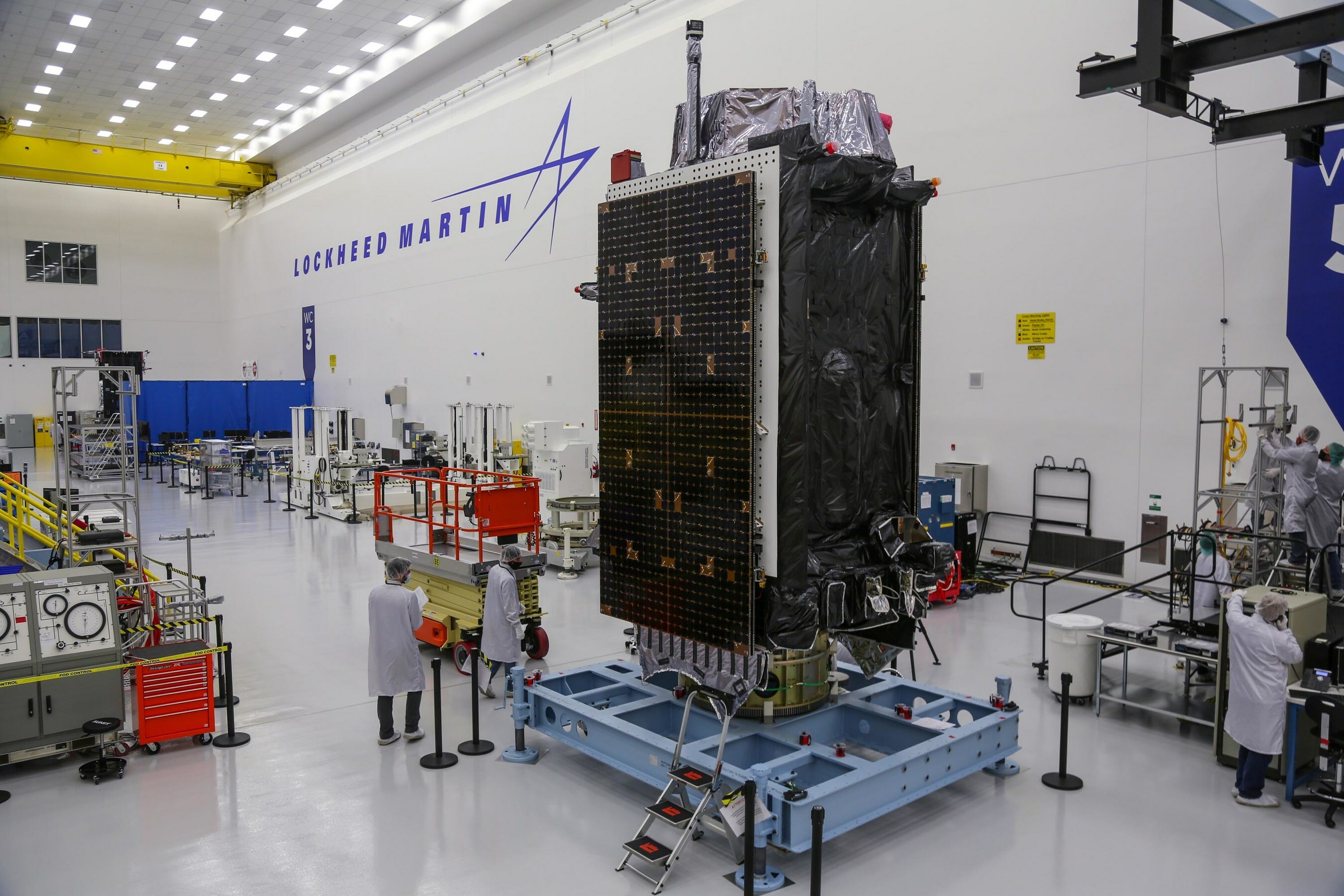
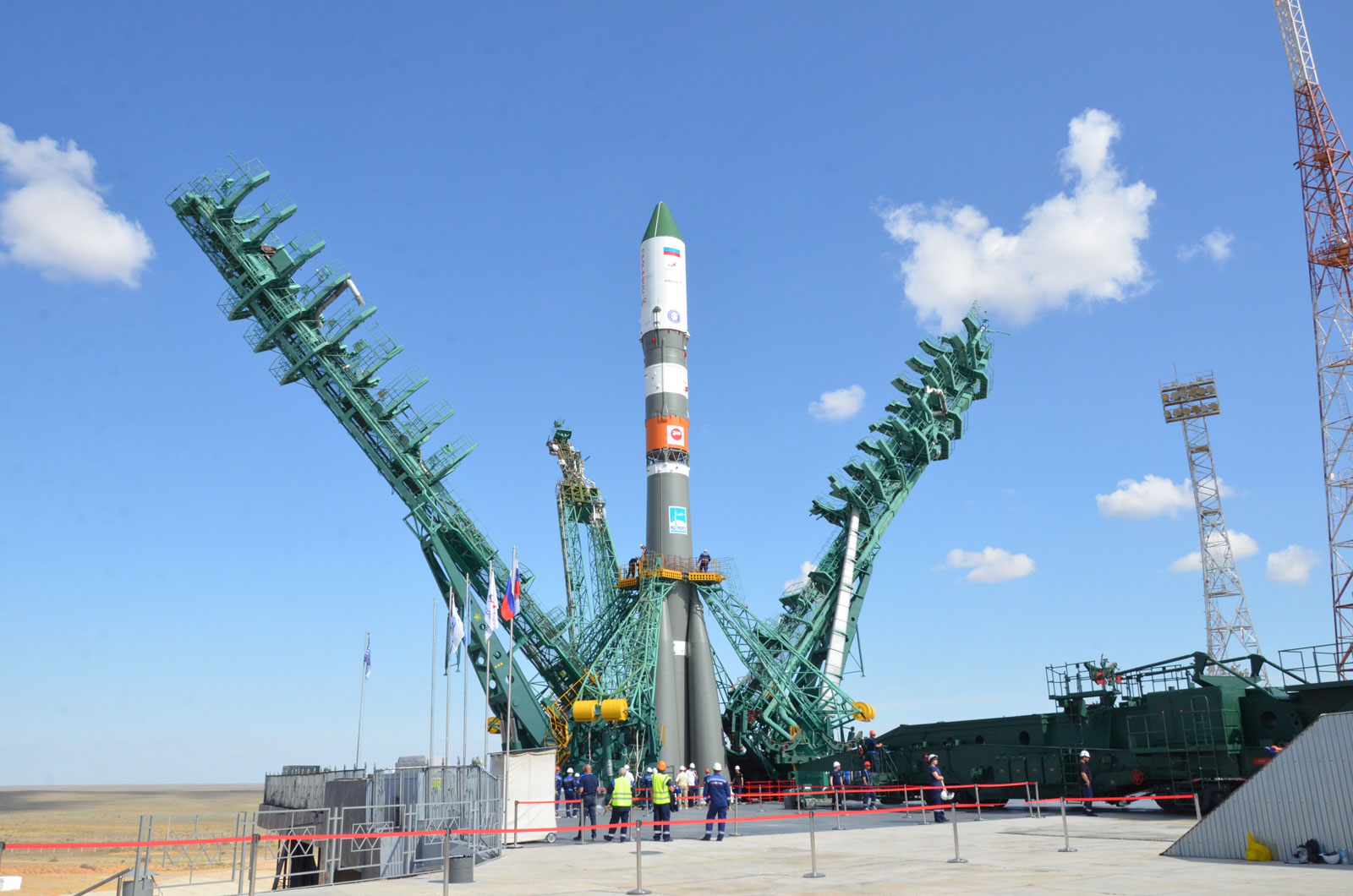
STARLINK-31795 (59645)

COSPAR: 2024-082Q | Alt Name: Starlink 31795

Image
STARLINK-31795 Satellite Image
Additional Sources
Launch Details

Launch Date

May 3, 2024

Launch Pad

LC101

Launch Vehicle

Chang Zheng 5

Orbital Elements

NORAD ID

59645

International Designator

2024-082Q

Epoch

Sun, 19 Jul 2026 08:02:30 GMT

Apogee

Calculating...

Perigee

Calculating...

Inclination

43.00°

Right Ascension

57.78°

Eccentricity

Calculating...

Argument of Perigee

269.77°

Period

94.27 min

Mean Motion

15.28 rev/day

Latitude

Calculating...

Longitude

Calculating...

Altitude

Calculating...

Velocity

Calculating...

Polar Plot
3D Visualization
Basic Satellite Info

Name

STARLINK-31795

Alternative Name

Starlink 31795

Type

Payload

Status

Operational

Owner

SPXS

Country

United States

Constellation

N/A

Related Satellites

Major Events

N/A

Latest TLEs
1 59645U 24082Q   26200.33507912  .00001106  00000+0  49732-4 0  9991
2 59645  43.0048  57.7781 0001625 269.7680  90.2986 15.27579387125610

Source: Celestrak

Summary
The Starlink V2M satellite, identified by NORAD_CAT_ID 59645 and OBJECT_ID 2024-082Q, was launched on May 3, 2024, from the AFETR launch site using a Chang Zheng 5 rocket. It is part of the Starlink v2 Mini configuration and belongs to SPXS (SpaceX). The satellite measures 0.3 meters in length with a diameter of 4.1 meters and spans 29 meters, weighing 730 kilograms at launch and 700 kilograms dry mass. It is equipped with a Ku/Ka/E-band payload and an optical inter-satellite link for communication purposes. The satellite is powered by solar arrays and batteries and uses Argon ion thrusters for propulsion.

Starlink is a satellite constellation developed by SpaceX with the aim of providing global broadband internet coverage. Thousands of small satellites are deployed in low Earth orbit (LEO), enabling high-speed internet access even in remote areas. However, the rapid increase in satellites raises concerns about space debris and the potential for collisions, which can lead to further debris creation and endanger other spacecraft. Additionally, the sheer number of Starlink satellites can affect astronomical observations by increasing light pollution. Proper deorbiting plans and international coordination are essential to mitigate these challenges and ensure long-term sustainability in space.
Physical Characteristics

Length

0.3

Diameter

4.1

Span

29

Dry Mass

700

Launch Mass

730

Shape

Box + pan

Radar Cross Section

Unknown

Visual Magnitude

Unknown

Color

Unknown

Material Composition

Unknown

Technical Details

Payload

Starlink Group 6-55-15

Purpose

Communication

Mission

Communication

Manufacturer

SPXS

Life Expectancy

Unknown

Bus

Starlink V2M

Configuration

Starlink v2 Mini

Motor

Argon ion thrusters

Equipment

Ku/Ka/E-band payload, optical inter-satellite link

Power System

Solar arrays, batteries

ADCS

Unknown

Transmitter Frequency

Unknown

Map
This tool will help you track the satellite's position and predict its upcoming passes over your location. Simply input the coordinates or click the geolocation button to get started.
Next Pass
Azimuth Elevation Time (Local)
Start Azimuth
Max Elevation
Stop Azimuth
Time Until
Pass Duration

Satellite Articles

View All Posts »

Learn more about satellites and other related topics.

GAO Warns Space Force Satellite Costs Rising, Workforce Cuts Add Risk | KeepTrack Space Brief

GAO Warns Space Force Satellite Costs Rising, Workforce Cuts Add Risk | KeepTrack Space Brief

GAO flags growing cost problems across Space Force satellite portfolio with workforce reductions compounding risks to missile-warning constellations like NGG and SWAT.

Blue Origin Rebuilds New Glenn Launch Pad, Space Brief 19 Jun 2026

Blue Origin Rebuilds New Glenn Launch Pad, Space Brief 19 Jun 2026

Blue Origin launch pad rebuild begins at Cape Canaveral after the New Glenn explosion, targeting return to flight by end of 2026. SpaceX flies NROL-179.

Artemis 2 Crew First Lunar-Bound Humans Since 1972 | KeepTrack Space Brief

Artemis 2 Crew First Lunar-Bound Humans Since 1972 | KeepTrack Space Brief

Artemis 2 Orion carries first humans toward the Moon in 53 years. Spacecraft in good health after trans-lunar injection; lunar flyby observation plan due April 6.

Starship Flight 13 Set for July 16, Will Deploy Live Starlinks | KeepTrack X Report

Starship Flight 13 Set for July 16, Will Deploy Live Starlinks | KeepTrack X Report

SpaceX targets July 16 for Starship Flight 13, testing V3 fixes and deploying functioning Starlink satellites for the first time.

X Report 4 Apr 2025

X Report 4 Apr 2025

SpaceX gears up for Starship's ninth flight with a reused booster, Fram2 astronauts share stunning orbital views, and SpaceX secures new NASA contracts for the Starship.

GPS III SV10 | The Last of Its Kind, and the First of What Comes Next

GPS III SV10 | The Last of Its Kind, and the First of What Comes Next

On April 21, 2026, the tenth and final GPS Block III satellite reached medium Earth orbit aboard a SpaceX Falcon 9. Named for Hedy Lamarr, the actress whose 1942 frequency-hopping patent underpins modern GPS, SV10 closes a procurement that took eight years to deliver hardware and opens the optical-crosslink era that will define the constellation's next decade.

SpaceX Wins $4.16B Space Force Contract, X Report 3 Jun 2026

SpaceX Wins $4.16B Space Force Contract, X Report 3 Jun 2026

SpaceX wins a $4.16 billion Space Force satellite contract to track airborne threats worldwide, while dual-pad launches add 53 Starlink satellites.

Space Brief 21 Nov 2025

Space Brief 21 Nov 2025

Today's brief covers the Space Force's strategic roadmap, a groundbreaking DARPA mission in Very Low Earth Orbit, and enhanced cyber defenses due to AI-driven threats.