

X Report 26 Jul 2025
This week's SpaceX developments include notable upcoming missions, with a Starlink launch on the horizon and Crew Dragon's readiness for the next astronaut mission.


Launch Date
May 3, 2024
Launch Site
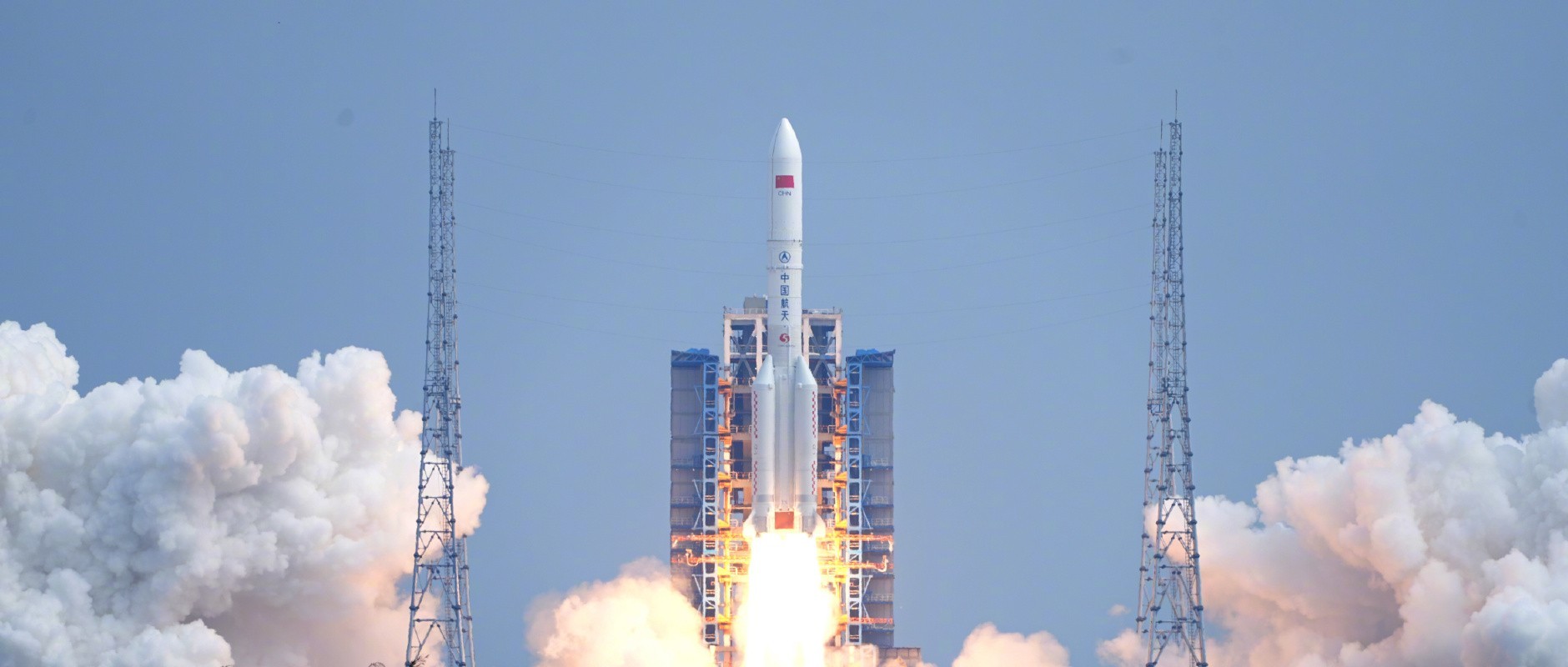
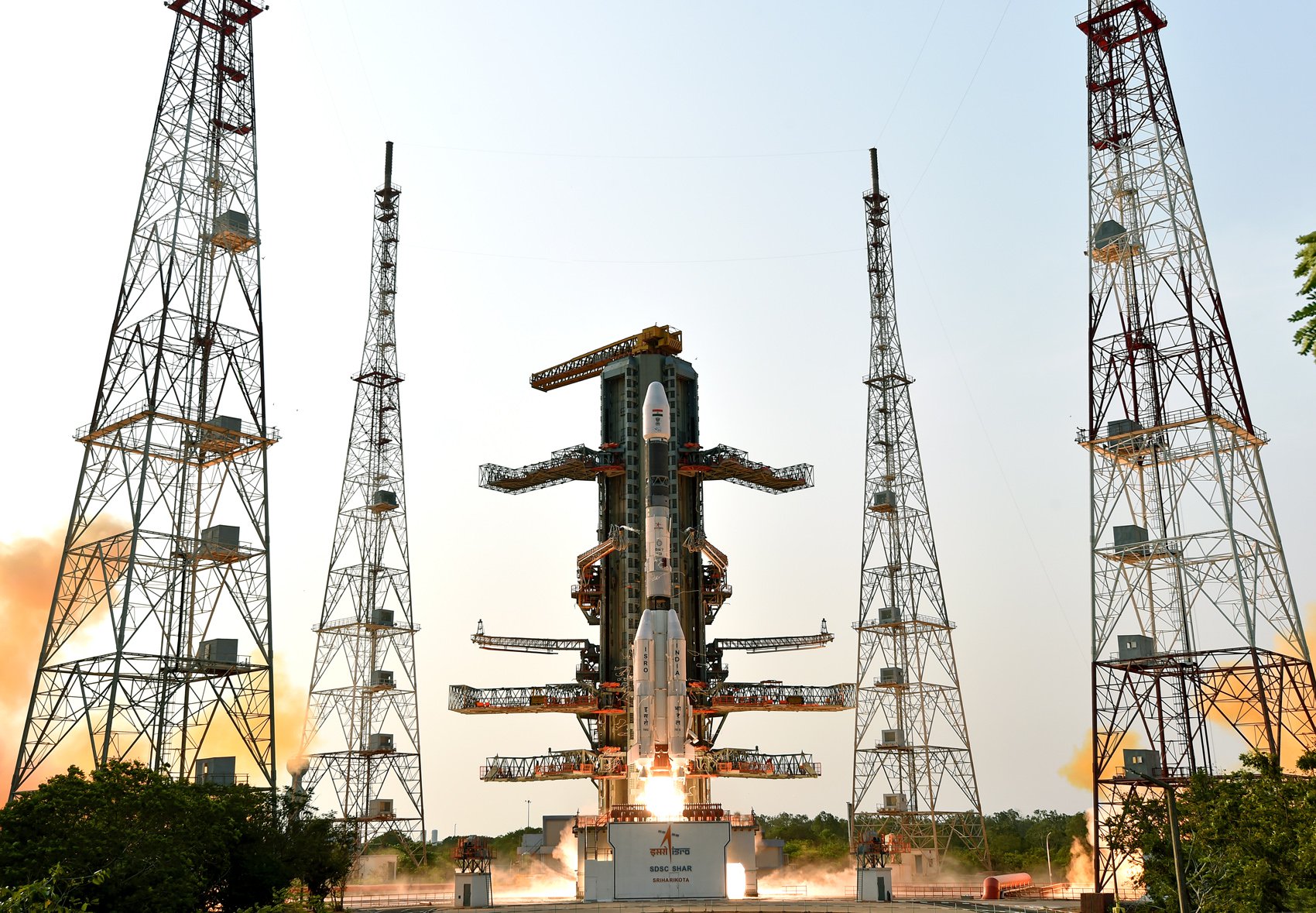
Wenchang Space Launch Site, Hainan Province
Launch Pad
LC101
Launch Vehicle
Long March 5
NORAD ID
59627
International Designator
2024-083A
Decay Date
Unknown
Name
Chang'e-6
Alternative Name
Chang'e-6 Guidao Qi
Type
Status
Owner
China National Space Administration (CNSA)
Country
China
Constellation
N/A
Related Satellites
Major Events
Launch on May 3, 2024; lunar landing on June 1, 2024; sample collection completed by June 3, 2024; return capsule landed in Inner Mongolia on June 25, 2024.
Length
2
Diameter
4
Span
10
Dry Mass
950
Launch Mass
3406
Shape
Cylindrical with two solar panel arrays.
Radar Cross Section
0.122
Visual Magnitude
Approximately 5.0
Color
Silver (aluminum-clad)
Material Composition
The spacecraft was constructed using aluminum and magnesium alloys to ensure structural integrity while minimizing weight.
Payload
The payload included a lander, an ascender, an orbiter, and a returner. The lander was equipped with instruments for sample collection, while the ascender transported the samples to lunar orbit for transfer to the returner.
Purpose
Lunar sample return from the far side of the Moon.
Mission
Chang'e-6 was China's second lunar sample-return mission, aiming to collect and return samples from the far side of the Moon, specifically from the South Pole-Aitken Basin. The mission successfully returned the world's first samples collected from the Moon's far side.
Manufacturer
Shanghai Academy of Spaceflight Technology (SAST)
Life Expectancy
The mission lasted approximately 53 days, from launch on May 3, 2024, to the return of the sample capsule on June 25, 2024.
Bus
CE-6
Configuration
Lunar Sample Return
Motor
Main engine for lunar orbit insertion and descent, ascent engine for returning lunar samples to orbit.
Equipment
The Chang'e-6 mission carried several international payloads, including a RadoN detector from France, a lunar surface negative ion analyzer from the European Space Agency, a laser angle reflector from Italy, and a cube satellite from Pakistan.
Power System
The spacecraft utilized deployable solar arrays and batteries to power its systems during various mission phases.
ADCS
Three-axis stabilized using star trackers and gyroscopes.
Transmitter Frequency
X-band for communication with Earth; S-band for communication between modules.
Learn more about satellites and other related topics.
This week's SpaceX developments include notable upcoming missions, with a Starlink launch on the horizon and Crew Dragon's readiness for the next astronaut mission.
ISS astronauts evacuated to a SpaceX Dragon capsule on June 5 as cosmonauts worked to seal a persistent air leak on the Russian segment.
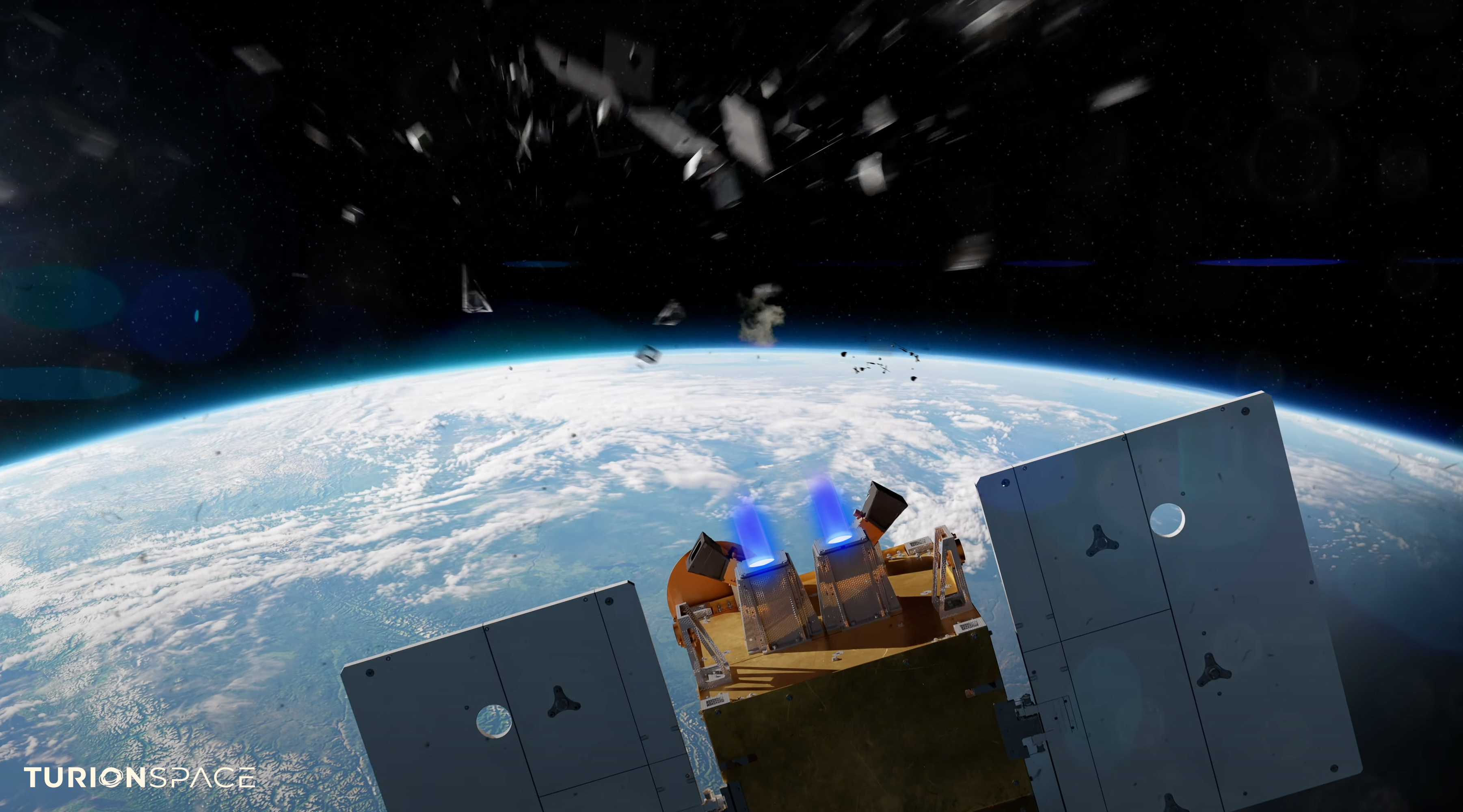
A 90-kilogram spacecraft with iodine thrusters and two Australian-built cameras is quietly building the case that tracking space debris is a business worth billions - and that a four-year-old startup from Irvine can own it.
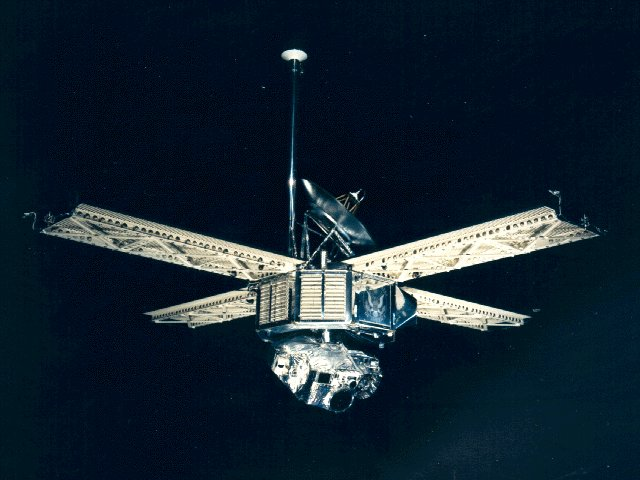
Fifty-six years ago, a revolutionary spacecraft launched toward the Red Planet after being saved from disaster by two quick-thinking technicians who risked their lives to prevent a rocket collapse
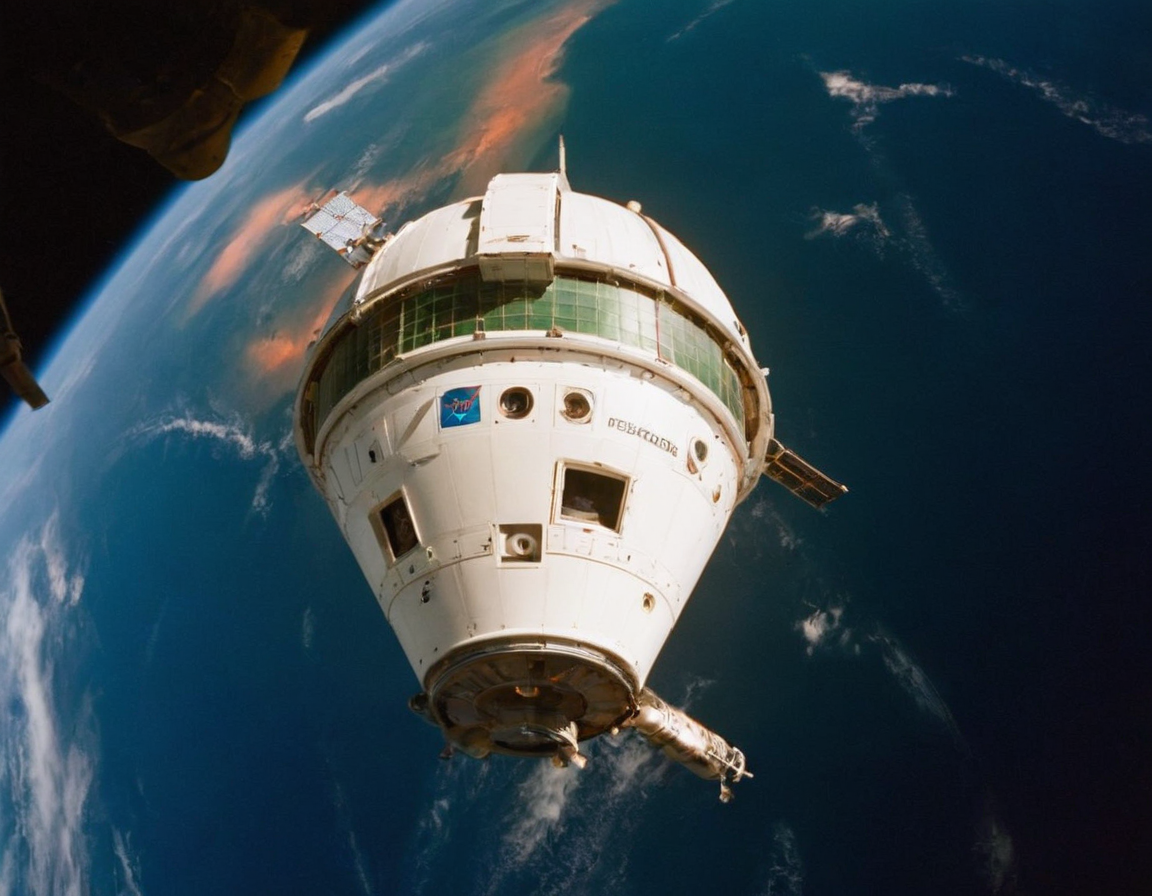
Boeing's Starliner spacecraft encounters thruster problems and helium leaks during its first crewed mission, potentially delaying the return of NASA astronauts from the International Space Station.
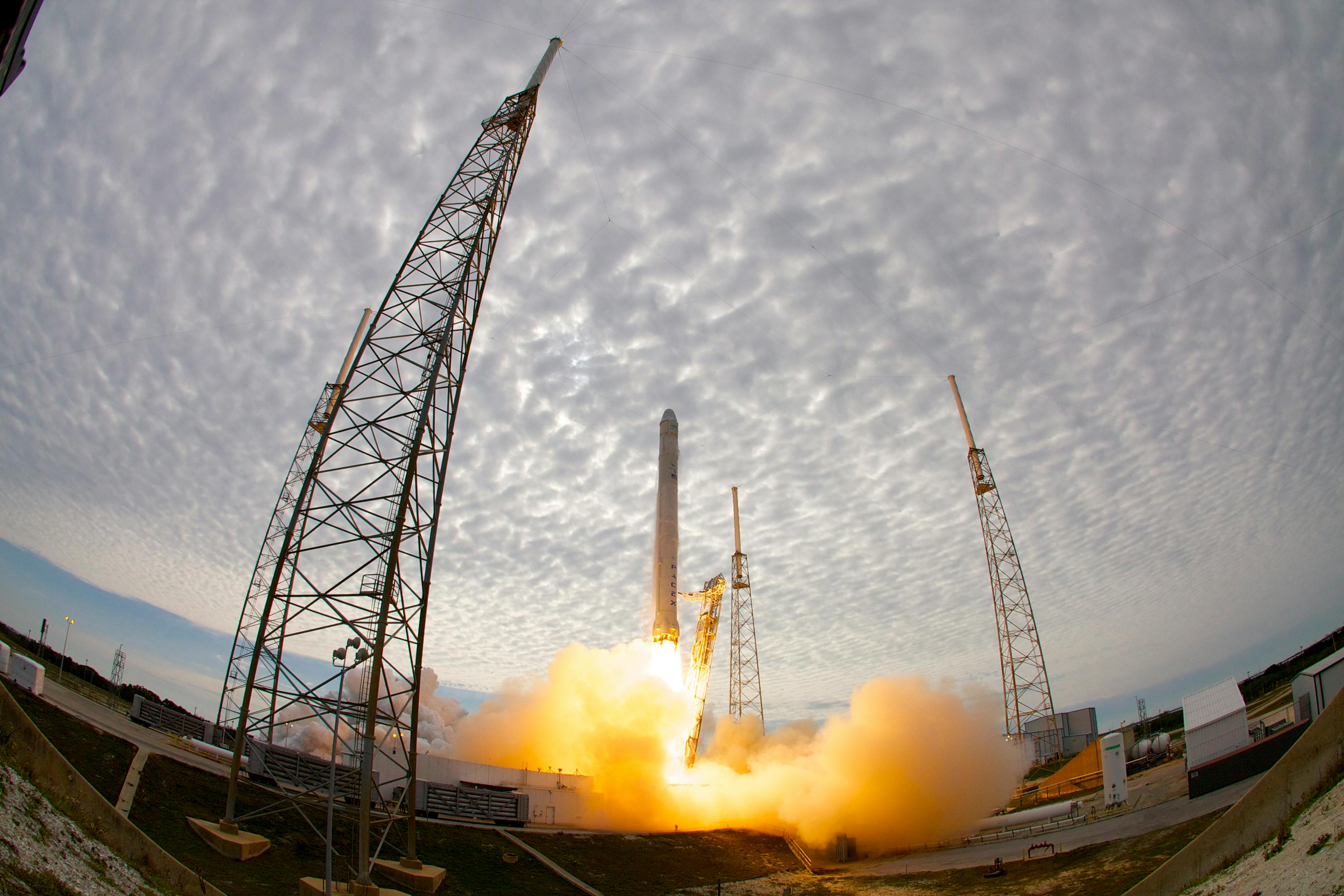
Crew-11 astronauts splashdown off California in first-ever ISS medical evacuation. SpaceX sets pad turnaround record at Cape Canaveral with Starlink 6-98 deploying 29 satellites.
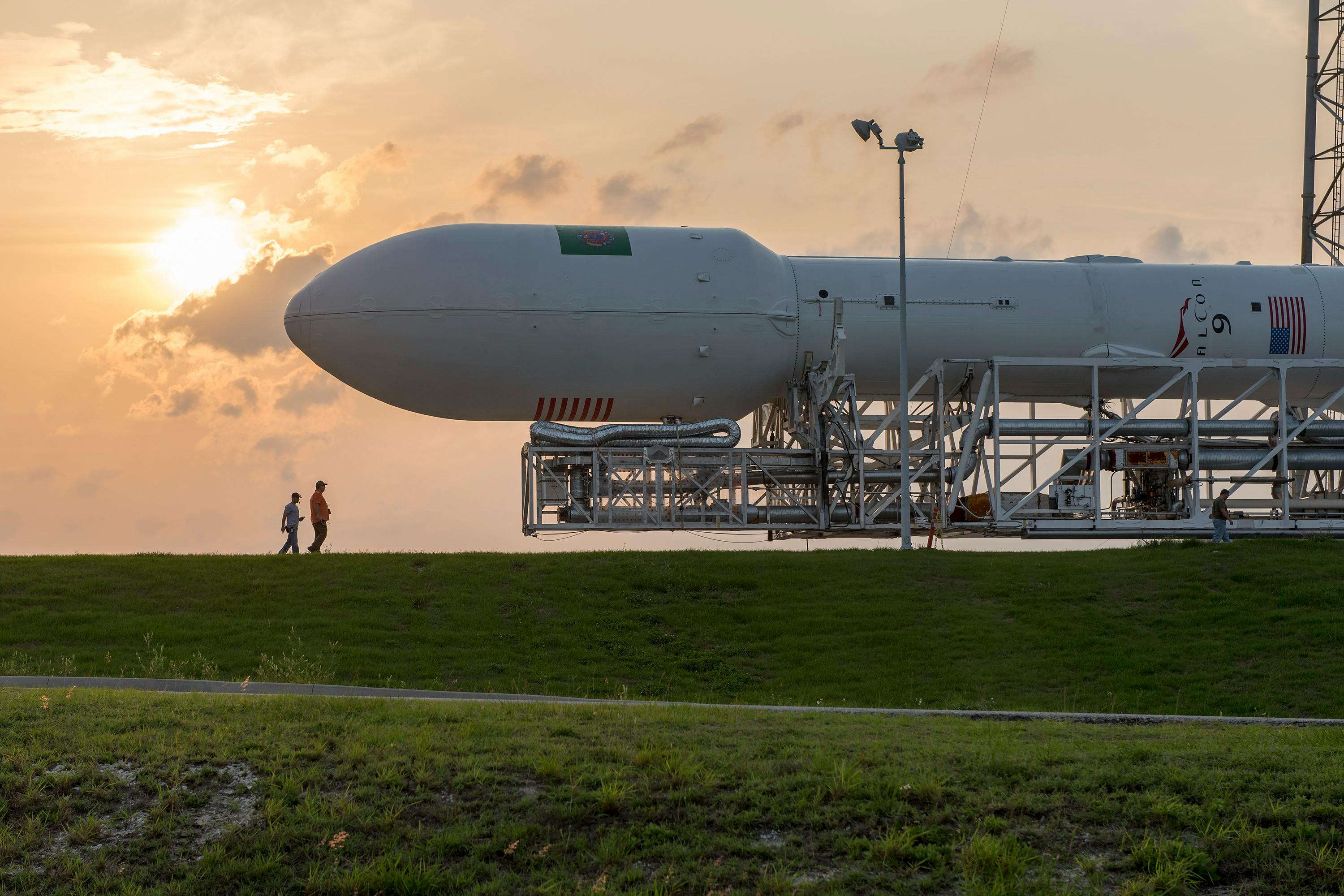
SpaceX's Falcon 9 delivered Northrop Grumman's second Cygnus XL — carrying over 5 tons of cargo — to the ISS on April 11, 2026.
Today's brief covers new military space funding, intriguing scientific discoveries, and defense contracts impacting global military strategies.