STARLINK-31769 (59617)

COSPAR: 2024-080S | Alt Name: Starlink 31769

Image
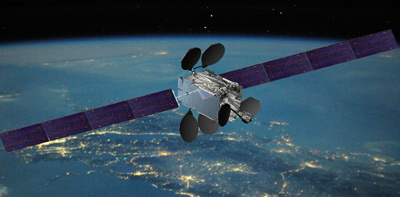
STARLINK-31769 Satellite Image
Additional Sources
Launch Details

Launch Date

April 28, 2024

Launch Pad

LC40

Launch Vehicle

Falcon 9

Orbital Elements

NORAD ID

59617

International Designator

2024-080S

Epoch

Sun, 19 Jul 2026 20:49:18 GMT

Apogee

Calculating...

Perigee

Calculating...

Inclination

43.00°

Right Ascension

11.77°

Eccentricity

Calculating...

Argument of Perigee

257.94°

Period

94.27 min

Mean Motion

15.28 rev/day

Latitude

Calculating...

Longitude

Calculating...

Altitude

Calculating...

Velocity

Calculating...

Polar Plot
3D Visualization
Basic Satellite Info

Name

STARLINK-31769

Alternative Name

Starlink 31769

Type

Payload

Status

Operational

Owner

SPXS

Country

United States

Constellation

N/A

Related Satellites

Major Events

N/A

Latest TLEs
1 59617U 24080S   26200.86757256 -.00000770  00000+0 -18472-4 0  9999
2 59617  43.0035  11.7726 0001244 257.9385 102.1327 15.27575741124747

Source: Celestrak

Summary
The STARLINK-31769 satellite, also known as Starlink 31769, is a communication satellite belonging to the Starlink v2 Mini configuration and was launched on April 28, 2024, from Launch Complex 40 at Cape Canaveral Air Force Station using a Falcon 9 launch vehicle. The spacecraft has dimensions of 0.3 meters in length, 4.1 meters in diameter, and spans 29 meters with its deployed components. It has a dry mass of 700 kg and was launched with a total mass of 730 kg. Equipped with Ku/Ka/E-band payload and optical inter-satellite link equipment, it is powered by solar arrays and batteries and uses Argon ion thrusters for propulsion. The satellite is owned and manufactured by SpaceX (SPXS) for communication purposes within the Starlink Group 6-54-17 constellation.

Starlink is a satellite constellation developed by SpaceX with the aim of providing global broadband internet coverage. Thousands of small satellites are deployed in low Earth orbit (LEO), enabling high-speed internet access even in remote areas. However, the rapid increase in satellites raises concerns about space debris and the potential for collisions, which can lead to further debris creation and endanger other spacecraft. Additionally, the sheer number of Starlink satellites can affect astronomical observations by increasing light pollution. Proper deorbiting plans and international coordination are essential to mitigate these challenges and ensure long-term sustainability in space.
Physical Characteristics

Length

0.3

Diameter

4.1

Span

29

Dry Mass

700

Launch Mass

730

Shape

Box + pan

Radar Cross Section

Unknown

Visual Magnitude

Unknown

Color

Unknown

Material Composition

Unknown

Technical Details

Payload

Starlink Group 6-54-17

Purpose

Communication

Mission

Communication

Manufacturer

SPXS

Life Expectancy

Unknown

Bus

Starlink V2M

Configuration

Starlink v2 Mini

Motor

Argon ion thrusters

Equipment

Ku/Ka/E-band payload, optical inter-satellite link

Power System

Solar arrays, batteries

ADCS

Unknown

Transmitter Frequency

Unknown

Map
This tool will help you track the satellite's position and predict its upcoming passes over your location. Simply input the coordinates or click the geolocation button to get started.
Next Pass
Azimuth Elevation Time (Local)
Start Azimuth
Max Elevation
Stop Azimuth
Time Until
Pass Duration

Satellite Articles

View All Posts »

Learn more about satellites and other related topics.

Space Brief 29 Oct 2024

Space Brief 29 Oct 2024

Today's space brief covers an impressive SpaceX launch record, China's upcoming crew mission to its space station, an Intelsat 33e debris observation, and more. Key topics include SpaceX's Starship events, ESA's Hera mission updates, and Boeing's potential space division sale.
SpaceX Hits 50 Launches, Falcon Heavy Scrub, X Report 28 Apr 2026

SpaceX Hits 50 Launches, Falcon Heavy Scrub, X Report 28 Apr 2026

SpaceX hit 50 launches in 2026 on April 26. Falcon Heavy's ViaSat-3 mission, only its 12th flight, scrubbed on weather at Kennedy; new date pending.

Starship Flight 13 Set for July 16, Will Deploy Live Starlinks | KeepTrack X Report

Starship Flight 13 Set for July 16, Will Deploy Live Starlinks | KeepTrack X Report

SpaceX targets July 16 for Starship Flight 13, testing V3 fixes and deploying functioning Starlink satellites for the first time.

Space Brief 2 Sep 2025

Space Brief 2 Sep 2025

Today's brief covers key topics such as SpaceX's latest Starlink launch, the European Space Agency's new initiatives, and Space Force's integration of AI into its operations.

X Report 28 Apr 2025

X Report 28 Apr 2025

SpaceX marks a milestone with its 250th Starlink mission, continuing to expand its broadband satellite network.

X Report 29 Sep 2025

X Report 29 Sep 2025

In today's update, SpaceX successfully launched 28 Starlink satellites from Vandenberg, while Italy grapples with its satellite strategy amid rising reliance on Starlink services.

The Day Space Became Crowded

The Day Space Became Crowded

Eight years ago, a single Indian rocket launched 104 satellites into orbit, marking a pivotal moment when space tracking professionals realized the dawn of a new, congested era in orbital operations

The Rocket That Refused to Sink

The Rocket That Refused to Sink

On April 18, 2014, a Falcon 9 first stage did something no orbital rocket had ever done before. It fired its engines on the way down, steered itself through the atmosphere using grid fins that did not yet exist, and touched the Atlantic Ocean softly enough to survive the impact. Nobody recovered it. The data was the whole point.