


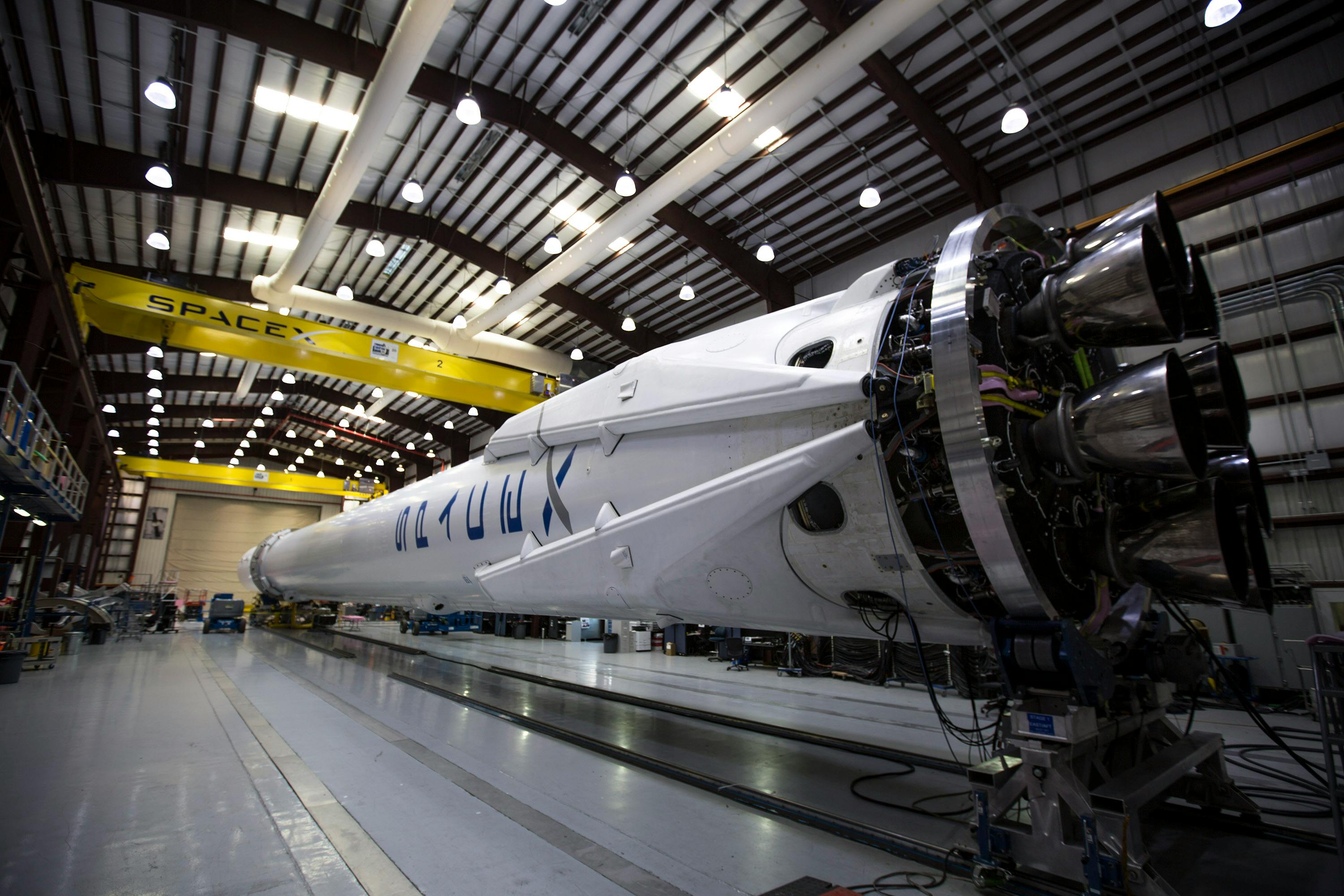
X Report 8 Feb 2025
SpaceX makes strides on Starship launch pad, upcoming Starlink infusions from California and Florida, and regulatory challenges loom with FCC and C-band spectrum.



Launch Date
April 28, 2024
Launch Site
Launch Pad
LC40
Launch Vehicle
NORAD ID
59607
International Designator
2024-080G
Epoch
Sun, 19 Jul 2026 13:10:46 GMT
Apogee
Calculating...
Perigee
Calculating...
Inclination
43.00°
Right Ascension
17.14°
Eccentricity
Calculating...
Argument of Perigee
260.00°
Period
94.27 min
Mean Motion
15.28 rev/day
Latitude
Calculating...
Longitude
Calculating...
Altitude
Calculating...
Velocity
Calculating...
Name
STARLINK-31755
Alternative Name
Starlink 31755
Type
Status
Owner
SPXS
Country
United States
Constellation
N/A
Related Satellites
Major Events
N/A
1 59607U 24080G 26200.54914515 .00000887 00000+0 41742-4 0 9999
2 59607 43.0046 17.1449 0001201 260.0018 100.0699 15.27576526124652
Source: Celestrak
Length
0.3
Diameter
4.1
Span
29
Dry Mass
700
Launch Mass
730
Shape
Box + pan
Radar Cross Section
Unknown
Visual Magnitude
Unknown
Color
Unknown
Material Composition
Unknown
Payload
Starlink Group 6-54-07
Purpose
Communication
Mission
Communication
Manufacturer
SPXS
Life Expectancy
Unknown
Bus
Starlink V2M
Configuration
Starlink v2 Mini
Motor
Argon ion thrusters
Equipment
Ku/Ka/E-band payload, optical inter-satellite link
Power System
Solar arrays, batteries
ADCS
Unknown
Transmitter Frequency
Unknown
Learn more about satellites and other related topics.
SpaceX makes strides on Starship launch pad, upcoming Starlink infusions from California and Florida, and regulatory challenges loom with FCC and C-band spectrum.
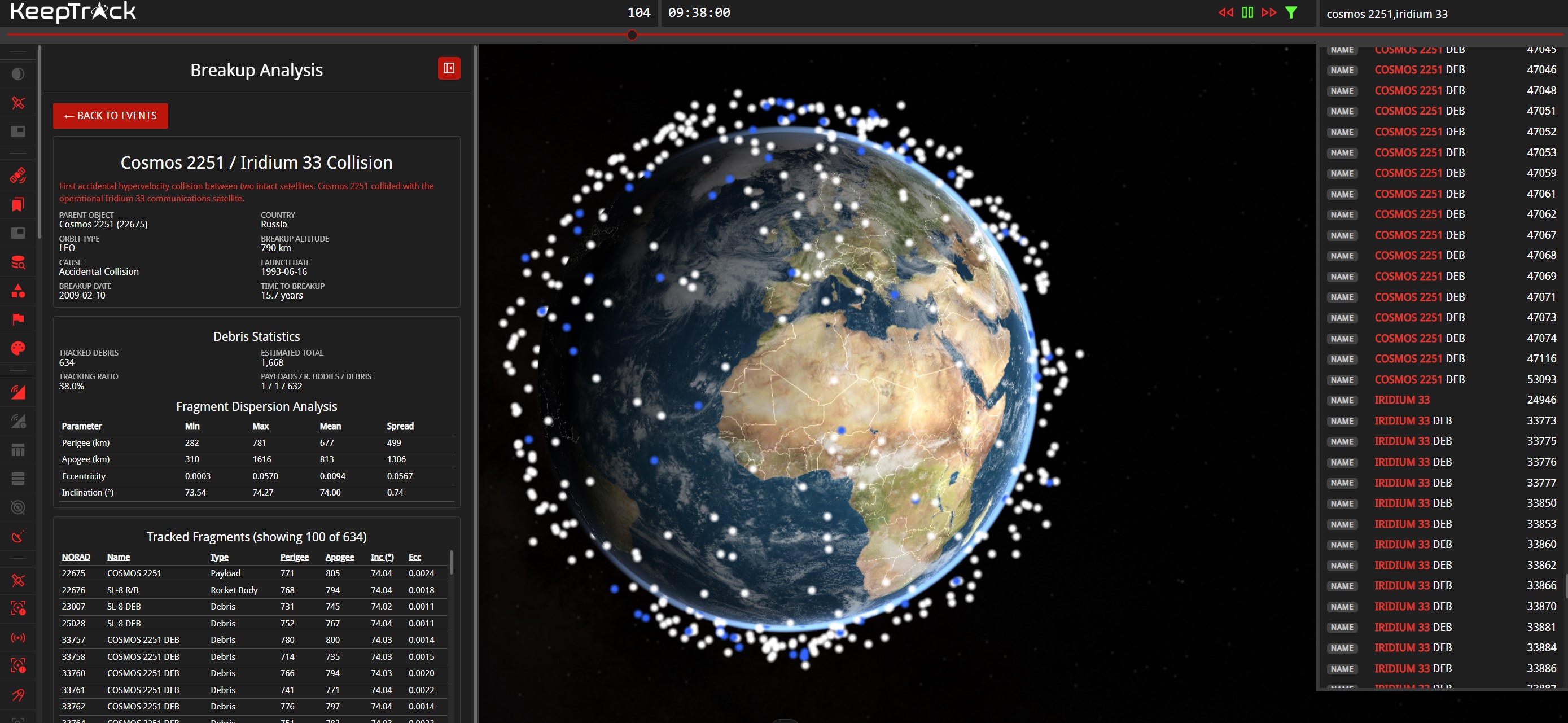
On February 10, 2009, an active Iridium communications satellite and a derelict Soviet military spacecraft slammed into each other 789 kilometers above Siberia. The collision produced more than 2,300 pieces of trackable debris that are still up there. Seventeen years later, the Iridium-Cosmos collision remains the event that made space debris a policy problem the world could no longer ignore.
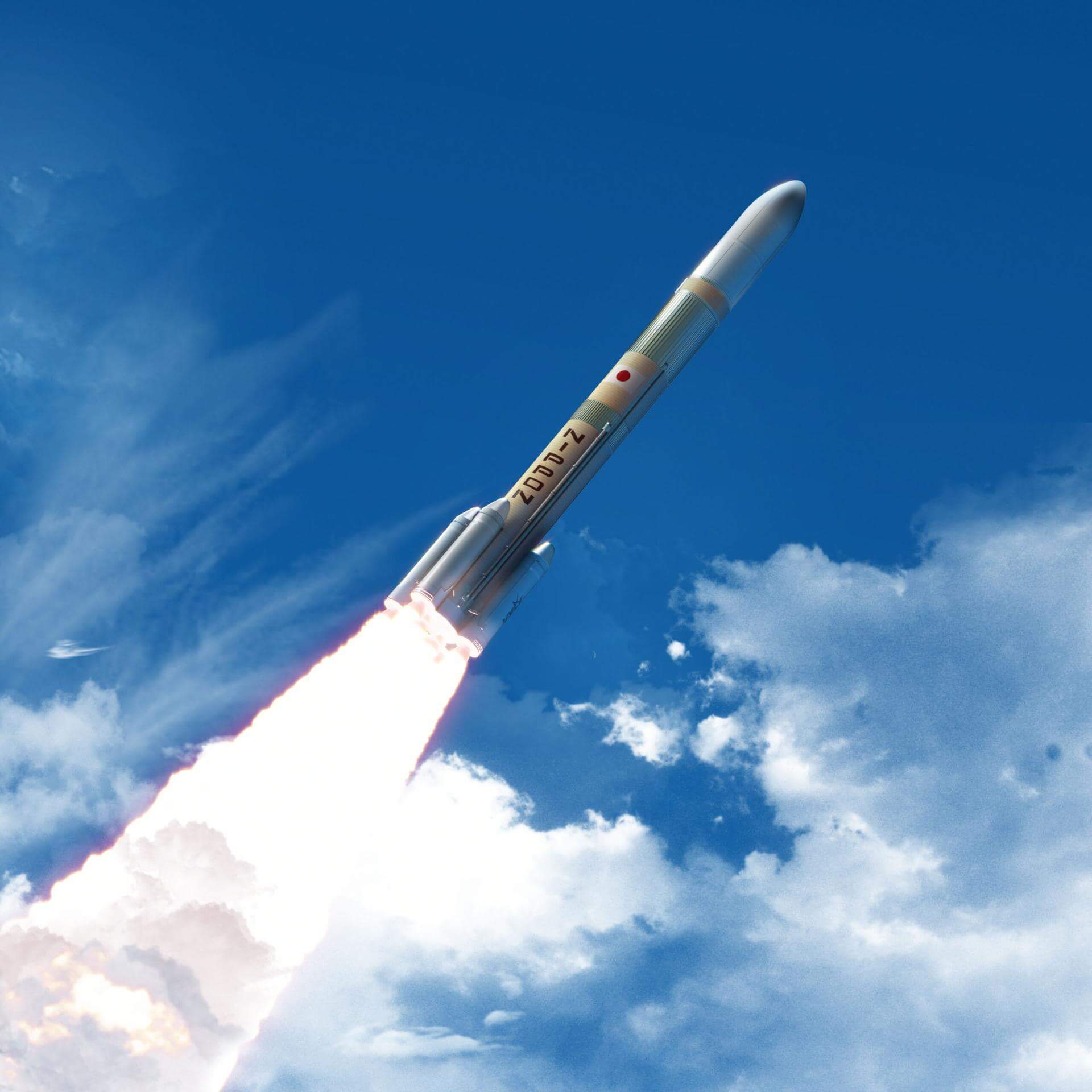
Today's Space Brief discusses significant military satellite launches, groundbreaking agreements for lunar nuclear power, and Italy's satellite strategy dilemma. Additionally, we cover the Dream Chaser's upcoming demonstration flight and new Pentagon contracts for rocket motor production.
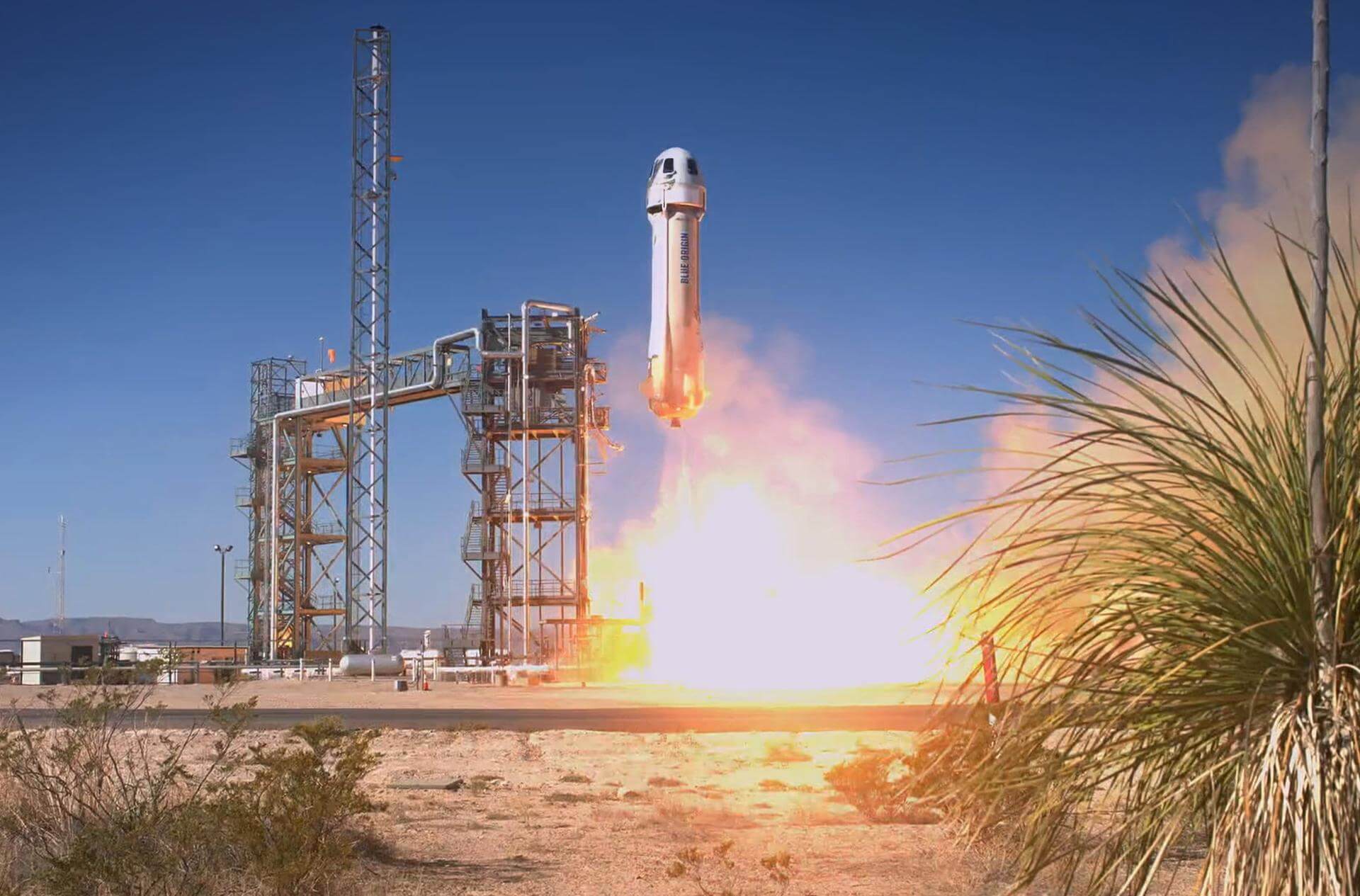
Today's highlights include multiple SpaceX Starlink launches, a successful Rocket Lab mission for JAXA, and a scheduled launch update from Kennedy Space Center.

SpaceX launches 25 Starlink satellites from Vandenberg after multiple weather delays. 20th Falcon 9 mission of 2026 features second-ever booster landing near The Bahamas.

York Space raises $629M in IPO to expand satellite manufacturing. NRO declassifies Cold War-era JUMPSEAT spy satellites. Lockheed to boost THAAD interceptor production from 96 to 400 per year.

SpaceX marks a successful launch of 21 Starlink satellites, follows up after Starship explosion, and influences Qantas flights amid a busy operational schedule.
Today's highlights include China's remote-sensing satellite launch, U.S. Space Force's investment in missile-tracking satellites, and NASA's MAVEN milestone on Mars.