


The Day a Car Started Its Journey to the Stars
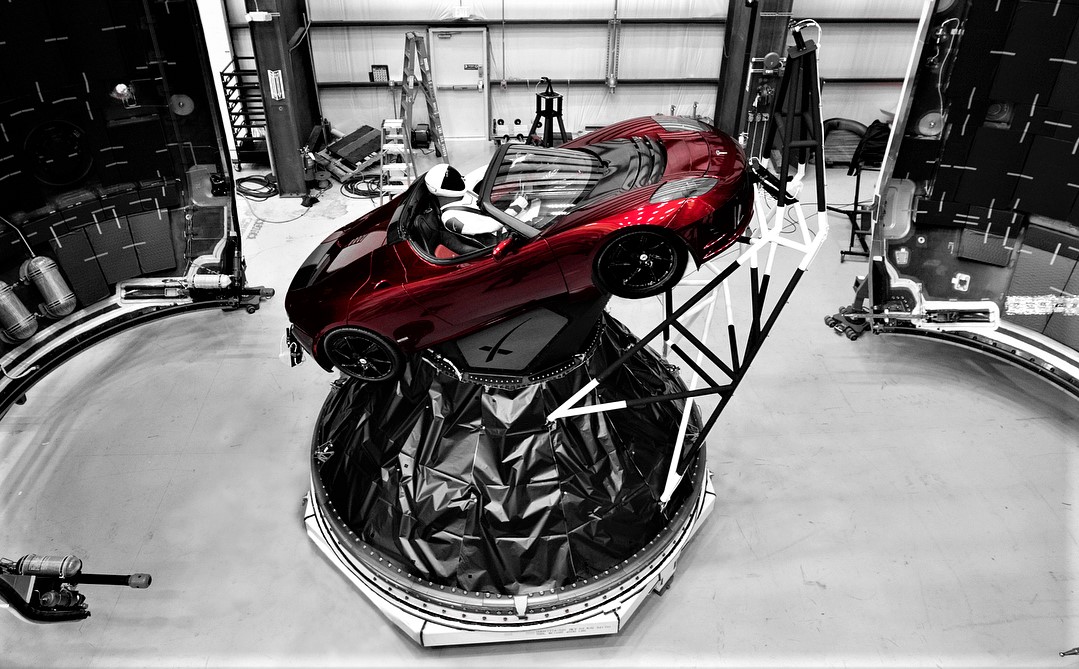
Seven years ago, SpaceX revolutionized spaceflight by launching the most powerful operational rocket in the world, carrying with it a cherry-red Tesla Roadster that captured global imagination


Launch Date
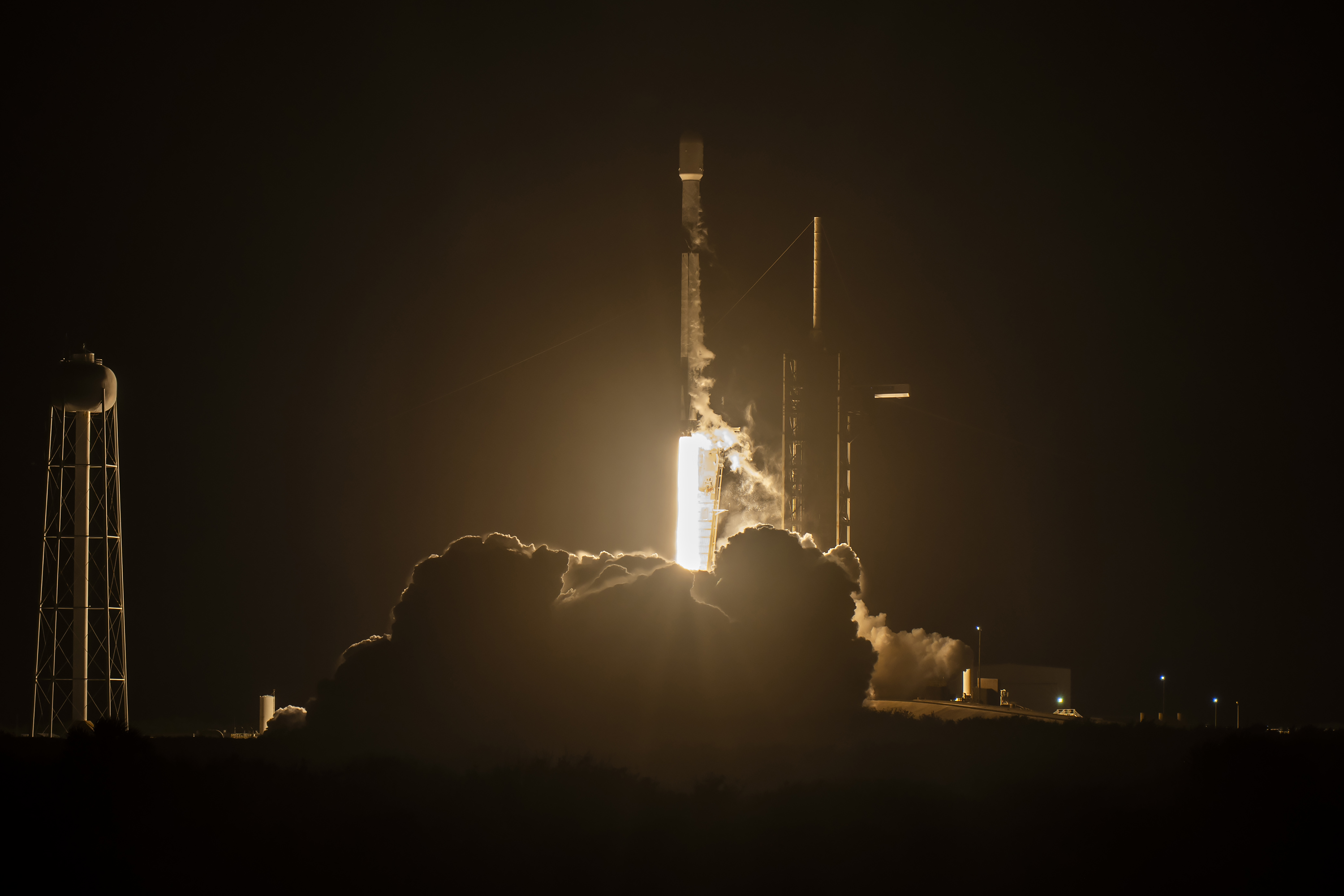
April 28, 2024
Launch Site
Launch Pad
LC39A
Launch Vehicle
NORAD ID
59598
International Designator
2024-079A
Epoch
Sun, 19 Jul 2026 09:03:08 GMT
Apogee
Calculating...
Perigee
Calculating...
Inclination
55.14°
Right Ascension
100.18°
Eccentricity
Calculating...
Argument of Perigee
337.11°
Period
844.70 min
Mean Motion
1.70 rev/day
Latitude
Calculating...
Longitude
Calculating...
Altitude
Calculating...
Velocity
Calculating...
Name
GSAT0225 (GALILEO 29)
Alternative Name
GalileoSat-29
Type
Status
Owner
EUSPA
Country
EU
Constellation
N/A
Related Satellites
Major Events
N/A
1 59598U 24079A 26200.37717925 -.00000037 00000+0 00000+0 0 9998
2 59598 55.1387 100.1800 0000435 337.1149 204.2884 01.70473943 13861
Source: Celestrak
Length
2.7
Diameter
1.6
Span
14.5
Dry Mass
660
Launch Mass
733
Shape
Box+2 pan
Radar Cross Section
Unknown
Visual Magnitude
Unknown
Color
Unknown
Material Composition
Unknown
Payload
Galileo FOC FM25
Purpose
Navigation
Mission
Navigation
Manufacturer
OHB
Life Expectancy
+12 years
Bus
Galileo
Configuration
SmartMEO
Motor
AOCS
Equipment
Galileo Navigation payload, MEO SAR
Power System
2 deployable solar arrays, batteries
ADCS
Unknown
Transmitter Frequency
Unknown
Learn more about satellites and other related topics.
Seven years ago, SpaceX revolutionized spaceflight by launching the most powerful operational rocket in the world, carrying with it a cherry-red Tesla Roadster that captured global imagination
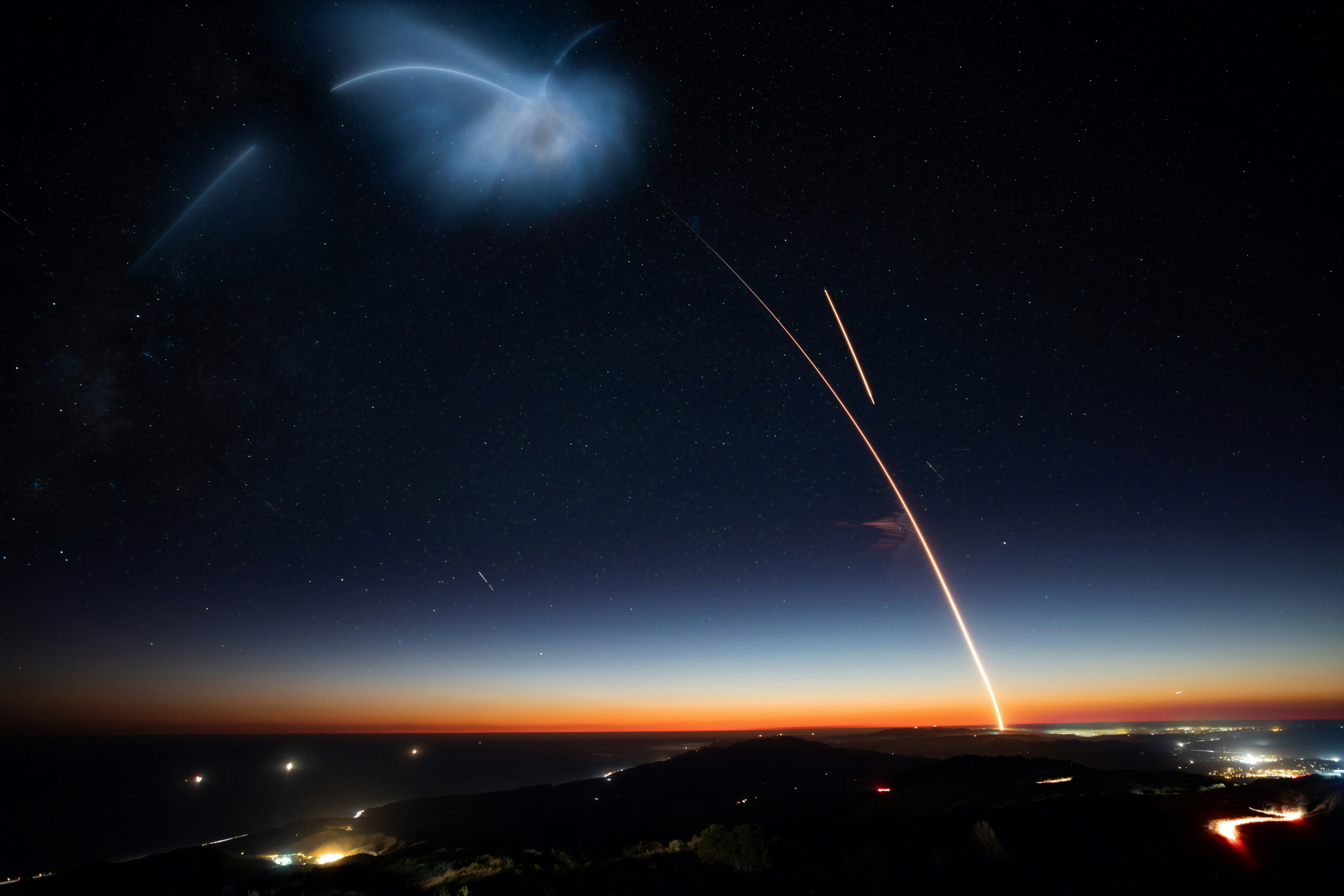
SpaceX successfully launched 28 more Starlink satellites from Cape Canaveral, marking another milestone in its satellite constellation expansion.
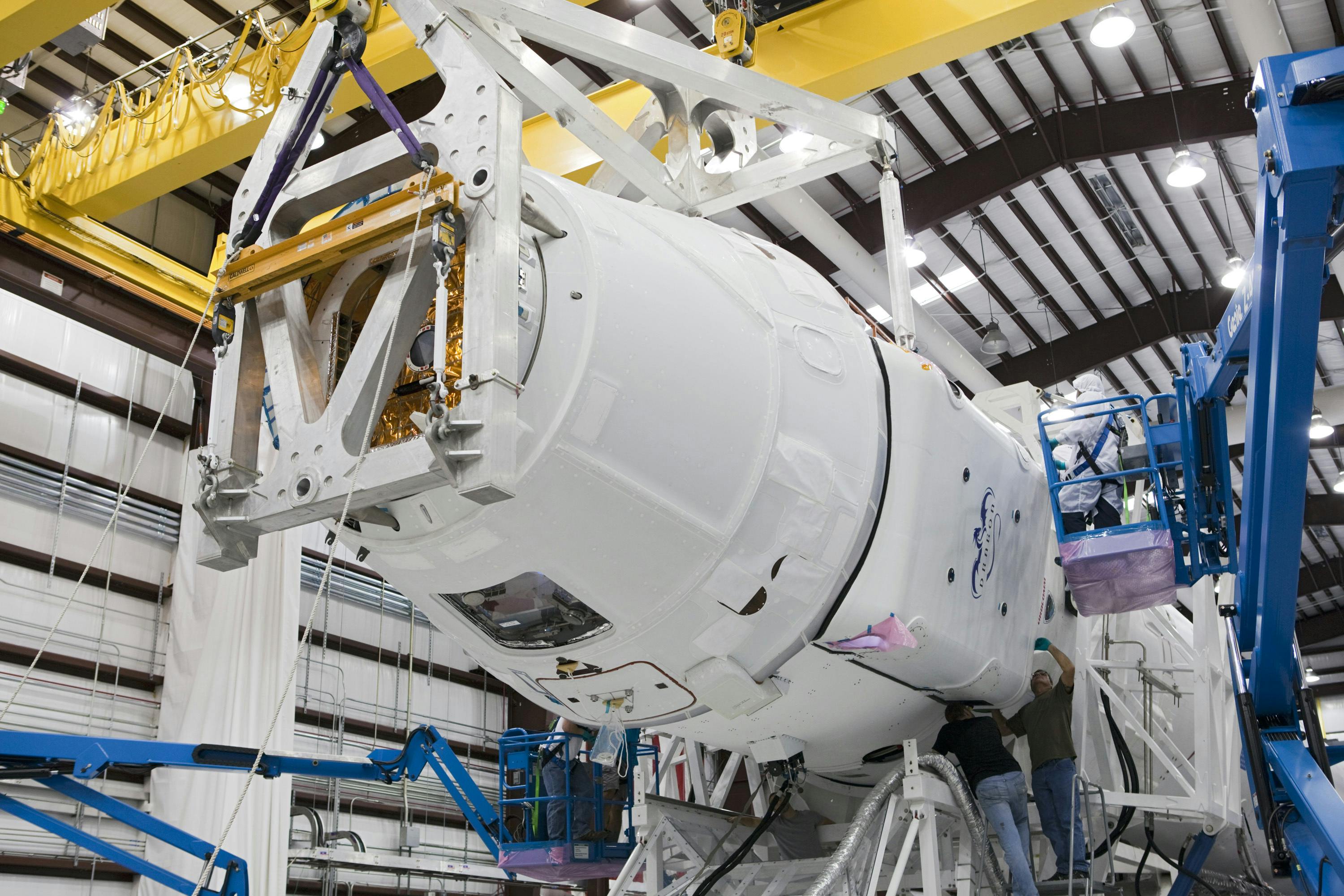
SpaceX has completed the investigation into Starship Flight 7, announcing causes ahead of the next planned launch, while numerous missions are lined up for launch this week.

SpaceX postpones Starship Flight 8, successfully launches Starlink satellites and two lunar missions.

SpaceX engineers are overhauling Starbase launch infrastructure for Block 3 Starships as Falcon 9 prepares another Starlink batch run.

On April 22, 2026, the FAA published a final rule implementing per-launch user fees for commercial space transportation — the first time the U.S. government has charged payload-based fees for rocket launches. Starting at 25 cents per pound with a $30,000 cap, the fees are modest today. By 2033, they won't be.

SpaceX achieves a significant milestone with over 10,000 satellites launched, the West Coast welcomes Falcon Heavy launches, and developments around Artemis 3 prompt competitive discourse.

Space Force modernization stalls over workforce gaps. Deutsche Telekom targets 2028 for Starlink Mobile V2 across 10 EU nations. Iran ops strain US munition stocks.