



Space Brief 29 Mar 2025
Key military and technology developments in space; US Space Force and Army strategize national security with new rocket certifications and space training initiatives.



Launch Date
April 23, 2024
Launch Site
Launch Pad
LC40
Launch Vehicle
NORAD ID
59572
International Designator
2024-076J
Epoch
Sun, 19 Jul 2026 18:35:32 GMT
Apogee
Calculating...
Perigee
Calculating...
Inclination
43.01°
Right Ascension
336.09°
Eccentricity
Calculating...
Argument of Perigee
272.18°
Period
94.27 min
Mean Motion
15.28 rev/day
Latitude
Calculating...
Longitude
Calculating...
Altitude
Calculating...
Velocity
Calculating...
Name
STARLINK-31666
Alternative Name
Starlink 31666
Type
Status
Owner
SPXS
Country
United States
Constellation
N/A
Related Satellites
Major Events
N/A
1 59572U 24076J 26200.77468374 .00000636 00000+0 32642-4 0 9998
2 59572 43.0052 336.0867 0001757 272.1773 87.8877 15.27577663126784
Source: Celestrak
Length
0.3
Diameter
4.1
Span
29
Dry Mass
700
Launch Mass
730
Shape
Box + pan
Radar Cross Section
Unknown
Visual Magnitude
Unknown
Color
Unknown
Material Composition
Unknown
Payload
Starlink Group 6-53-09
Purpose
Communication
Mission
Communication
Manufacturer
SPXS
Life Expectancy
Unknown
Bus
Starlink V2M
Configuration
Starlink v2 Mini
Motor
Argon ion thrusters
Equipment
Ku/Ka/E-band payload, optical inter-satellite link
Power System
Solar arrays, batteries
ADCS
Unknown
Transmitter Frequency
Unknown
Learn more about satellites and other related topics.
Key military and technology developments in space; US Space Force and Army strategize national security with new rocket certifications and space training initiatives.
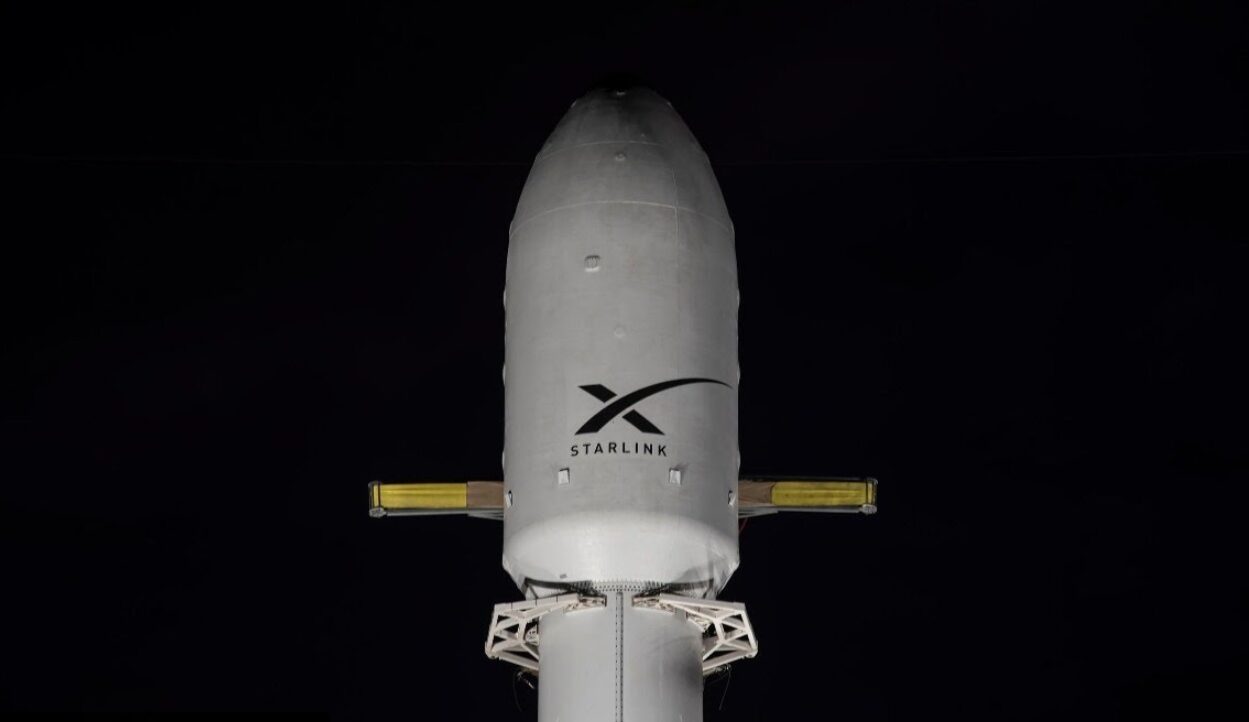
NASA terminated Draper's commercial lunar lander after development delays. Meanwhile, Skyroot Aerospace's Vikram-1 became India's first commercial rocket to reach orbit on July 18.

Today's edition covers SpaceX scrubbing and successfully launching Starlink satellites, AI innovations in spacecraft propulsion, and the impact of SPHERE's debris disk survey in discovering hidden asteroid belts.
Key developments in space today include significant satellite launches, advancements in space technology, and an exciting crewed suborbital flight. Highlights cover China's satellite internet progress, a promising innovation for solar cells, and recent SpaceX and Blue Origin activities.

In today's briefing: China accelerates its satellite megaconstellation. A comprehensive ESA-led optical data network is in the works, marking a key step in satellite communications. NASA's Artemis II crew visits Ohio in preparation for their lunar journey. SpaceX's record-breaking rocket launches continue. Plus, insights into nuclear rockets that could drastically shorten Mars missions.
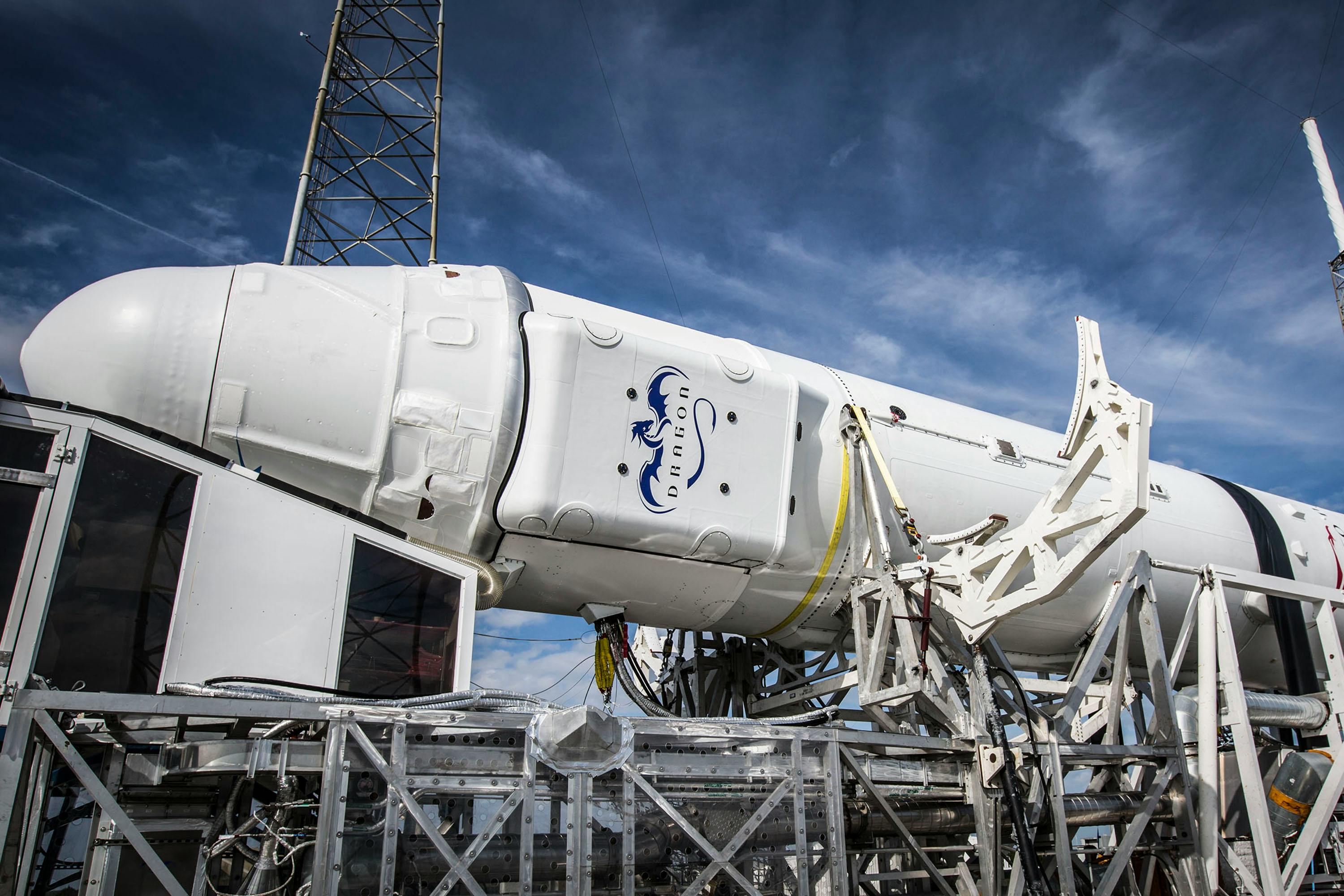
A second Starlink satellite malfunction in just over three months has generated on-orbit debris, raising fresh questions about SpaceX's 10,151-strong working constellation.
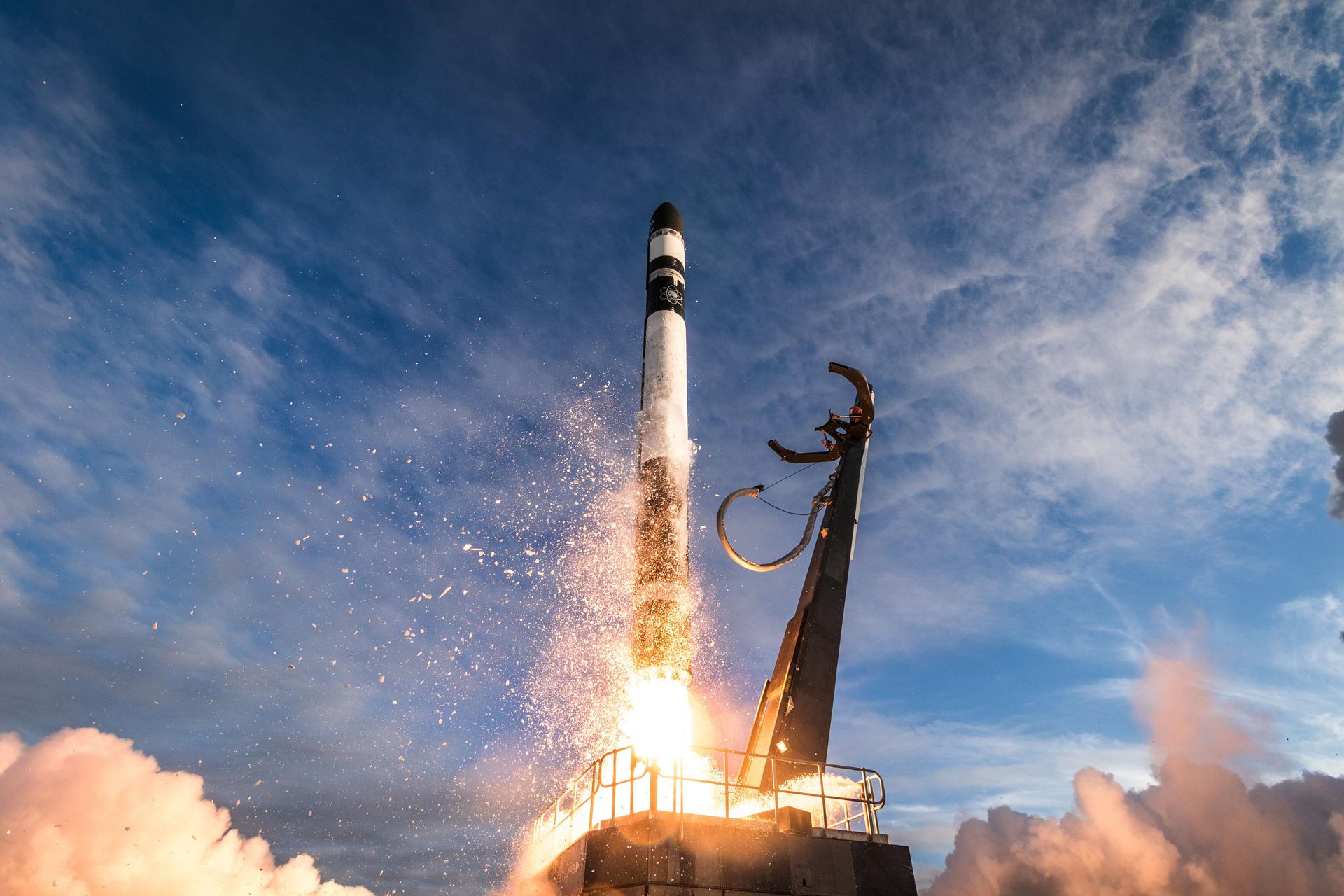
Discover today's fascinating space events, from exceptional aurora displays to potential exomoon formations, alongside intriguing satellite insights.

Space Force contracts Viasat and SES for $437M Protected Tactical Satcom-Global program. Four new GEO satellites replace vulnerable single-satellite systems.