


X Report 19 Nov 2024
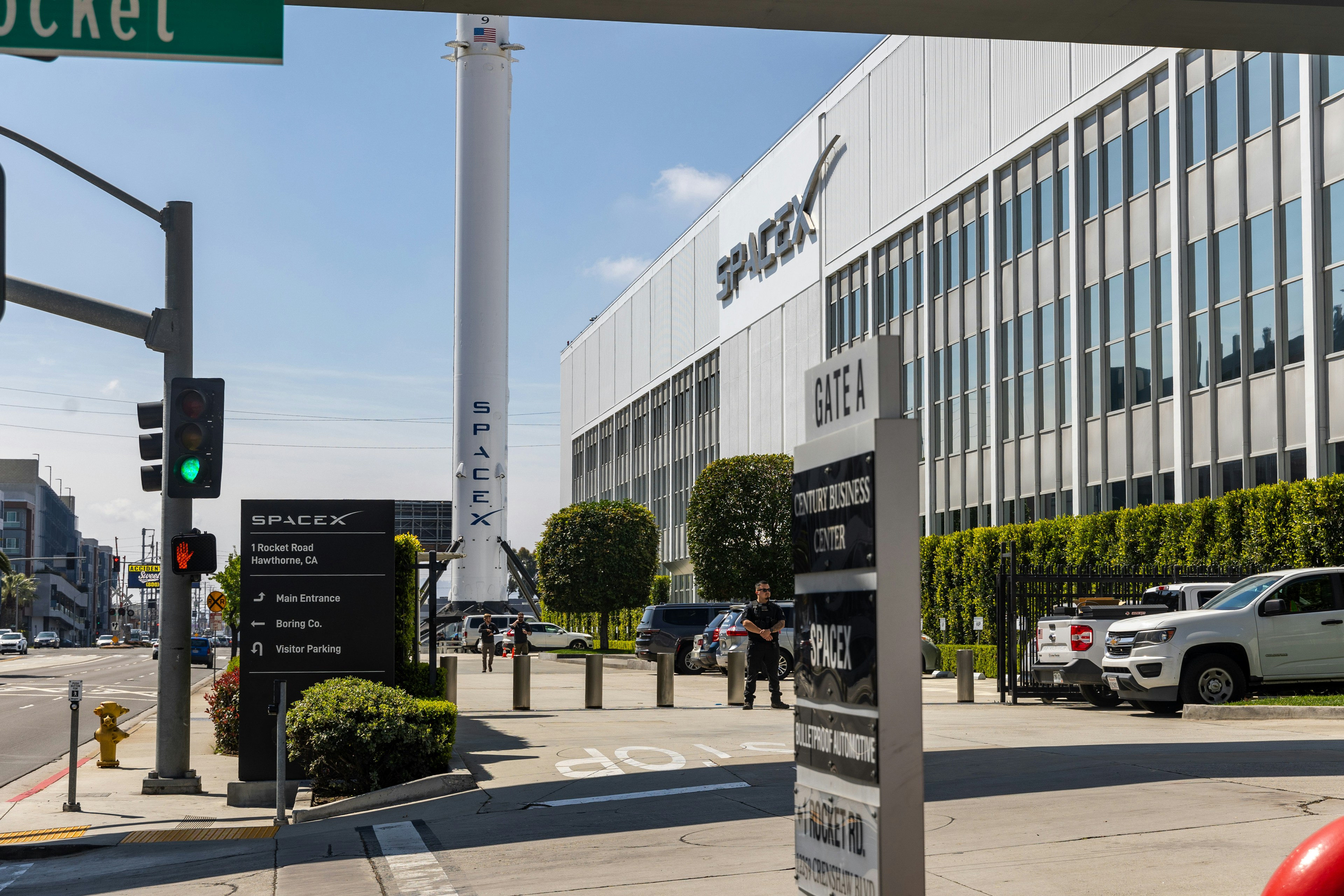
Starship Flight 6 approaches with a daring booster catch, while SpaceX ramps up satellite launches and navigates regulatory challenges.



Launch Date
April 18, 2024
Launch Site
Launch Pad
LC40
Launch Vehicle
NORAD ID
59548
International Designator
2024-074Q
Epoch
Sun, 19 Jul 2026 18:05:27 GMT
Apogee
Calculating...
Perigee
Calculating...
Inclination
43.00°
Right Ascension
317.54°
Eccentricity
Calculating...
Argument of Perigee
277.99°
Period
94.27 min
Mean Motion
15.28 rev/day
Latitude
Calculating...
Longitude
Calculating...
Altitude
Calculating...
Velocity
Calculating...
Name
STARLINK-31675
Alternative Name
Starlink 31675
Type
Status
Owner
SPXS
Country
United States
Constellation
N/A
Related Satellites
Major Events
N/A
1 59548U 24074Q 26200.75379416 -.00003573 00000+0 -12044-3 0 9993
2 59548 43.0002 317.5380 0001358 277.9862 82.0835 15.27563969126218
Source: Celestrak
Length
0.3
Diameter
4.1
Span
29
Dry Mass
700
Launch Mass
730
Shape
Box + pan
Radar Cross Section
Unknown
Visual Magnitude
Unknown
Color
Unknown
Material Composition
Unknown
Payload
Starlink Group 6-52-15
Purpose
Communication
Mission
Communication
Manufacturer
SPXS
Life Expectancy
Unknown
Bus
Starlink V2M
Configuration
Starlink v2 Mini
Motor
Argon ion thrusters
Equipment
Ku/Ka/E-band payload, optical inter-satellite link
Power System
Solar arrays, batteries
ADCS
Unknown
Transmitter Frequency
Unknown
Learn more about satellites and other related topics.
Starship Flight 6 approaches with a daring booster catch, while SpaceX ramps up satellite launches and navigates regulatory challenges.
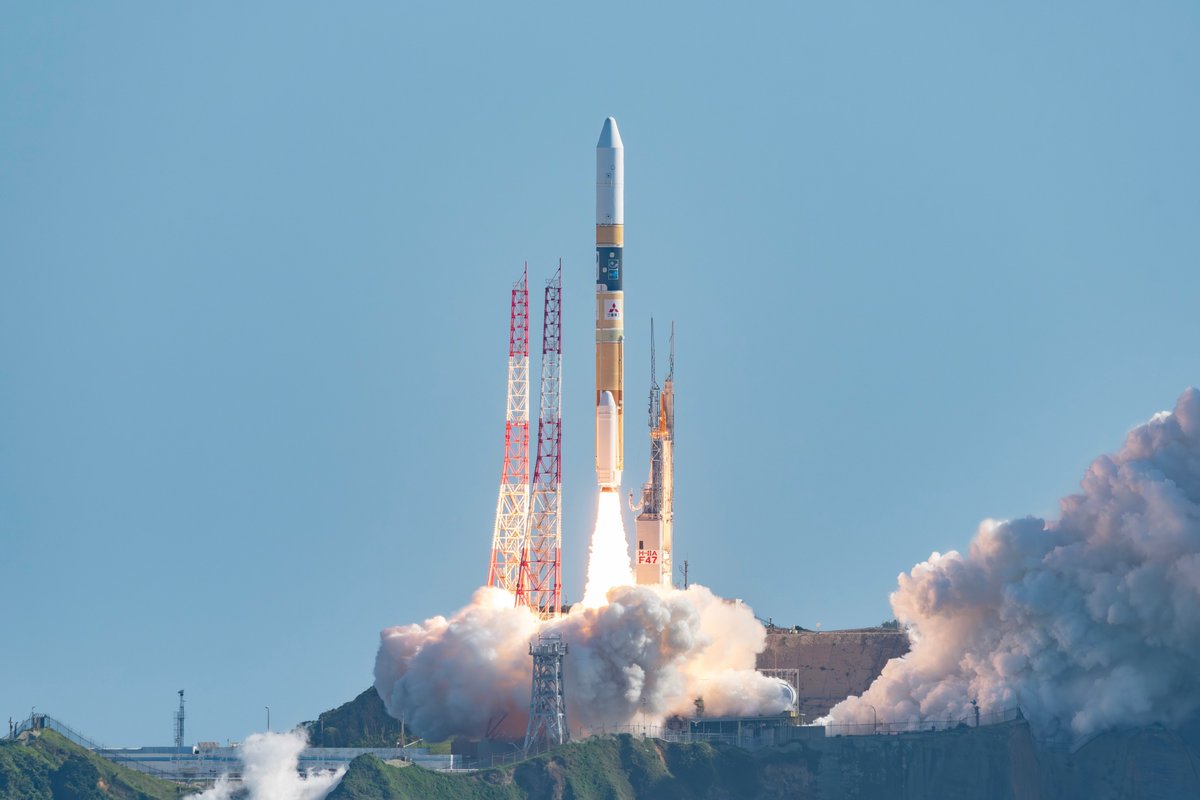
Today's update covers NASA's Ax-4 mission preparations, ESA's satellite imaging program, Ursa Major's military contract, and China's expanding nuclear arsenal.
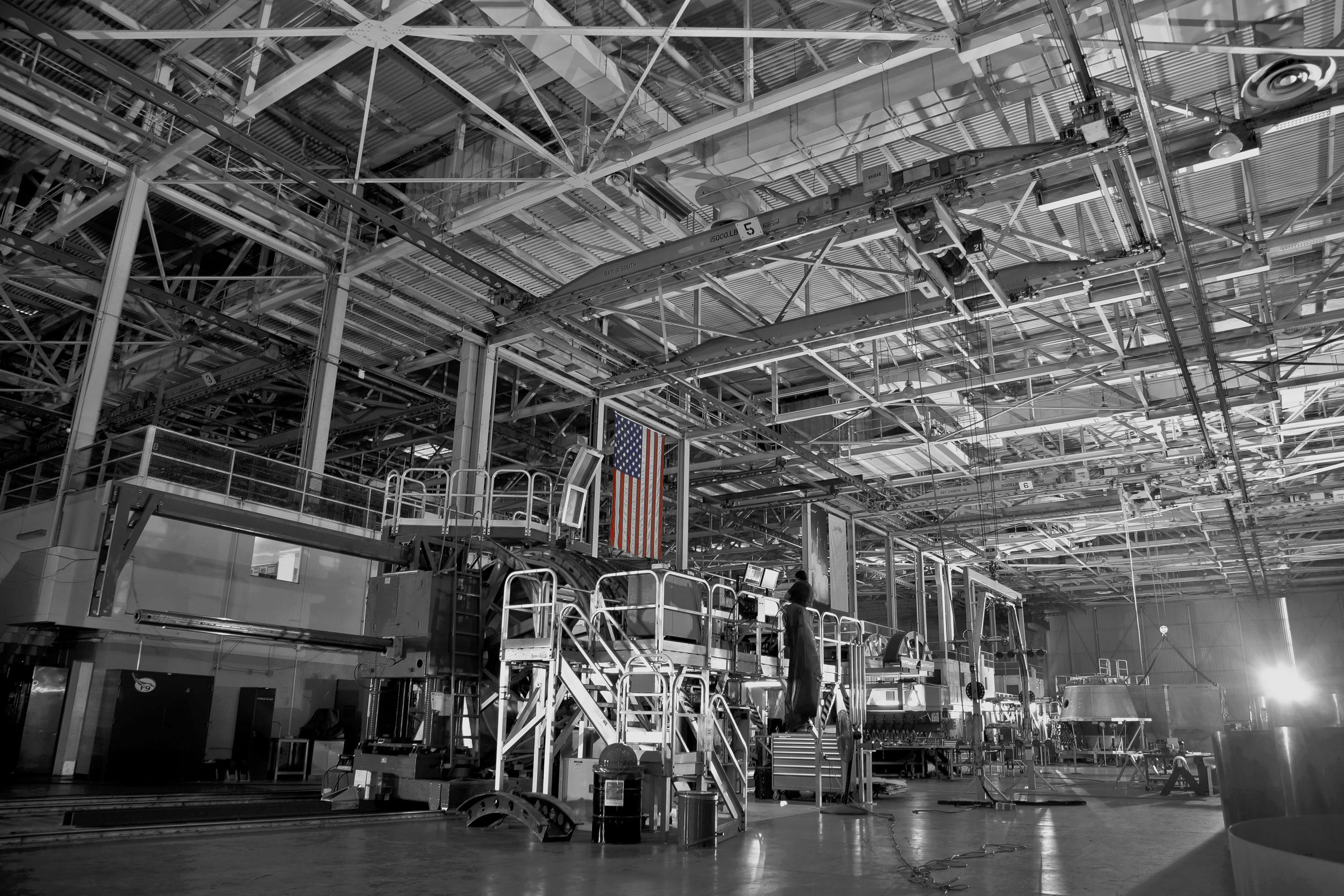
SpaceX launched 25 more Starlink satellites from Vandenberg SFB on March 8, 2026, pushing the active constellation toward 9,914 working spacecraft.

Today's Space Brief covers significant satellite launches by SpaceX, an automated collision avoidance system development, Rocket Lab's strategic acquisition, and the rise of corporate-named satellites in orbit.
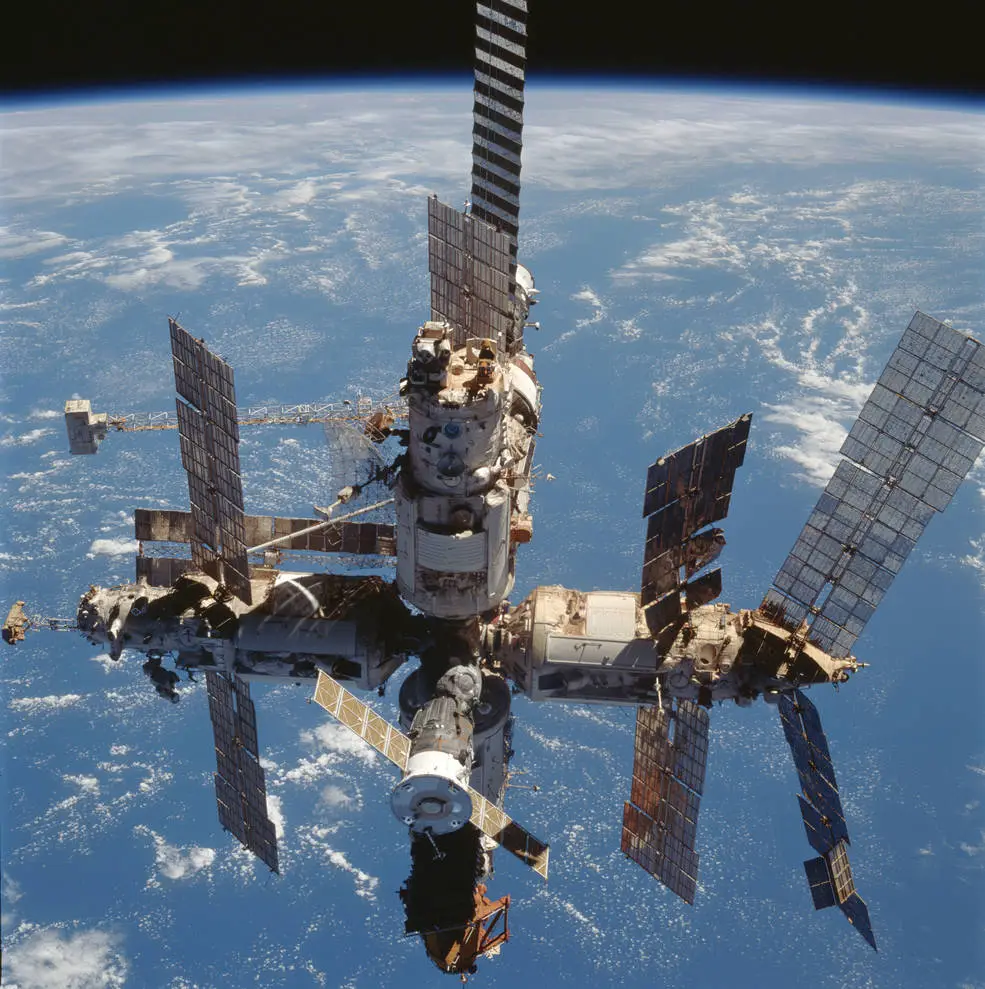
Thirty-nine years ago, a Proton rocket carried the core of the Mir space station into orbit, launching an unprecedented era of continuous human presence in space and international cooperation
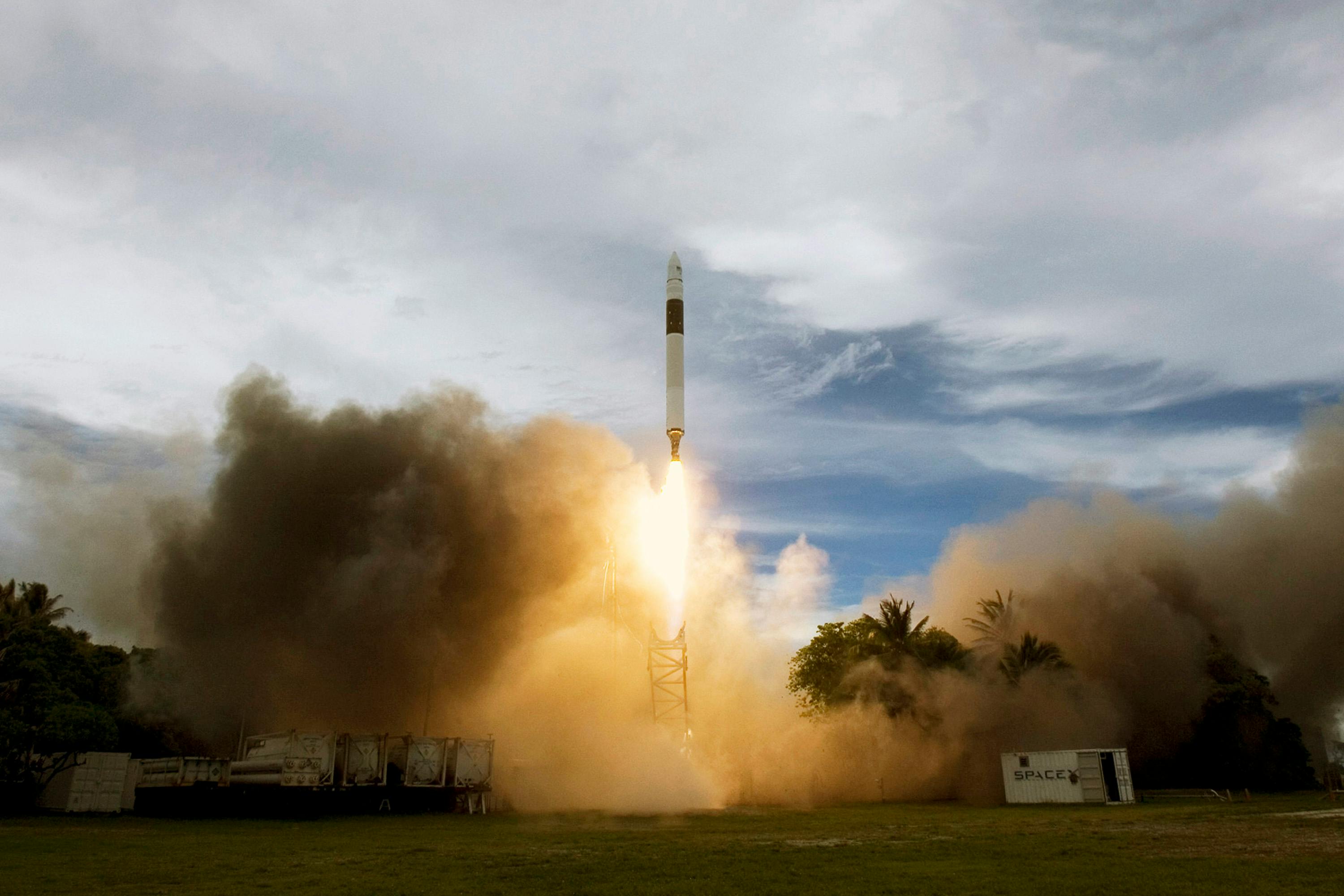
SpaceX number of launches in 2025: a record 165 orbital flights. Starlink added 4.6M customers across 35 new markets; new Vandenberg pad offered.
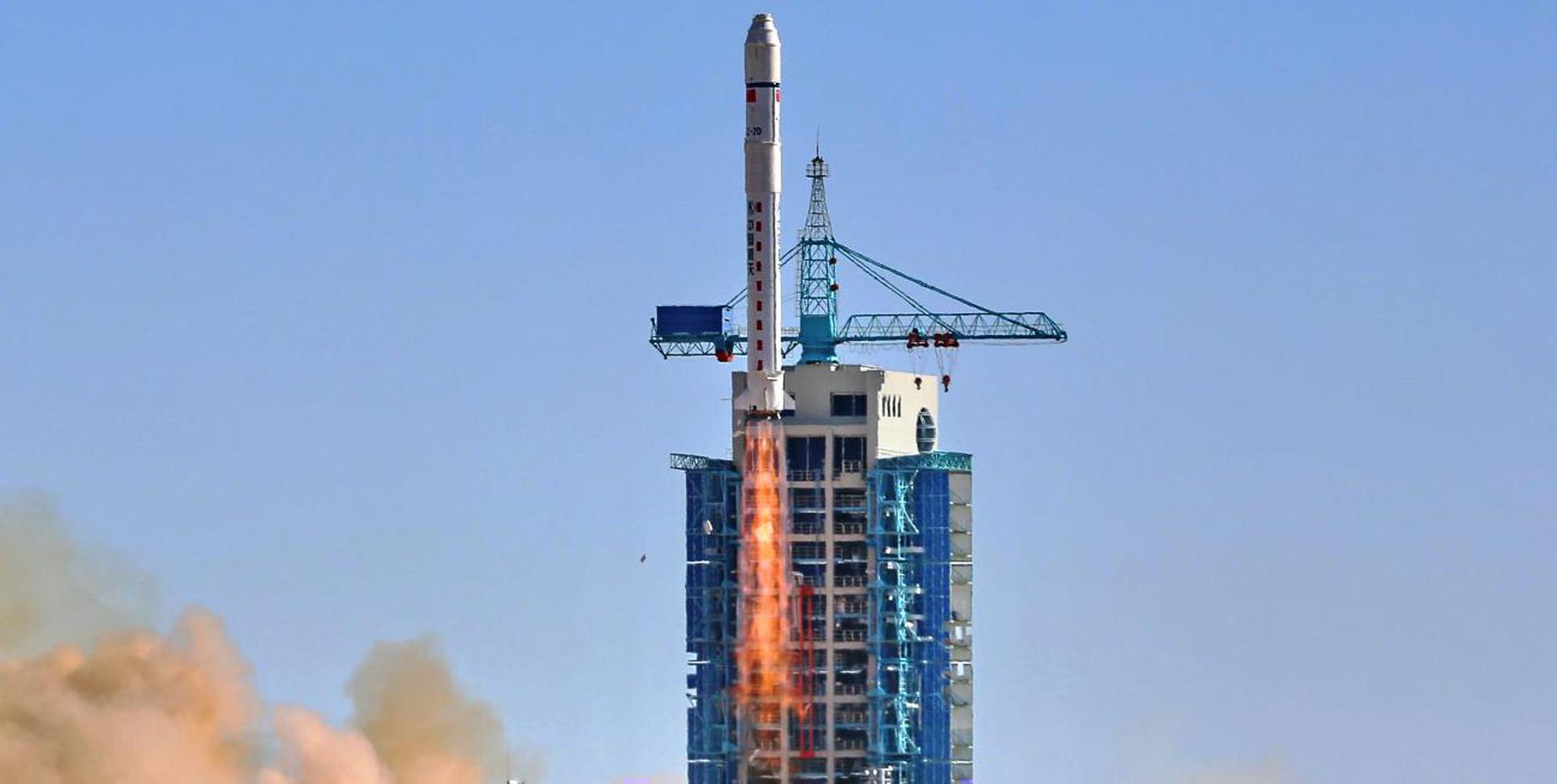
Today's highlights include SpaceX's Starlink launch, NASA's revived lunar mission, and a spotlight on space-defense activities.
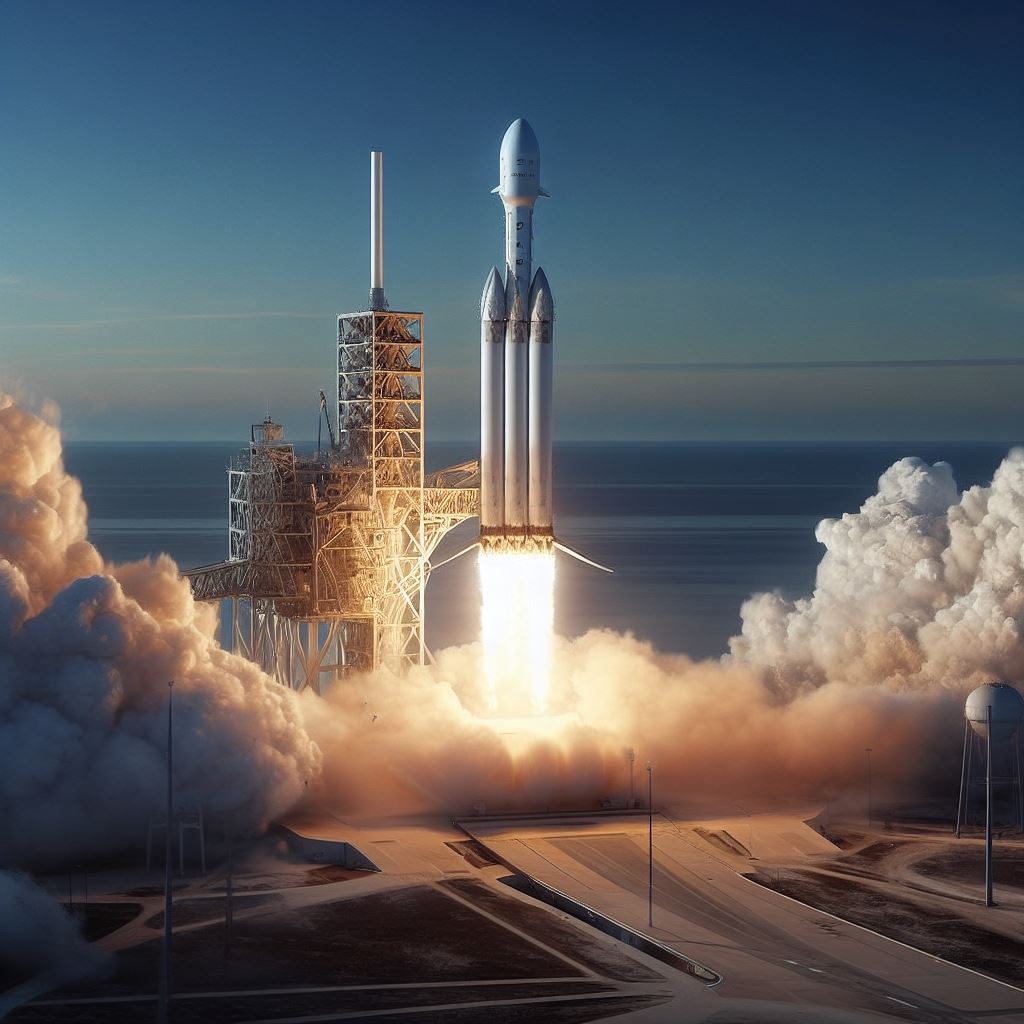
Polaris Dawn's upcoming commercial spacewalk, successful lunar orbit by Chinese spacecraft, and more space news including SpaceX's Starlink mission, RFA's static-fire failure, and advances in satellite technology.