STARLINK-31452 (59527)

COSPAR: 2024-073S | Alt Name: Starlink 31452

Image
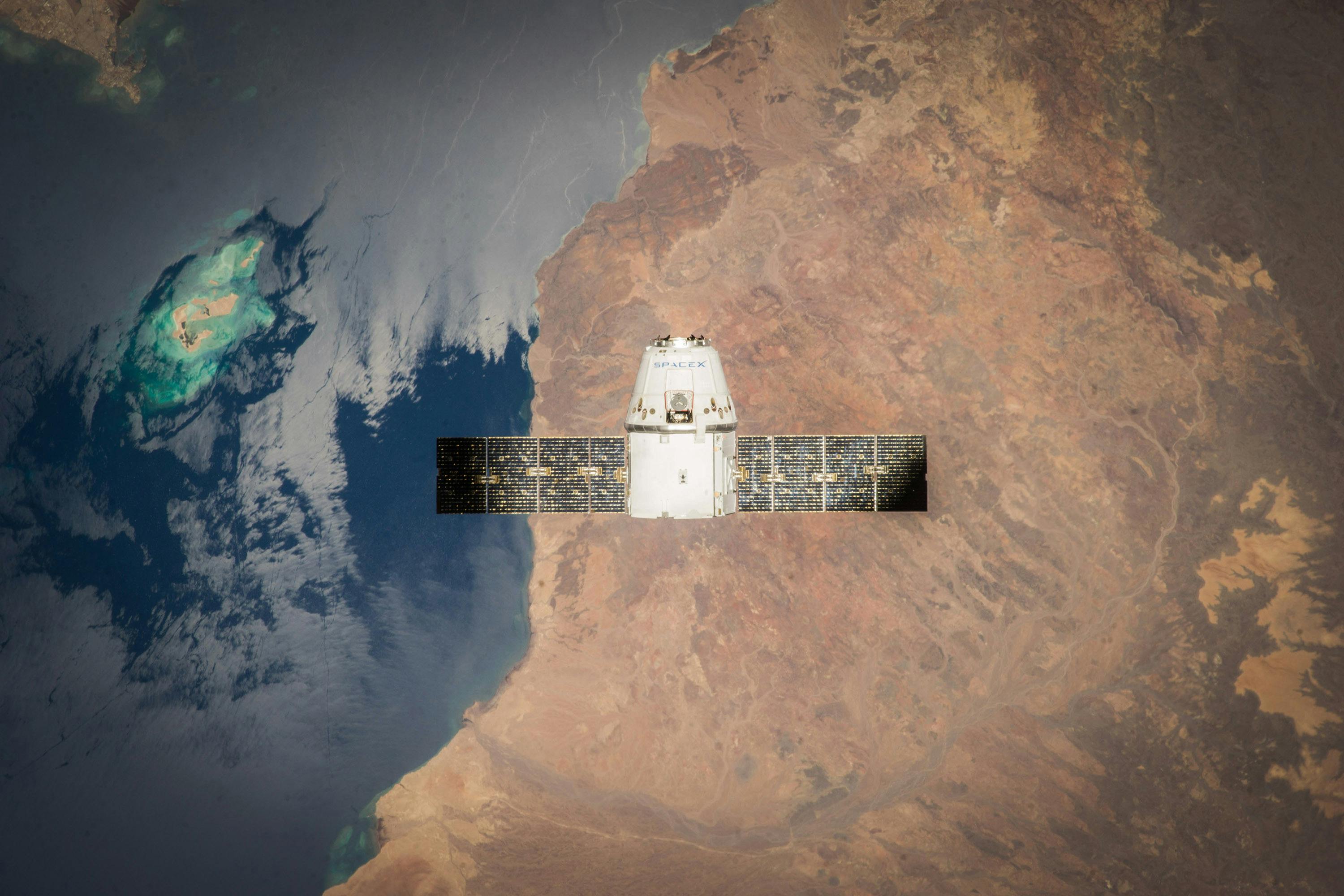
STARLINK-31452 Satellite Image
Additional Sources
Launch Details

Launch Date

April 17, 2024

Launch Pad

LC39A

Launch Vehicle

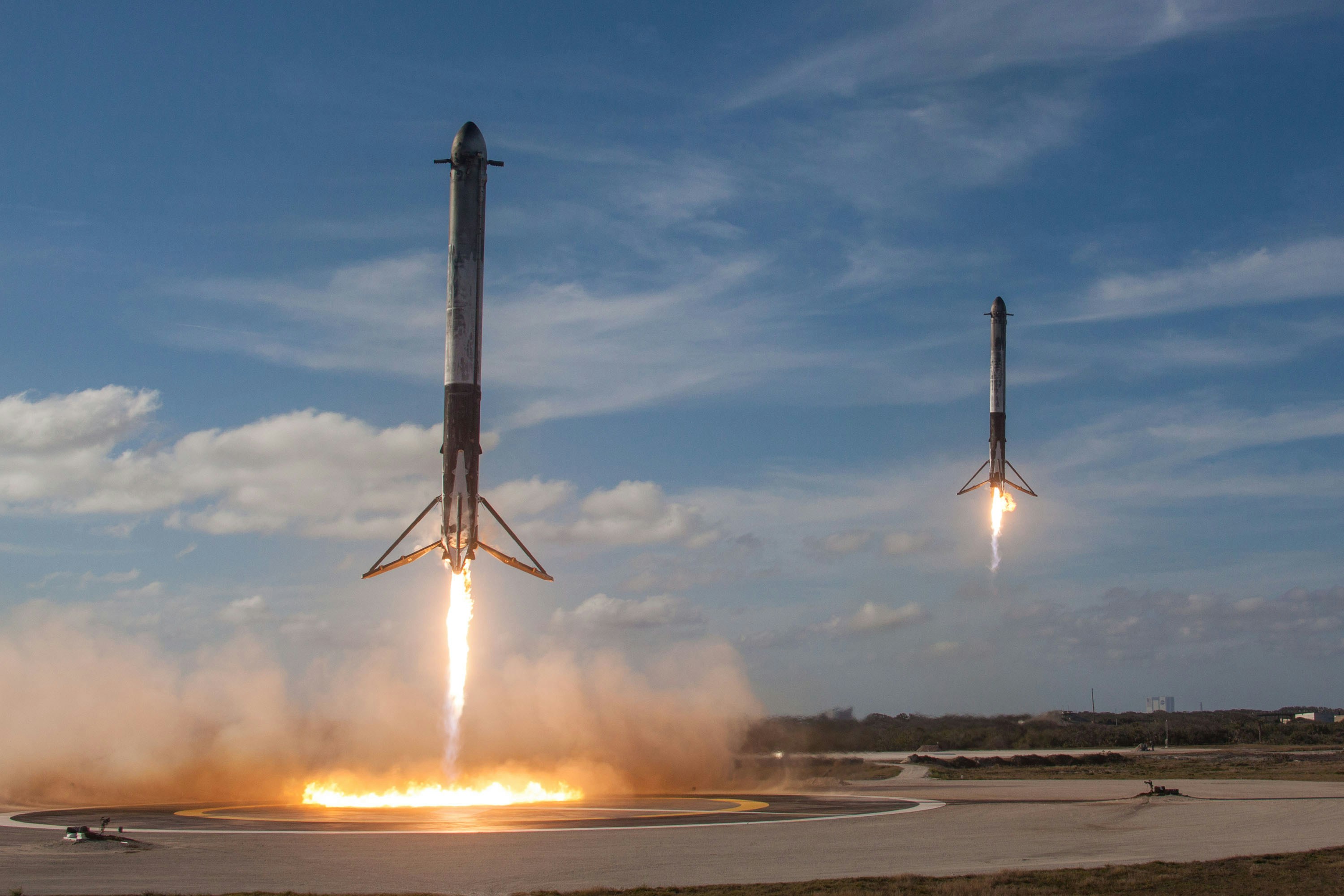
Falcon 9

Orbital Elements

NORAD ID

59527

International Designator

2024-073S

Epoch

Sun, 19 Jul 2026 06:08:15 GMT

Apogee

Calculating...

Perigee

Calculating...

Inclination

43.00°

Right Ascension

295.29°

Eccentricity

Calculating...

Argument of Perigee

267.61°

Period

94.27 min

Mean Motion

15.28 rev/day

Latitude

Calculating...

Longitude

Calculating...

Altitude

Calculating...

Velocity

Calculating...

Polar Plot
3D Visualization
Basic Satellite Info

Name

STARLINK-31452

Alternative Name

Starlink 31452

Type

Payload

Status

Operational

Owner

SPXS

Country

United States

Constellation

N/A

Related Satellites

Major Events

N/A

Latest TLEs
1 59527U 24073S   26200.25573765 -.00000062  00000+0  72770-5 0  9990
2 59527  43.0039 295.2852 0001384 267.6081  92.4612 15.27574252126292

Source: Celestrak

Summary
The Starlink-31452 satellite, also known as STARLINK-31452, is a communication satellite belonging to SpaceX (SPXS). It was launched on April 17, 2024, from Launch Complex 39A at Kennedy Space Center using a Falcon 9 launch vehicle. The spacecraft has a configuration of Starlink v2 Mini and measures 0.3 meters in length with a diameter of 4.1 meters and spans 29 meters when its components are extended. It weighs approximately 730 kilograms at launch, with a dry mass of 700 kilograms. Equipped with Ku/Ka/E-band payload for communication and an optical inter-satellite link, the satellite uses solar arrays and batteries for power. Its propulsion is provided by Argon ion thrusters, enabling it to maintain its orbit effectively. The mission aims to enhance global communication services as part of SpaceX's Starlink constellation program.

Starlink is a satellite constellation developed by SpaceX with the aim of providing global broadband internet coverage. Thousands of small satellites are deployed in low Earth orbit (LEO), enabling high-speed internet access even in remote areas. However, the rapid increase in satellites raises concerns about space debris and the potential for collisions, which can lead to further debris creation and endanger other spacecraft. Additionally, the sheer number of Starlink satellites can affect astronomical observations by increasing light pollution. Proper deorbiting plans and international coordination are essential to mitigate these challenges and ensure long-term sustainability in space.
Physical Characteristics

Length

0.3

Diameter

4.1

Span

29

Dry Mass

700

Launch Mass

730

Shape

Box + pan

Radar Cross Section

Unknown

Visual Magnitude

Unknown

Color

Unknown

Material Composition

Unknown

Technical Details

Payload

Starlink Group 6-51-17

Purpose

Communication

Mission

Communication

Manufacturer

SPXS

Life Expectancy

Unknown

Bus

Starlink V2M

Configuration

Starlink v2 Mini

Motor

Argon ion thrusters

Equipment

Ku/Ka/E-band payload, optical inter-satellite link

Power System

Solar arrays, batteries

ADCS

Unknown

Transmitter Frequency

Unknown

Map
This tool will help you track the satellite's position and predict its upcoming passes over your location. Simply input the coordinates or click the geolocation button to get started.
Next Pass
Azimuth Elevation Time (Local)
Start Azimuth
Max Elevation
Stop Azimuth
Time Until
Pass Duration

Satellite Articles

View All Posts »

Learn more about satellites and other related topics.

Vulcan GEM 63XL Passes Static Fire; February Anomaly Still Under Investigation | KeepTrack Space Brief

Vulcan GEM 63XL Passes Static Fire; February Anomaly Still Under Investigation | KeepTrack Space Brief

Northrop Grumman's GEM 63XL solid rocket booster passed static fire testing, but ULA's investigation into a February 2026 Vulcan in-flight anomaly remains open. No RTF date set.


STS-51B | Three-Tenths of a Second from Disaster

STS-51B | Three-Tenths of a Second from Disaster

Forty years ago today, Challenger lifted off LC-39A on a science mission that nobody outside Morton-Thiokol would call dangerous. Years later, after the orbiter and seven other astronauts were gone, investigators looked at the recovered boosters from STS-51B and realized the crew had come within a fraction of a second of dying first. This is the story of the launch that should have been a warning.

Space Brief 27 Jul 2025

Space Brief 27 Jul 2025

Busy activities in space: SpaceX's series of Starlink launches dominate the week, while Vega C successfully deploys Earth science satellites.

X Report 31 Aug 2025

X Report 31 Aug 2025

SpaceX successfully launched its ninth Starlink mission of the month, boosting broadband coverage with additional satellites deployed from both coasts. The latest missions underscore the company's commitment to expanding global internet access.

Space Brief 17 Dec 2025

Space Brief 17 Dec 2025

Today's stories cover Rocket Lab's innovative DiskSat launch, Digantara's expansion to missile defense, and DARPA's satellite surveillance network expansion, among other updates in military and satellite technology.

X Report 29 May 2025

X Report 29 May 2025

SpaceX made strides in both Starship and Starlink missions this week, launching another round of satellites while concurrently testing their Starship capabilities amidst challenges.

The Day Columbia's Crew Shared Their Vision of Peace

The Day Columbia's Crew Shared Their Vision of Peace

Twenty-two years ago, the crew of Space Shuttle Columbia awakened to John Lennon's 'Imagine' and shared a profound message about unity and peace that would become part of their enduring legacy

SpaceX Plans Seven Rocket Launches From Six Global Sites This Week | KeepTrack X Report

SpaceX Plans Seven Rocket Launches From Six Global Sites This Week | KeepTrack X Report

SpaceX targets seven rocket launches from six global sites this week including two Falcon 9 missions from California. 29 Starlink satellites successfully deployed from Cape Canaveral on January 18.