


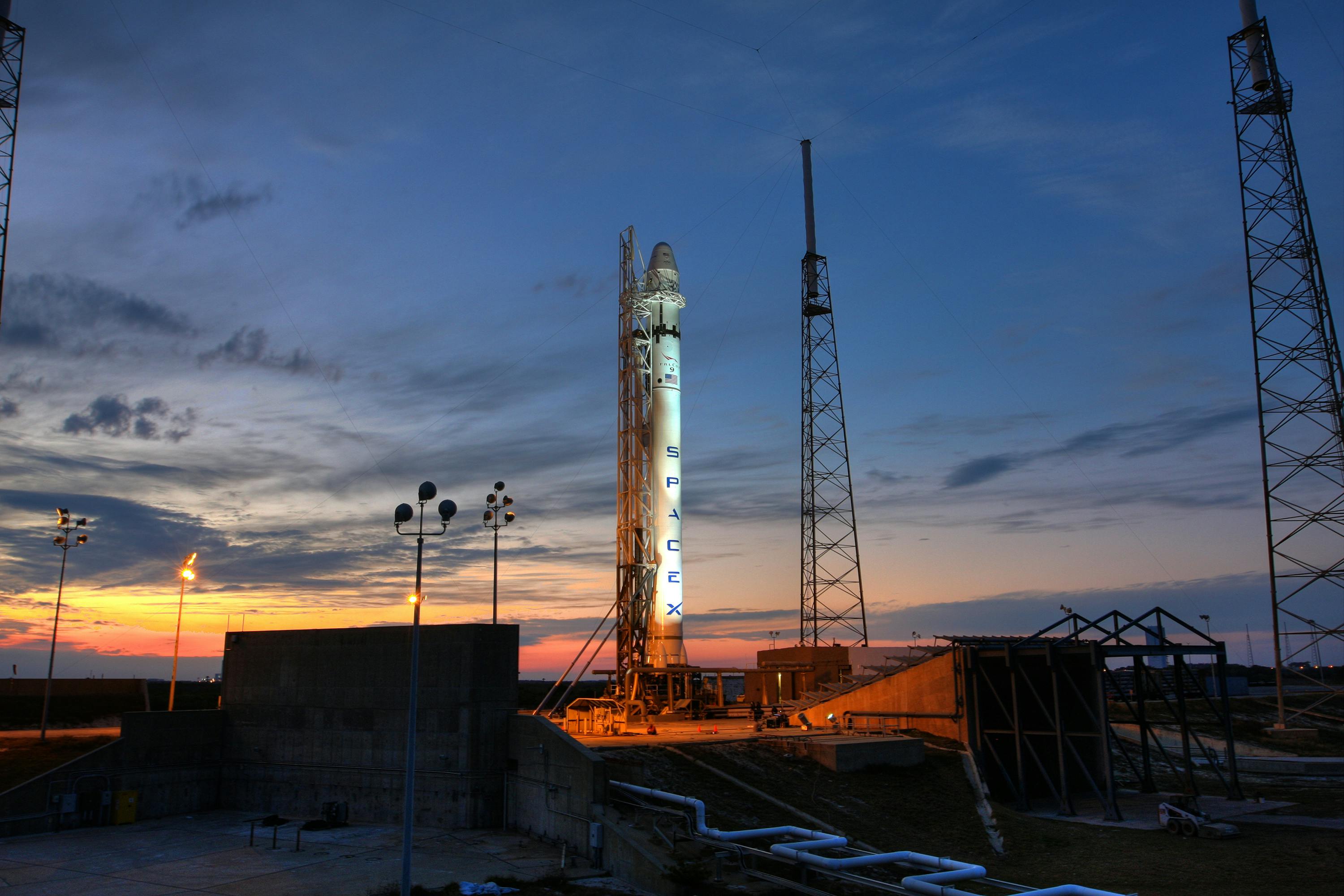
X Report 9 Nov 2024
SpaceX successfully launches a new batch of Starlink satellites, while Viasat seeks LEO capacity amid rising competition.



Launch Date
April 17, 2024
Launch Site
Launch Pad
LC39A
Launch Vehicle
NORAD ID
59522
International Designator
2024-073M
Epoch
Mon, 20 Jul 2026 04:50:21 GMT
Apogee
Calculating...
Perigee
Calculating...
Inclination
43.00°
Right Ascension
271.89°
Eccentricity
Calculating...
Argument of Perigee
273.83°
Period
94.27 min
Mean Motion
15.28 rev/day
Latitude
Calculating...
Longitude
Calculating...
Altitude
Calculating...
Velocity
Calculating...
Name
STARLINK-31453
Alternative Name
Starlink 31453
Type
Status
Owner
SPXS
Country
United States
Constellation
N/A
Related Satellites
Major Events
N/A
1 59522U 24073M 26201.20163927 .00006506 00000+0 24570-3 0 9997
2 59522 42.9998 271.8868 0002067 273.8280 86.2335 15.27583331126645
Source: Celestrak
Length
0.3
Diameter
4.1
Span
29
Dry Mass
700
Launch Mass
730
Shape
Box + pan
Radar Cross Section
Unknown
Visual Magnitude
Unknown
Color
Unknown
Material Composition
Unknown
Payload
Starlink Group 6-51-12
Purpose
Communication
Mission
Communication
Manufacturer
SPXS
Life Expectancy
Unknown
Bus
Starlink V2M
Configuration
Starlink v2 Mini
Motor
Argon ion thrusters
Equipment
Ku/Ka/E-band payload, optical inter-satellite link
Power System
Solar arrays, batteries
ADCS
Unknown
Transmitter Frequency
Unknown
Learn more about satellites and other related topics.
SpaceX successfully launches a new batch of Starlink satellites, while Viasat seeks LEO capacity amid rising competition.

Japan's H3 rocket successfully launched June 11, deploying 6 smallsats to orbit after December failure. First return-to-flight for JAXA's flagship heavy-lift vehicle.
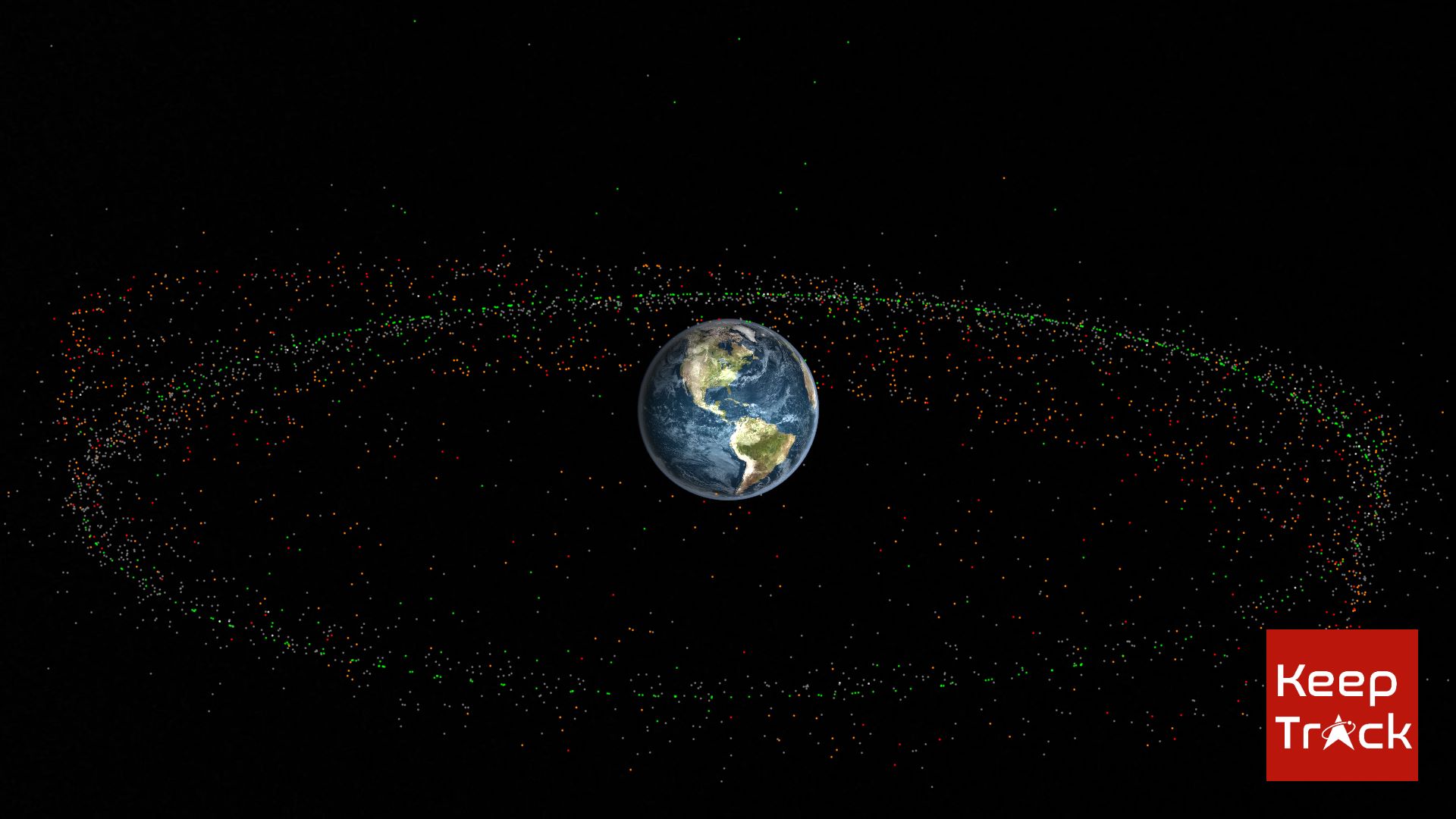
Understanding the unique orbital sweet spot that keeps satellites perfectly positioned above Earth
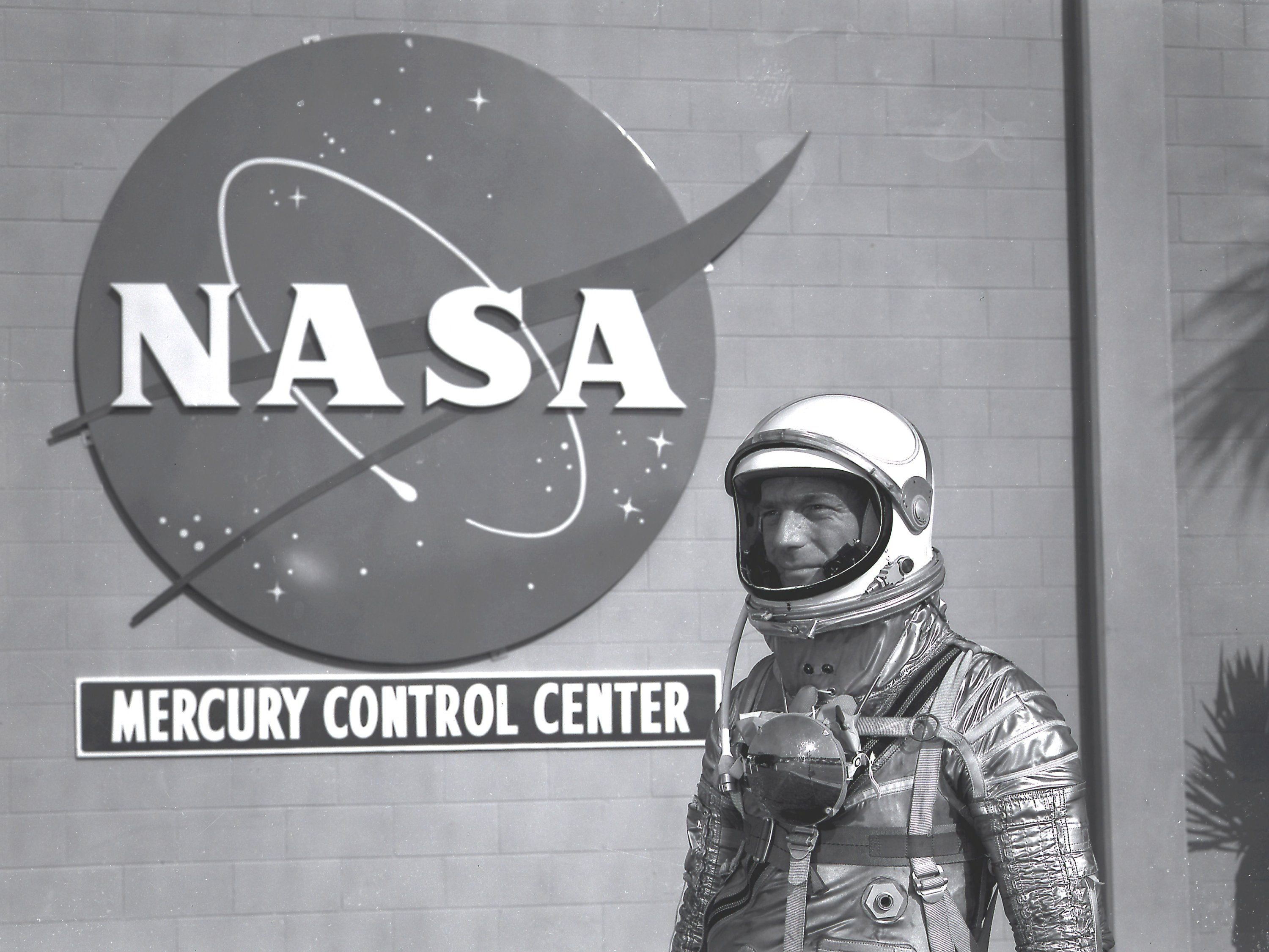
Exactly 64 years ago today, Scott Carpenter became the fourth American to orbit the Earth aboard Aurora 7. His five-hour flight produced new science, a tense reentry, and 39 minutes of silence in which the country wondered if it had just lost its astronaut.
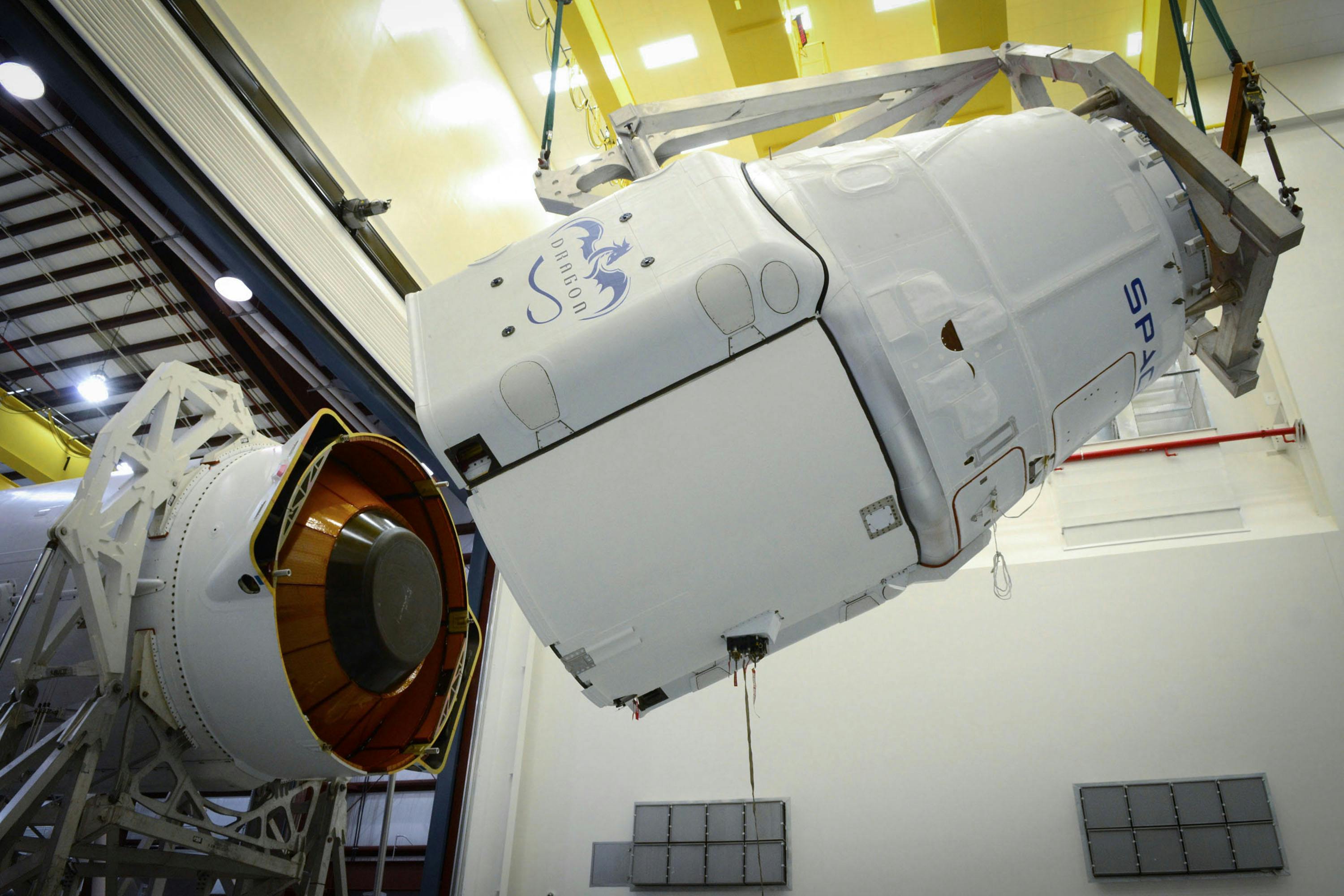
SpaceX advances with Starship, gains FCC approval for new services, and predicts a future shift in spacecraft dominance.

SpaceX successfully launched its 60th mission of the year, deploying 27 Starlink satellites from California. The company continues to hit milestones, confirming its dominance in spaceflight as Elon Musk acknowledges the achievement. Spire also expands its partnership with Deloitte to enhance cybersecurity in orbit.

Notable space events as the year closes: China's record orbital launches, Vandenberg's new launch site, Rocket Lab's achievements, and urgent MAVEN recovery efforts.
Space Force procures second Otter spacecraft for satellite repositioning. Momentus and NASA sign Space Act Agreement for orbital servicing tests. Pentagon delays contractor review.