SL-6 PLAT (05946)

COSPAR: 1972-029C | Alt Name: BOZ
DECAYED

Image
SL-6 PLAT Satellite Image
Additional Sources
Launch Details

Launch Date

April 14, 1972

Launch Pad

LC31

Launch Vehicle

Molniya 8K78M

Orbital Elements

NORAD ID

05946

International Designator

1972-029C

Decay Date

5/17/1972

Basic Satellite Info

Name

SL-6 PLAT

Alternative Name

BOZ

Type

Debris

Status

Space Junk

Owner

RVSN

Country

USSR

Constellation

N/A

Related Satellites

Major Events

N/A

Summary
Space debris, also known as space junk, encompasses all non-functional objects orbiting Earth such as defunct satellites, spent rocket stages, and fragments from collisions or disintegrations. Over time, this debris can accumulate and create an increasingly hazardous environment in orbit. Even tiny fragments, traveling at extremely high velocities, can inflict significant damage on operational satellites and spacecraft. If left unmanaged, the density of debris raises the risk of catastrophic collisions and further fragmentation, compounding the problem and threatening the safety and sustainability of space activities.
Physical Characteristics

Length

1

Diameter

2.3

Span

1

Dry Mass

328

Launch Mass

328

Shape

Cyl

Radar Cross Section

Unknown

Visual Magnitude

Unknown

Color

Unknown

Material Composition

Unknown

Technical Details

Payload

BOZ

Purpose

Unknown

Mission

Unknown

Manufacturer

TSKBEM

Life Expectancy

Unknown

Bus

BOZ

Configuration

Unknown

Motor

Unknown

Equipment

Unknown

Power System

Unknown

ADCS

Unknown

Transmitter Frequency

Unknown

Satellite Articles

View All Posts »

Learn more about satellites and other related topics.

Pentagon Allocates $8B for Space-Based Moving Target Tracking | KeepTrack Space Brief

Pentagon Allocates $8B for Space-Based Moving Target Tracking | KeepTrack Space Brief

Pentagon requests $8 billion for space-based moving target tracking constellation in FY2027 budget. New NORAD IDs expected as Space Force expands orbital ISR capabilities.

Space Brief 19 Dec 2025

Space Brief 19 Dec 2025

Today's brief highlights significant developments in space defense, innovation fund challenges, and international defense agreements impacting satellite utilities.

X Report 1 Feb 2025

X Report 1 Feb 2025

Exciting SpaceX updates include the arrival of Athena moon lander, SPHEREx telescope's upcoming launch, and SpaceX's GigaBay development.

X Report 2 Oct 2025

X Report 2 Oct 2025

Today's briefing covers Starlink's role in disaster recovery in the Philippines, insights into the evolving direct-to-device market, and news of European plans for a reusable upper stage rocket inspired by SpaceX's Starship.

SpaceX Wins $739M for Nine National Security Launches, FCC Adds 7,500 Starlink Sats | KeepTrack Space Brief

SpaceX Wins $739M for Nine National Security Launches, FCC Adds 7,500 Starlink Sats | KeepTrack Space Brief

SpaceX awarded $739M for nine national security missions. FCC approves 7,500 additional Starlink satellites. NASA announces early Crew-11 return from ISS due to medical issue.

How a Parachutist Named Seagull Became the First Woman in Space

How a Parachutist Named Seagull Became the First Woman in Space

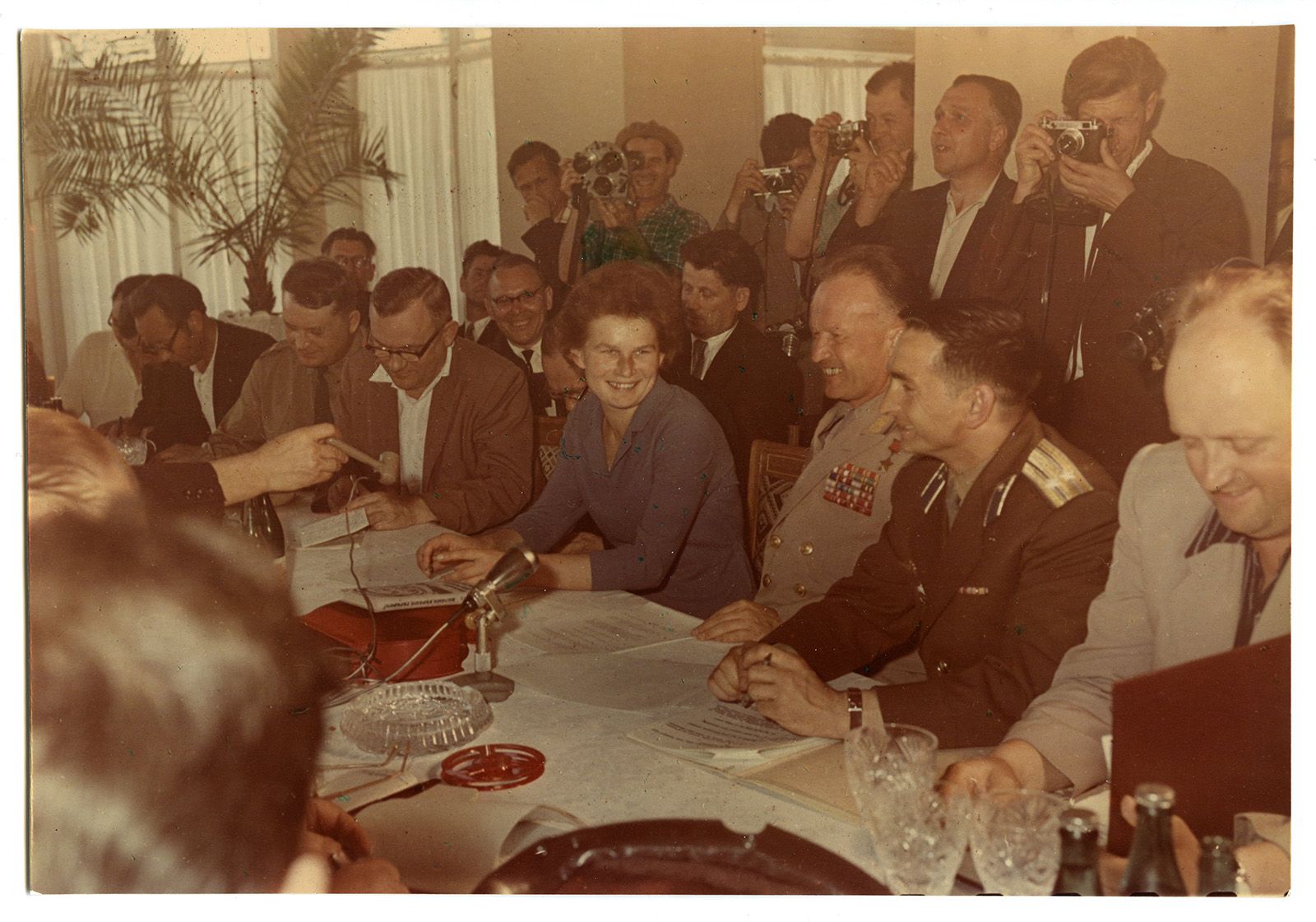
On 16 June 1963, a 26-year-old former textile worker named Valentina Tereshkova launched aboard Vostok 6 and spent nearly three days alone in orbit. She flew 48 times around the Earth, longer than every American astronaut combined, and spotted a dangerous flaw in her descent program that ground controllers had missed.

The Telescope That Needed Glasses

The Telescope That Needed Glasses

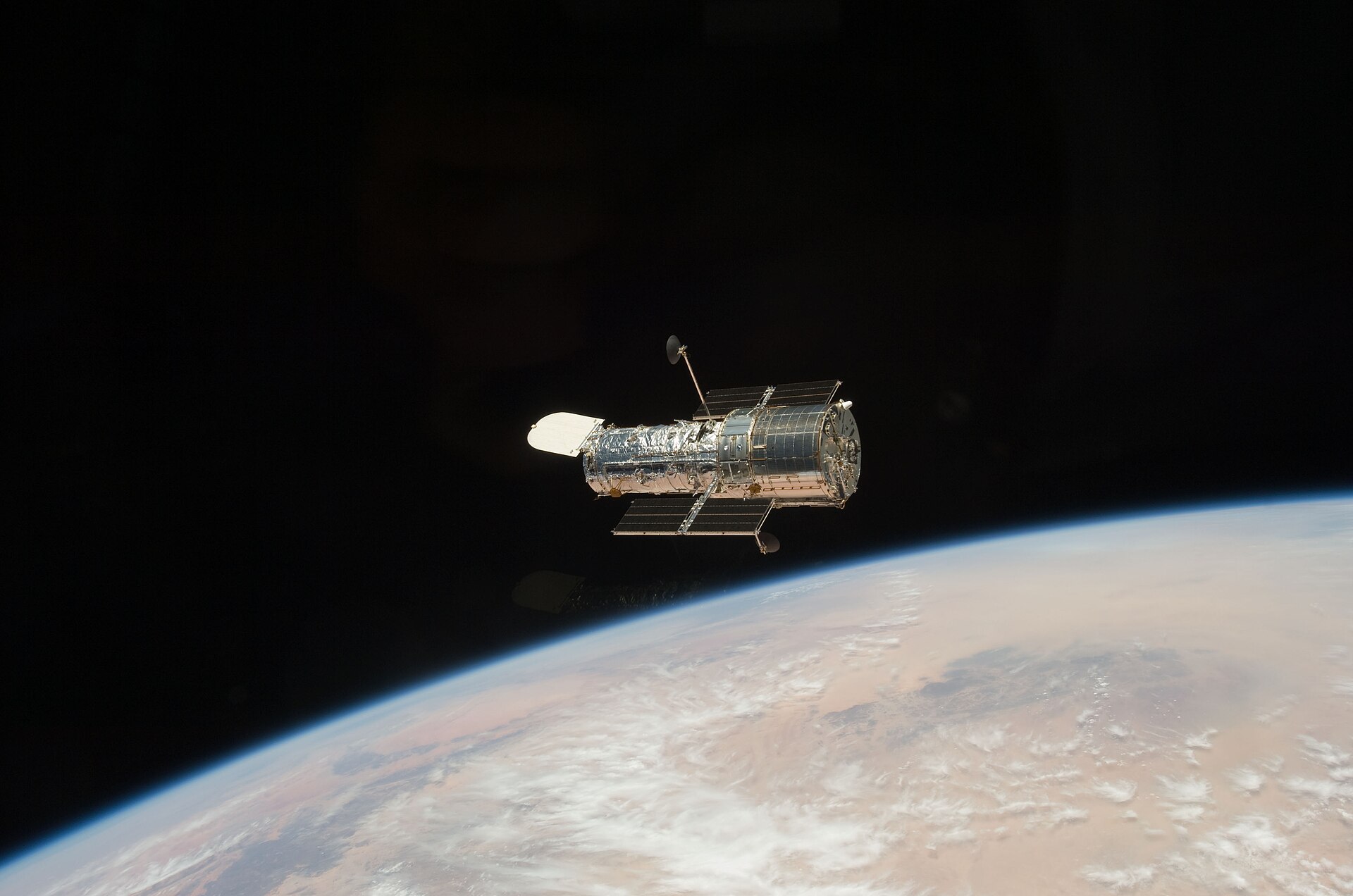
On April 25, 1990, the Space Shuttle Discovery's robotic arm lifted a 11,110-kilogram barrel of mirrors and instruments out of the payload bay and released it into orbit. Six weeks later, the first images came back badly out of focus. The Hubble Space Telescope had been ground to the wrong prescription, and America had just spent $2.5 billion on what the press was calling a 'technoturkey.'

The Day We Banned the Word "Film"

The Day We Banned the Word "Film"

On January 20, 1972, the second KH-9 HEXAGON lifted off from Vandenberg - carrying the most sophisticated reconnaissance system ever built by engineers who weren't allowed to say 'film,' 'camera,' or even talk to each other about what they were doing.