


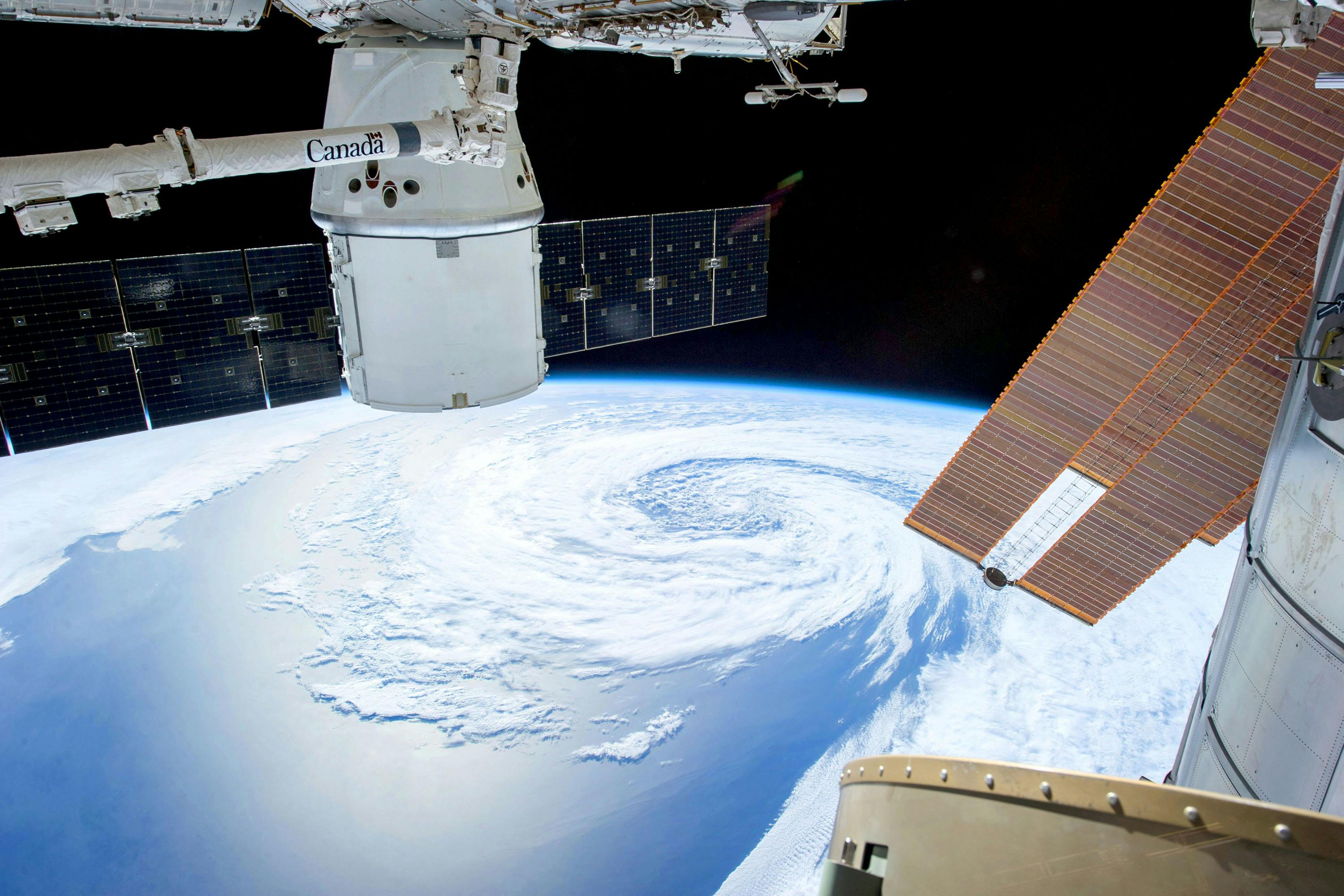
X Report 22 Jul 2025
Critical updates from SpaceX include a scrubbed satellite launch and a busy launch schedule for the week, featuring multiple Falcon 9 missions.



NORAD ID
59437
International Designator
2024-065S
Epoch
Sun, 19 Jul 2026 19:49:05 GMT
Apogee
Calculating...
Perigee
Calculating...
Inclination
53.16°
Right Ascension
29.80°
Eccentricity
Calculating...
Argument of Perigee
108.00°
Period
94.11 min
Mean Motion
15.30 rev/day
Latitude
Calculating...
Longitude
Calculating...
Altitude
Calculating...
Velocity
Calculating...
Name
STARLINK-31706
Alternative Name
Starlink 31706
Type
Status
Owner
SPXS
Country
United States
Constellation
N/A
Related Satellites
Major Events
N/A
1 59437U 24065S 26200.82575744 -.00001073 00000+0 -24117-4 0 9998
2 59437 53.1614 29.7982 0000744 108.0045 252.1037 15.30201112129132
Source: Celestrak
Length
0.3
Diameter
4.1
Span
29
Dry Mass
700
Launch Mass
730
Shape
Box + pan
Radar Cross Section
Unknown
Visual Magnitude
Unknown
Color
Unknown
Material Composition
Unknown
Payload
Starlink Group 8-1-17
Purpose
Communication
Mission
Communication
Manufacturer
SPXS
Life Expectancy
Unknown
Bus
Starlink V2M
Configuration
Starlink v2 Mini
Motor
Argon ion thrusters
Equipment
Ku/Ka/E-band payload, optical inter-satellite link
Power System
Solar arrays, batteries
ADCS
Unknown
Transmitter Frequency
Unknown
Learn more about satellites and other related topics.
Critical updates from SpaceX include a scrubbed satellite launch and a busy launch schedule for the week, featuring multiple Falcon 9 missions.

Today’s highlights include successful Falcon 9 launch for MECANO ID, ongoing Starship Block 3 development, and plans for direct-to-device testing next year.
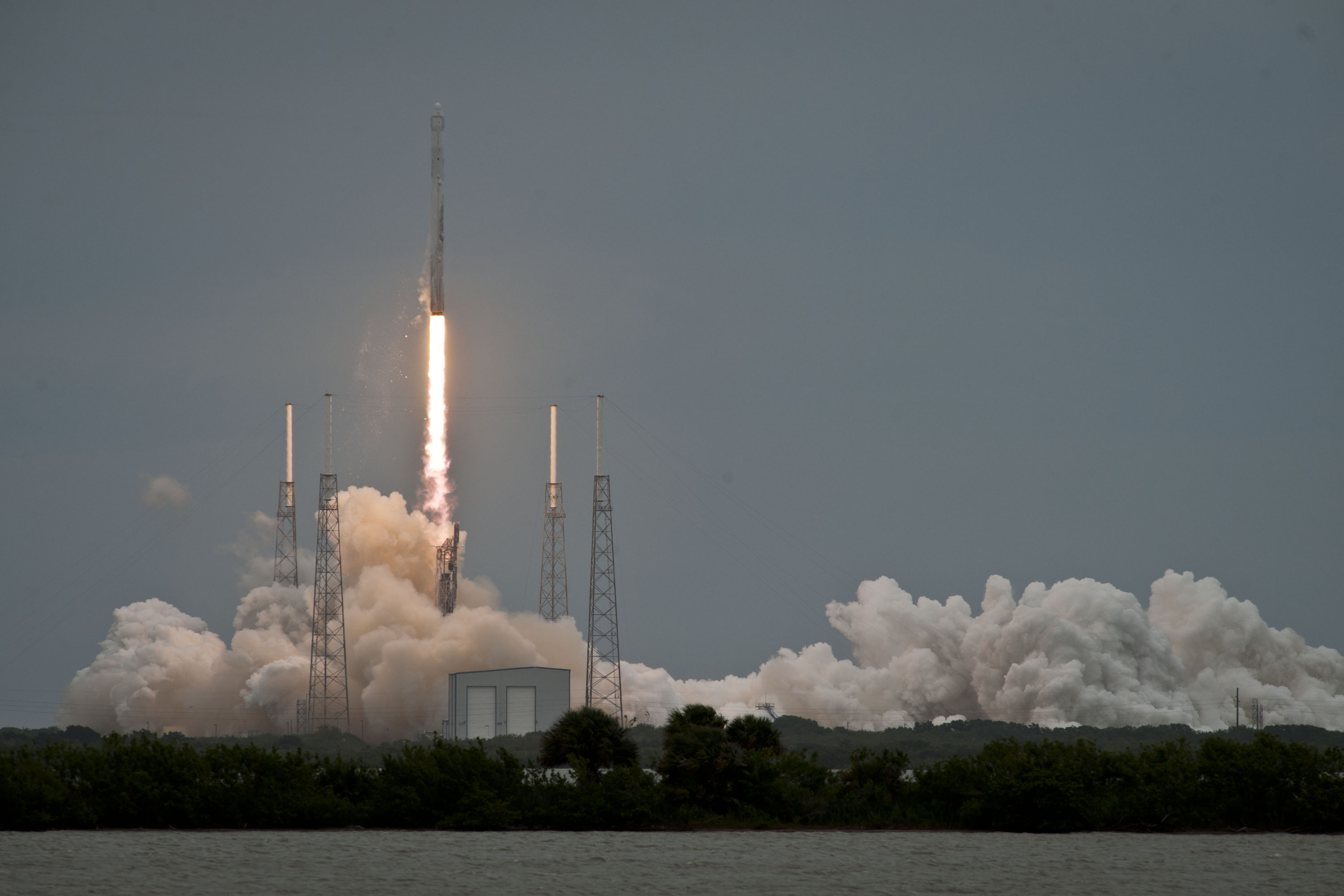
On April 18, 2014, a Falcon 9 first stage did something no orbital rocket had ever done before. It fired its engines on the way down, steered itself through the atmosphere using grid fins that did not yet exist, and touched the Atlantic Ocean softly enough to survive the impact. Nobody recovered it. The data was the whole point.

SpaceX secures FCC nod for Starlink's direct-to-phone connectivity, lands NASA's Dragonfly mission, and sees new competition with the ZhuQue-2E launch.
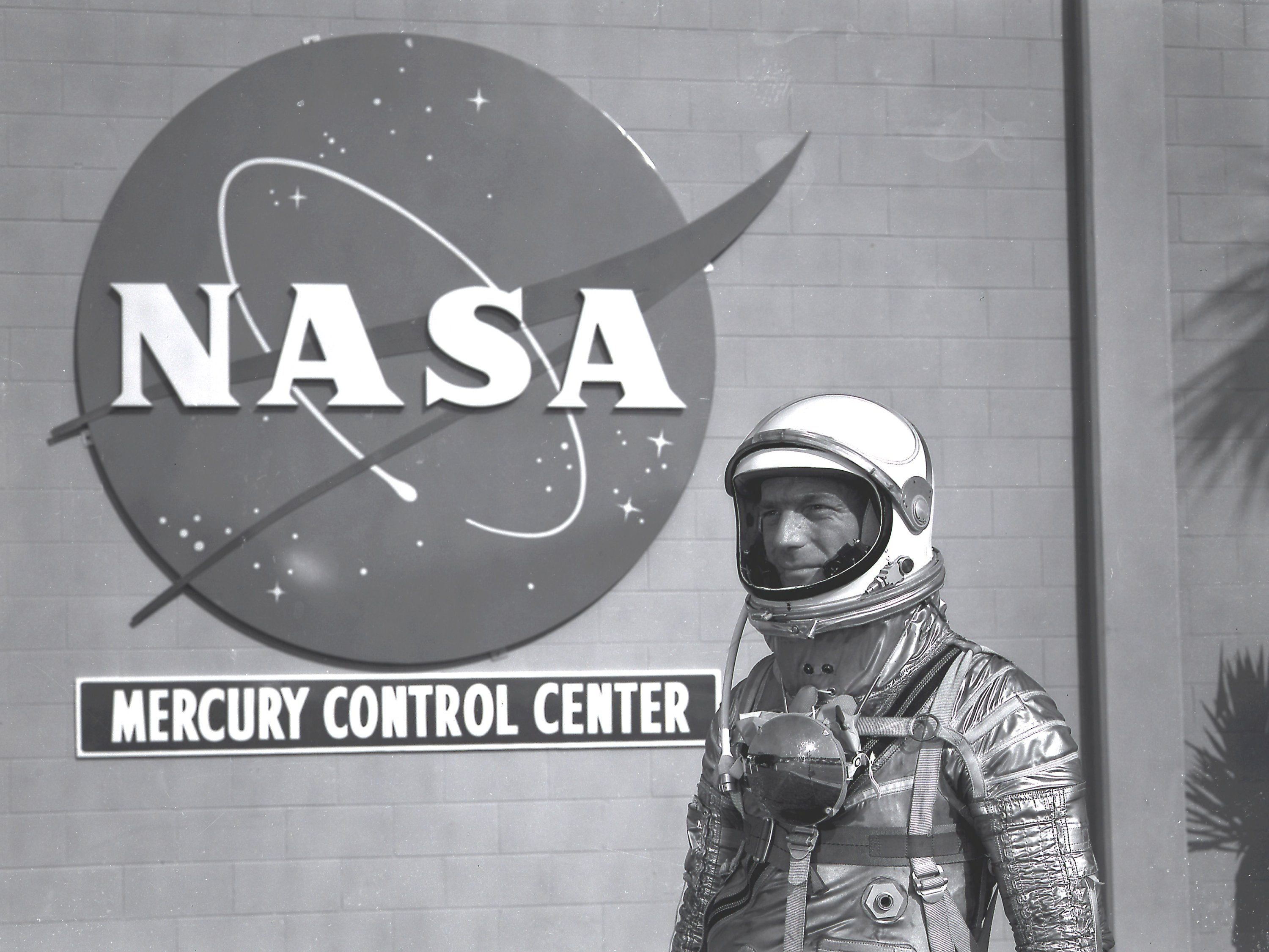
Exactly 64 years ago today, Scott Carpenter became the fourth American to orbit the Earth aboard Aurora 7. His five-hour flight produced new science, a tense reentry, and 39 minutes of silence in which the country wondered if it had just lost its astronaut.
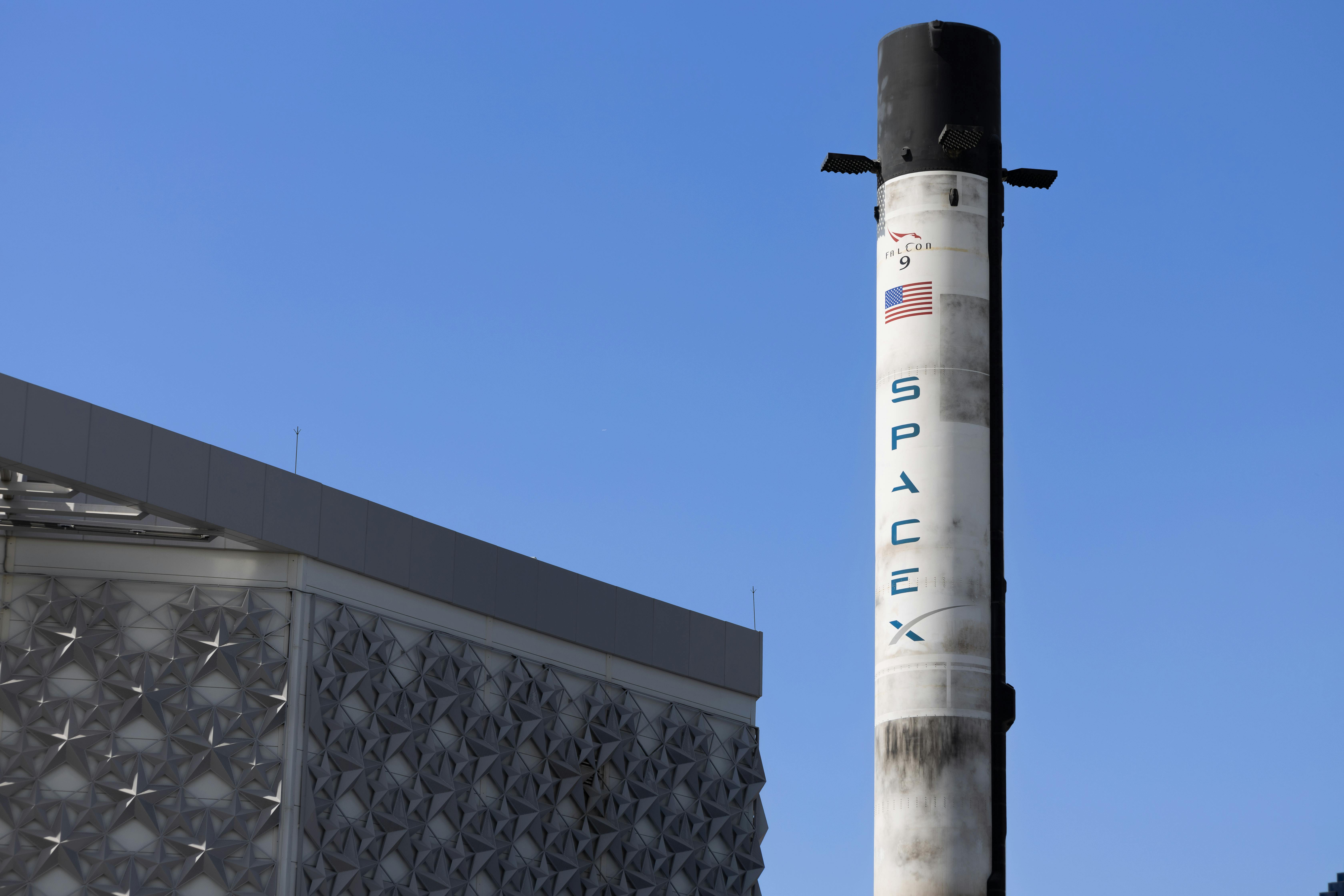
Today's brief highlights the upcoming X-37B military spaceplane launch, ongoing partnerships to protect radio astronomy, and West Virginia's minimal allocation of broadband subsidies to satellite providers like SpaceX.

Major challenges emerged with SpaceX's next-generation Starship booster testing, while Starlink deployments continued with successful launches.

Space Force projects 25 additional high-energy missions in 2027–2029 window, straining capacity at Vulcan and Falcon Heavy. Capacity constraints will drive military-NASA prioritization debates.