


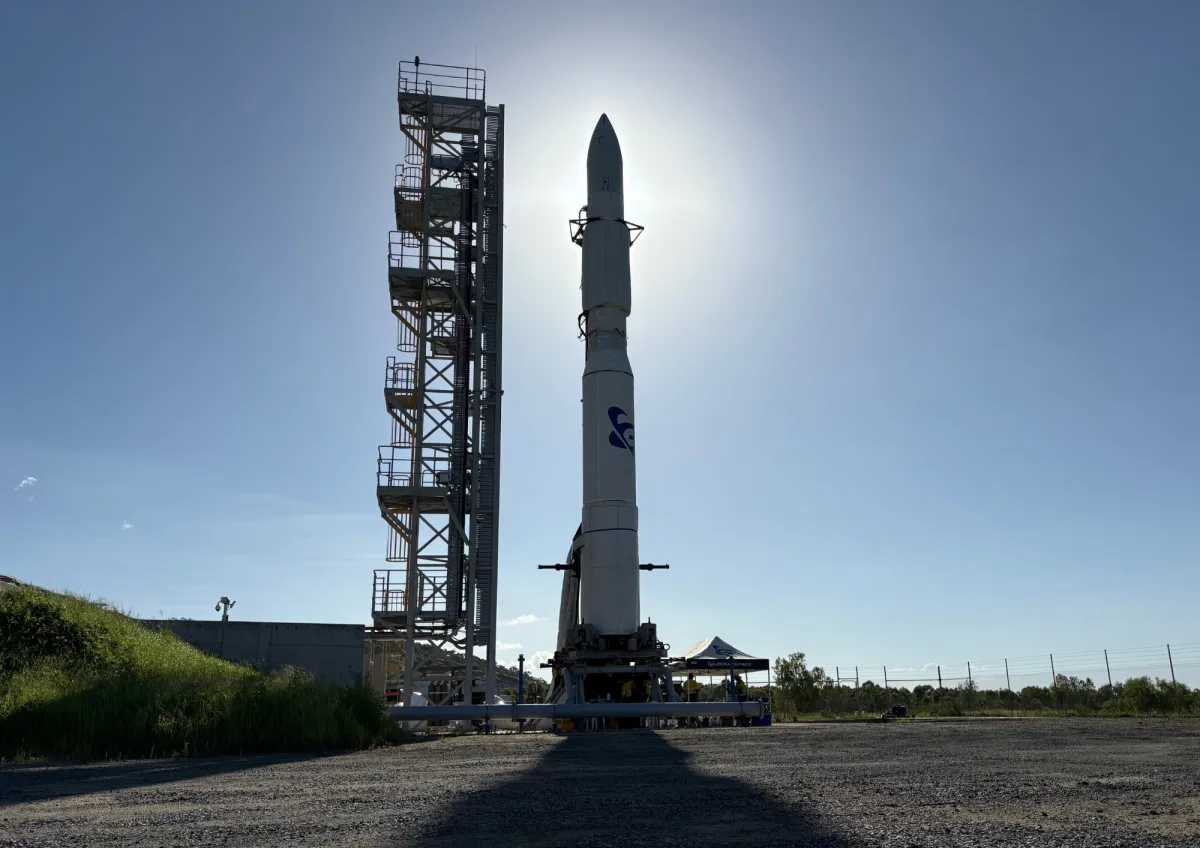
Space Brief 6 Apr 2025
Today, we explore substantial U.S. defense contracts awarded for space launches, ESA's enigmatic Euclid images release, and SpaceX missions covering satellite launches and astronaut reentries.



NORAD ID
59385
International Designator
2024-062M
Epoch
Sun, 19 Jul 2026 18:23:40 GMT
Apogee
Calculating...
Perigee
Calculating...
Inclination
53.16°
Right Ascension
0.72°
Eccentricity
Calculating...
Argument of Perigee
93.85°
Period
93.85 min
Mean Motion
15.34 rev/day
Latitude
Calculating...
Longitude
Calculating...
Altitude
Calculating...
Velocity
Calculating...
Name
STARLINK-31717
Alternative Name
Starlink 31717
Type
Status
Owner
SPXS
Country
United States
Constellation
N/A
Related Satellites
Major Events
N/A
1 59385U 24062M 26200.76643769 .00000865 00000+0 36718-4 0 9999
2 59385 53.1602 0.7152 0000956 93.8520 266.2592 15.34398562129900
Source: Celestrak
Length
0.3
Diameter
4.1
Span
29
Dry Mass
700
Launch Mass
730
Shape
Box + pan
Radar Cross Section
Unknown
Visual Magnitude
Unknown
Color
Unknown
Material Composition
Unknown
Payload
Starlink Group 7-18-12
Purpose
Communication
Mission
Communication
Manufacturer
SPXS
Life Expectancy
Unknown
Bus
Starlink V2M
Configuration
Starlink v2 Mini
Motor
Argon ion thrusters
Equipment
Ku/Ka/E-band payload, optical inter-satellite link
Power System
Solar arrays, batteries
ADCS
Unknown
Transmitter Frequency
Unknown
Learn more about satellites and other related topics.
Today, we explore substantial U.S. defense contracts awarded for space launches, ESA's enigmatic Euclid images release, and SpaceX missions covering satellite launches and astronaut reentries.

SpaceX targets seven rocket launches from six global sites this week including two Falcon 9 missions from California. 29 Starlink satellites successfully deployed from Cape Canaveral on January 18.
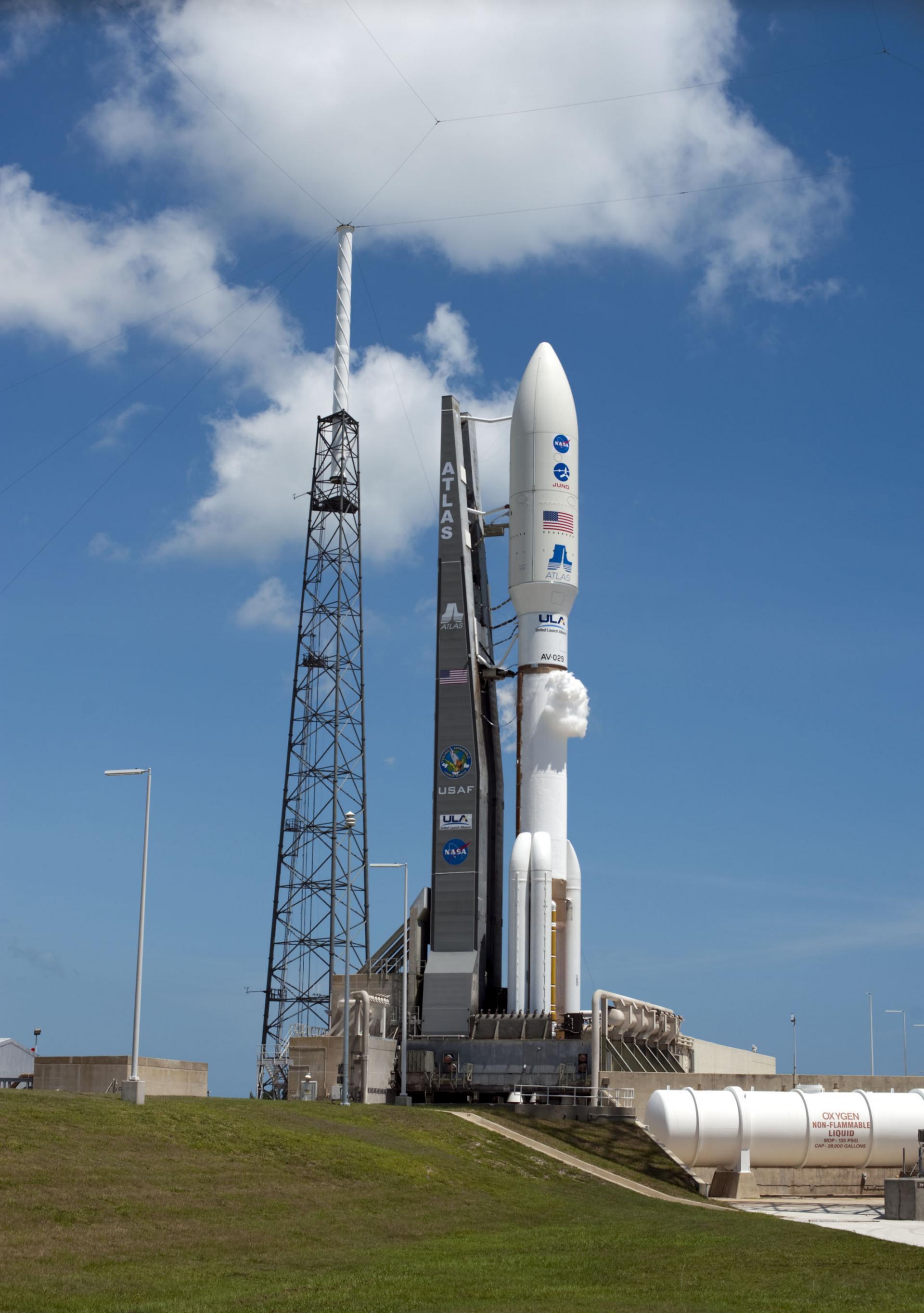
Today's Space Brief covers major developments in Pentagon procurement methods, strategic satellite intelligence advancements, and increasing interest in drone technology within the defense sector.
Today's brief covers secret Space Force payloads monitoring China's satellites, collaborations reducing satellite tracking delays, and new AI projects for military operations.
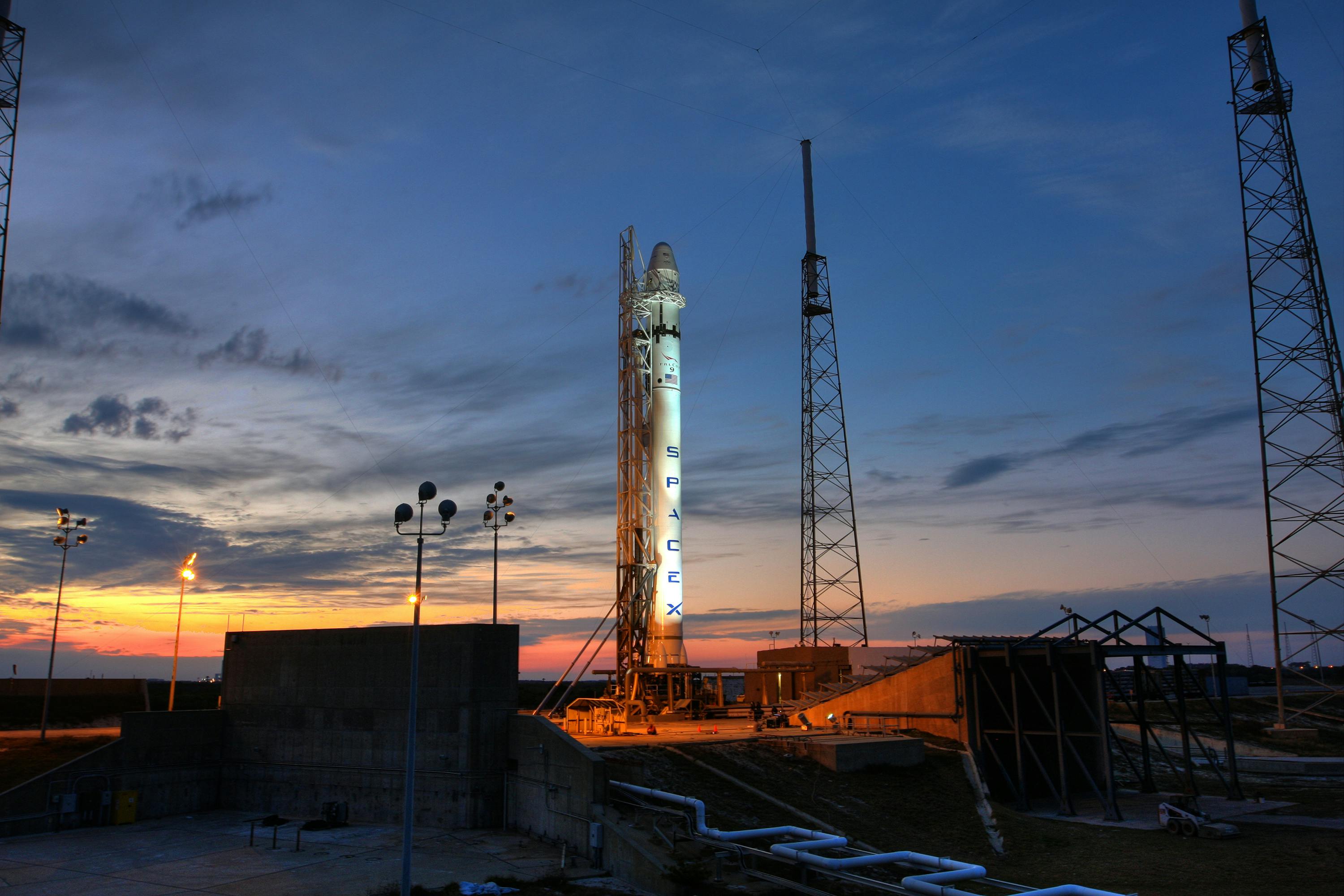
Booster B1067 sets a new Falcon 9 reuse record on its 36th flight, lifting Starlink 10-42 from Cape Canaveral at 5:25 a.m. EDT.

SpaceX awarded $739M for nine national security missions. FCC approves 7,500 additional Starlink satellites. NASA announces early Crew-11 return from ISS due to medical issue.

SpaceX scrubs Crew-10 launch due to hydraulics issue; successful Falcon 9 launch for NASA missions, and Texas supports SpaceX expansion.
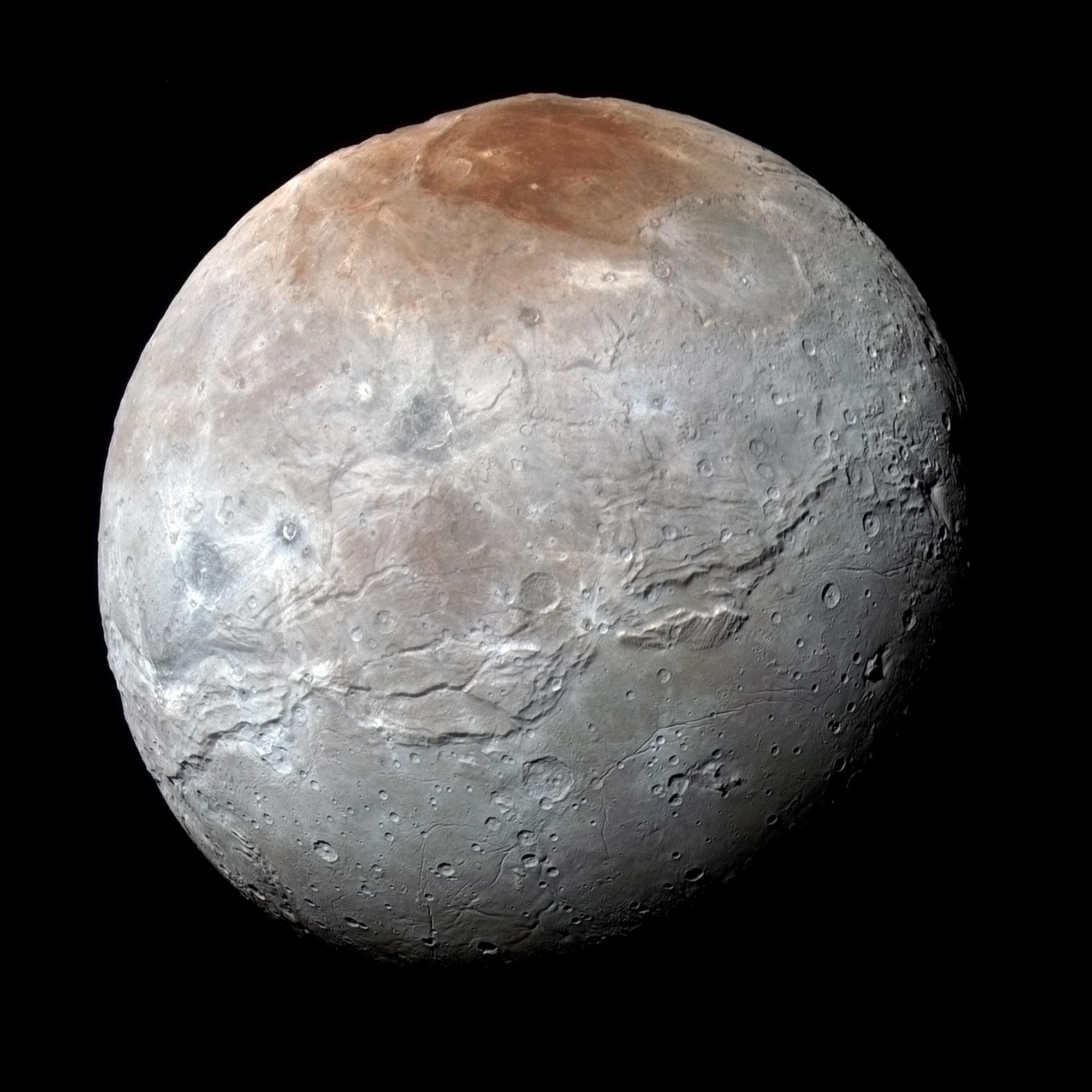
On 22 June 1978, an astronomer at the U.S. Naval Observatory looked at photographic plates that had been stamped 'image defective' and noticed a small bump on the side of Pluto. The bump was a moon, and finding it finally let astronomers weigh a planet that had fooled them for half a century.