


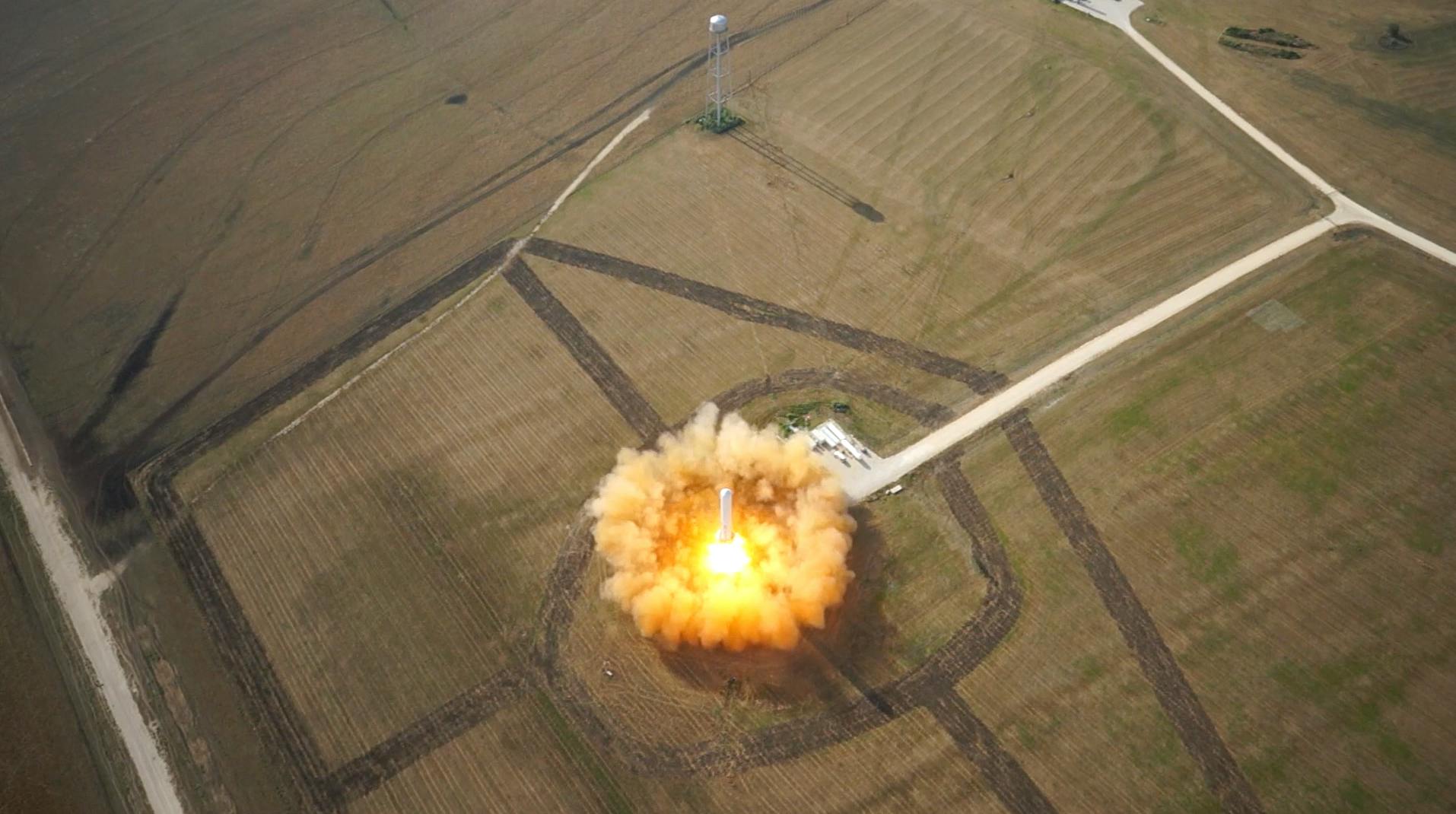
X Report 17 Aug 2025
SpaceX prepares for its 10th Starship test flight, set for August 24, as the FAA grants approval following earlier setbacks.



Launch Date
March 31, 2024
Launch Site
Launch Pad
LC40
Launch Vehicle
NORAD ID
59367
International Designator
2024-060V
Epoch
Sun, 19 Jul 2026 10:25:59 GMT
Apogee
Calculating...
Perigee
Calculating...
Inclination
43.00°
Right Ascension
235.65°
Eccentricity
Calculating...
Argument of Perigee
268.78°
Period
94.27 min
Mean Motion
15.28 rev/day
Latitude
Calculating...
Longitude
Calculating...
Altitude
Calculating...
Velocity
Calculating...
Name
STARLINK-31428
Alternative Name
Starlink 31428
Type
Status
Owner
SPXS
Country
United States
Constellation
N/A
Related Satellites
Major Events
N/A
1 59367U 24060V 26200.43471419 .00000782 00000+0 37934-4 0 9991
2 59367 43.0010 235.6518 0001602 268.7765 91.2903 15.27573738130219
Source: Celestrak
Length
0.3
Diameter
4.1
Span
29
Dry Mass
700
Launch Mass
730
Shape
Box + pan
Radar Cross Section
Unknown
Visual Magnitude
Unknown
Color
Unknown
Material Composition
Unknown
Payload
Starlink Group 6-45-20
Purpose
Communication
Mission
Communication
Manufacturer
SPXS
Life Expectancy
Unknown
Bus
Starlink V2M
Configuration
Starlink v2 Mini
Motor
Argon ion thrusters
Equipment
Ku/Ka/E-band payload, optical inter-satellite link
Power System
Solar arrays, batteries
ADCS
Unknown
Transmitter Frequency
Unknown
Learn more about satellites and other related topics.
SpaceX prepares for its 10th Starship test flight, set for August 24, as the FAA grants approval following earlier setbacks.
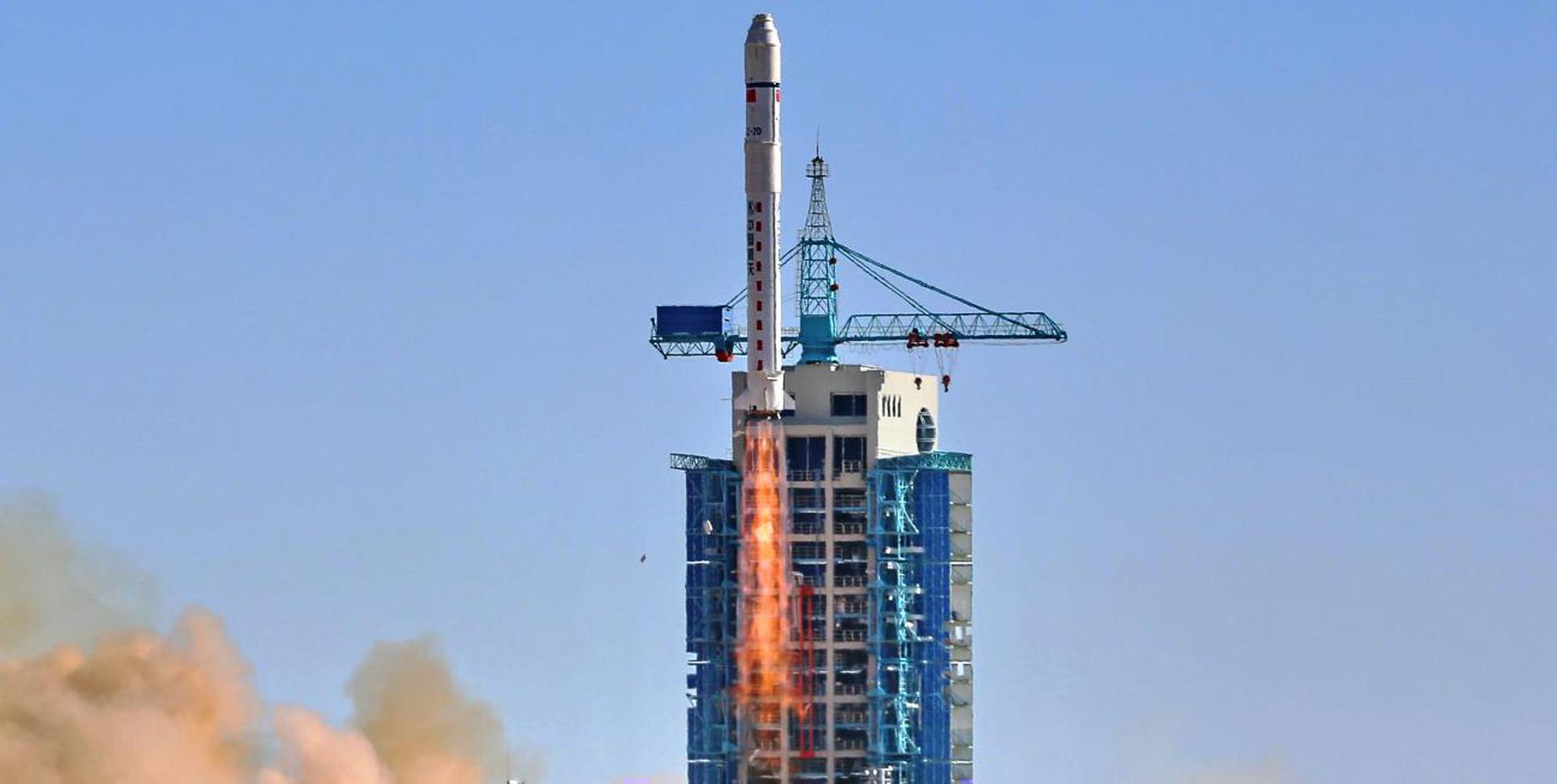
NASA's 590 kg Van Allen Probe A reentered March 10 after 14 years studying Earth's radiation belts. Meanwhile, Boeing Starliner classified as Type A mishap after leaving astronauts stranded on ISS.

NASA delays Artemis 2 for SLS upper stage fix and pad rollback. SpaceX Falcon 9 booster shatters reuse record with 33rd flight. Tory Bruno joins Blue Origin for defense work.
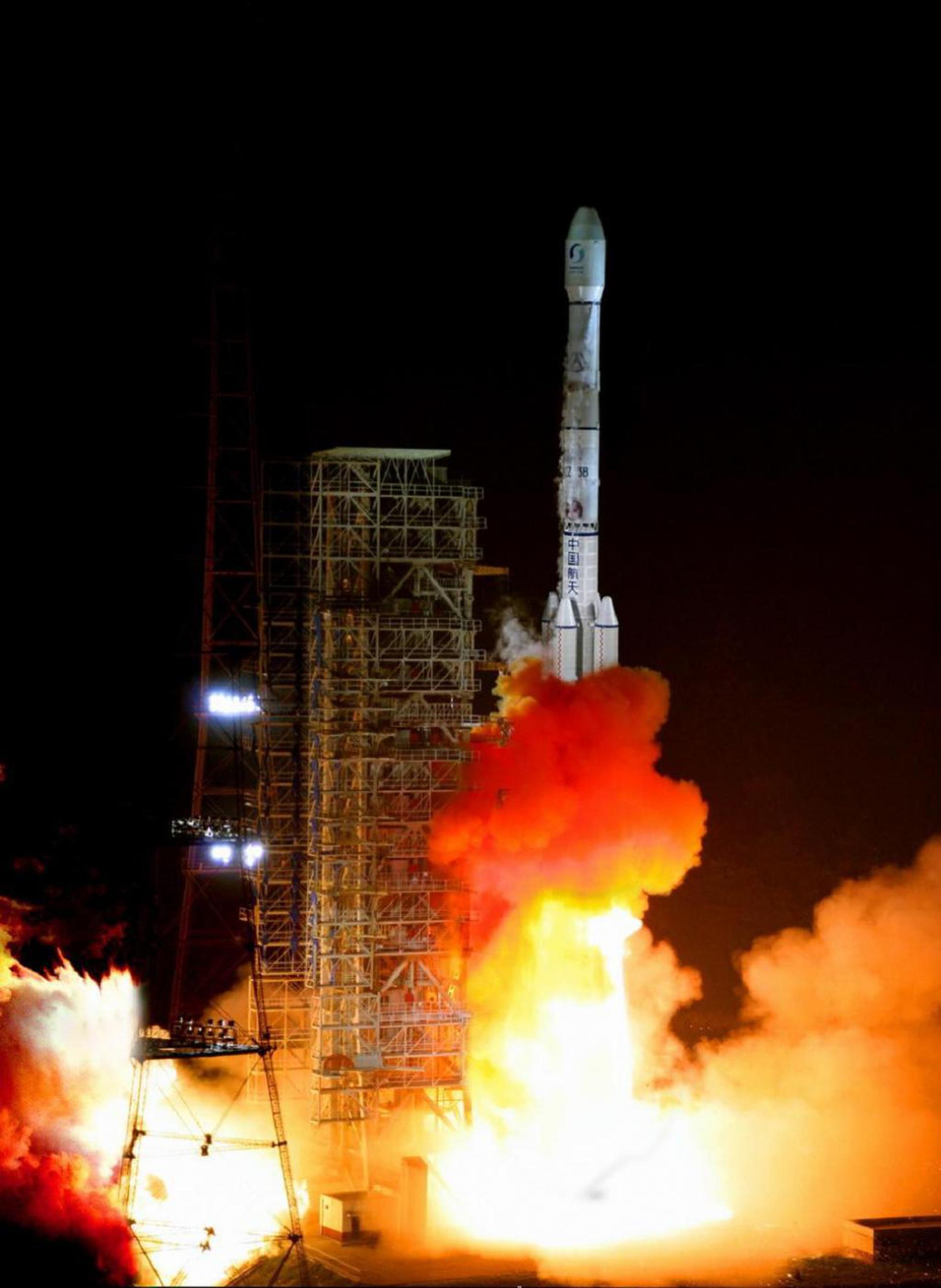
Today's space brief covers new ultraviolet data from the Europa Clipper, challenges in managing space debris, quantum advances in satellite technology, as well as a failed Indian satellite launch and more.
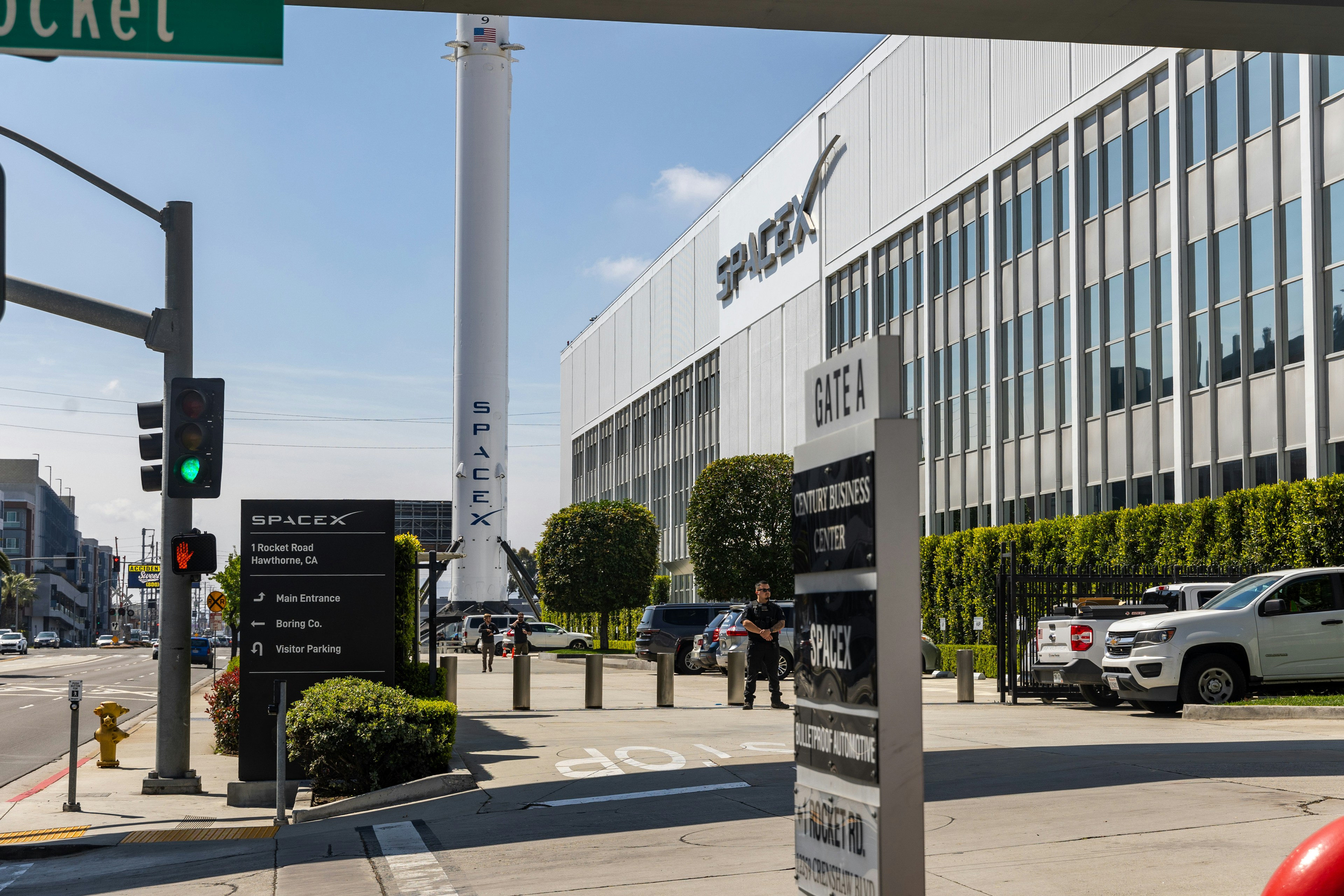
SpaceX sets a new reusability record and continues its busy launch schedule with multiple Starlink missions.
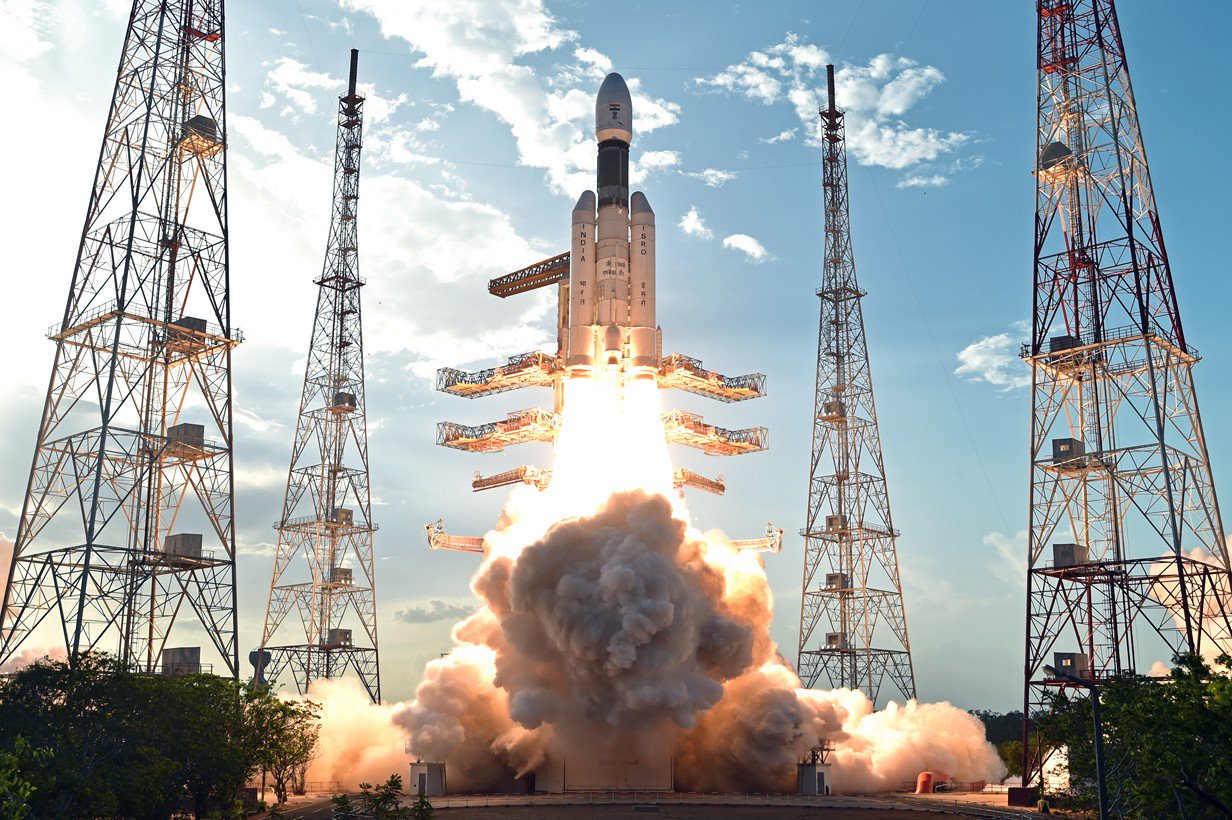
Today's brief covers an increase in Chinese satellite launches, the operational status of the Space Force's ATLAS software, and a significant fundraising event in the defense sector.

Historic moon landing by Firefly Aerospace, Spanish Air and Space Force advances with new simulator, and spotlight on OneWeb's communication satellite.
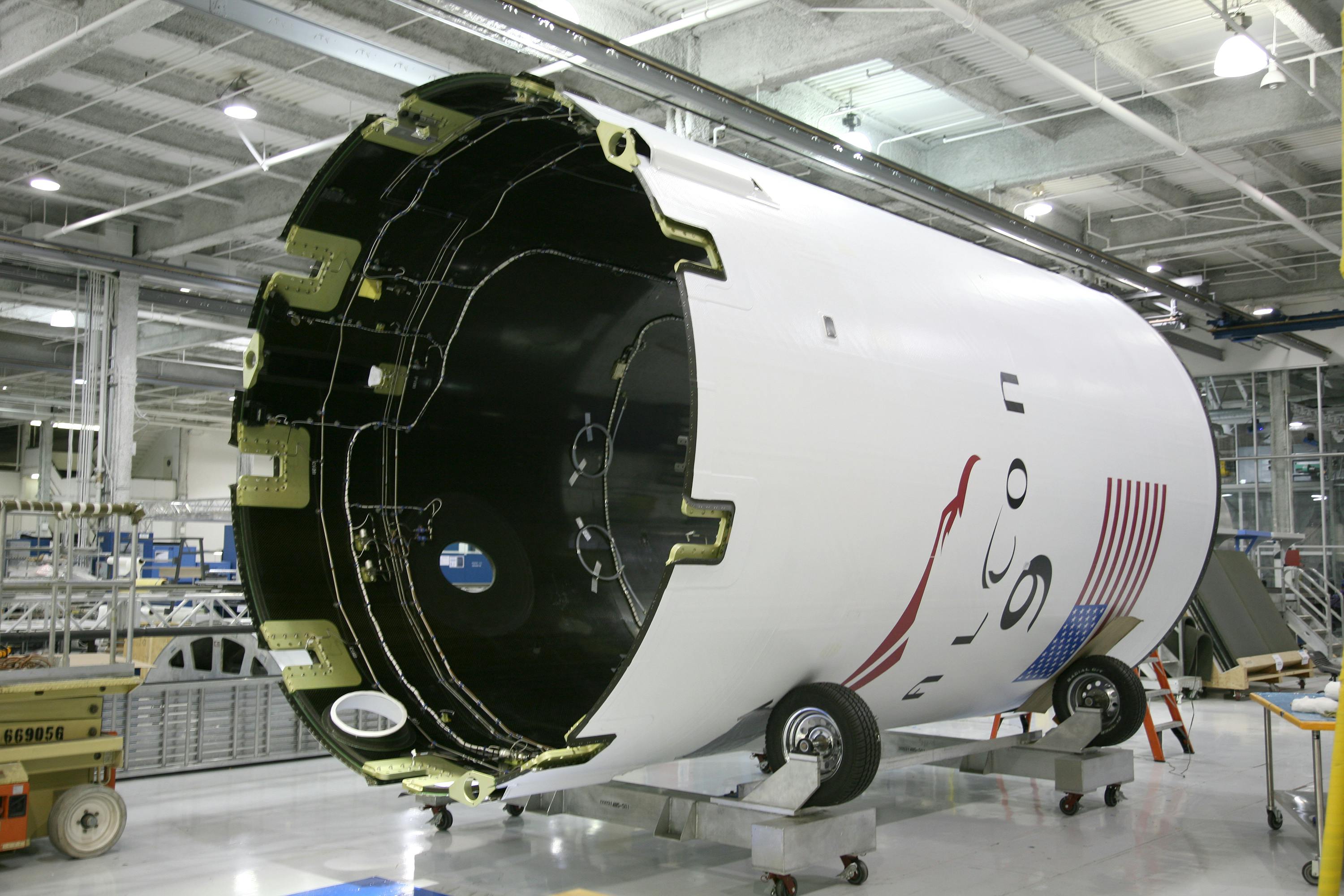
SpaceX successfully launched 28 Starlink satellites from Florida, marking a significant milestone in their deployment strategy. This follows the recent launch of 26 satellites from California, highlighting ongoing expansion efforts.