STARLINK-31628 (59342)

COSPAR: 2024-057Y | Alt Name: Starlink 31628

Image
STARLINK-31628 Satellite Image
Additional Sources
Launch Details

Launch Date

March 25, 2024

Launch Pad

LC40

Launch Vehicle

Falcon 9

Orbital Elements

NORAD ID

59342

International Designator

2024-057Y

Epoch

Sun, 19 Jul 2026 06:53:51 GMT

Apogee

Calculating...

Perigee

Calculating...

Inclination

43.00°

Right Ascension

164.02°

Eccentricity

Calculating...

Argument of Perigee

278.73°

Period

94.27 min

Mean Motion

15.28 rev/day

Latitude

Calculating...

Longitude

Calculating...

Altitude

Calculating...

Velocity

Calculating...

Polar Plot
3D Visualization
Basic Satellite Info

Name

STARLINK-31628

Alternative Name

Starlink 31628

Type

Payload

Status

Operational

Owner

SPXS

Country

United States

Constellation

N/A

Related Satellites

Major Events

N/A

Latest TLEs
1 59342U 24057Y   26200.28740567  .00000659  00000+0  33464-4 0  9993
2 59342  43.0030 164.0174 0001129 278.7275  81.3449 15.27578552129962

Source: Celestrak

Summary
STARLINK-31628 is a Starlink V2M satellite, configured as a Starlink v2 Mini and manufactured by SpaceX (SPXS). It was launched on March 25, 2024, from Launch Pad LC40 at AFETR using the Falcon 9 launch vehicle. The satellite has dimensions of 0.3 meters in length, a diameter of 4.1 meters, and a span of 29 meters. Its dry mass is 700 kg with a launch mass of 730 kg. Equipped with a Ku/Ka/E-band payload and optical inter-satellite link, it also features Argon ion thrusters for propulsion and solar arrays along with batteries for power supply. The mission purpose is communication as part of the Starlink Group 6-46-23 constellation.

Starlink is a satellite constellation developed by SpaceX with the aim of providing global broadband internet coverage. Thousands of small satellites are deployed in low Earth orbit (LEO), enabling high-speed internet access even in remote areas. However, the rapid increase in satellites raises concerns about space debris and the potential for collisions, which can lead to further debris creation and endanger other spacecraft. Additionally, the sheer number of Starlink satellites can affect astronomical observations by increasing light pollution. Proper deorbiting plans and international coordination are essential to mitigate these challenges and ensure long-term sustainability in space.
Physical Characteristics

Length

0.3

Diameter

4.1

Span

29

Dry Mass

700

Launch Mass

730

Shape

Box + pan

Radar Cross Section

Unknown

Visual Magnitude

Unknown

Color

Unknown

Material Composition

Unknown

Technical Details

Payload

Starlink Group 6-46-23

Purpose

Communication

Mission

Communication

Manufacturer

SPXS

Life Expectancy

Unknown

Bus

Starlink V2M

Configuration

Starlink v2 Mini

Motor

Argon ion thrusters

Equipment

Ku/Ka/E-band payload, optical inter-satellite link

Power System

Solar arrays, batteries

ADCS

Unknown

Transmitter Frequency

Unknown

Map
This tool will help you track the satellite's position and predict its upcoming passes over your location. Simply input the coordinates or click the geolocation button to get started.
Next Pass
Azimuth Elevation Time (Local)
Start Azimuth
Max Elevation
Stop Azimuth
Time Until
Pass Duration

Satellite Articles

View All Posts »

Learn more about satellites and other related topics.

STS-51B | Three-Tenths of a Second from Disaster

STS-51B | Three-Tenths of a Second from Disaster

Forty years ago today, Challenger lifted off LC-39A on a science mission that nobody outside Morton-Thiokol would call dangerous. Years later, after the orbiter and seven other astronauts were gone, investigators looked at the recovered boosters from STS-51B and realized the crew had come within a fraction of a second of dying first. This is the story of the launch that should have been a warning.

Vulcan Booster Anomaly Under Scrutiny After USSF-87 Launch | KeepTrack Space Brief

Vulcan Booster Anomaly Under Scrutiny After USSF-87 Launch | KeepTrack Space Brief

ULA Vulcan faces scrutiny after solid booster anomaly on USSF-87 mission. ThinKom wins portable satellite ground station contract. Space Force starts Project Hecate for GPS past 2040.

The Day Superpowers Shared Space

The Day Superpowers Shared Space

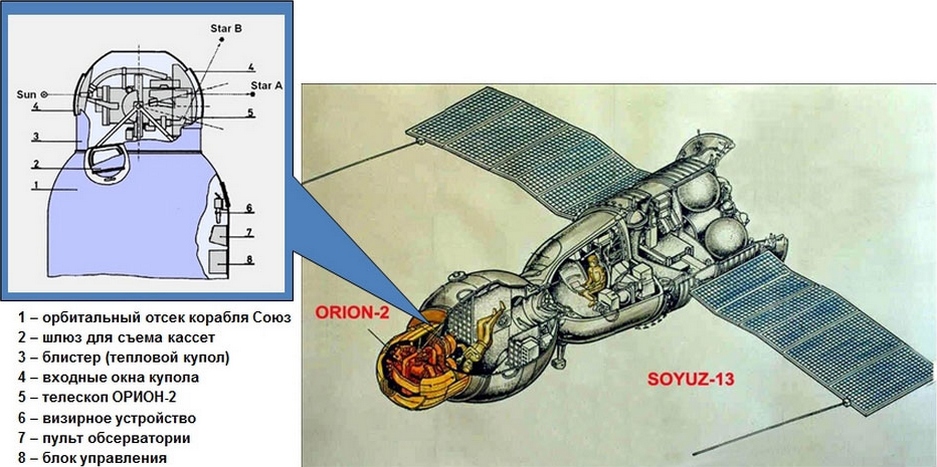
Exactly 52 years ago today, the Soviet Union launched Soyuz 13 - a scientific mission that marked the first time American astronauts and Soviet cosmonauts orbited Earth simultaneously. Armed with a revolutionary ultraviolet telescope, Pyotr Klimuk and Valentin Lebedev would discover elements never before seen in distant nebulae.

Space Brief 24 Jun 2025

Space Brief 24 Jun 2025

Today's top space events include a new military satellite launch by York Space, advancements in phased array antennas by Space Force, and the debut of Denmark's Arctic satellite. Also covered are developments in Starlink's services in Vietnam.

X Report 25 Mar 2025

X Report 25 Mar 2025

SpaceX achieves new milestones with back-to-back launches for the NRO while preparing for groundbreaking crewed polar mission FRAM2.

Suborbital Tourism Scorecard 2026, the Edge of Space Goes Quiet

Suborbital Tourism Scorecard 2026, the Edge of Space Goes Quiet

Twenty-two years after SpaceShipOne, the two companies that defined suborbital tourism are both sitting on the ground. Blue Origin parked New Shepard in January, Virgin Galactic has not flown a customer since 2024, and the math behind the whole business is finally getting an honest look.

X Report 28 Jun 2025

X Report 28 Jun 2025

SpaceX continues to dominate with two Starlink launches in one day, the unveiling of its final Crew Dragon, and facing legal challenges from Mexico regarding a recent Starship incident.

GPS III SV10 | The Last of Its Kind, and the First of What Comes Next

GPS III SV10 | The Last of Its Kind, and the First of What Comes Next

On April 21, 2026, the tenth and final GPS Block III satellite reached medium Earth orbit aboard a SpaceX Falcon 9. Named for Hedy Lamarr, the actress whose 1942 frequency-hopping patent underpins modern GPS, SV10 closes a procurement that took eight years to deliver hardware and opens the optical-crosslink era that will define the constellation's next decade.