


SpaceX Absorbs xAI in History's Largest Private Merger | KeepTrack X Report
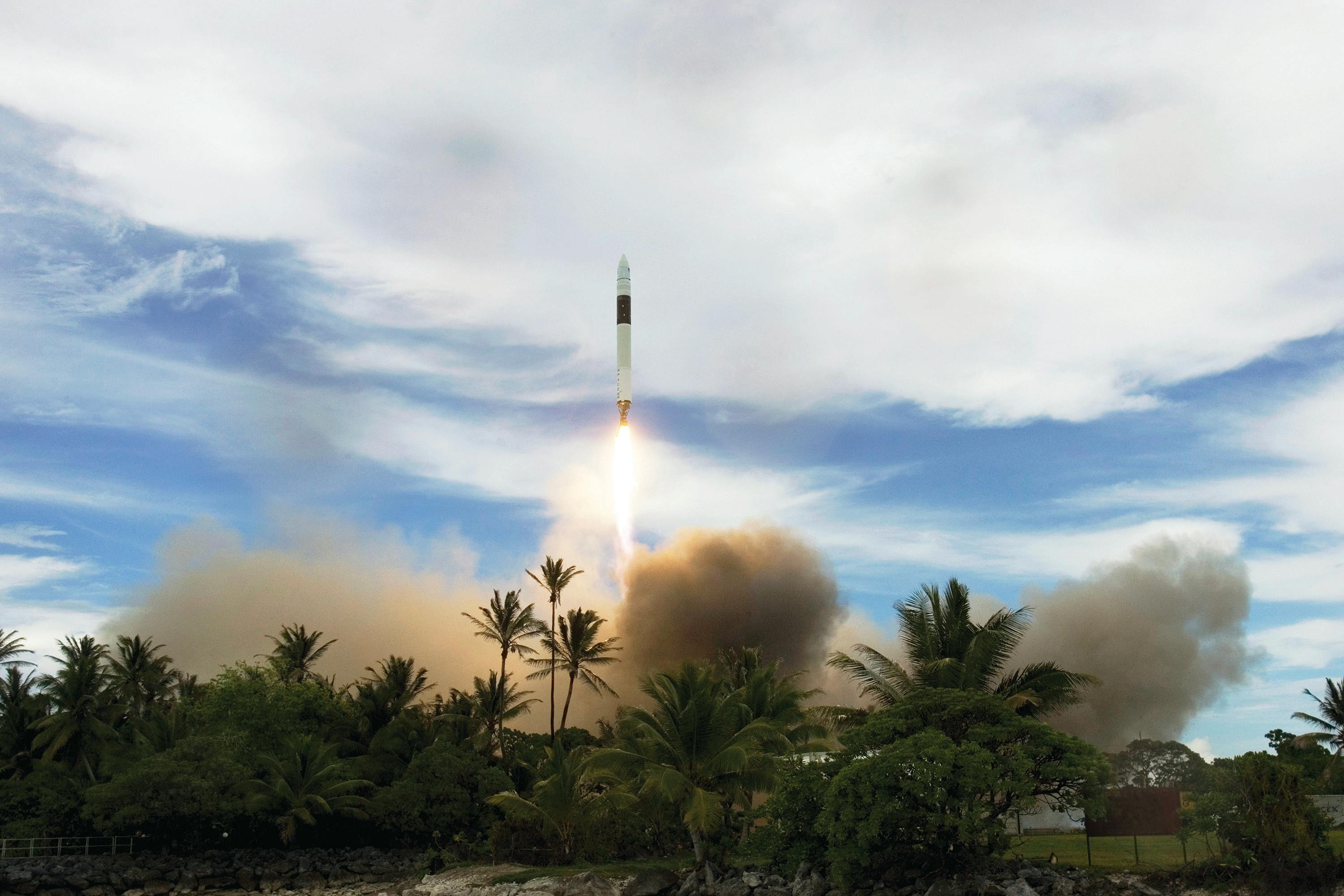
SpaceX officially merged with Elon Musk's xAI under the SpaceXAI brand, while a Falcon 9 lofted 81 rideshare payloads from Vandenberg on July 7.



NORAD ID
59209
International Designator
2024-046J
Epoch
Sun, 19 Jul 2026 09:22:34 GMT
Apogee
Calculating...
Perigee
Calculating...
Inclination
53.16°
Right Ascension
260.77°
Eccentricity
Calculating...
Argument of Perigee
97.09°
Period
93.85 min
Mean Motion
15.34 rev/day
Latitude
Calculating...
Longitude
Calculating...
Altitude
Calculating...
Velocity
Calculating...
Name
STARLINK-31601
Alternative Name
Starlink 31601
Type
Status
Owner
SPXS
Country
United States
Constellation
N/A
Related Satellites
Major Events
N/A
1 59209U 24046J 26200.39068219 .00000297 00000+0 19926-4 0 9997
2 59209 53.1604 260.7651 0001290 97.0924 263.0226 15.34389441133253
Source: Celestrak
Length
0.3
Diameter
4.1
Span
29
Dry Mass
700
Launch Mass
730
Shape
Box + pan
Radar Cross Section
Unknown
Visual Magnitude
Unknown
Color
Unknown
Material Composition
Unknown
Payload
Starlink Group 7-17-09
Purpose
Communication
Mission
Communication
Manufacturer
SPXS
Life Expectancy
Unknown
Bus
Starlink V2M
Configuration
Starlink v2 Mini
Motor
Argon ion thrusters
Equipment
Ku/Ka/E-band payload, optical inter-satellite link
Power System
Solar arrays, batteries
ADCS
Unknown
Transmitter Frequency
Unknown
Learn more about satellites and other related topics.
SpaceX officially merged with Elon Musk's xAI under the SpaceXAI brand, while a Falcon 9 lofted 81 rideshare payloads from Vandenberg on July 7.
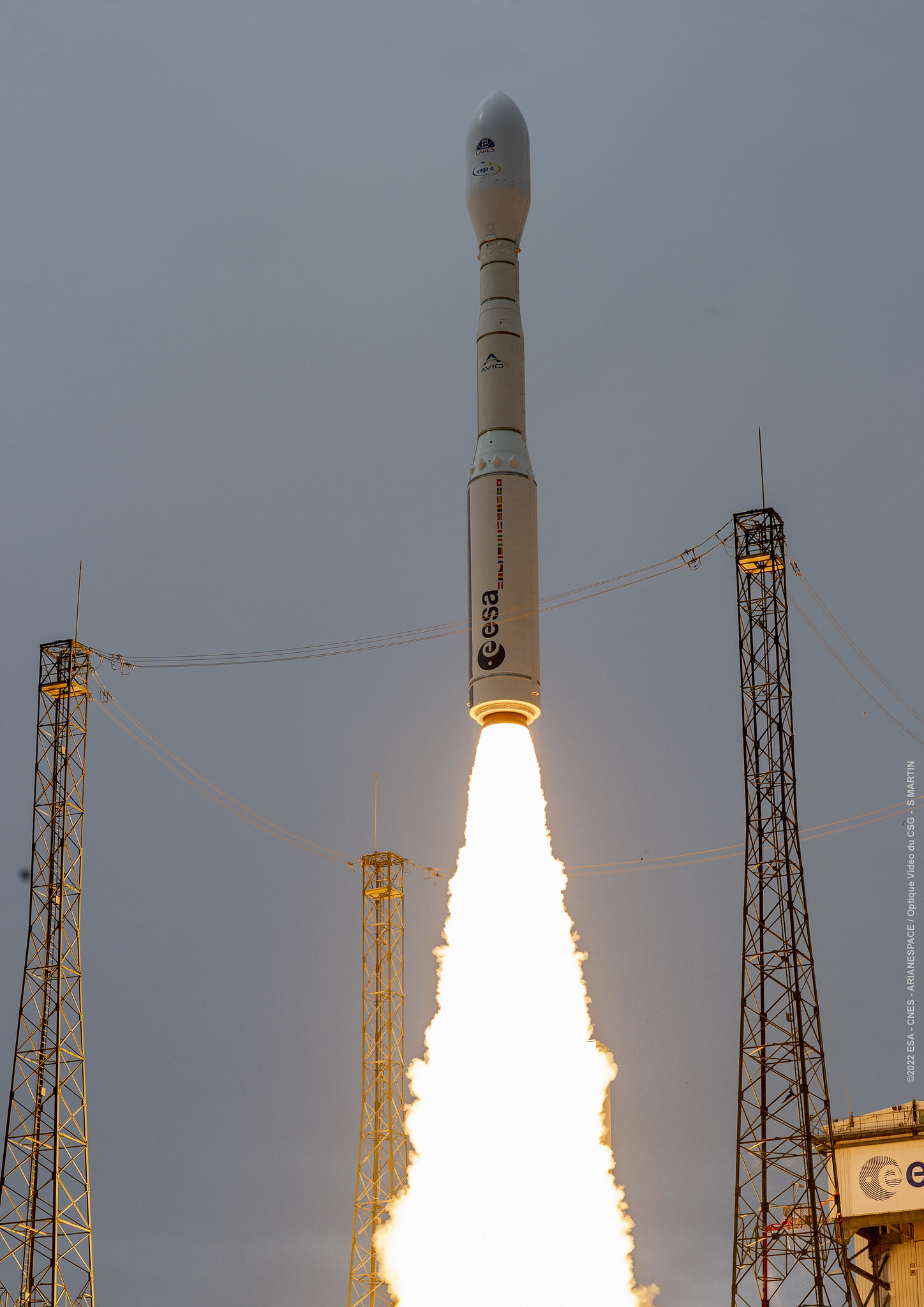
Today's briefing covers the largest-ever spectrum sharing demo planned by the Pentagon, innovative strategies for drone deployment in the Air Force, and significant military procurement developments.
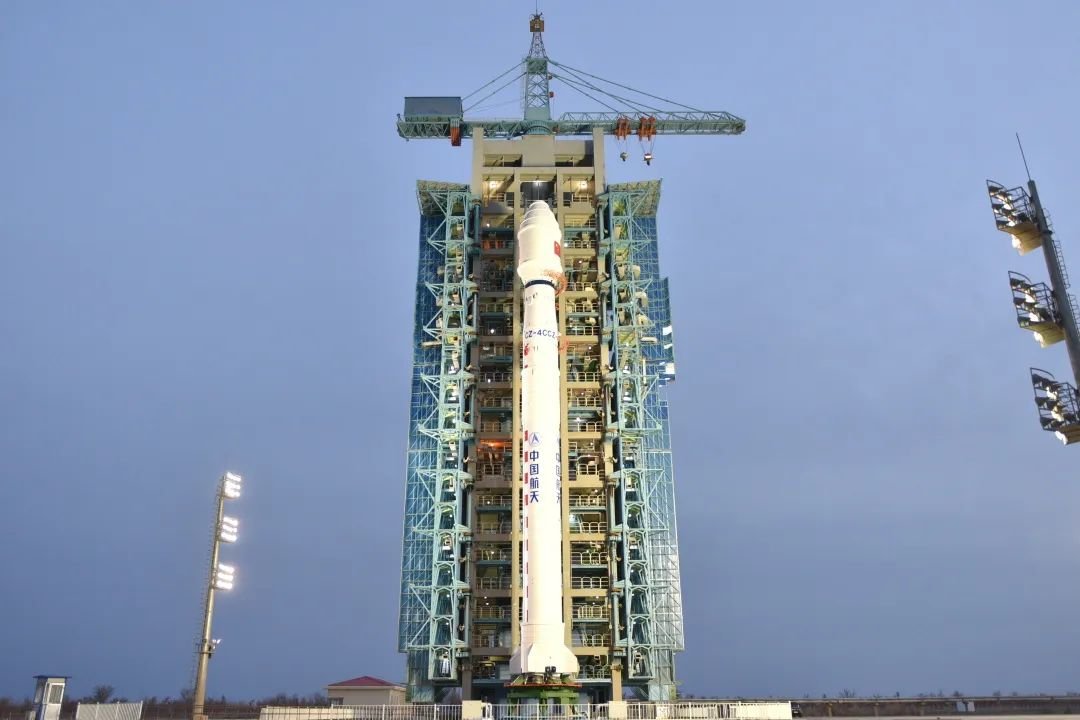
Discover the latest in satellite technology with the launch of the world's first wooden satellite, new test materials for the ISS, and significant developments in orbital space debris.
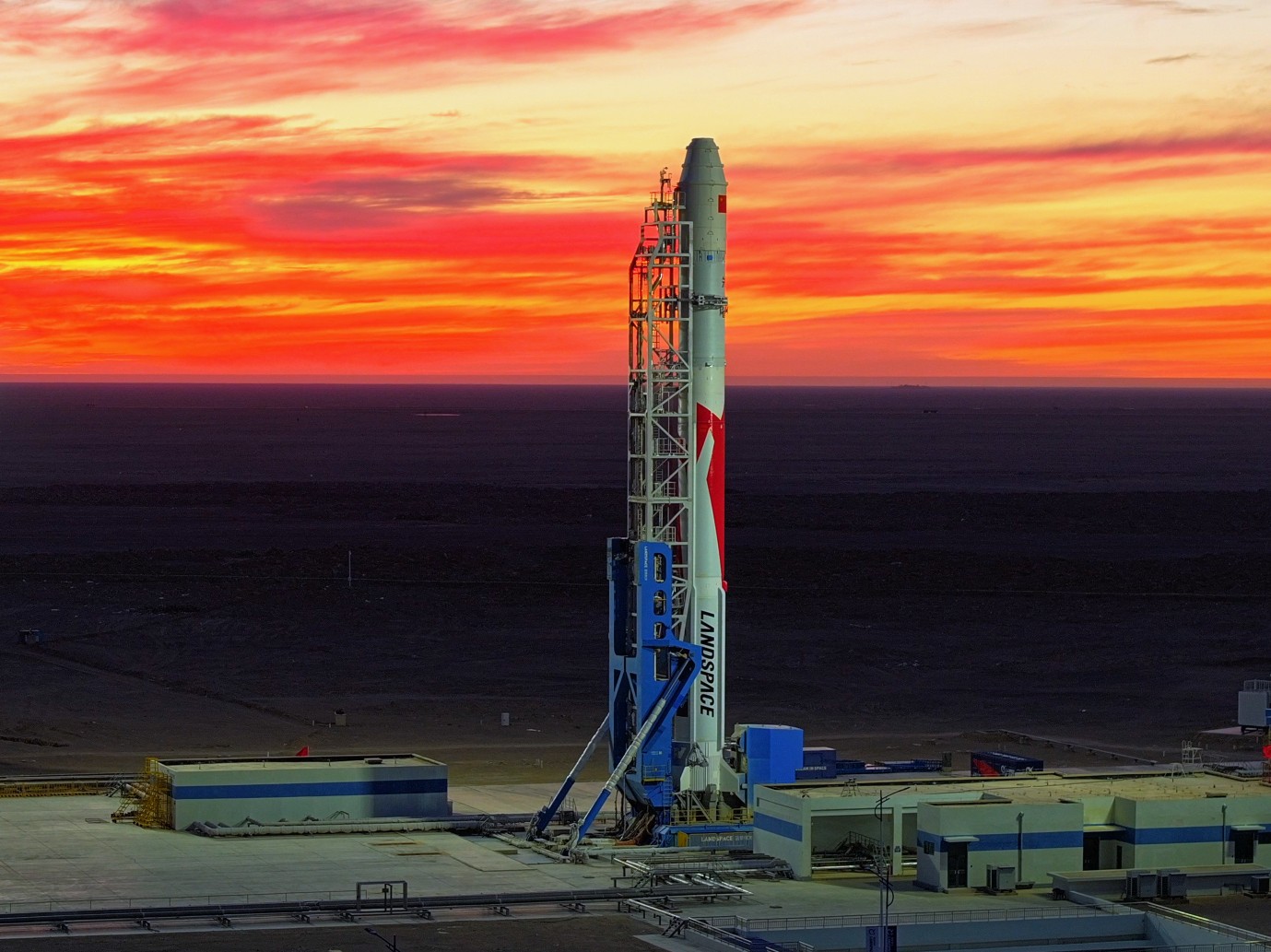
Today's brief covers Rocket Lab's Neutron being selected for military tests, Space Force's strategic updates, Germany's SAR satellite plans, and a significant NASA nomination.
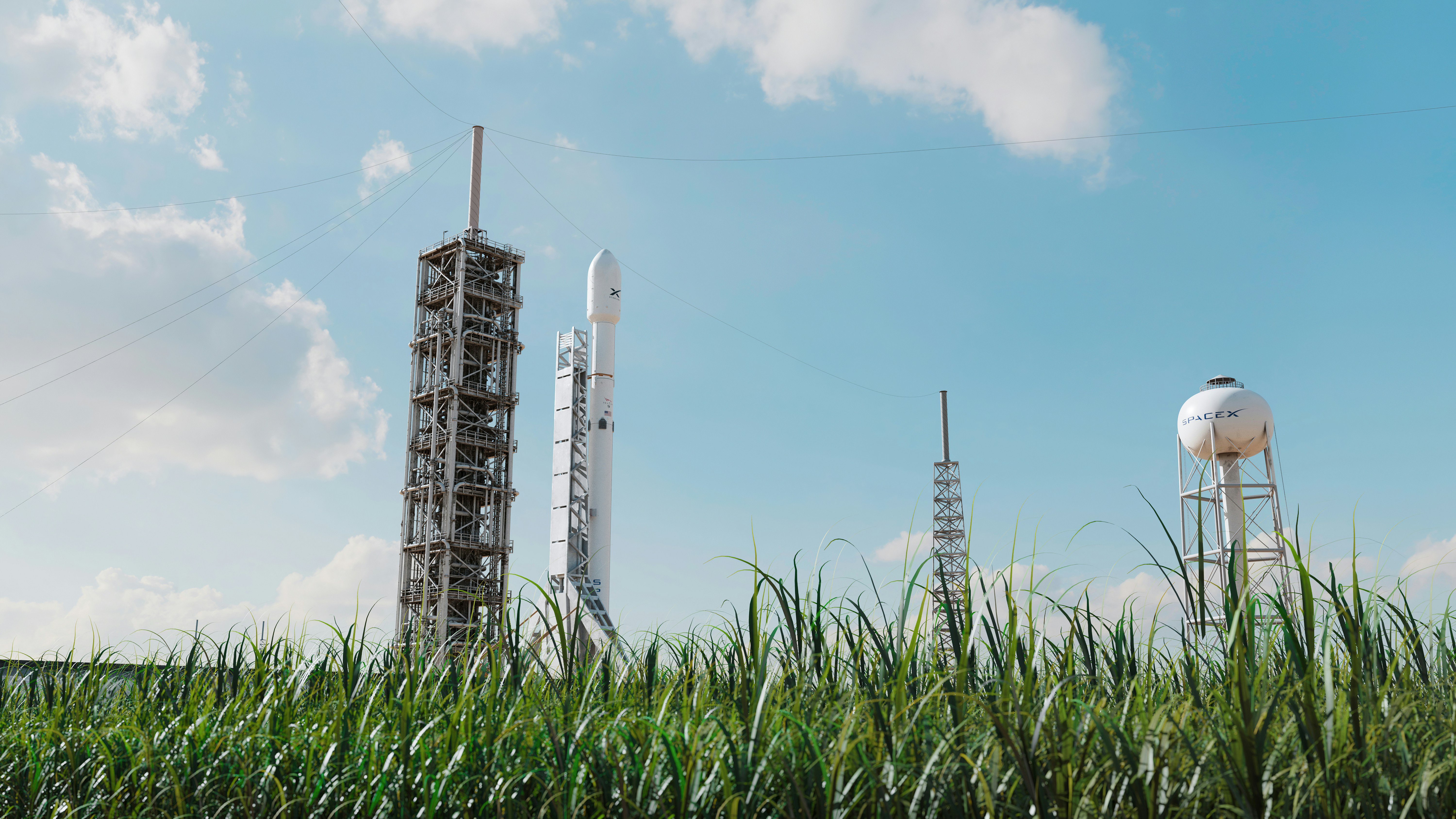
Falcon 9 booster reuse record: SpaceX's most-flown booster flew a 33rd flight Feb 21 with 28 Starlink V2 Minis. Two launches in a day; 9,779 on orbit.

A second Starlink satellite has generated on-orbit debris in just over 3 months, threatening SpaceX's 10,151-satellite working constellation.

What happens when space objects come home: the fiery physics of returning from orbit and why predicting where debris lands is so difficult
SpaceX's 600th Falcon 9 booster landing coincides with a $175M NASA Mars contract win and the final GPS III satellite launch this week.