


The Day That Changed Spaceflight Forever
Thirty-nine years ago, the loss of Space Shuttle Challenger and its seven crew members forever transformed our approach to spaceflight safety and risk management



Launch Date
March 10, 2024
Launch Site
Launch Pad
LC40
Launch Vehicle
NORAD ID
59200
International Designator
2024-045Y
Epoch
Sun, 19 Jul 2026 01:23:41 GMT
Apogee
Calculating...
Perigee
Calculating...
Inclination
43.00°
Right Ascension
70.54°
Eccentricity
Calculating...
Argument of Perigee
270.73°
Period
94.27 min
Mean Motion
15.28 rev/day
Latitude
Calculating...
Longitude
Calculating...
Altitude
Calculating...
Velocity
Calculating...
Name
STARLINK-31503
Alternative Name
Starlink 31503
Type
Status
Owner
SPXS
Country
United States
Constellation
N/A
Related Satellites
Major Events
N/A
1 59200U 24045Y 26200.05811926 .00002015 00000+0 82719-4 0 9991
2 59200 43.0009 70.5386 0001143 270.7332 89.3388 15.27583847133259
Source: Celestrak
Length
0.3
Diameter
4.1
Span
29
Dry Mass
700
Launch Mass
730
Shape
Box + pan
Radar Cross Section
Unknown
Visual Magnitude
Unknown
Color
Unknown
Material Composition
Unknown
Payload
Starlink Group 6-43-23
Purpose
Communication
Mission
Communication
Manufacturer
SPXS
Life Expectancy
Unknown
Bus
Starlink V2M
Configuration
Starlink v2 Mini
Motor
Argon ion thrusters
Equipment
Ku/Ka/E-band payload, optical inter-satellite link
Power System
Solar arrays, batteries
ADCS
Unknown
Transmitter Frequency
Unknown
Learn more about satellites and other related topics.
Thirty-nine years ago, the loss of Space Shuttle Challenger and its seven crew members forever transformed our approach to spaceflight safety and risk management
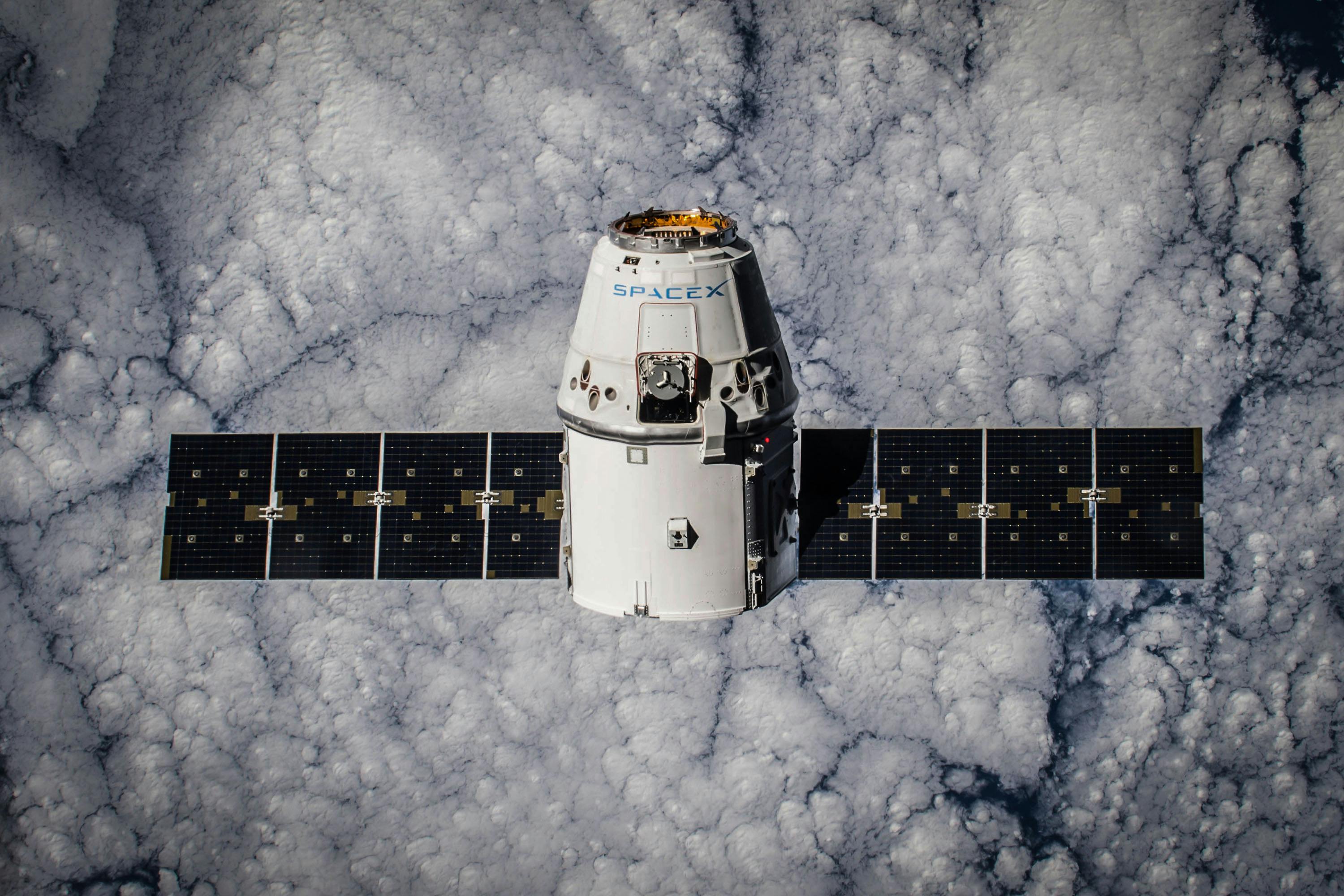
Today's brief highlights the U.S. Space Force's upcoming modular satellite mission, increased military reliance on commercial space intelligence, and the demand for expanded commercial reserve support. Learn more about these advancements alongside our Satellite Spotlight on Yaogan-30 B.
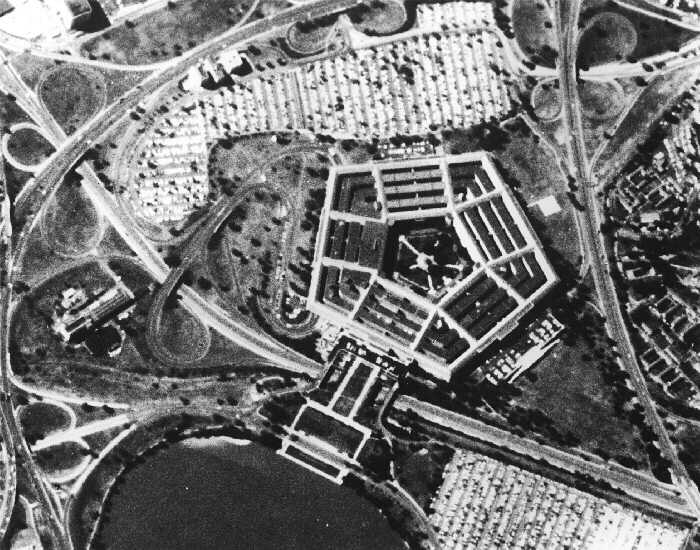
Sixty-three years ago, a Thor-Agena rocket launched the first dual-camera reconnaissance satellite, revolutionizing space-based intelligence while hiding behind the final use of a famous cover name

SpaceX targets May 19 for Starship V3's debut from Launch Pad 2, while the FCC approves a $2.4B EchoStar spectrum deal for Starlink.
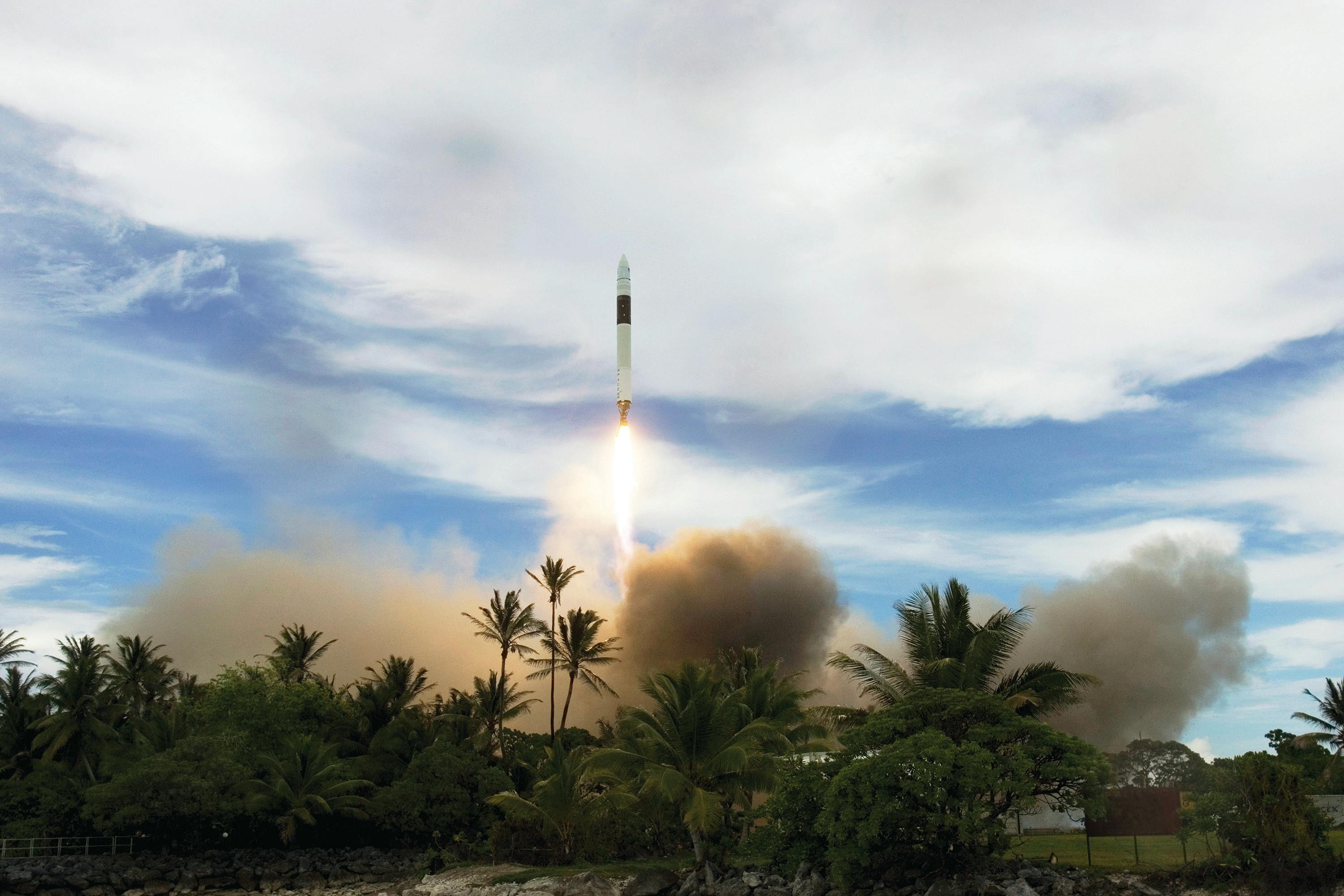
SpaceX's 2024 launch surge sets global records, with Florida making history in the U.S. Find out how these achievements are shaping the commercial space race.
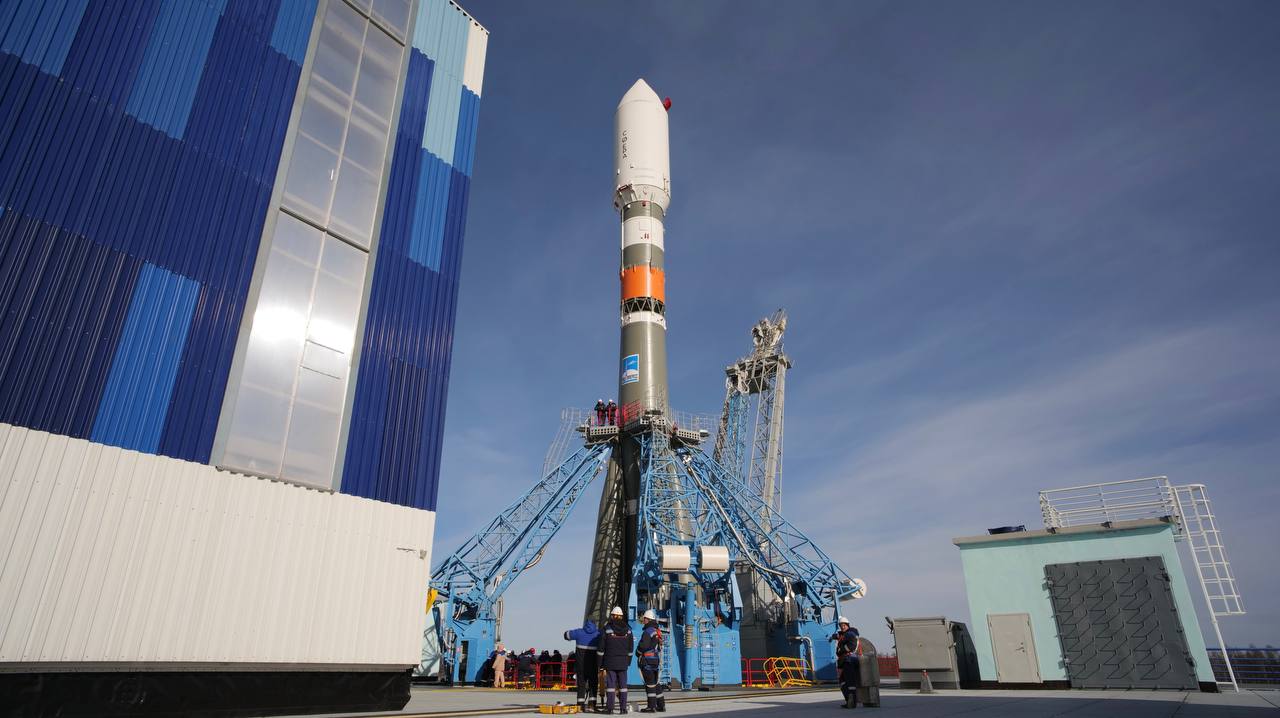
Today's brief covers influential space events including Space Force's interest in Starship, U.S. military constellation advancements, and technological developments in counter-drone capabilities.
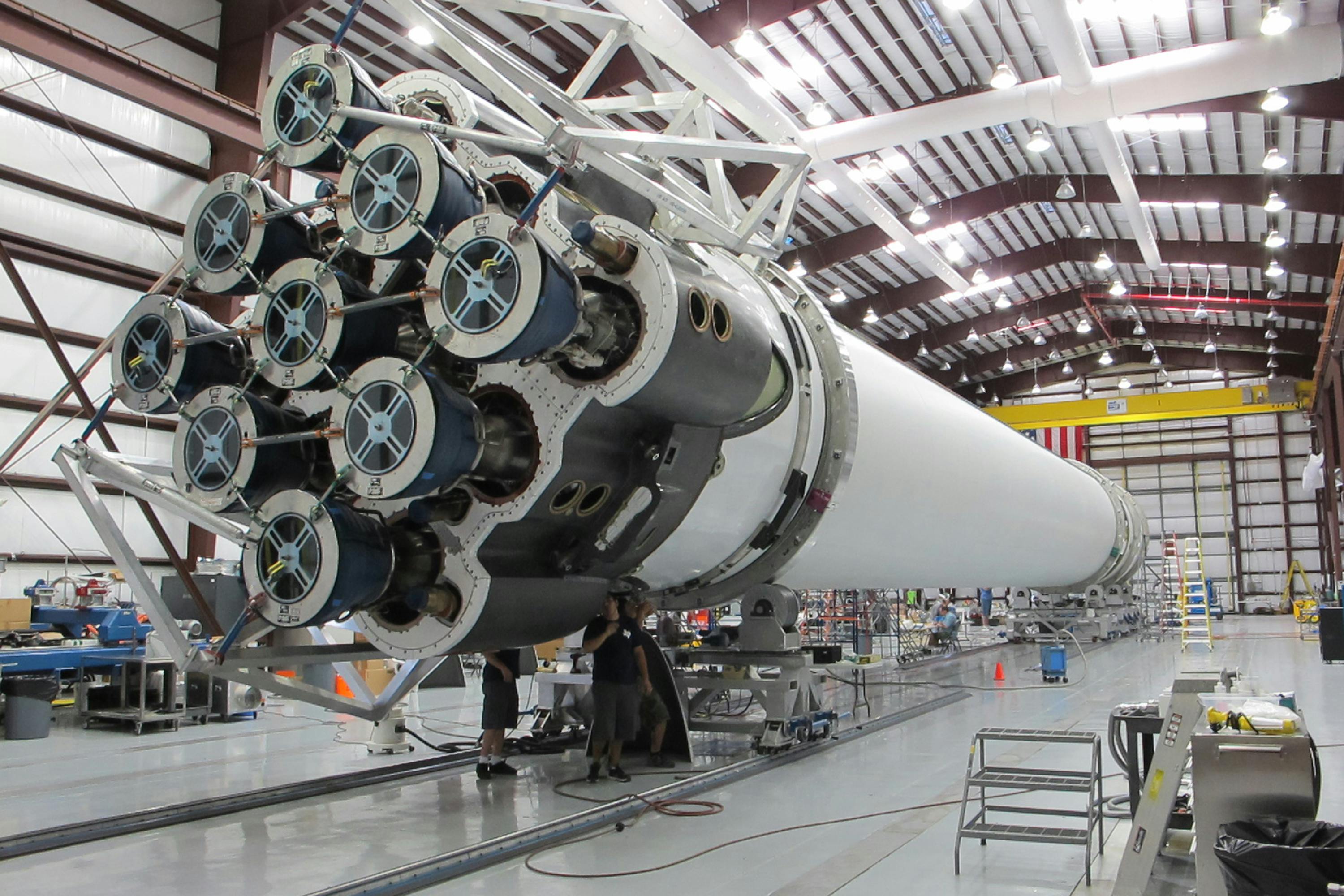
SpaceX Starlink updates for 2026 open with Starlink 6-88: 29 satellites from Cape Canaveral on Jan 4, after a record 165-launch 2025.
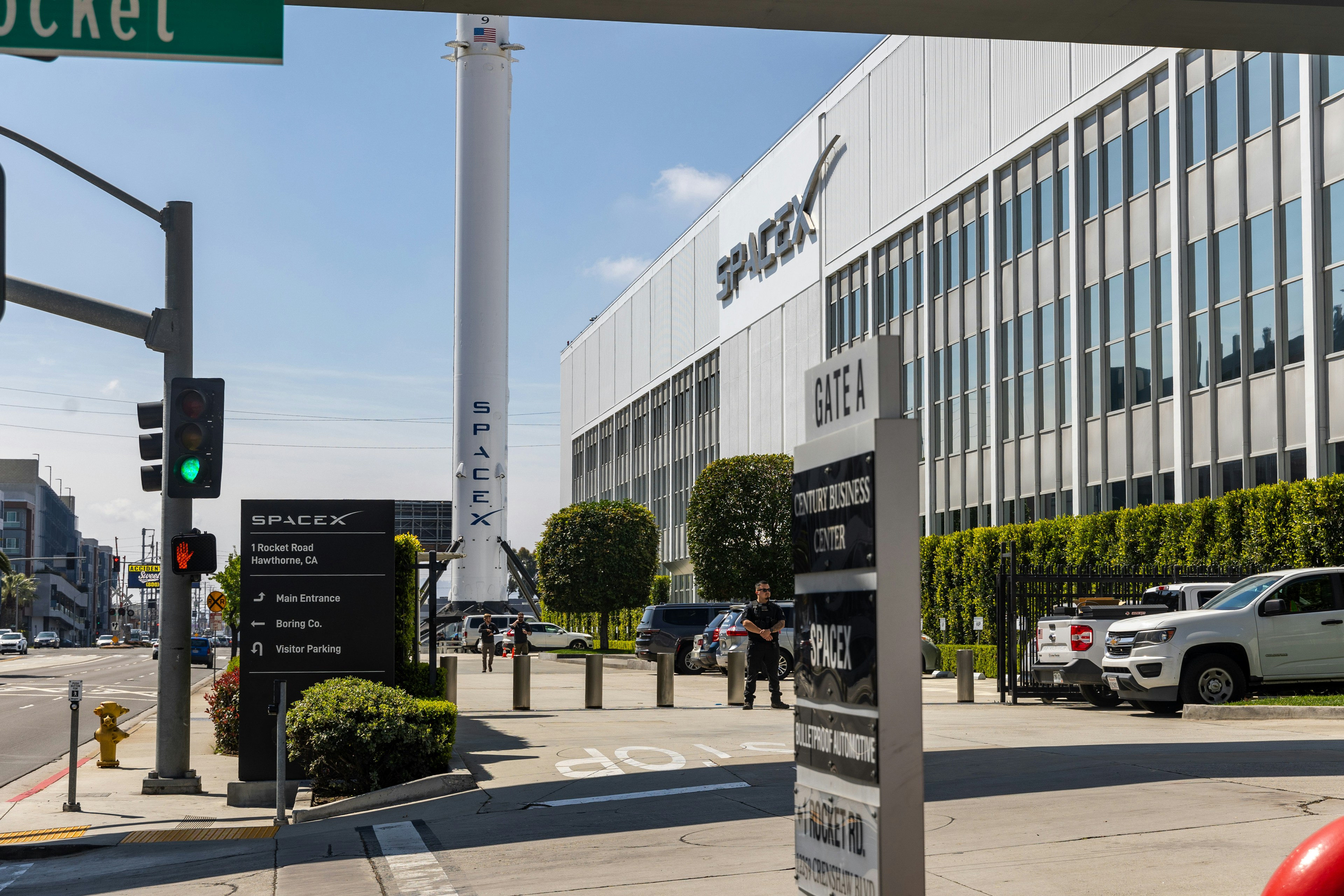
SpaceX's Crew-10 mission safely docks with the ISS, setting up for a crew rotation. Starlink continues its global expansion with additional satellite deployments.