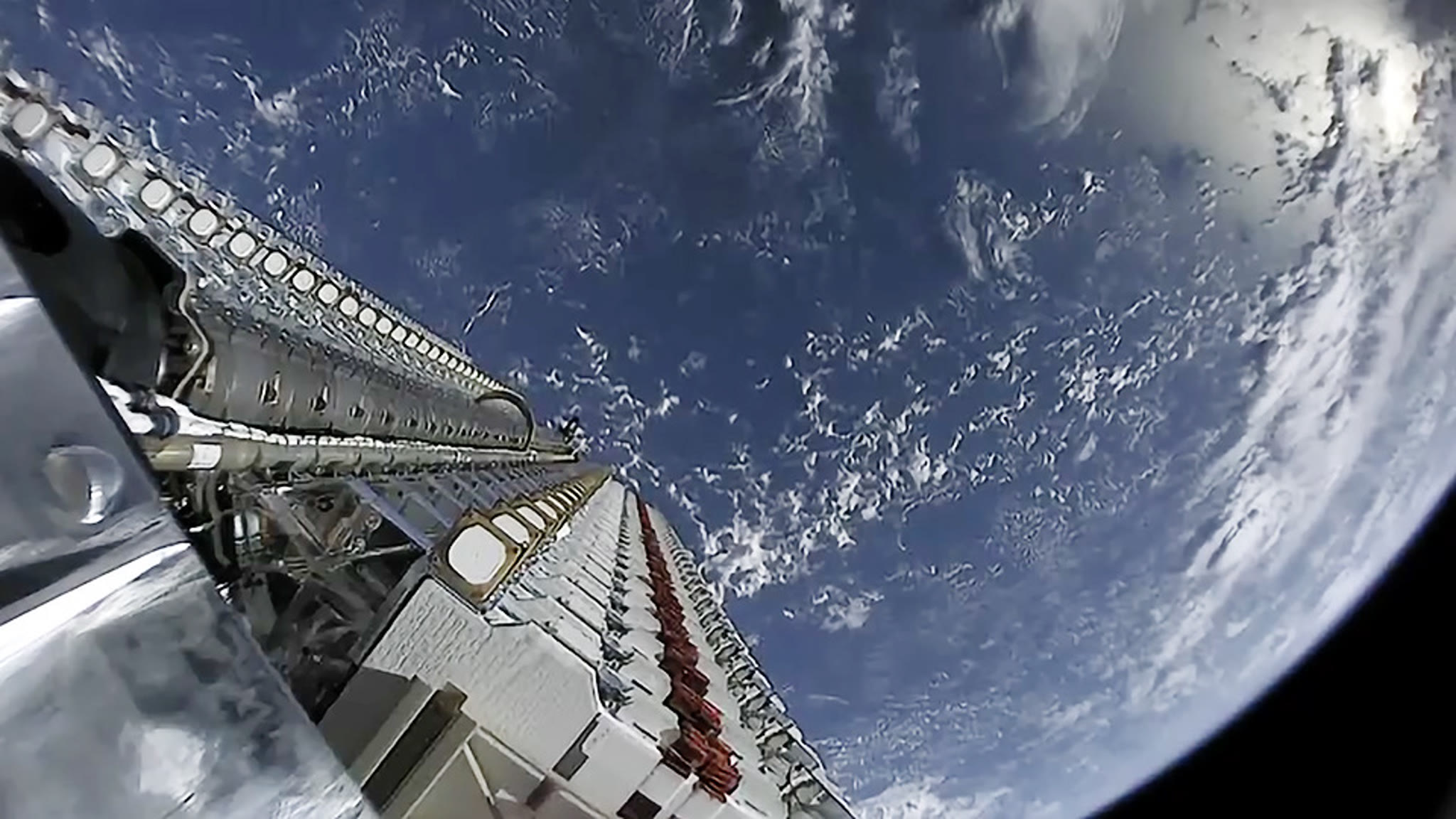
STARLINK-31394 (59185)

COSPAR: 2024-045H | Alt Name: Starlink 31394

Image
STARLINK-31394 Satellite Image
Additional Sources
Launch Details

Launch Date

March 10, 2024

Launch Pad

LC40

Launch Vehicle

Falcon 9

Orbital Elements

NORAD ID

59185

International Designator

2024-045H

Epoch

Sat, 18 Jul 2026 22:11:55 GMT

Apogee

Calculating...

Perigee

Calculating...

Inclination

43.01°

Right Ascension

60.90°

Eccentricity

Calculating...

Argument of Perigee

262.83°

Period

94.27 min

Mean Motion

15.28 rev/day

Latitude

Calculating...

Longitude

Calculating...

Altitude

Calculating...

Velocity

Calculating...

Polar Plot
3D Visualization
Basic Satellite Info

Name

STARLINK-31394

Alternative Name

Starlink 31394

Type

Payload

Status

Operational

Owner

SPXS

Country

United States

Constellation

N/A

Related Satellites

Major Events

N/A

Latest TLEs
1 59185U 24045H   26199.92494953  .00003190  00000+0  12545-3 0  9997
2 59185  43.0058  60.8960 0001008 262.8347  97.2390 15.27567798133352

Source: Celestrak

Summary
STARLINK-31394 is a communication satellite from the Starlink V2M series, specifically the Starlink v2 Mini configuration. Launched on March 10, 2024, from Cape Canaveral Air Force Station's LC40 using a Falcon 9 launch vehicle, this spacecraft has dimensions of 0.3 meters in length and 4.1 meters in diameter with a span of 29 meters. It weighs 730 kilograms at launch and 700 kilograms dry mass, powered by solar arrays and batteries. The satellite is equipped with Ku/Ka/E-band payload and an optical inter-satellite link for communication purposes. It uses Argon ion thrusters as its motor and has a box plus pan shape. Owned and operated by SpaceX (SPXS), it was stabilized on March 11, 2024.

Starlink is a satellite constellation developed by SpaceX with the aim of providing global broadband internet coverage. Thousands of small satellites are deployed in low Earth orbit (LEO), enabling high-speed internet access even in remote areas. However, the rapid increase in satellites raises concerns about space debris and the potential for collisions, which can lead to further debris creation and endanger other spacecraft. Additionally, the sheer number of Starlink satellites can affect astronomical observations by increasing light pollution. Proper deorbiting plans and international coordination are essential to mitigate these challenges and ensure long-term sustainability in space.
Physical Characteristics

Length

0.3

Diameter

4.1

Span

29

Dry Mass

700

Launch Mass

730

Shape

Box + pan

Radar Cross Section

Unknown

Visual Magnitude

Unknown

Color

Unknown

Material Composition

Unknown

Technical Details

Payload

Starlink Group 6-43-08

Purpose

Communication

Mission

Communication

Manufacturer

SPXS

Life Expectancy

Unknown

Bus

Starlink V2M

Configuration

Starlink v2 Mini

Motor

Argon ion thrusters

Equipment

Ku/Ka/E-band payload, optical inter-satellite link

Power System

Solar arrays, batteries

ADCS

Unknown

Transmitter Frequency

Unknown

Map
This tool will help you track the satellite's position and predict its upcoming passes over your location. Simply input the coordinates or click the geolocation button to get started.
Next Pass
Azimuth Elevation Time (Local)
Start Azimuth
Max Elevation
Stop Azimuth
Time Until
Pass Duration

Satellite Articles

View All Posts »

Learn more about satellites and other related topics.

Vulcan Centaur Launches GSSAP Surveillance Satellites for Space Force | KeepTrack Space Brief

Vulcan Centaur Launches GSSAP Surveillance Satellites for Space Force | KeepTrack Space Brief

ULA Vulcan Centaur launches USSF-87 with two GSSAP surveillance satellites to near-GEO orbit. NRO expands commercial imaging. Integrate raises $17M for classified platform.
X Report 8 Nov 2025

X Report 8 Nov 2025

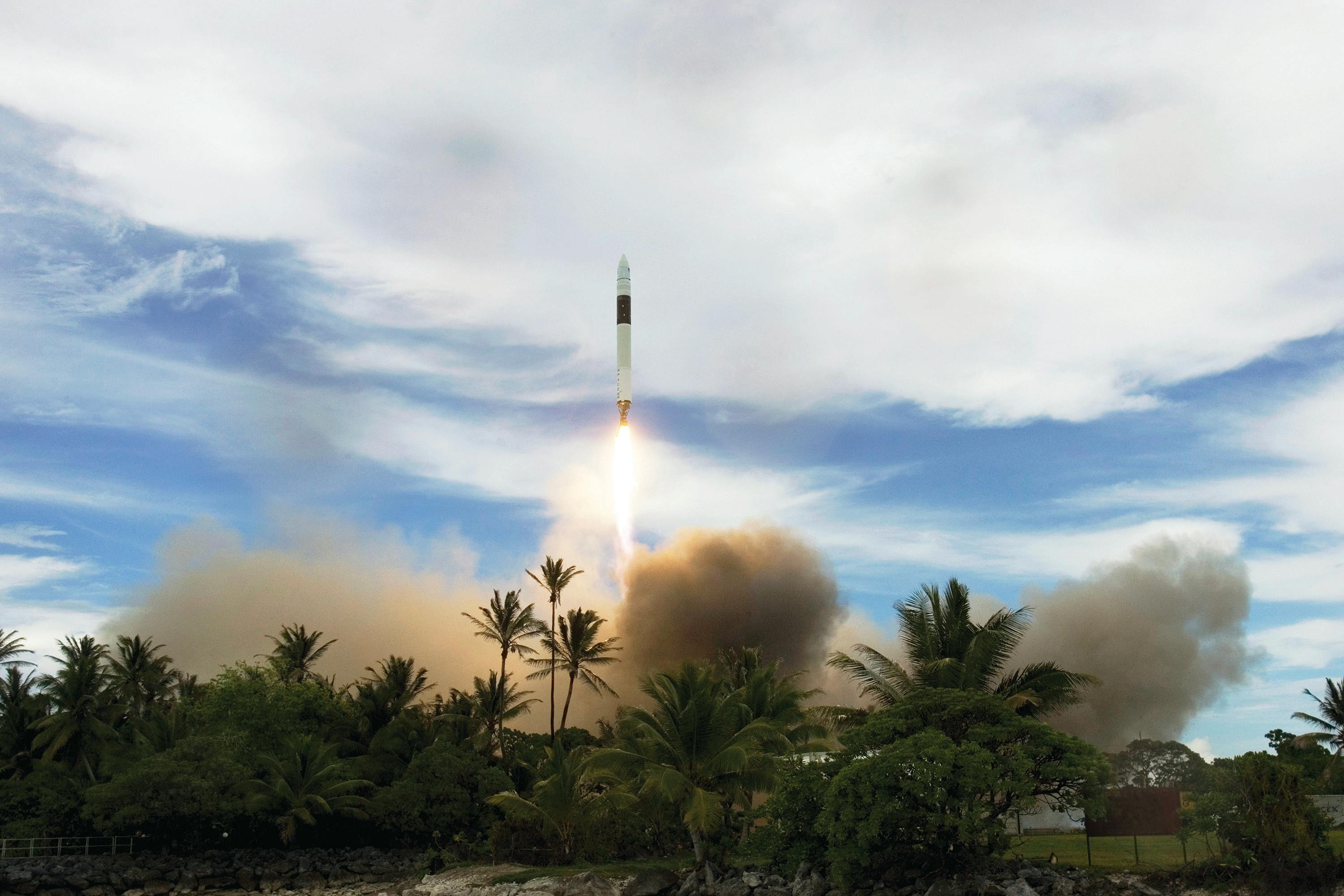
SpaceX prepares for its 560th Falcon 9 launch, aiming to deploy 29 Starlink satellites from Kennedy Space Center, while the Bandwagon-4 mission continues to showcase successful rocket landings.

NASA Declares MAVEN Dead; Eastern Range Damage Assessment Underway | KeepTrack Space Brief

NASA Declares MAVEN Dead; Eastern Range Damage Assessment Underway | KeepTrack Space Brief

NASA officially ended the MAVEN Mars orbiter mission after months of radio silence following an anomaly. Space Force assessing Eastern Range damage from separate incident affecting launch cadence.

Space Brief 3 Mar 2025

Space Brief 3 Mar 2025

Historic moon landing by Firefly Aerospace, Spanish Air and Space Force advances with new simulator, and spotlight on OneWeb's communication satellite.

X Report 3 Feb 2025

X Report 3 Feb 2025

SpaceX prepares for another Starlink launch from Florida, while recent Starship incident raises environmental concerns.

Space Brief 21 Jul 2025

Space Brief 21 Jul 2025

Today's brief covers SpaceX's latest Starlink launch, fascinating exoplanet discoveries, and strategic lunar developments by China and South Korea.

X Report 24 Apr 2025

X Report 24 Apr 2025

SpaceX continues its historic launch cadence, includes Starlink expansion and business strategies in focus.

The 300,000 Swerves Keeping Low Earth Orbit From Crashing

The 300,000 Swerves Keeping Low Earth Orbit From Crashing

Starlink satellites fired their thrusters to dodge a collision roughly 300,000 times in 2025, about 822 times a day. Behind that number is a fragile, half-automated system of warnings, probabilities, and judgment calls that decides which close approaches are worth a maneuver and which are just noise.