


X Report 21 May 2025
SpaceX successfully launched 23 Starlink satellites using a new Falcon 9 rocket, marking a significant milestone for the company as it expands its satellite internet constellation.



Launch Date
March 10, 2024
Launch Site
Launch Pad
LC40
Launch Vehicle
NORAD ID
59179
International Designator
2024-045B
Epoch
Sun, 19 Jul 2026 00:15:26 GMT
Apogee
Calculating...
Perigee
Calculating...
Inclination
43.00°
Right Ascension
71.06°
Eccentricity
Calculating...
Argument of Perigee
269.82°
Period
94.27 min
Mean Motion
15.28 rev/day
Latitude
Calculating...
Longitude
Calculating...
Altitude
Calculating...
Velocity
Calculating...
Name
STARLINK-31410
Alternative Name
Starlink 31410
Type
Status
Owner
SPXS
Country
United States
Constellation
N/A
Related Satellites
Major Events
N/A
1 59179U 24045B 26200.01072713 .00006804 00000+0 25650-3 0 9995
2 59179 43.0001 71.0551 0001252 269.8193 90.2515 15.27586174133249
Source: Celestrak
Length
0.3
Diameter
4.1
Span
29
Dry Mass
700
Launch Mass
730
Shape
Box + pan
Radar Cross Section
Unknown
Visual Magnitude
Unknown
Color
Unknown
Material Composition
Unknown
Payload
Starlink Group 6-43-02
Purpose
Communication
Mission
Communication
Manufacturer
SPXS
Life Expectancy
Unknown
Bus
Starlink V2M
Configuration
Starlink v2 Mini
Motor
Argon ion thrusters
Equipment
Ku/Ka/E-band payload, optical inter-satellite link
Power System
Solar arrays, batteries
ADCS
Unknown
Transmitter Frequency
Unknown
Learn more about satellites and other related topics.
SpaceX successfully launched 23 Starlink satellites using a new Falcon 9 rocket, marking a significant milestone for the company as it expands its satellite internet constellation.
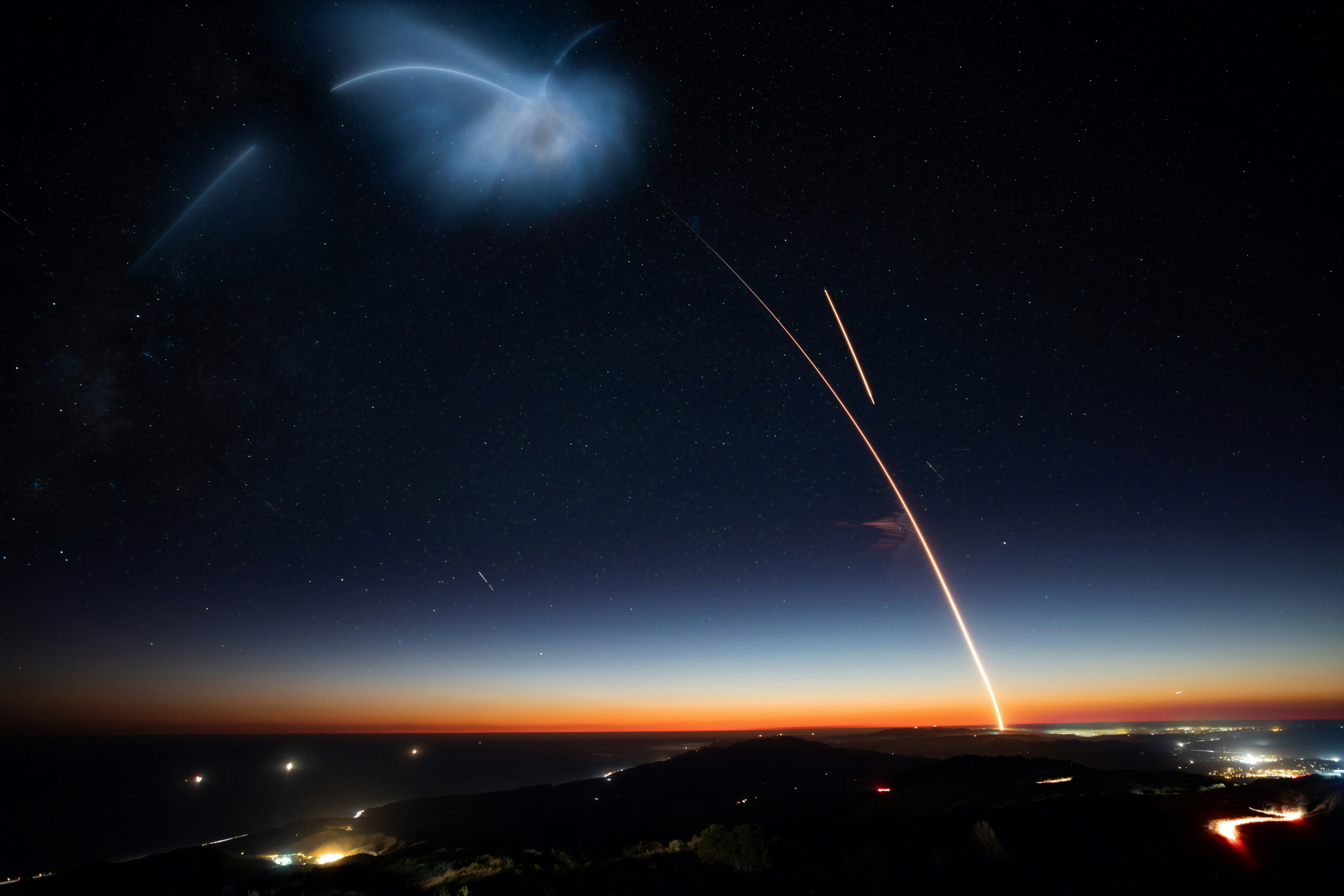
FAA greenlights Flight 8 of SpaceX's Starship while senators examine Air Force nominee's ties to the company.

A recap of notable space events including the Soyuz MS-26 launch to the ISS, Polaris Dawn's altitude achievement, and satellite tracking updates.
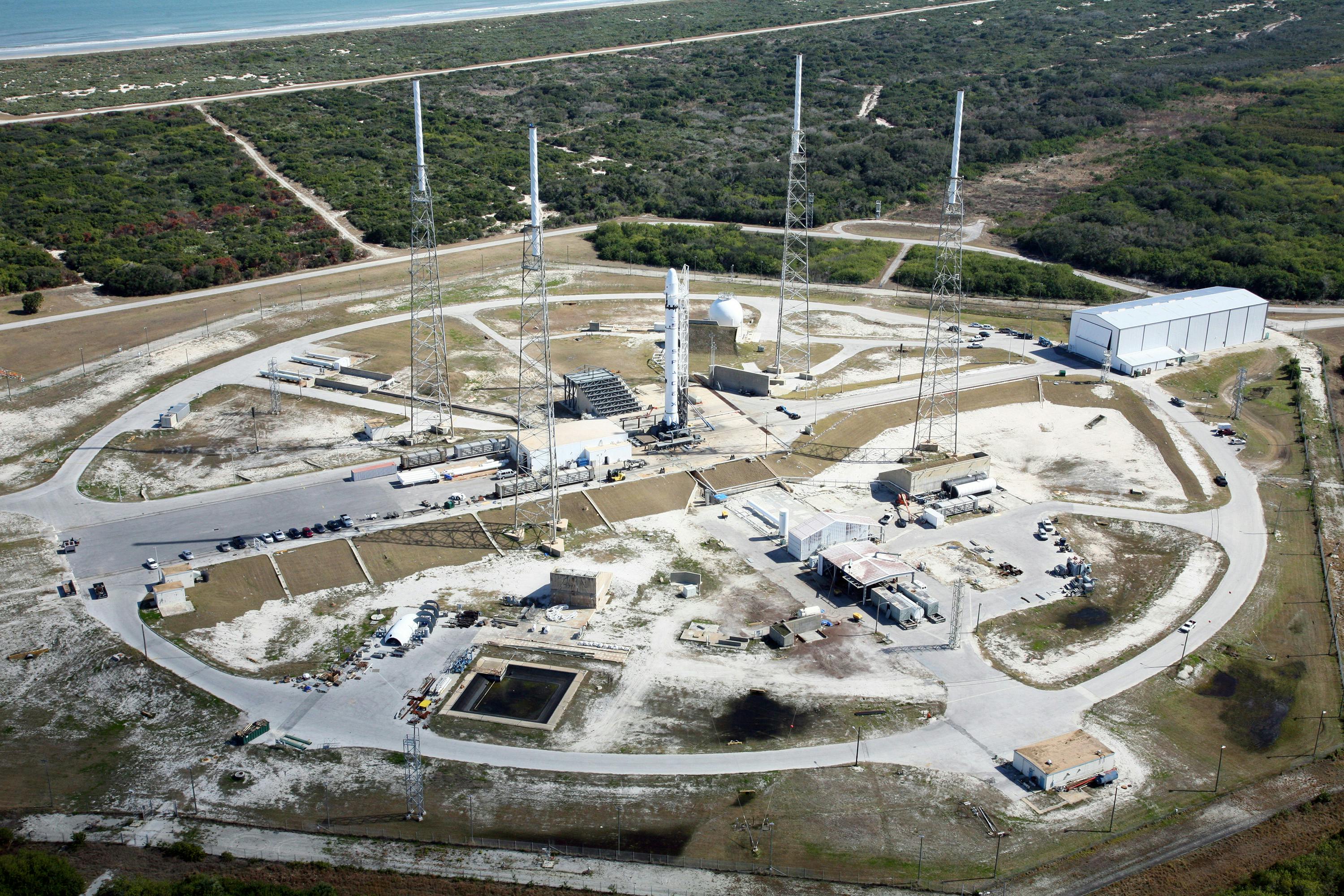
SpaceX's Transporter-17 rideshare carried 81 payloads including history's first nuclear-powered commercial satellite on July 7.
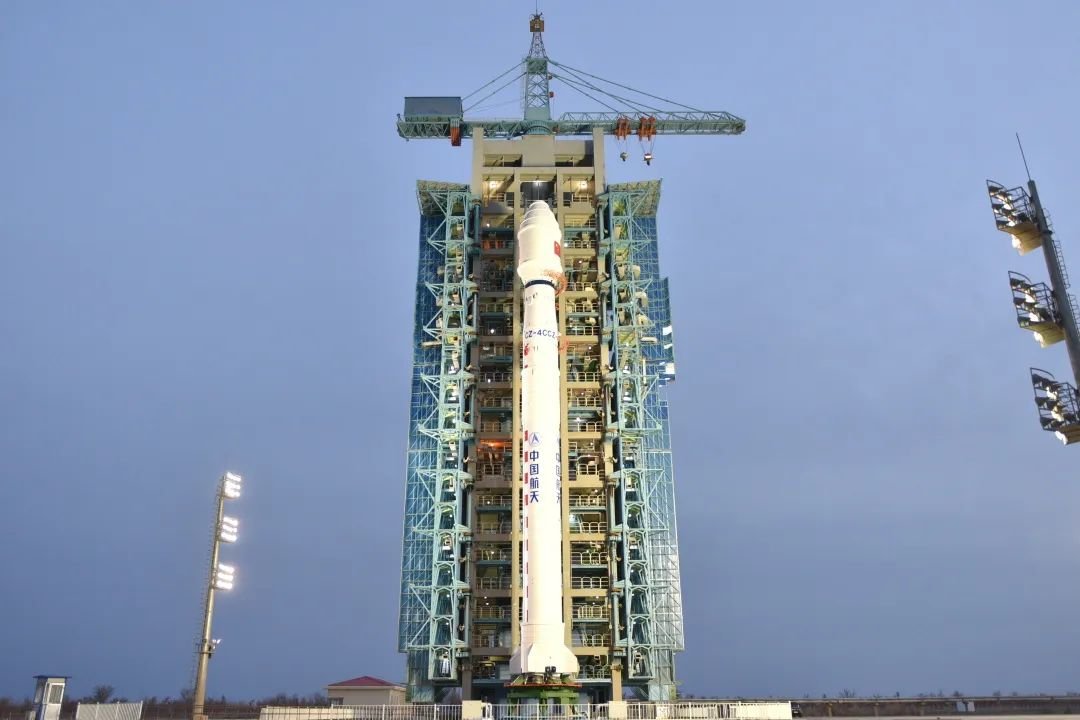
Today's Space Brief covers the inaugural national security mission of ULA's Vulcan Centaur, the Space Force's 2026 budget insights, and shifts in military drone technology.
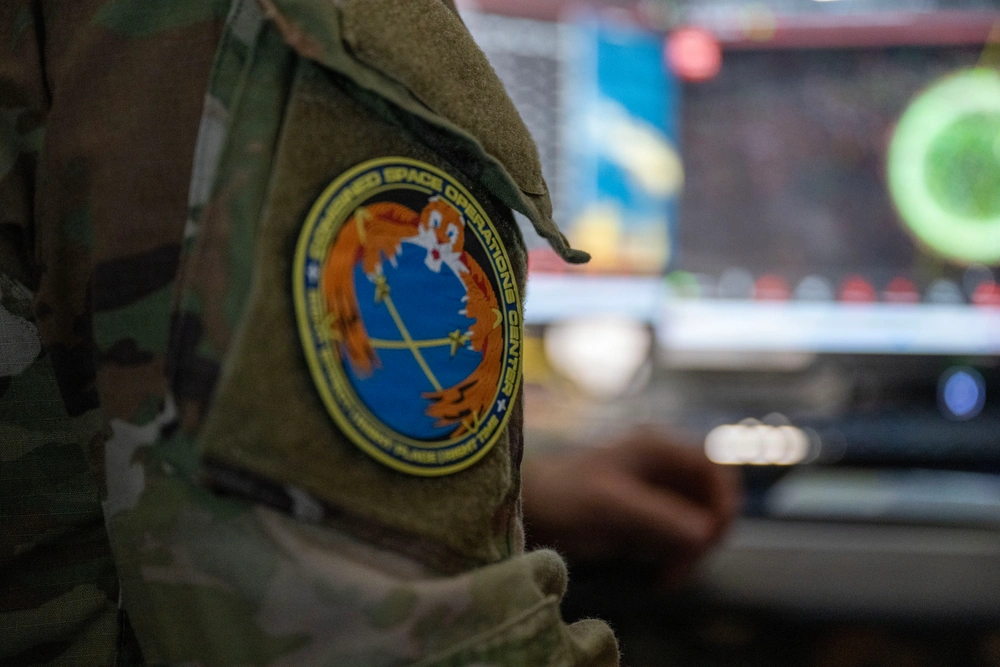
Iran launches drones and missiles at UAE and Saudi targets. Space Force opens secretive tracking data to commercial firms. Falcon 9 breakup linked to lithium pollution in upper atmosphere.
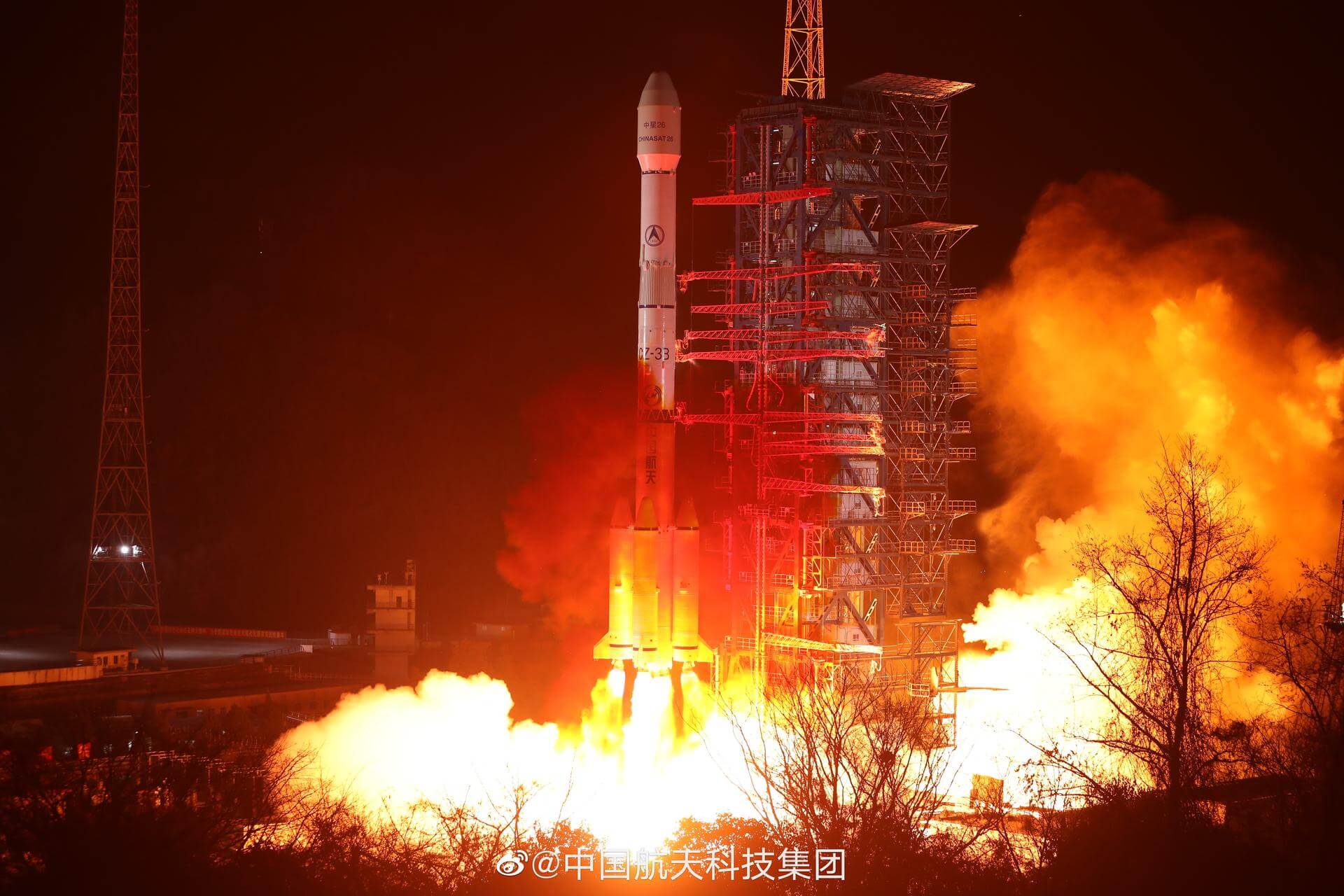
Focusing on military satellite initiatives, defense strategies, and advancements in air and cyber capabilities

Today's Space Brief highlights the U.S. Air Force's $48 million investment in testing reentry capsules, a Pentagon-backed GPS alternative, and the Space Force's quest for funding autonomy.