



Space Brief 10 Dec 2024
Today's highlights include a new 5G demonstration launch on Firefly, potential supply chain interruptions in the defense sector, and updates on Artemis and ULA launches.



Launch Date
March 4, 2024
Launch Site
Launch Pad
LC40
Launch Vehicle
NORAD ID
59165
International Designator
2024-044P
Epoch
Sun, 19 Jul 2026 00:42:17 GMT
Apogee
Calculating...
Perigee
Calculating...
Inclination
43.00°
Right Ascension
85.17°
Eccentricity
Calculating...
Argument of Perigee
263.64°
Period
94.27 min
Mean Motion
15.28 rev/day
Latitude
Calculating...
Longitude
Calculating...
Altitude
Calculating...
Velocity
Calculating...
Name
STARLINK-31325
Alternative Name
Starlink 31325
Type
Status
Owner
SPXS
Country
United States
Constellation
N/A
Related Satellites
Major Events
N/A
1 59165U 24044P 26200.02937405 .00000430 00000+0 25157-4 0 9990
2 59165 43.0006 85.1722 0000989 263.6385 96.4354 15.27576989133653
Source: Celestrak
Length
0.3
Diameter
4.1
Span
29
Dry Mass
700
Launch Mass
730
Shape
Box + pan
Radar Cross Section
Unknown
Visual Magnitude
Unknown
Color
Unknown
Material Composition
Unknown
Payload
Starlink Group 6-41-14
Purpose
Communication
Mission
Communication
Manufacturer
SPXS
Life Expectancy
Unknown
Bus
Starlink V2M
Configuration
Starlink v2 Mini
Motor
Argon ion thrusters
Equipment
Ku/Ka/E-band payload, optical inter-satellite link
Power System
Solar arrays, batteries
ADCS
Unknown
Transmitter Frequency
Unknown
Learn more about satellites and other related topics.
Today's highlights include a new 5G demonstration launch on Firefly, potential supply chain interruptions in the defense sector, and updates on Artemis and ULA launches.

Today's Space Brief covers a Soyuz launch mishap that damaged Baikonur pad, Varda Space's AFRL test flights, ION vehicles aboard SpaceX Transporter-15, and more.
Today's highlights include SpaceX's 250th Starlink mission, a key Senate vote for NASA's next administrator, and insights into satellite missions and movements.

Northrop Grumman's GEM 63XL solid rocket booster passed static fire testing, but ULA's investigation into a February 2026 Vulcan in-flight anomaly remains open. No RTF date set.
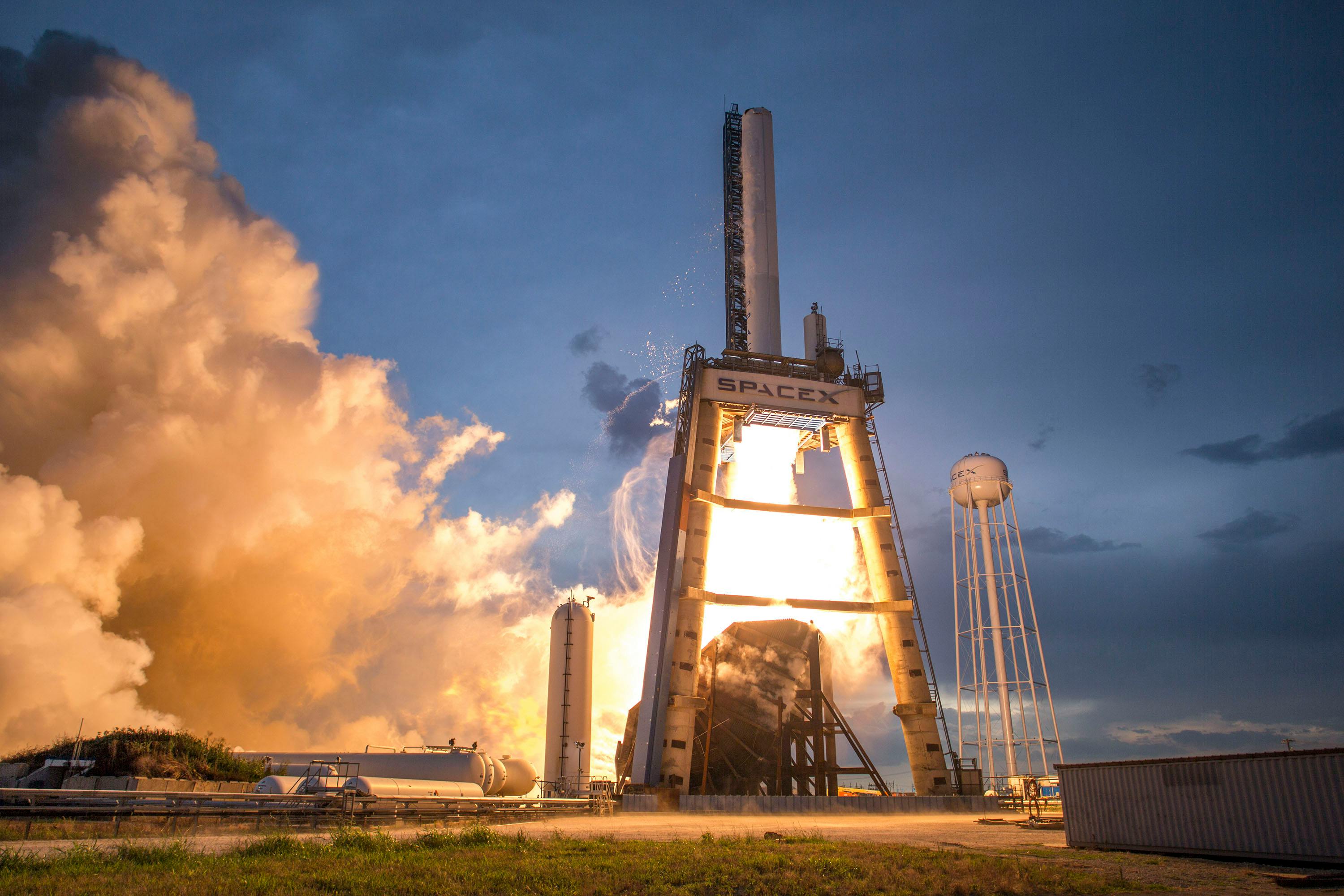
SpaceX successfully launched 19 Starlink satellites from California amidst a weather-related scrub of the Crew-11 mission to the ISS, showcasing the company’s focus on expanding its satellite constellation while overcoming operational challenges.

China confirms first one-year human spaceflight and Pakistani astronaut for Tiangong. Air Force develops X-68A missile-launching drone. Poland unveils $51B defense spending plan.

Fifty-four years ago, a Saturn V rocket lifted off carrying three astronauts determined to prove America could still reach the Moon after the near-disaster of Apollo 13

Today's brief covers Firefly's acquisition, military tracking from the moon, France's boost in military space funding, and more.