


Space Brief 26 Aug 2025
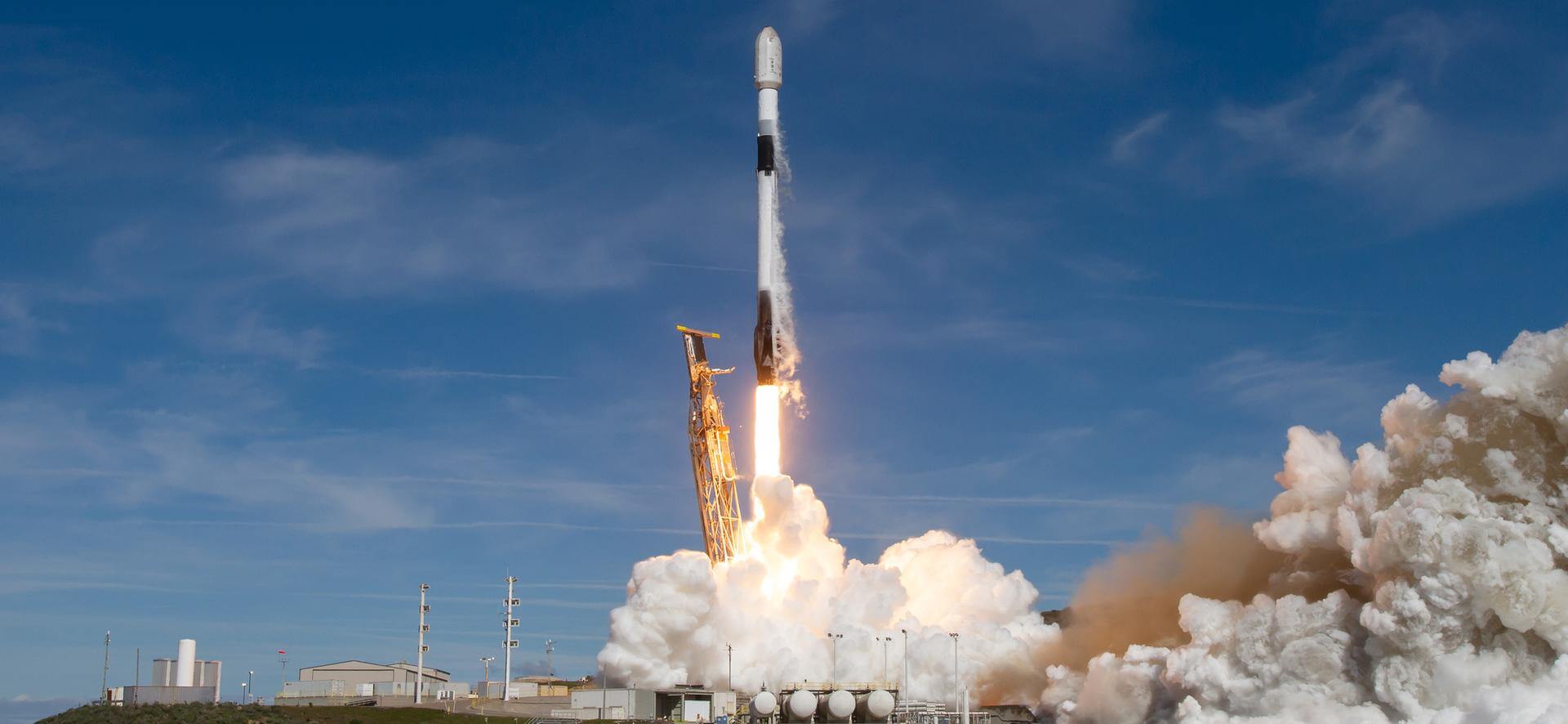
Today's space news highlights include U.S. military satellite deployments, innovative AI aboard the Chinese space station, and breakthroughs in interplanetary communications.


NORAD ID
59130
International Designator
2024-043AJ
Epoch
Sun, 19 Jul 2026 15:46:05 GMT
Apogee
Calculating...
Perigee
Calculating...
Inclination
97.56°
Right Ascension
346.38°
Eccentricity
Calculating...
Argument of Perigee
103.34°
Period
93.28 min
Mean Motion
15.44 rev/day
Latitude
Calculating...
Longitude
Calculating...
Altitude
Calculating...
Velocity
Calculating...
Name
GHOST-5
Alternative Name
GHOST-5
Type
Status
Owner
ORBSK
Country
United States
Constellation
N/A
Related Satellites
Major Events
N/A
1 59130U 24043AJ 26200.65700340 .00008152 00000+0 18261-3 0 9992
2 59130 97.5635 346.3757 0008577 103.3423 256.8782 15.43683256132527
Source: Celestrak
Length
0.6
Diameter
0.5
Span
2
Dry Mass
85
Launch Mass
85
Shape
Box+dish
Radar Cross Section
Unknown
Visual Magnitude
Unknown
Color
Unknown
Material Composition
Unknown
Payload
GHOST-5
Purpose
Technology
Mission
Technology
Manufacturer
ADIG
Life Expectancy
3-5 years
Bus
Corvus-XL
Configuration
Corvus-XL
Motor
None
Equipment
Hyperspectral imager
Power System
Solar cells, batteries
ADCS
Unknown
Transmitter Frequency
Unknown
Learn more about satellites and other related topics.
Today's space news highlights include U.S. military satellite deployments, innovative AI aboard the Chinese space station, and breakthroughs in interplanetary communications.

Today's briefing covers a surprise launch by Israel, a milestone missile contract for Lockheed Martin, and updates on Indian missile defense strategies.
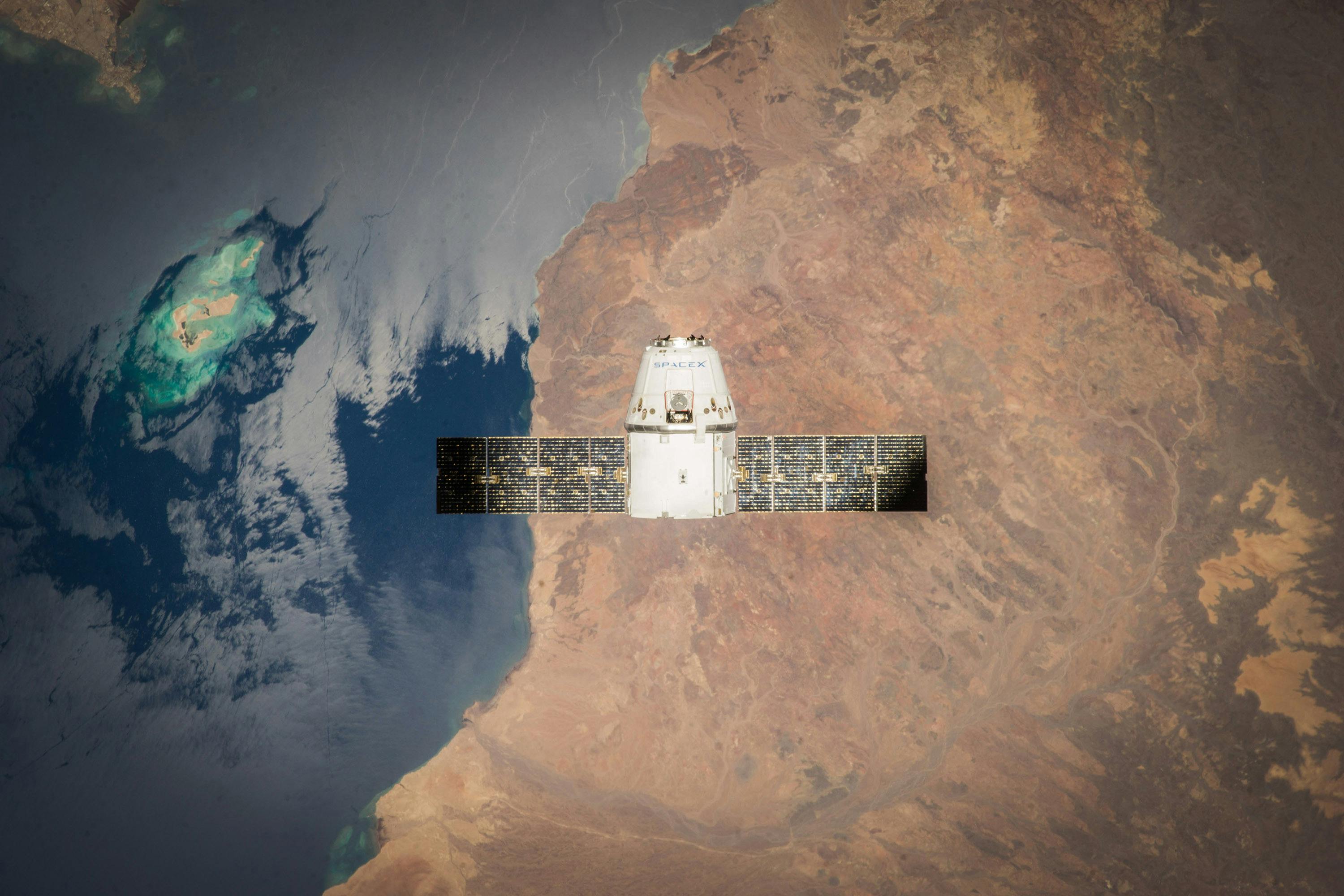
Wall Street analyst Dan Ives predicts a Tesla-SpaceX merger by 2027, while a quantum magnetometer launches March 30 on Falcon 9 rideshare.

The Kessler Syndrome threatens humanity's future in space as cascading satellite collisions create exponential debris growth. With 36,000+ tracked objects and recent incidents accelerating risks, we face a critical juncture: implement solutions now or potentially lose access to low Earth orbit forever.
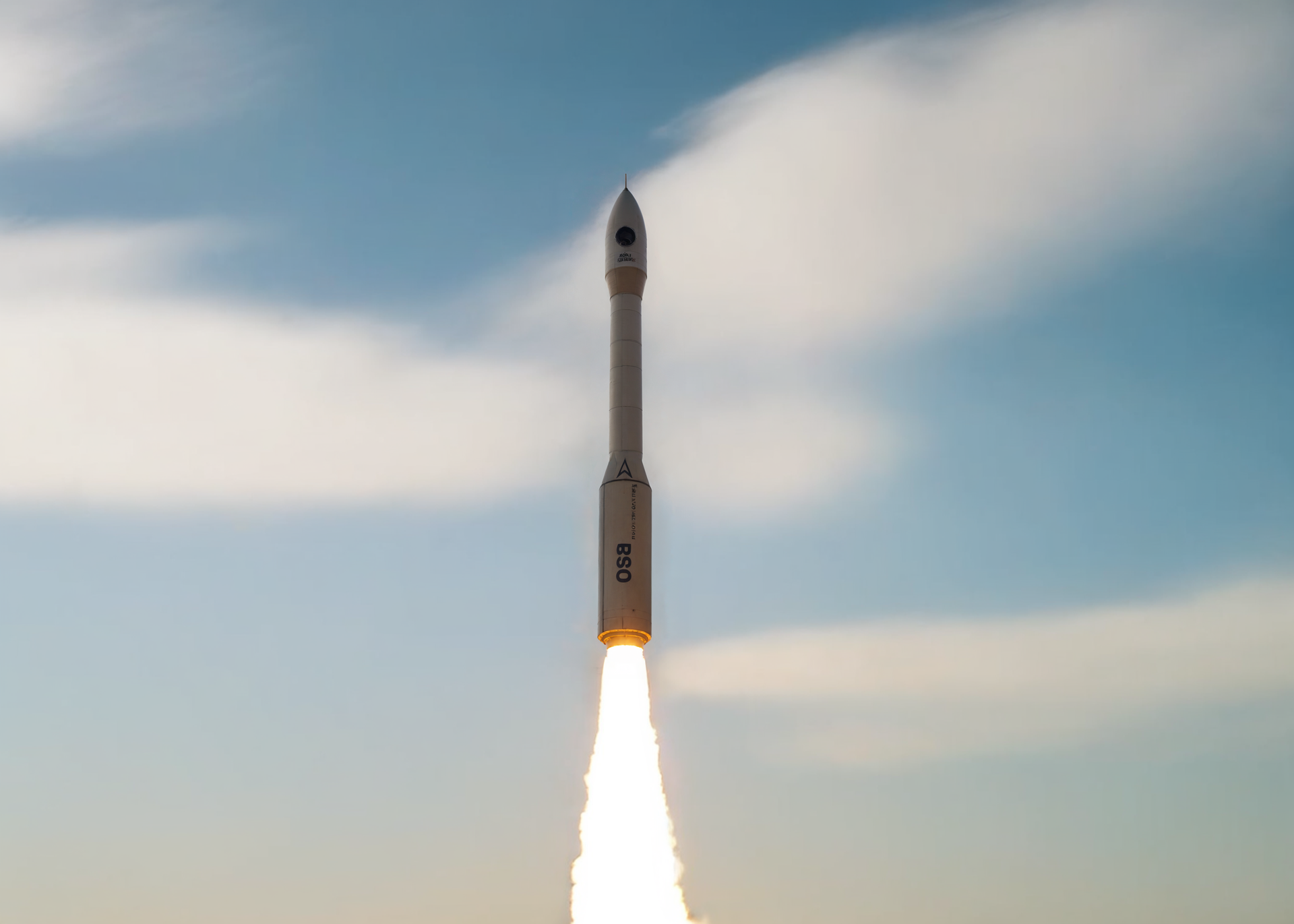
Today we cover the final launch of Vega's original version, a significant milestone for SpaceX with the U.S. military, preparations for NASA's Starliner return, and more.

Today's highlights include Space Force's new satcom design contracts, advances in AI training tools, Pentagon drone policy shifts, and the first Eris launch's failure.

The final satellite in a multi-billion-dollar program that learned its hardest lesson from a clogged pipe. GOES-19 is now NOAA's eyes on every Atlantic hurricane - and it's already found dozens of comets no one was looking for.
NASA's Van Allen Probe A (1,300 lbs) reenters today after 14 years studying Earth's radiation belts. Most debris will burn up; ocean impact statistically likely.