



Space Brief 8 Dec 2025
Today's edition covers SpaceX scrubbing and successfully launching Starlink satellites, AI innovations in spacecraft propulsion, and the impact of SPHERE's debris disk survey in discovering hidden asteroid belts.



NORAD ID
59010
International Designator
2024-036N
Epoch
Sun, 19 Jul 2026 09:37:03 GMT
Apogee
Calculating...
Perigee
Calculating...
Inclination
53.16°
Right Ascension
186.71°
Eccentricity
Calculating...
Argument of Perigee
70.09°
Period
94.11 min
Mean Motion
15.30 rev/day
Latitude
Calculating...
Longitude
Calculating...
Altitude
Calculating...
Velocity
Calculating...
Name
STARLINK-31528
Alternative Name
Starlink 31528
Type
Status
Owner
SPXS
Country
United States
Constellation
N/A
Related Satellites
Major Events
N/A
1 59010U 24036N 26200.40073698 .00001810 00000+0 73261-4 0 9999
2 59010 53.1587 186.7116 0001745 70.0852 290.0336 15.30185835135488
Source: Celestrak
Length
0.3
Diameter
4.1
Span
29
Dry Mass
700
Launch Mass
730
Shape
Box + pan
Radar Cross Section
Unknown
Visual Magnitude
Unknown
Color
Unknown
Material Composition
Unknown
Payload
Starlink Group 7-15-13
Purpose
Communication
Mission
Communication
Manufacturer
SPXS
Life Expectancy
Unknown
Bus
Starlink V2M
Configuration
Starlink v2 Mini
Motor
Argon ion thrusters
Equipment
Ku/Ka/E-band payload, optical inter-satellite link
Power System
Solar arrays, batteries
ADCS
Unknown
Transmitter Frequency
Unknown
Learn more about satellites and other related topics.
Today's edition covers SpaceX scrubbing and successfully launching Starlink satellites, AI innovations in spacecraft propulsion, and the impact of SPHERE's debris disk survey in discovering hidden asteroid belts.

Today's Space Brief covers China's latest satellite launch, Russian threats to UK satellites, European defense strategies, and upcoming satellite launches from SatLeo and Quantum Space.
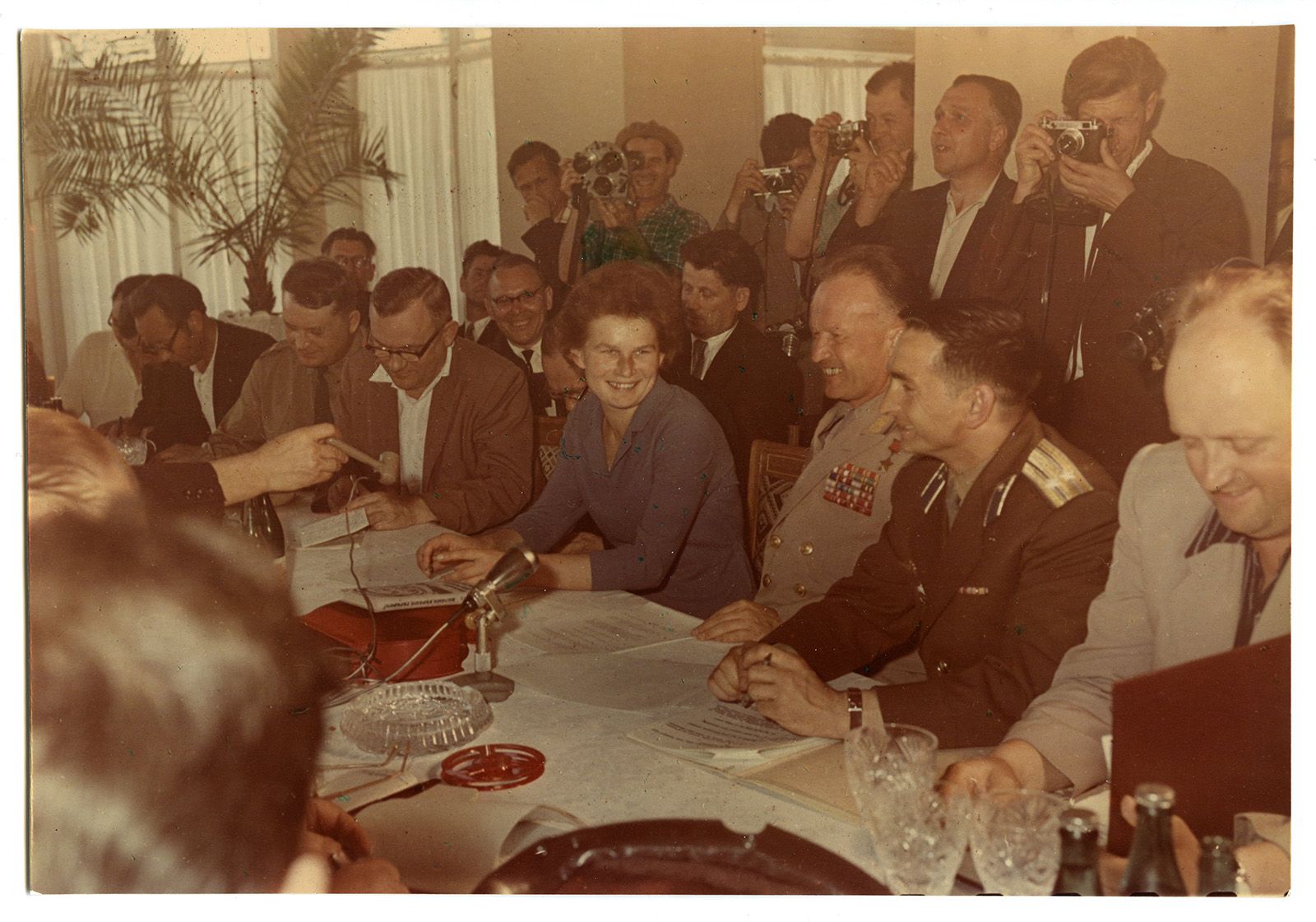
On 16 June 1963, a 26-year-old former textile worker named Valentina Tereshkova launched aboard Vostok 6 and spent nearly three days alone in orbit. She flew 48 times around the Earth, longer than every American astronaut combined, and spotted a dangerous flaw in her descent program that ground controllers had missed.
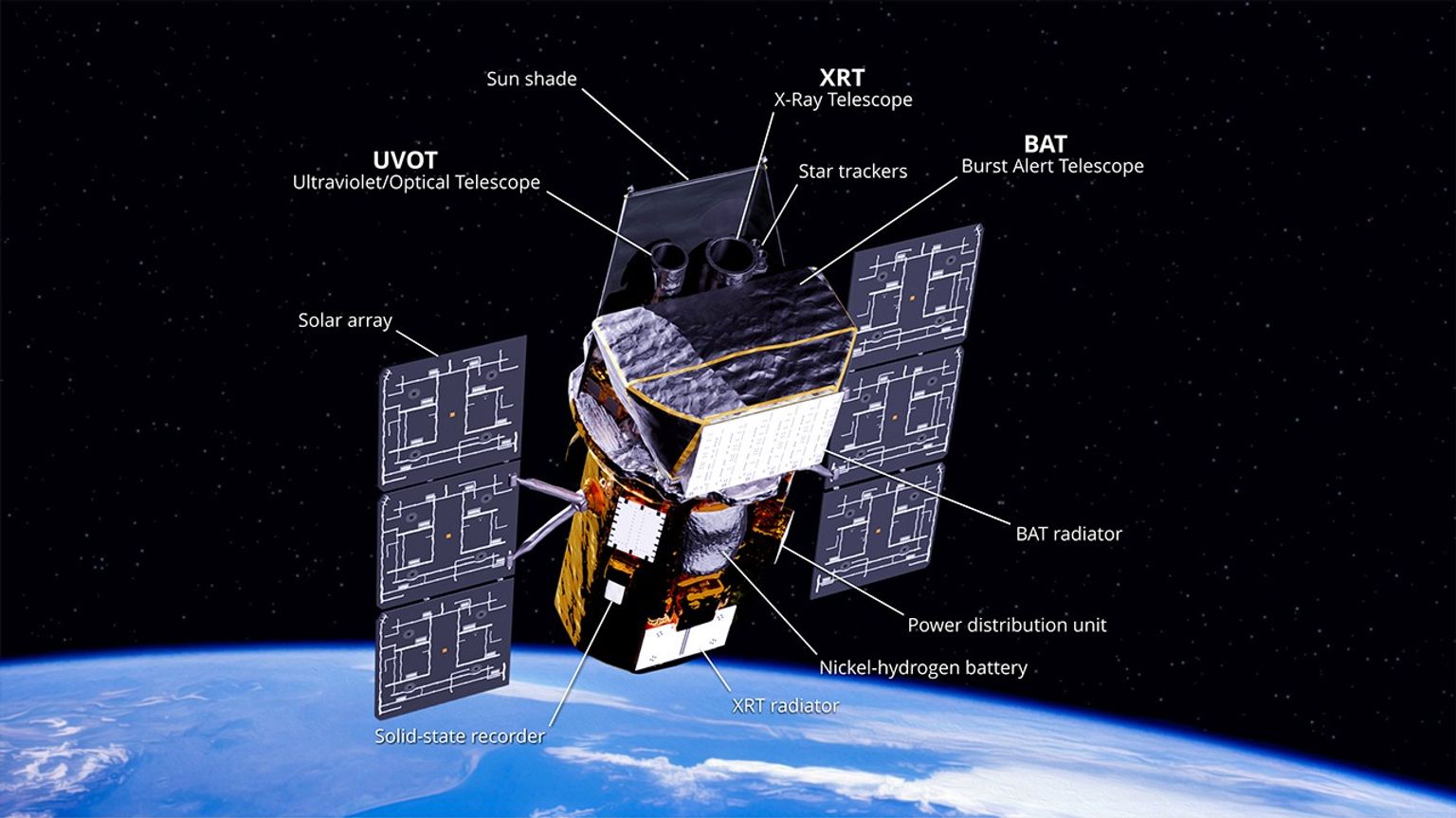
Designed for a two-year mission to catch gamma-ray bursts in the act, Swift is now 21 years old, slowly falling out of the sky, and the subject of an unprecedented private rescue mission. Nobody planned for it to be this hard to let go.
Kratos awarded $447 million Space Force contract for Resilient Missile Warning Tracking ground ops center in Medium Earth Orbit, shifting missile detection away from vulnerable GEO satellites.
SpaceX's Starlink dish offers gigabit speeds, boosting competitiveness; NRO taps SpaceX for satellite launches, expanding spy satellite network.

SpaceX bids farewell to LZ-1 while continuing its mission towards advancements in satellite technology and the ongoing Starlink project.
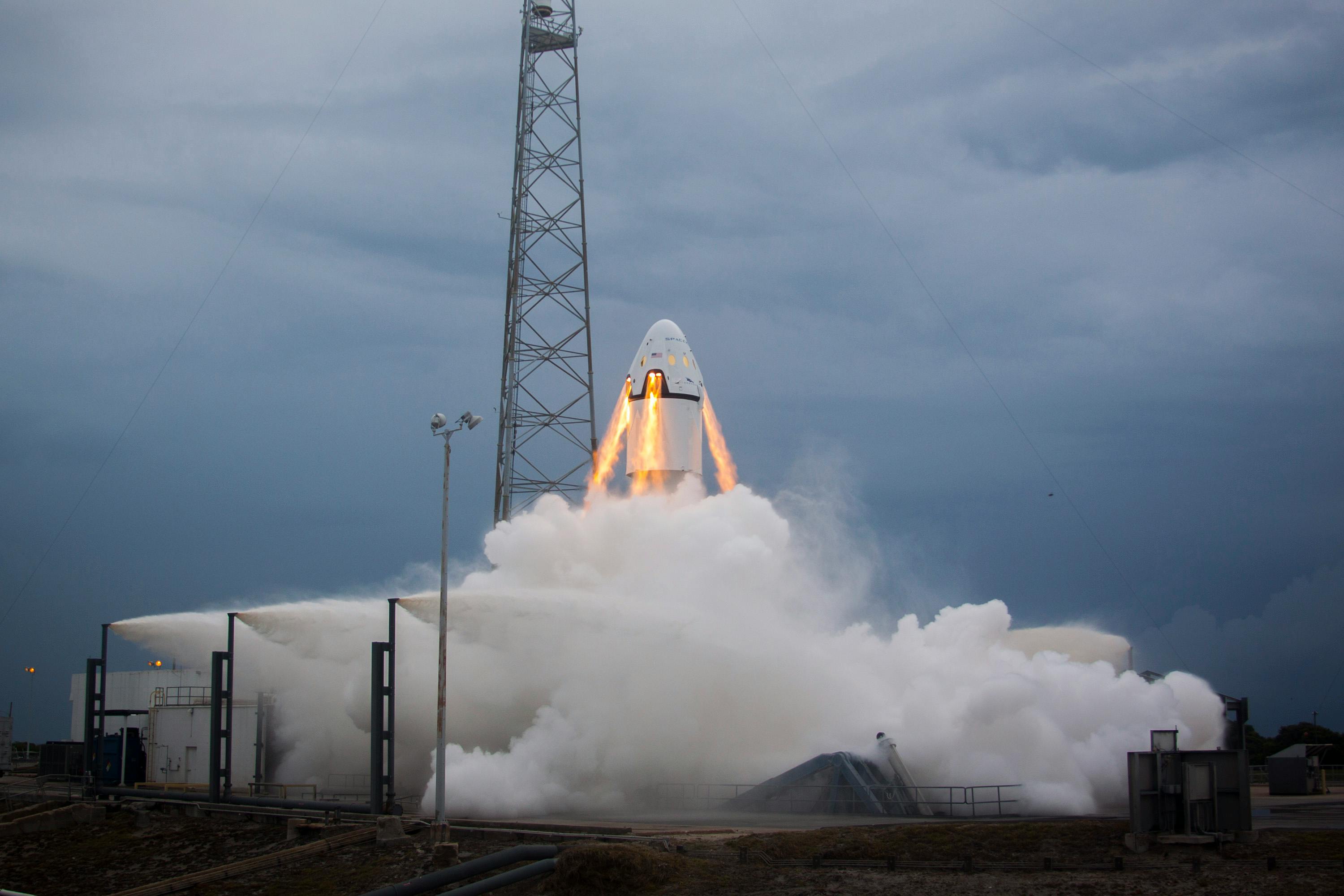
SpaceX gears up for its 11th Starship test flight, while Starlink expands connectivity through partnerships with T-Mobile, enhancing app functionality beyond cellular coverage.