


Optical Intersatellite Link (OISL)
The laser-based crosslinks that turn Starlink into a mesh, anchor the SDA Transport Layer, and just made their GPS debut on GPS III SV10 - quietly rewriting how data moves through space.



NORAD ID
58973
International Designator
2024-031J
Epoch
Sun, 19 Jul 2026 20:16:04 GMT
Apogee
Calculating...
Perigee
Calculating...
Inclination
53.16°
Right Ascension
42.36°
Eccentricity
Calculating...
Argument of Perigee
71.86°
Period
93.85 min
Mean Motion
15.34 rev/day
Latitude
Calculating...
Longitude
Calculating...
Altitude
Calculating...
Velocity
Calculating...
Name
STARLINK-31365
Alternative Name
Starlink 31365
Type
Status
Owner
SPXS
Country
United States
Constellation
N/A
Related Satellites
Major Events
N/A
1 58973U 24031J 26200.84449808 .00004434 00000+0 14234-3 0 9998
2 58973 53.1617 42.3560 0001229 71.8592 288.2544 15.34391084136778
Source: Celestrak
Length
0.3
Diameter
4.1
Span
29
Dry Mass
700
Launch Mass
730
Shape
Box + pan
Radar Cross Section
Unknown
Visual Magnitude
Unknown
Color
Unknown
Material Composition
Unknown
Payload
Starlink Group 7-14-09
Purpose
Communication
Mission
Communication
Manufacturer
SPXS
Life Expectancy
Unknown
Bus
Starlink V2M
Configuration
Starlink v2 Mini
Motor
Argon ion thrusters
Equipment
Ku/Ka/E-band payload, optical inter-satellite link
Power System
Solar arrays, batteries
ADCS
Unknown
Transmitter Frequency
Unknown
Learn more about satellites and other related topics.
The laser-based crosslinks that turn Starlink into a mesh, anchor the SDA Transport Layer, and just made their GPS debut on GPS III SV10 - quietly rewriting how data moves through space.
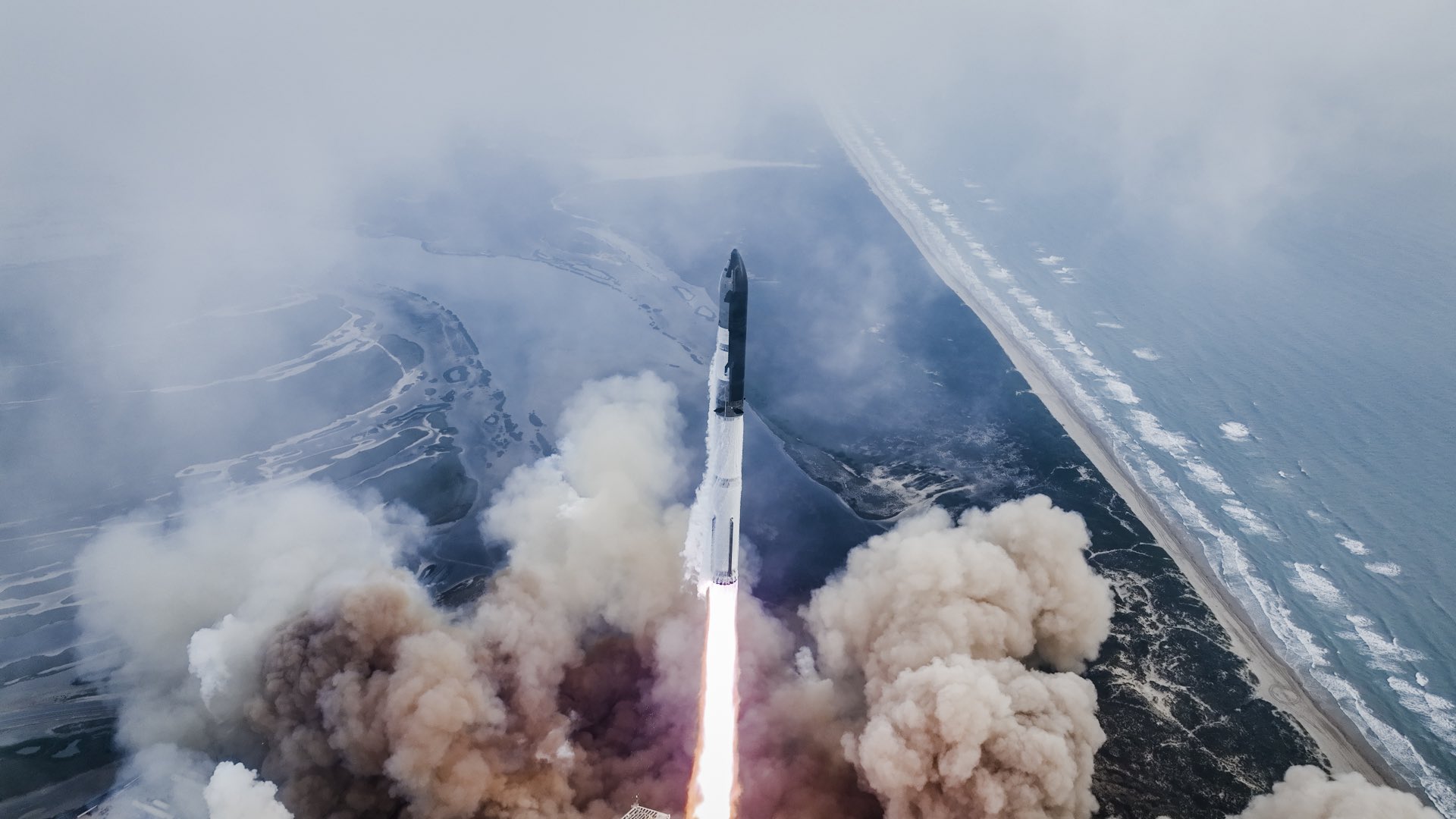
Today's edition covers China's latest launches in their classified satellite programs, ongoing discussions in the U.S. Senate on missile defense, and the ever-escalating space debris crisis threatening national security.
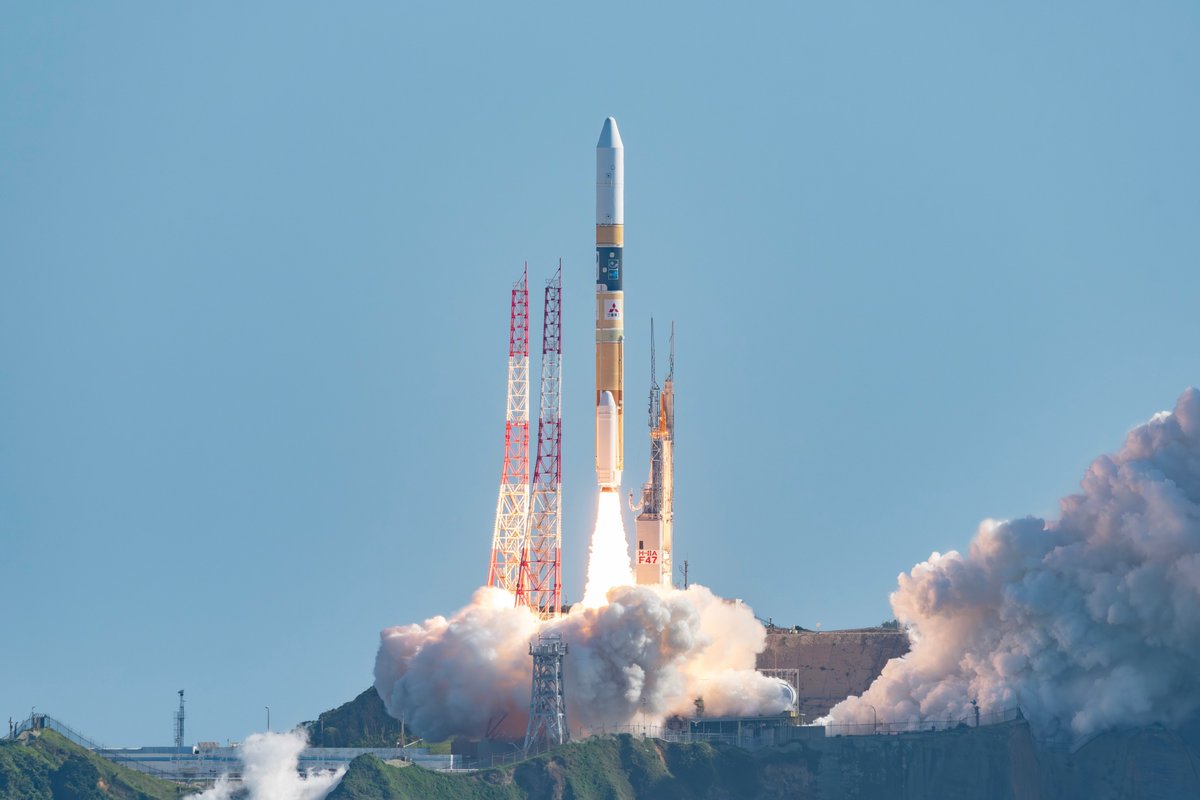
Today's update covers NASA's Ax-4 mission preparations, ESA's satellite imaging program, Ursa Major's military contract, and China's expanding nuclear arsenal.

Astroscale selects Isar Aerospace to launch ELSA-M, a commercial deorbit mission targeting defunct satellites in LEO. Over 20,000 trackable debris objects now in orbit.
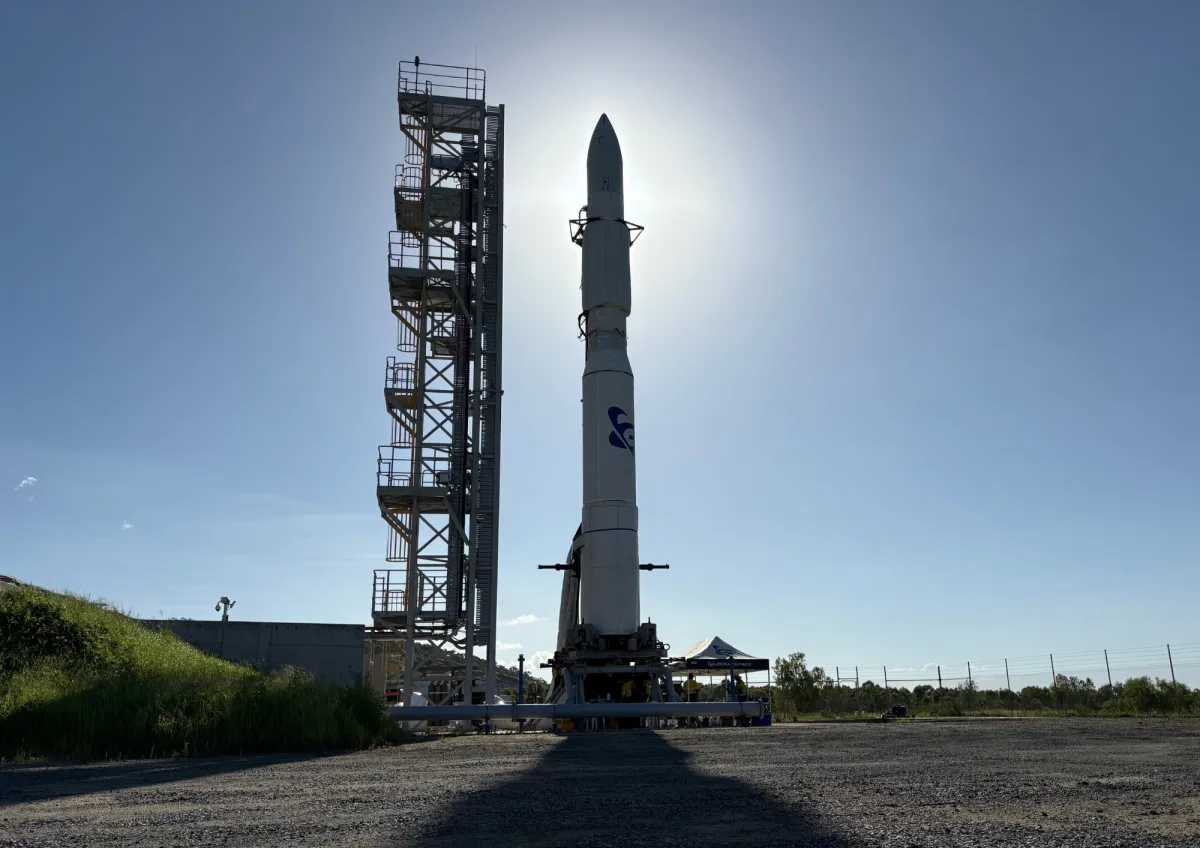
Today's brief highlights the US Space Force's new space conflict doctrine, Ukraine's search for Starlink alternatives, and updates on regional military activities affecting space dynamics.
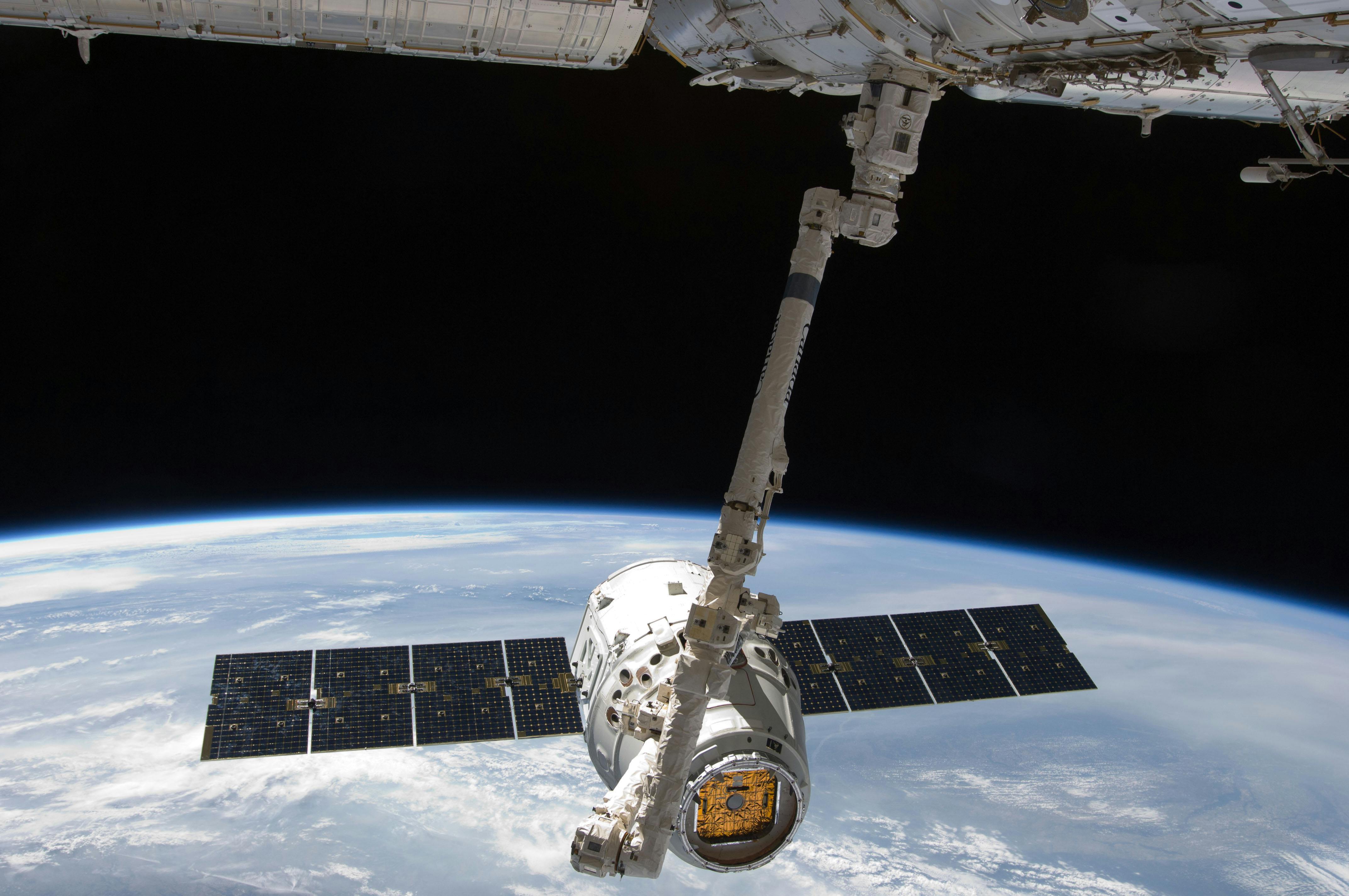
Elon Musk shifts SpaceX's priority to lunar settlement before Mars colonization. Crew-12 launch delayed by weather to Feb 12. SpaceX partners with Hexagon Purus for manufacturing.
ESA's Proba-3 spacecraft lost contact last month following on-orbit anomaly. Mission requires both satellites in precise formation for solar corona science. Recovery status uncertain.

Forty years ago today, the USSR launched a 20-ton aluminum cylinder into low Earth orbit and called it 'Peace.' Over the next 15 years, Mir would host 104 people from 12 countries, survive a fire and a collision, and quietly teach humanity how to live in space.