


The Day a Jupiter-Bound Spacecraft Traveled Past Venus
Thirty-five years ago, NASA's Galileo spacecraft made a crucial flyby of Venus, pioneering a complex path through the inner solar system that would revolutionize planetary exploration



NORAD ID
58934
International Designator
2024-027D
Epoch
Sun, 19 Jul 2026 20:04:24 GMT
Apogee
Calculating...
Perigee
Calculating...
Inclination
53.16°
Right Ascension
55.60°
Eccentricity
Calculating...
Argument of Perigee
99.01°
Period
94.11 min
Mean Motion
15.30 rev/day
Latitude
Calculating...
Longitude
Calculating...
Altitude
Calculating...
Velocity
Calculating...
Name
STARLINK-31337
Alternative Name
Starlink 31337
Type
Status
Owner
SPXS
Country
United States
Constellation
N/A
Related Satellites
Major Events
N/A
1 58934U 24027D 26200.83639123 -.00000193 00000+0 55916-5 0 9993
2 58934 53.1606 55.5984 0001058 99.0056 261.1065 15.30191961137560
Source: Celestrak
Length
0.3
Diameter
4.1
Span
29
Dry Mass
700
Launch Mass
730
Shape
Box + pan
Radar Cross Section
Unknown
Visual Magnitude
Unknown
Color
Unknown
Material Composition
Unknown
Payload
Starlink Group 7-13-04
Purpose
Communication
Mission
Communication
Manufacturer
SPXS
Life Expectancy
Unknown
Bus
Starlink V2M
Configuration
Starlink v2 Mini
Motor
Argon ion thrusters
Equipment
Ku/Ka/E-band payload, optical inter-satellite link
Power System
Solar arrays, batteries
ADCS
Unknown
Transmitter Frequency
Unknown
Learn more about satellites and other related topics.
Thirty-five years ago, NASA's Galileo spacecraft made a crucial flyby of Venus, pioneering a complex path through the inner solar system that would revolutionize planetary exploration
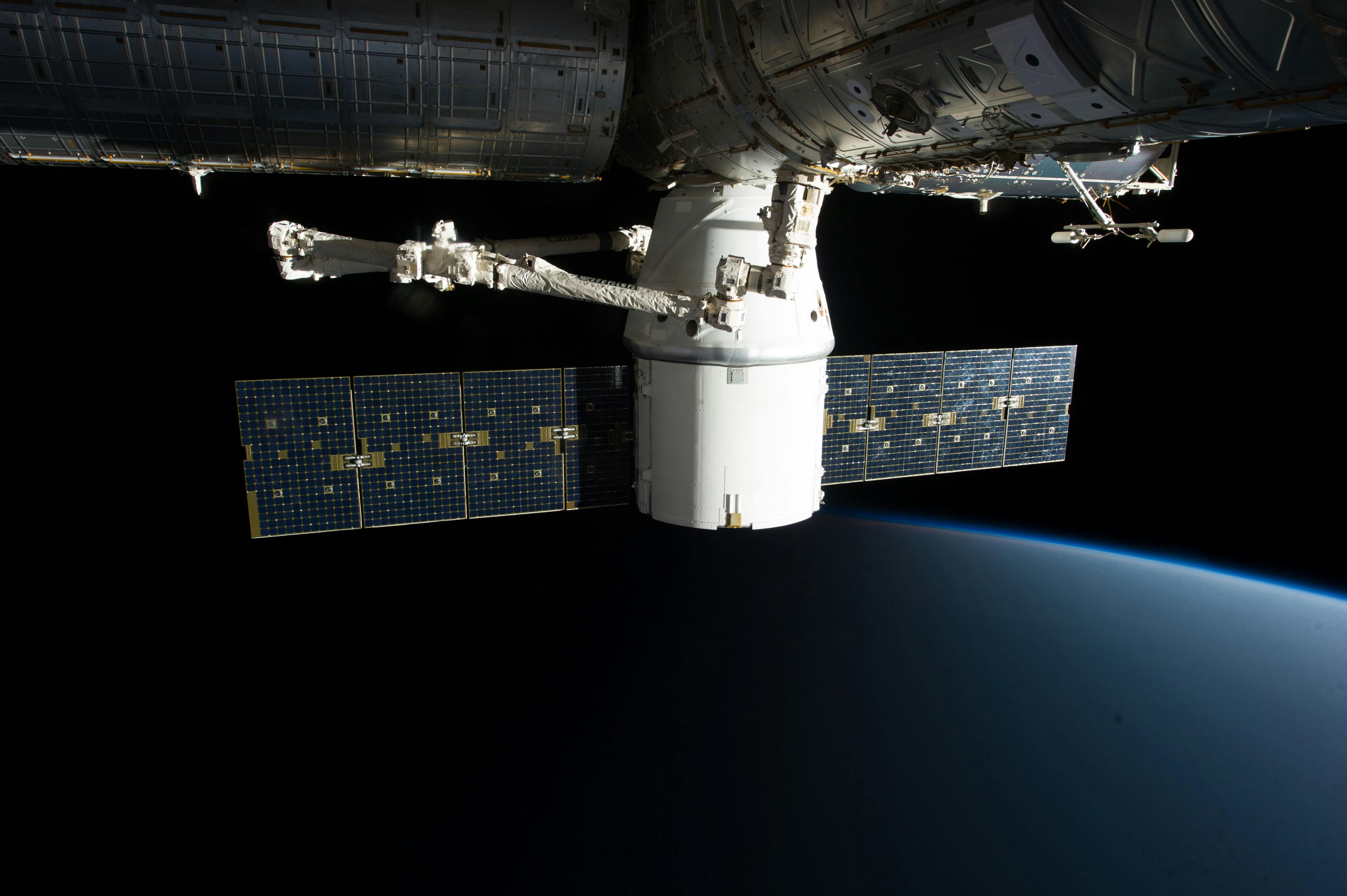
Starship V3 completes its first full-duration static fire in April 2026, with Flight 12 targeting May. Dual Falcon 9s push Starlink to 10,242 working.
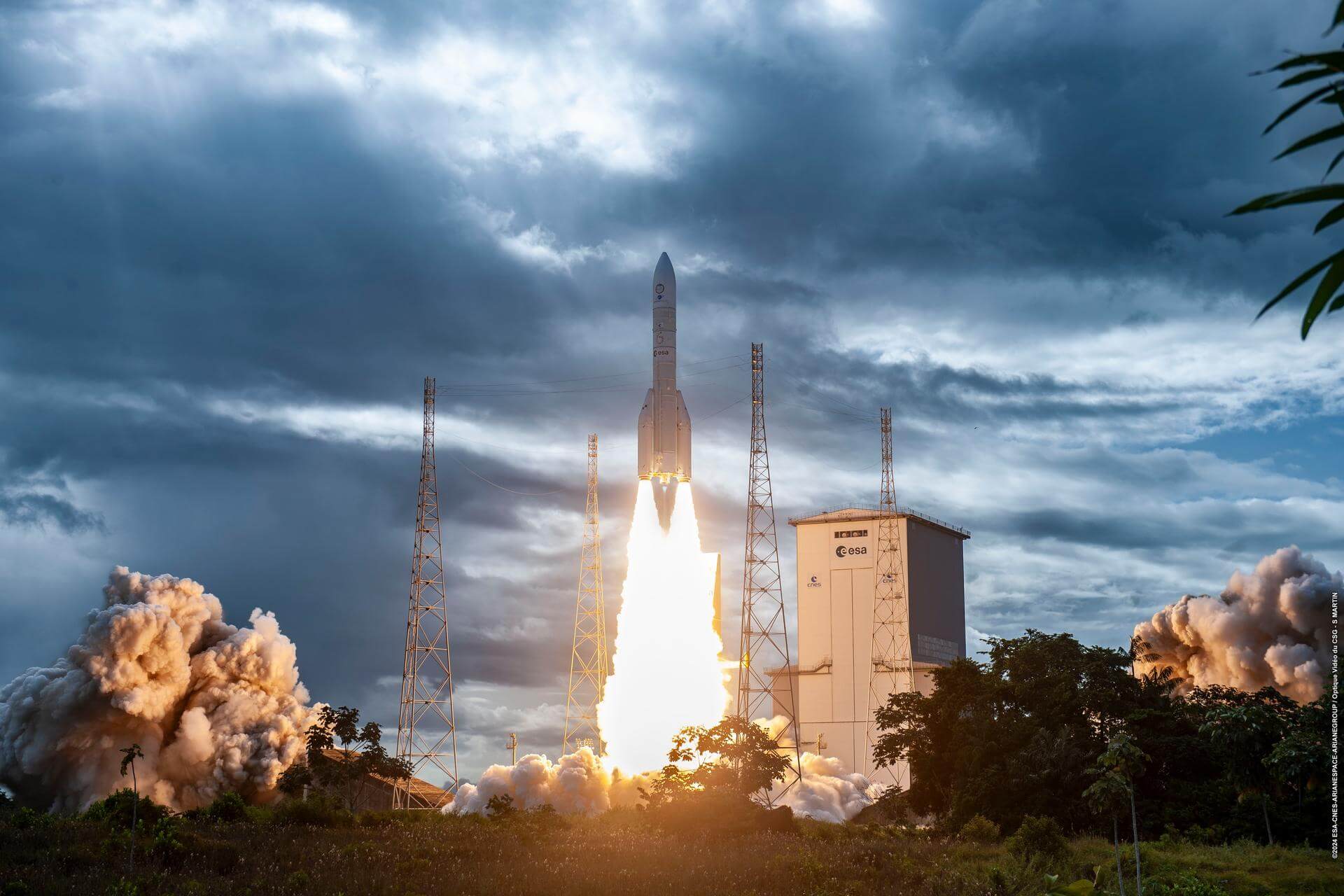
Today's space highlights include the US Space Force's advanced tracking contract, a milestone in SpaceX's Starlink program, and a new initiative to remove space debris.
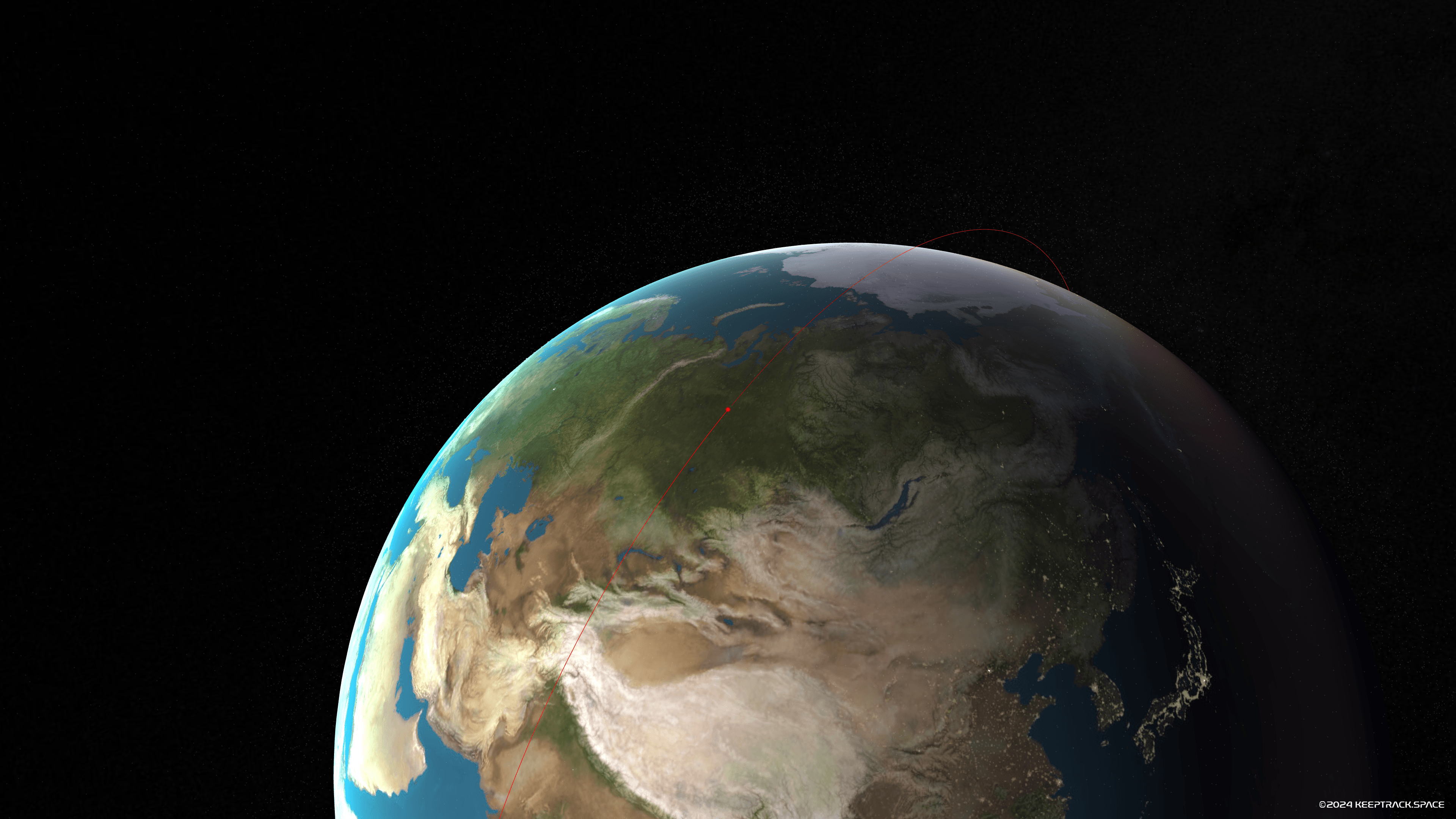
ESA's Cluster mission coming to an end, Europe's contributions to Artemis III, JUICE's groundbreaking maneuvers, Yaogan EO satellites, and amateur astronomers discovering exoplanets.

Today's highlights include Europe's record space budget for independence, Transporter-15's successful launch of 140 payloads, and the damage to the Baikonur pad affecting upcoming ISS missions.

Space Force suspends all Vulcan launches pending solid rocket booster investigation. Rocket Lab scrubs HASTE hypersonic vehicle launch. Military space funding hits record highs.
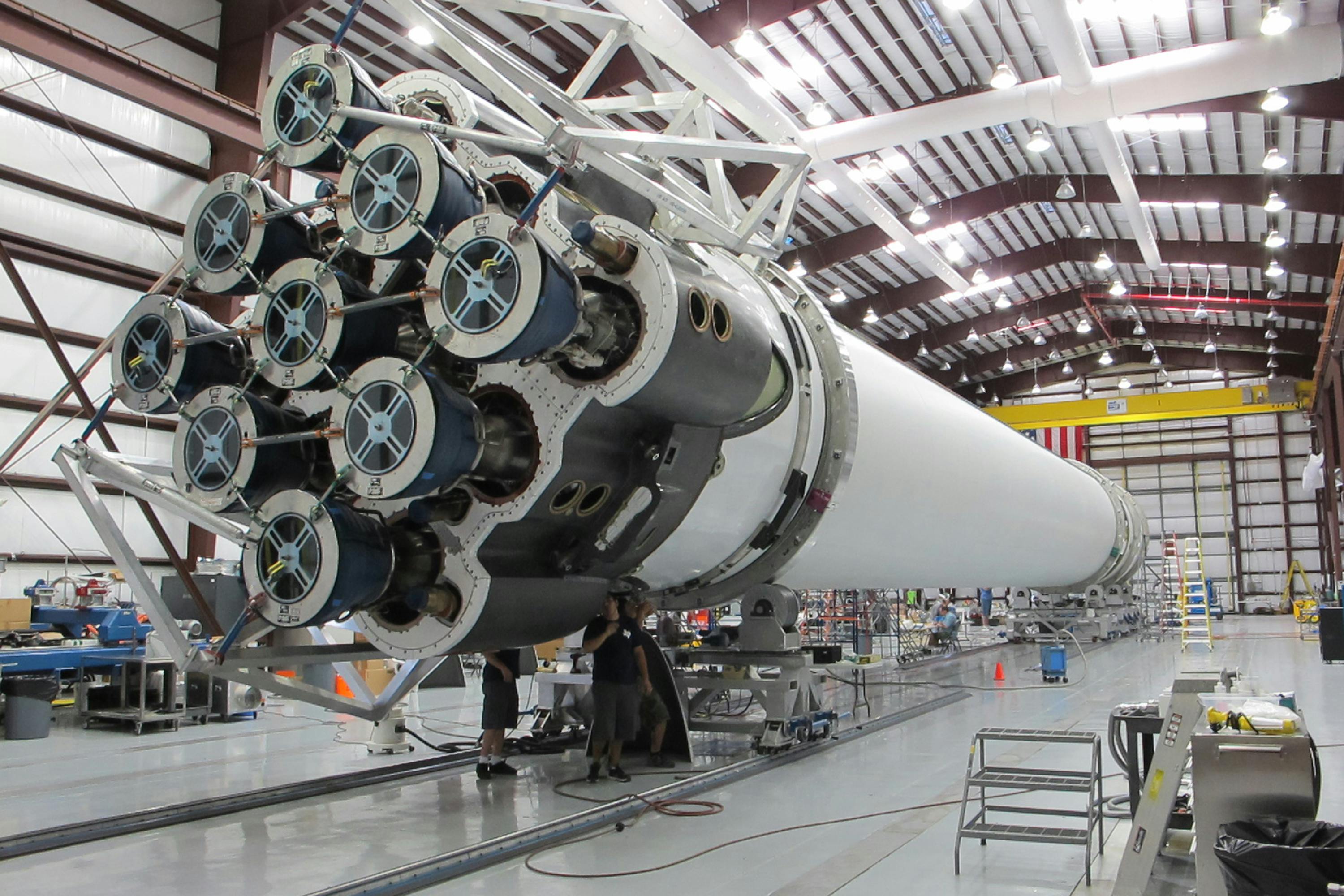
SpaceX ignited all 33 next-gen Raptor V3 engines on the Super Heavy booster at Starbase, Texas, marking a critical milestone toward the next Starship flight.
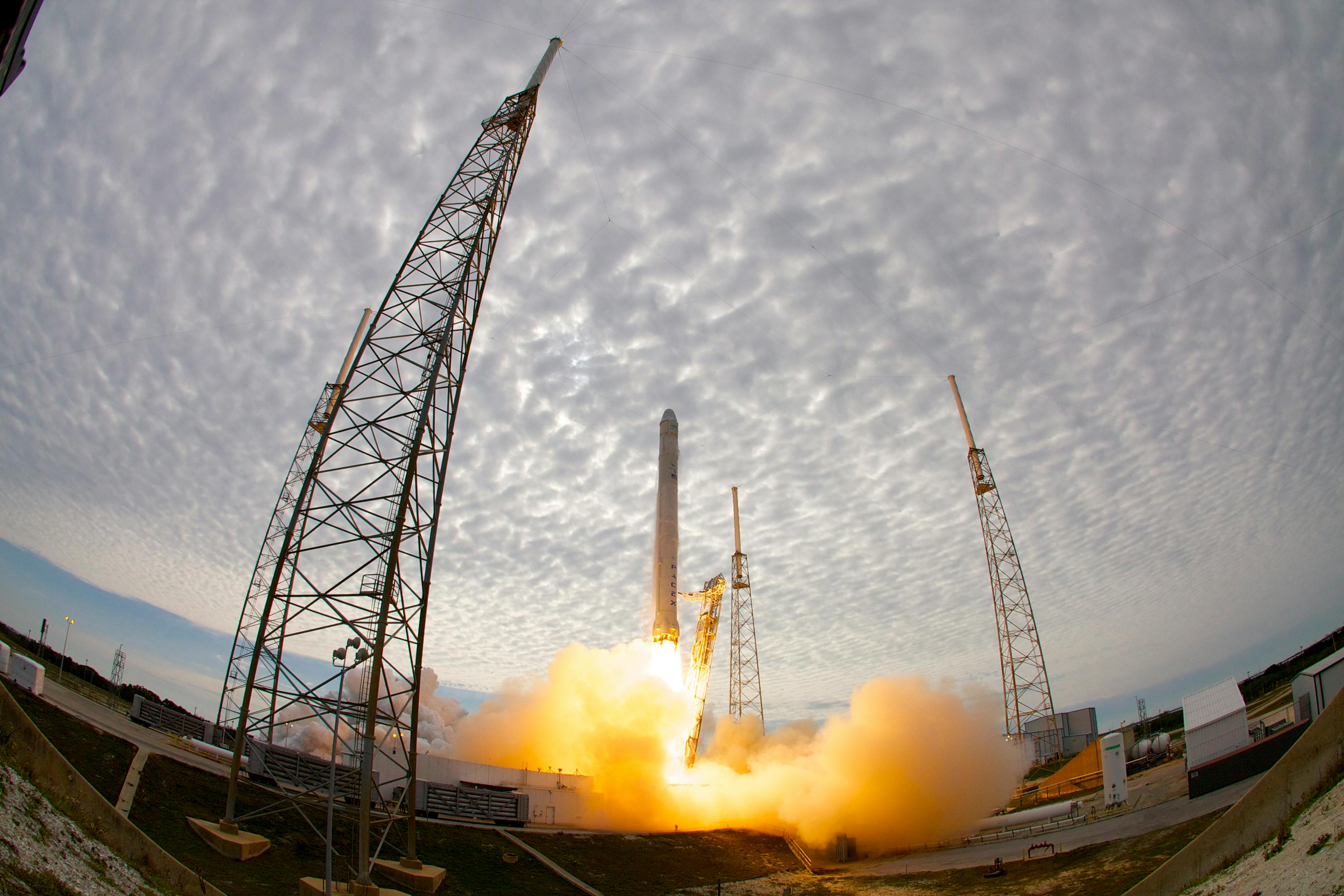
Crew-11 astronauts splashdown off California in first-ever ISS medical evacuation. SpaceX sets pad turnaround record at Cape Canaveral with Starlink 6-98 deploying 29 satellites.