


X Report 17 Feb 2025
Key insights on Starship development challenges and latest Starlink satellite status.



NORAD ID
58882
International Designator
2024-020G
Epoch
Mon, 20 Jul 2026 01:04:33 GMT
Apogee
Calculating...
Perigee
Calculating...
Inclination
53.16°
Right Ascension
65.64°
Eccentricity
Calculating...
Argument of Perigee
96.23°
Period
93.85 min
Mean Motion
15.34 rev/day
Latitude
Calculating...
Longitude
Calculating...
Altitude
Calculating...
Velocity
Calculating...
Name
STARLINK-31323
Alternative Name
Starlink 31323
Type
Status
Owner
SPXS
Country
United States
Constellation
N/A
Related Satellites
Major Events
N/A
1 58882U 24020G 26201.04483337 .00000739 00000+0 33016-4 0 9997
2 58882 53.1598 65.6354 0001119 96.2268 263.8863 15.34399441138368
Source: Celestrak
Length
0.3
Diameter
4.1
Span
29
Dry Mass
700
Launch Mass
730
Shape
Box + pan
Radar Cross Section
Unknown
Visual Magnitude
Unknown
Color
Unknown
Material Composition
Unknown
Payload
Starlink Group 7-12-07
Purpose
Communication
Mission
Communication
Manufacturer
SPXS
Life Expectancy
Unknown
Bus
Starlink V2M
Configuration
Starlink v2 Mini
Motor
Argon ion thrusters
Equipment
Ku/Ka/E-band payload, optical inter-satellite link
Power System
Solar arrays, batteries
ADCS
Unknown
Transmitter Frequency
Unknown
Learn more about satellites and other related topics.
Key insights on Starship development challenges and latest Starlink satellite status.

Today's highlights include Space Force prioritizing military missions, testing new GPS satellite software, and international defense collaborations impacting space assets.

In 2024, China launched 68 orbital missions. In 2025, the number jumped to 97. In 2026, state media and Western analysts agree the target is 140 or more. Most of that growth is being driven by two state-backed mega-constellations, a half-dozen private launch companies hitting stride, and a deliberate national pivot toward commercial space. Beijing is no longer trying to catch SpaceX. It is trying to build an industrial base that outlasts one.

SpaceX's Falcon 9 achieves a milestone with its 24th launch for Starlink, while competitive moves continue in the satellite internet market.
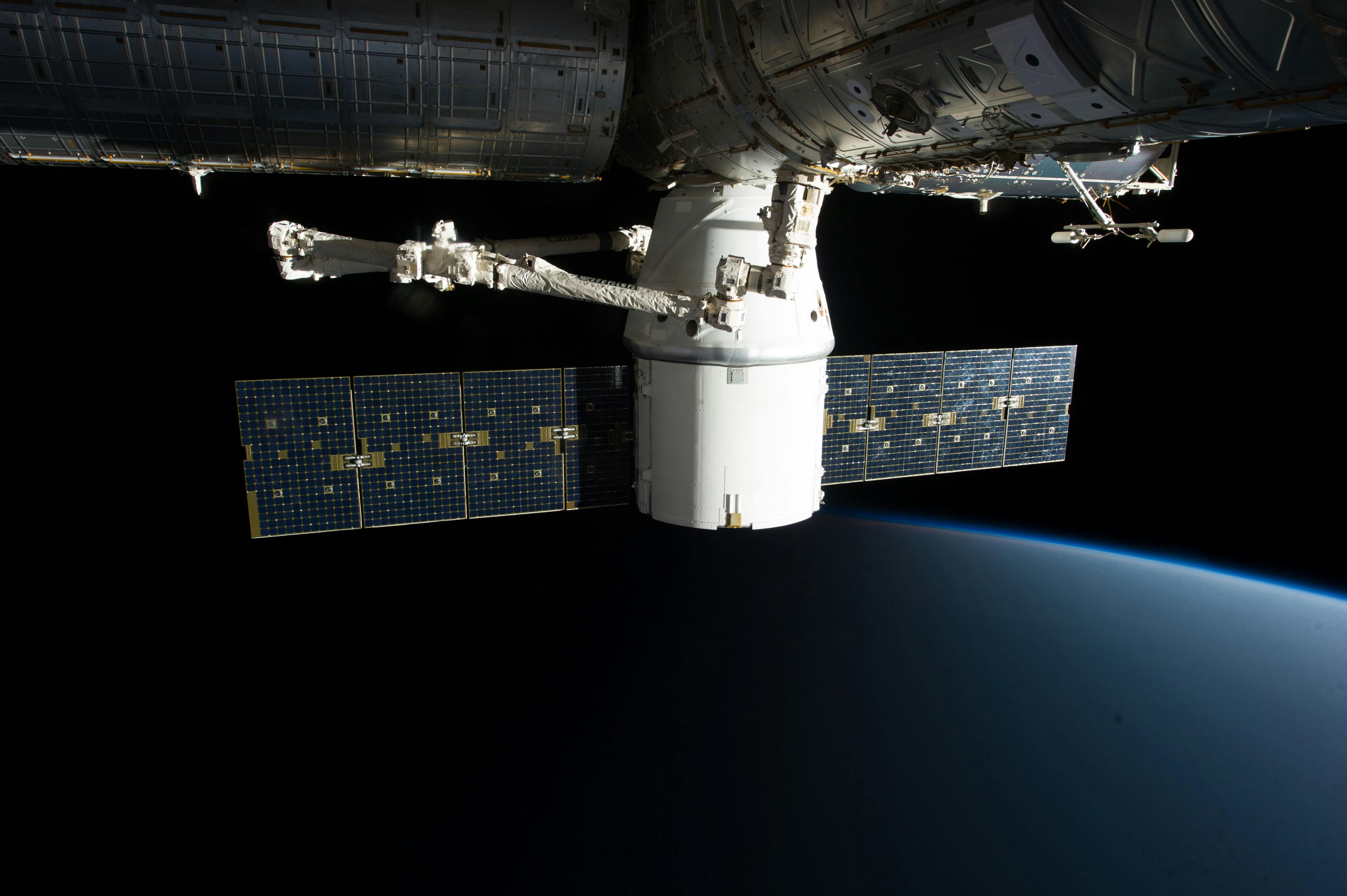
Starship V3 completes its first full-duration static fire in April 2026, with Flight 12 targeting May. Dual Falcon 9s push Starlink to 10,242 working.

Today's highlights include the destruction of ABL Space Systems' rocket due to engine leaks, Firefly Aerospace's lunar lander pre-launch tests, and insights on U.S. military's space domain awareness enhancements.
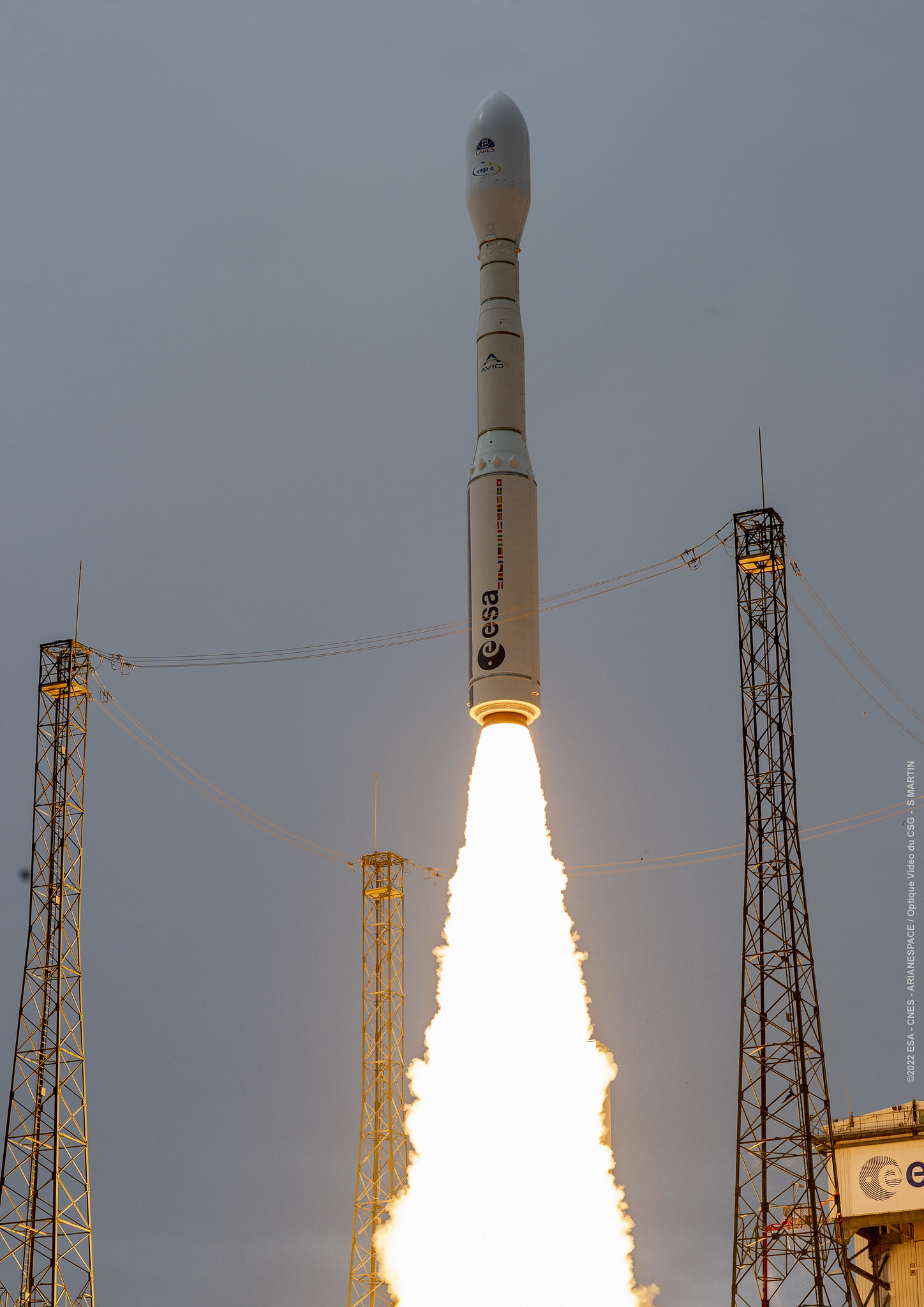
Today's briefing covers the largest-ever spectrum sharing demo planned by the Pentagon, innovative strategies for drone deployment in the Air Force, and significant military procurement developments.

Rocket Lab Neutron launch schedule holds at Q4 2026 for the first flight as a five-launch contract lands; barge recovery starts on flight two.