


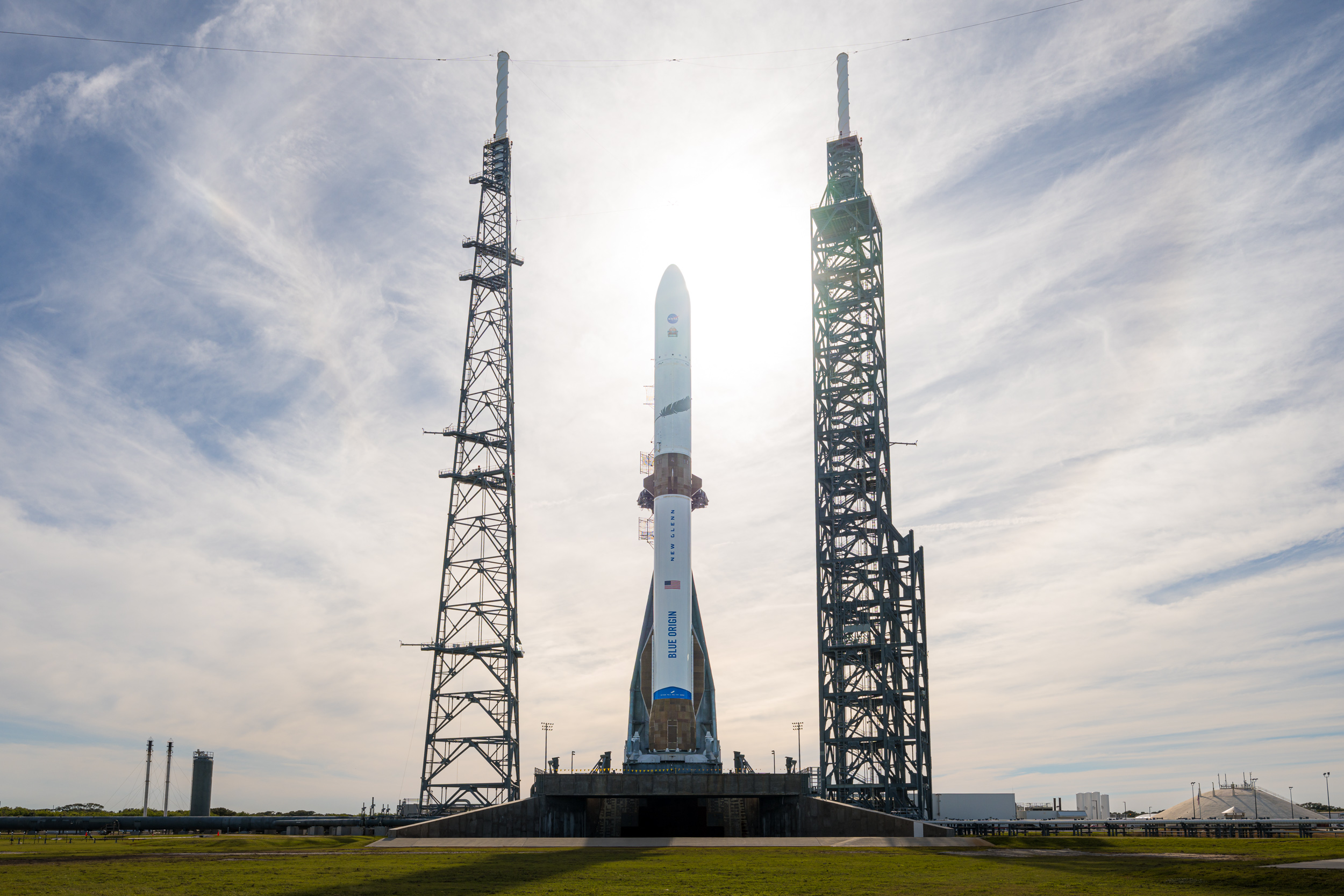
Artemis 2 Crew Returns After 50-Year Lunar Flyby | KeepTrack Space Brief
Artemis 2 astronauts completed first crewed lunar flyby since Apollo 17, traveling 690,000 miles aboard Orion. Four crew validated deep-space systems.



NORAD ID
58878
International Designator
2024-020C
Epoch
Sun, 19 Jul 2026 18:46:21 GMT
Apogee
Calculating...
Perigee
Calculating...
Inclination
53.16°
Right Ascension
66.84°
Eccentricity
Calculating...
Argument of Perigee
109.60°
Period
93.85 min
Mean Motion
15.34 rev/day
Latitude
Calculating...
Longitude
Calculating...
Altitude
Calculating...
Velocity
Calculating...
Name
STARLINK-31300
Alternative Name
Starlink 31300
Type
Status
Owner
SPXS
Country
United States
Constellation
N/A
Related Satellites
Major Events
N/A
1 58878U 24020C 26200.78219065 .00001067 00000+0 42729-4 0 9993
2 58878 53.1604 66.8395 0001270 109.6036 250.5104 15.34389987138320
Source: Celestrak
Length
0.3
Diameter
4.1
Span
29
Dry Mass
700
Launch Mass
730
Shape
Box + pan
Radar Cross Section
Unknown
Visual Magnitude
Unknown
Color
Unknown
Material Composition
Unknown
Payload
Starlink Group 7-12-03
Purpose
Communication
Mission
Communication
Manufacturer
SPXS
Life Expectancy
Unknown
Bus
Starlink V2M
Configuration
Starlink v2 Mini
Motor
Argon ion thrusters
Equipment
Ku/Ka/E-band payload, optical inter-satellite link
Power System
Solar arrays, batteries
ADCS
Unknown
Transmitter Frequency
Unknown
Learn more about satellites and other related topics.
Artemis 2 astronauts completed first crewed lunar flyby since Apollo 17, traveling 690,000 miles aboard Orion. Four crew validated deep-space systems.
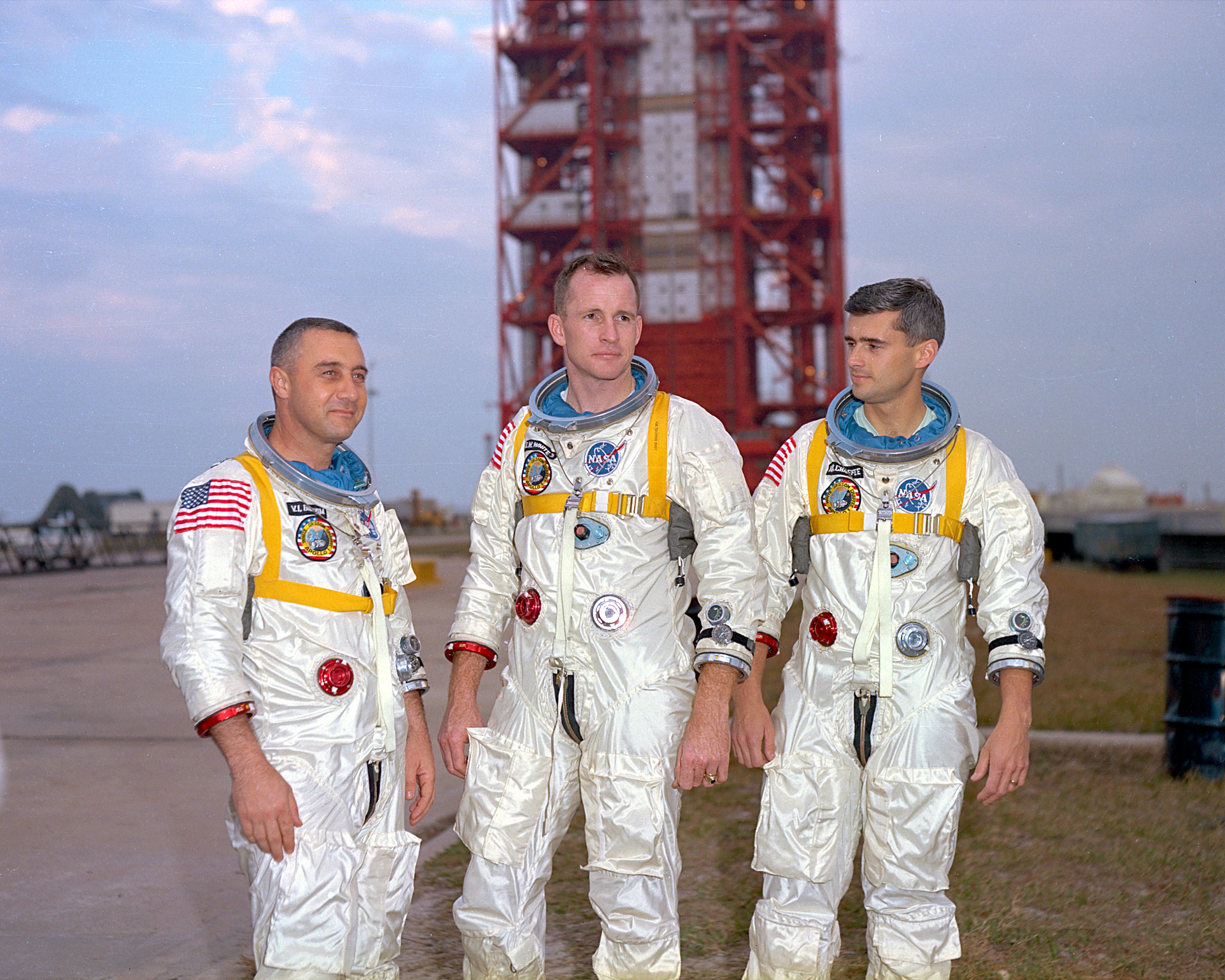
Fifty-eight years ago, a tragic fire during a routine test transformed spacecraft design and created the foundation of modern spaceflight safety culture
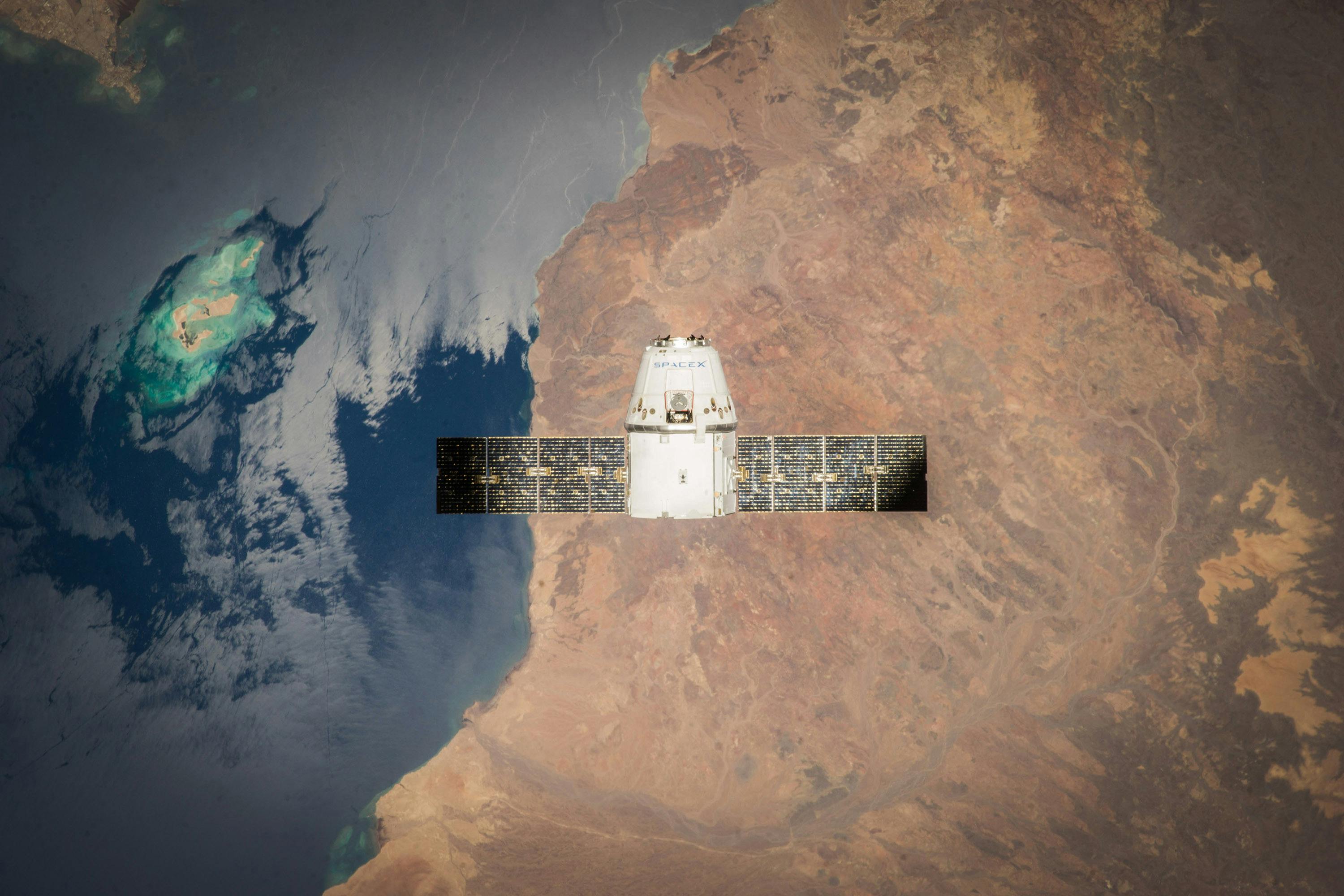
SpaceX celebrates significant milestones with the launch of Falcon 9 and developments in the Starship program, while Elon Musk addresses media narratives surrounding Starlink's humanitarian efforts.

SpaceX gears up for significant 2026 launches while a Starlink satellite anomaly provides insights into its operations.

Today's Space Brief covers reentries, the impact of NOAA dismissals on space weather tracking, a strategic academic partnership probing cosmic mysteries, and a newly unveiled space motto.

Today's briefs cover SpaceX landing a Falcon 9 in The Bahamas, first disabled astronaut prepped for a mission, and key company updates from Blue Origin and K2 Space.

SpaceX delays the launch of 23 Starlink satellites due to geomagnetic storm concerns, adjusting the schedule for an upcoming Falcon 9 mission.
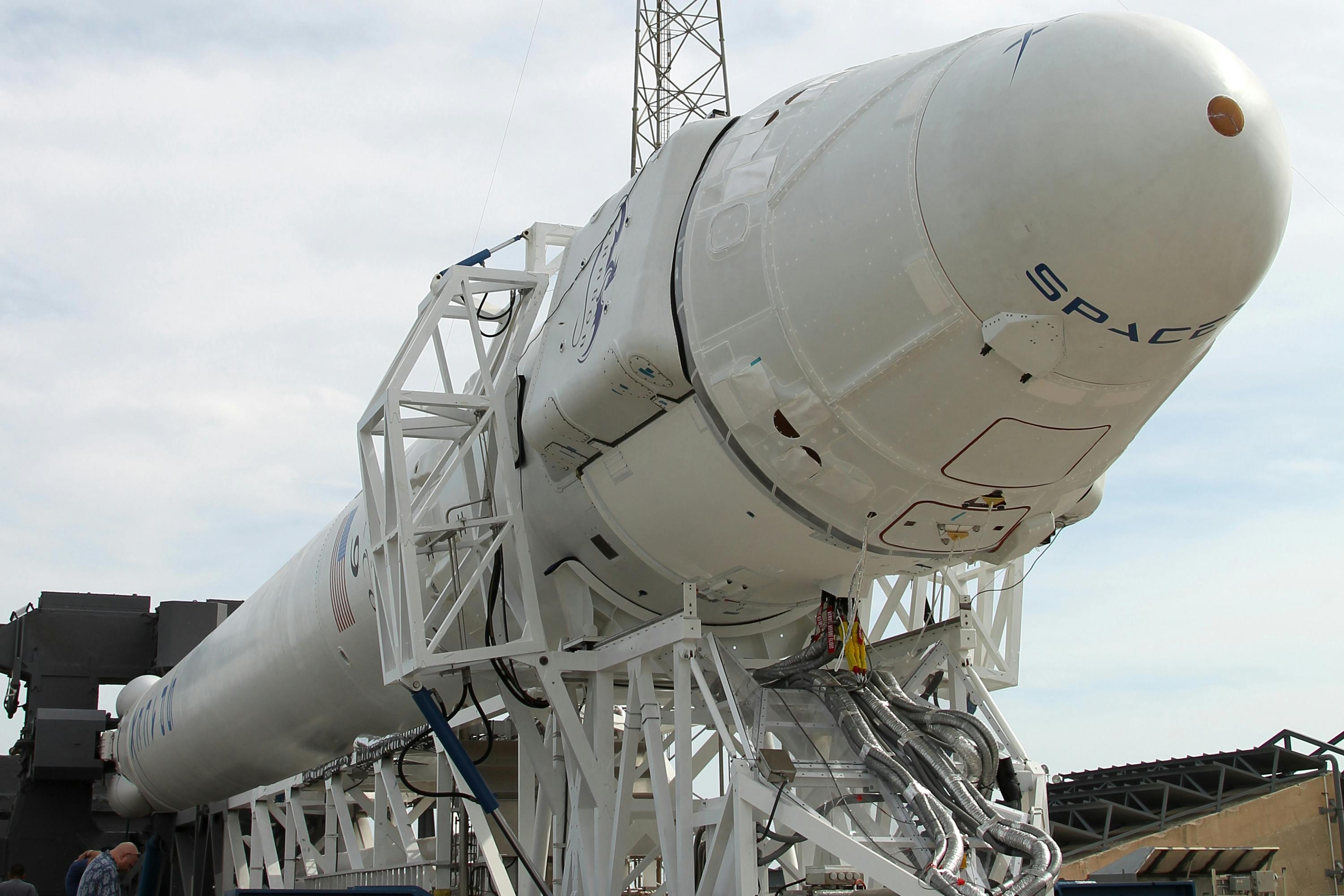
SpaceX successfully launched an Israeli satellite and remains on track for its upcoming Crew-11 mission while continuing to engage in mystery satellite launches.