STARLINK-31212 (58875)

COSPAR: 2024-019Y | Alt Name: Starlink 31212

Image
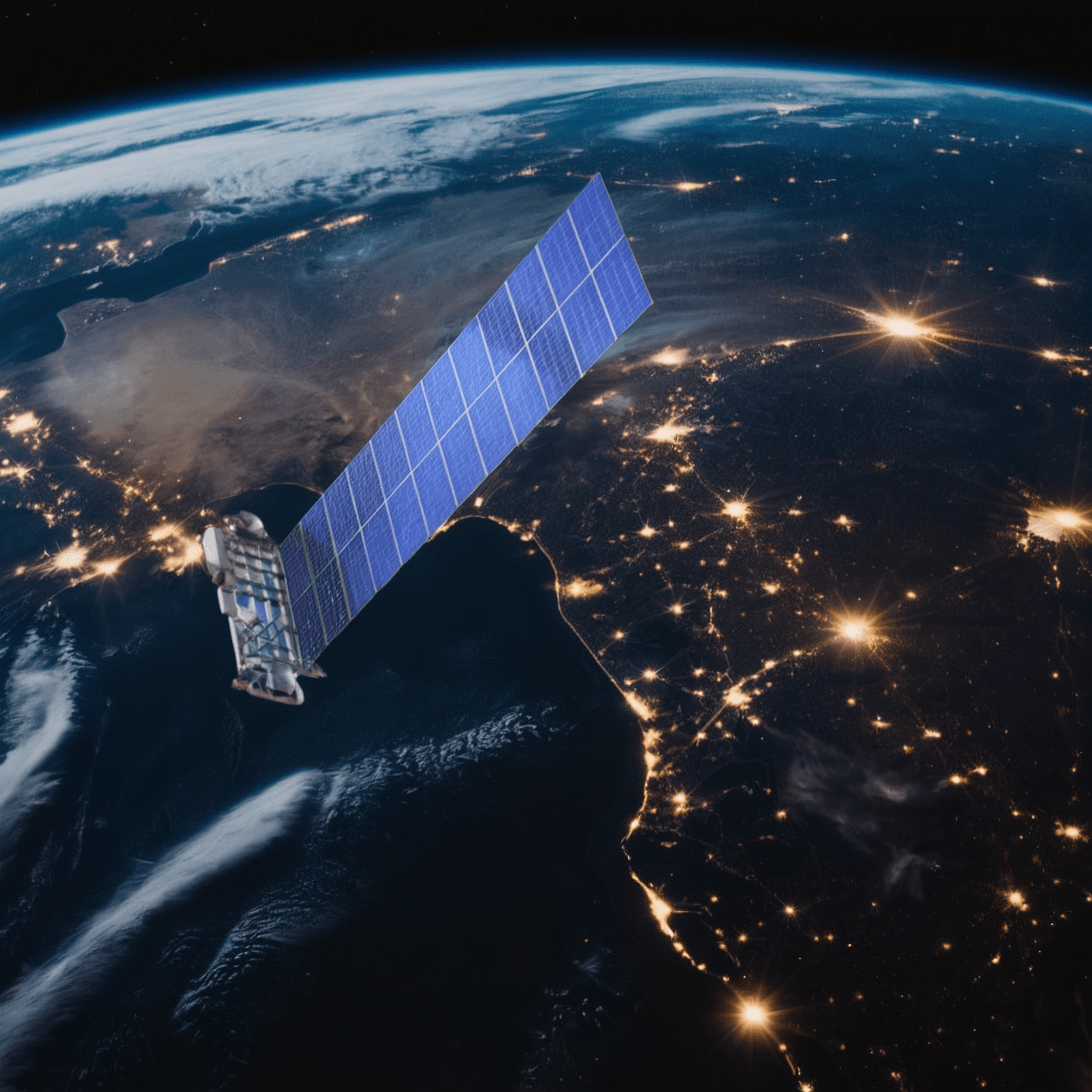
STARLINK-31212 Satellite Image
Additional Sources
Launch Details

Launch Date

January 29, 2024

Launch Pad

LC39A

Launch Vehicle

Falcon 9

Orbital Elements

NORAD ID

58875

International Designator

2024-019Y

Epoch

Sun, 19 Jul 2026 11:45:26 GMT

Apogee

Calculating...

Perigee

Calculating...

Inclination

43.00°

Right Ascension

224.23°

Eccentricity

Calculating...

Argument of Perigee

273.48°

Period

94.27 min

Mean Motion

15.28 rev/day

Latitude

Calculating...

Longitude

Calculating...

Altitude

Calculating...

Velocity

Calculating...

Polar Plot
3D Visualization
Basic Satellite Info

Name

STARLINK-31212

Alternative Name

Starlink 31212

Type

Payload

Status

Operational

Owner

SPXS

Country

United States

Constellation

N/A

Related Satellites

Major Events

N/A

Latest TLEs
1 58875U 24019Y   26200.48988433 -.00001552  00000+0 -46907-4 0  9990
2 58875  43.0005 224.2332 0001367 273.4830  86.5865 15.27573942139229

Source: Celestrak

Summary
The Starlink-31212 satellite, also known as Starlink 31212, is a communication satellite belonging to SpaceX (SPXS). It was launched on January 29, 2024, from Launch Complex 39A at the Kennedy Space Center in Florida, using a Falcon 9 launch vehicle. The satellite has a configuration known as Starlink v2 Mini and features a Box + pan shape with dimensions of 0.3 meters in length, 4.1 meters in diameter, and spans up to 29 meters when fully deployed. It carries a Ku/Ka/E-band payload along with an optical inter-satellite link and is powered by solar arrays and batteries. The satellite's dry mass is 700 kg while its launch mass was 730 kg. It is equipped with Argon ion thrusters for propulsion and operates in low Earth orbit to provide communication services as part of the Starlink Group 6-38-23 constellation.

Starlink is a satellite constellation developed by SpaceX with the aim of providing global broadband internet coverage. Thousands of small satellites are deployed in low Earth orbit (LEO), enabling high-speed internet access even in remote areas. However, the rapid increase in satellites raises concerns about space debris and the potential for collisions, which can lead to further debris creation and endanger other spacecraft. Additionally, the sheer number of Starlink satellites can affect astronomical observations by increasing light pollution. Proper deorbiting plans and international coordination are essential to mitigate these challenges and ensure long-term sustainability in space.
Physical Characteristics

Length

0.3

Diameter

4.1

Span

29

Dry Mass

700

Launch Mass

730

Shape

Box + pan

Radar Cross Section

Unknown

Visual Magnitude

Unknown

Color

Unknown

Material Composition

Unknown

Technical Details

Payload

Starlink Group 6-38-23

Purpose

Communication

Mission

Communication

Manufacturer

SPXS

Life Expectancy

Unknown

Bus

Starlink V2M

Configuration

Starlink v2 Mini

Motor

Argon ion thrusters

Equipment

Ku/Ka/E-band payload, optical inter-satellite link

Power System

Solar arrays, batteries

ADCS

Unknown

Transmitter Frequency

Unknown

Map
This tool will help you track the satellite's position and predict its upcoming passes over your location. Simply input the coordinates or click the geolocation button to get started.
Next Pass
Azimuth Elevation Time (Local)
Start Azimuth
Max Elevation
Stop Azimuth
Time Until
Pass Duration

Satellite Articles

View All Posts »

Learn more about satellites and other related topics.

The Day Superpowers Shared Space

The Day Superpowers Shared Space

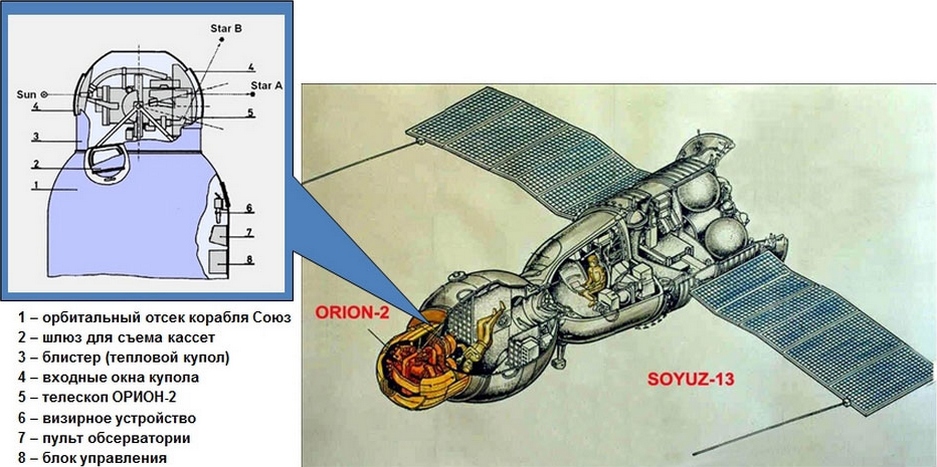
Exactly 52 years ago today, the Soviet Union launched Soyuz 13 - a scientific mission that marked the first time American astronauts and Soviet cosmonauts orbited Earth simultaneously. Armed with a revolutionary ultraviolet telescope, Pyotr Klimuk and Valentin Lebedev would discover elements never before seen in distant nebulae.
Pentagon Seeks Commercially Built GEO Spy Satellites | KeepTrack Space Brief

Pentagon Seeks Commercially Built GEO Spy Satellites | KeepTrack Space Brief

Pentagon's DIU seeks commercial partners for GEO spy satellites. SpaceX unveils space traffic management system. Bahamas rocket landings resume. GPS III falls short in modern warfare.

Artemis 2 Tracker - Follow Orion's Flight Path in 3D

Artemis 2 Tracker - Follow Orion's Flight Path in 3D

Follow the complete Artemis II mission in KeepTrack's 3D tracker. Replay Orion's full flight path from launch through the lunar flyby to Pacific splashdown, and scrub to any moment of the ten-day mission.

X Report 19 Jul 2025

X Report 19 Jul 2025

SpaceX successfully launched 24 Starlink satellites from California while investigations begin on a possible Starship salvage operation near Mexico.

Space Brief 7 Jun 2025

Space Brief 7 Jun 2025

Today's brief covers the latest in satellite launches, military implications in space funding, and notable reentry delays.

SpaceX Starfall Reentry Capsule Makes Debut Flight | KeepTrack X Report

SpaceX Starfall Reentry Capsule Makes Debut Flight | KeepTrack X Report

SpaceX's secretive Starfall reentry demo launched June 23 as Starmind AI constellation targets 1M orbital compute nodes.

Amazon vs SpaceX and the Battle for the Best Satellite Internet Service

Amazon vs SpaceX and the Battle for the Best Satellite Internet Service

SpaceX and Amazon Are Playing for Keeps to Control Satellite Broadband and Connect the World. But Is There Room for Both in the Orbit?

Pentagon Gives Anthropic Friday Deadline on AI Policy, Vulcan Still Grounded | KeepTrack Space Brief

Pentagon Gives Anthropic Friday Deadline on AI Policy, Vulcan Still Grounded | KeepTrack Space Brief

Pentagon gives Anthropic Friday deadline to loosen military AI policy. Space Force keeps Vulcan grounded over booster issue. Funding boost speeds missile-tracking satellites.