STARLINK-31191 (58800)

COSPAR: 2024-012P | Alt Name: Starlink 31191

Image
STARLINK-31191 Satellite Image
Additional Sources
Launch Details

Launch Date

January 15, 2024

Launch Pad

LC40

Launch Vehicle

Falcon 9

Orbital Elements

NORAD ID

58800

International Designator

2024-012P

Epoch

Sun, 19 Jul 2026 20:44:47 GMT

Apogee

Calculating...

Perigee

Calculating...

Inclination

43.00°

Right Ascension

138.51°

Eccentricity

Calculating...

Argument of Perigee

271.33°

Period

94.27 min

Mean Motion

15.28 rev/day

Latitude

Calculating...

Longitude

Calculating...

Altitude

Calculating...

Velocity

Calculating...

Polar Plot
3D Visualization
Basic Satellite Info

Name

STARLINK-31191

Alternative Name

Starlink 31191

Type

Payload

Status

Operational

Owner

SPXS

Country

United States

Constellation

N/A

Related Satellites

Major Events

N/A

Latest TLEs
1 58800U 24012P   26200.86443338 -.00000701  00000+0 -15958-4 0  9990
2 58800  43.0009 138.5129 0000528 271.3303  88.7488 15.27582073141450

Source: Celestrak

Summary
STARLINK-31191 is a communication satellite identified by NORAD CAT ID 58800 and OBJECT ID 2024-012P. It belongs to the Starlink v2 Mini configuration, manufactured by SPXS (SpaceX). The satellite was launched on January 15, 2024, from LC40 at AFETR using a Falcon 9 launch vehicle. Its dimensions are length: 0.3 meters, diameter: 4.1 meters, and span: 29 meters. It has a dry mass of 700 kg and a launch mass of 730 kg. Equipped with Ku/Ka/E-band payload and an optical inter-satellite link, it uses solar arrays and batteries for power and Argon ion thrusters for propulsion. The satellite's shape is described as "Box + pan" and its mission is focused on communication purposes.

Starlink is a satellite constellation developed by SpaceX with the aim of providing global broadband internet coverage. Thousands of small satellites are deployed in low Earth orbit (LEO), enabling high-speed internet access even in remote areas. However, the rapid increase in satellites raises concerns about space debris and the potential for collisions, which can lead to further debris creation and endanger other spacecraft. Additionally, the sheer number of Starlink satellites can affect astronomical observations by increasing light pollution. Proper deorbiting plans and international coordination are essential to mitigate these challenges and ensure long-term sustainability in space.
Physical Characteristics

Length

0.3

Diameter

4.1

Span

29

Dry Mass

700

Launch Mass

730

Shape

Box + pan

Radar Cross Section

Unknown

Visual Magnitude

Unknown

Color

Unknown

Material Composition

Unknown

Technical Details

Payload

Starlink Group 6-37-14

Purpose

Communication

Mission

Communication

Manufacturer

SPXS

Life Expectancy

Unknown

Bus

Starlink V2M

Configuration

Starlink v2 Mini

Motor

Argon ion thrusters

Equipment

Ku/Ka/E-band payload, optical inter-satellite link

Power System

Solar arrays, batteries

ADCS

Unknown

Transmitter Frequency

Unknown

Map
This tool will help you track the satellite's position and predict its upcoming passes over your location. Simply input the coordinates or click the geolocation button to get started.
Next Pass
Azimuth Elevation Time (Local)
Start Azimuth
Max Elevation
Stop Azimuth
Time Until
Pass Duration

Satellite Articles

View All Posts »

Learn more about satellites and other related topics.

Space Brief 3 Sep 2025

Space Brief 3 Sep 2025

Today's Space Brief delves into NASA's lunar nuclear power initiative, a strategic Army data integration project, and a rare SpaceX Falcon booster launch. Also covered are significant advancements in military satellite technology and Navy unmanned surface vehicles.
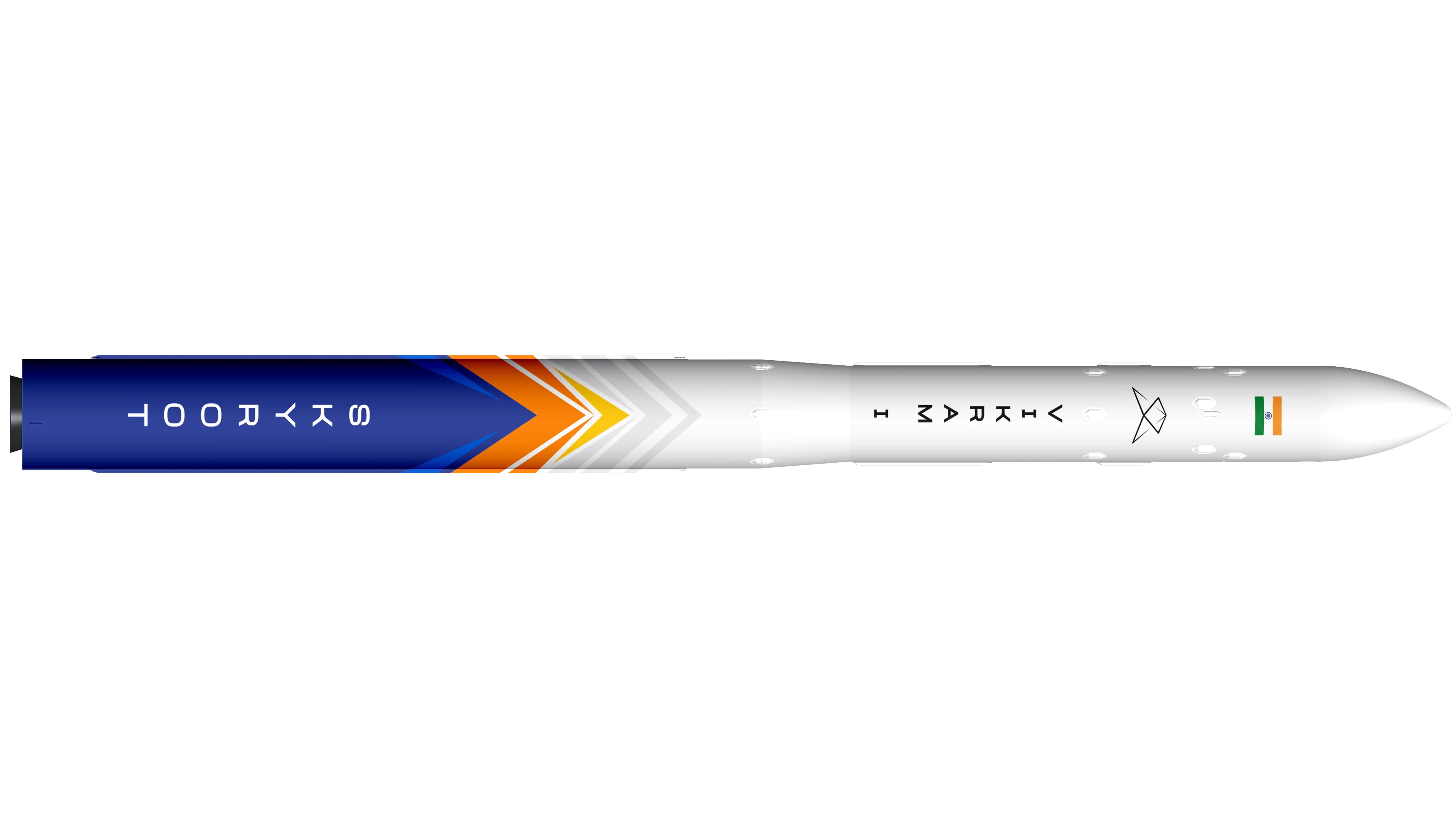
81 Payloads Deployed to SSO; Long March 10B & Vikram-I Debut This Week | KeepTrack Space Brief

81 Payloads Deployed to SSO; Long March 10B & Vikram-I Debut This Week | KeepTrack Space Brief

SpaceX rideshare Falcon 9 deployed 81 payloads including military tech demos to sun-synchronous orbit. China's Long March 10B and India's Vikram-I both debut this week among 6 scheduled launches.

Space Brief 6 Mar 2025

Space Brief 6 Mar 2025

Today's brief covers secret Space Force payloads monitoring China's satellites, collaborations reducing satellite tracking delays, and new AI projects for military operations.

Space Brief 27 Aug 2024

Space Brief 27 Aug 2024

Today's highlights include the destruction of ABL Space Systems' rocket due to engine leaks, Firefly Aerospace's lunar lander pre-launch tests, and insights on U.S. military's space domain awareness enhancements.

Artemis 2 Targets April 1 Lunar Flyby with 4-Person Crew | KeepTrack Space Brief

Artemis 2 Targets April 1 Lunar Flyby with 4-Person Crew | KeepTrack Space Brief

NASA's Artemis 2 launches April 1 with Commander Reid Wiseman and 3 crew members for first crewed lunar flyby since Apollo 17 in 1972.

Vulcan Grounding Threatens WGS-11 and OPIR Launches | KeepTrack Space Brief

Vulcan Grounding Threatens WGS-11 and OPIR Launches | KeepTrack Space Brief

ULA's Vulcan rocket grounded, imperiling Space Force WGS-11 communications satellite and Next-Gen OPIR missile warning payload. Both missions lack backup launch options.

U.S. GSSAP Executes GEO Handoff to Track China's Shijian-29 | KeepTrack Space Brief

U.S. GSSAP Executes GEO Handoff to Track China's Shijian-29 | KeepTrack Space Brief

U.S. GSSAP satellites execute coordinated GEO maneuvers for continuous surveillance of Chinese Shijian-29 spacecraft. Handoff approach maintains coverage with zero gaps.

Space Brief 18 Oct 2024

Space Brief 18 Oct 2024

Explore exciting updates on satellite reentries impacting Earth's atmosphere, China's ambitious space exploration plans, and the latest advancements in the search for extraterrestrial life.