

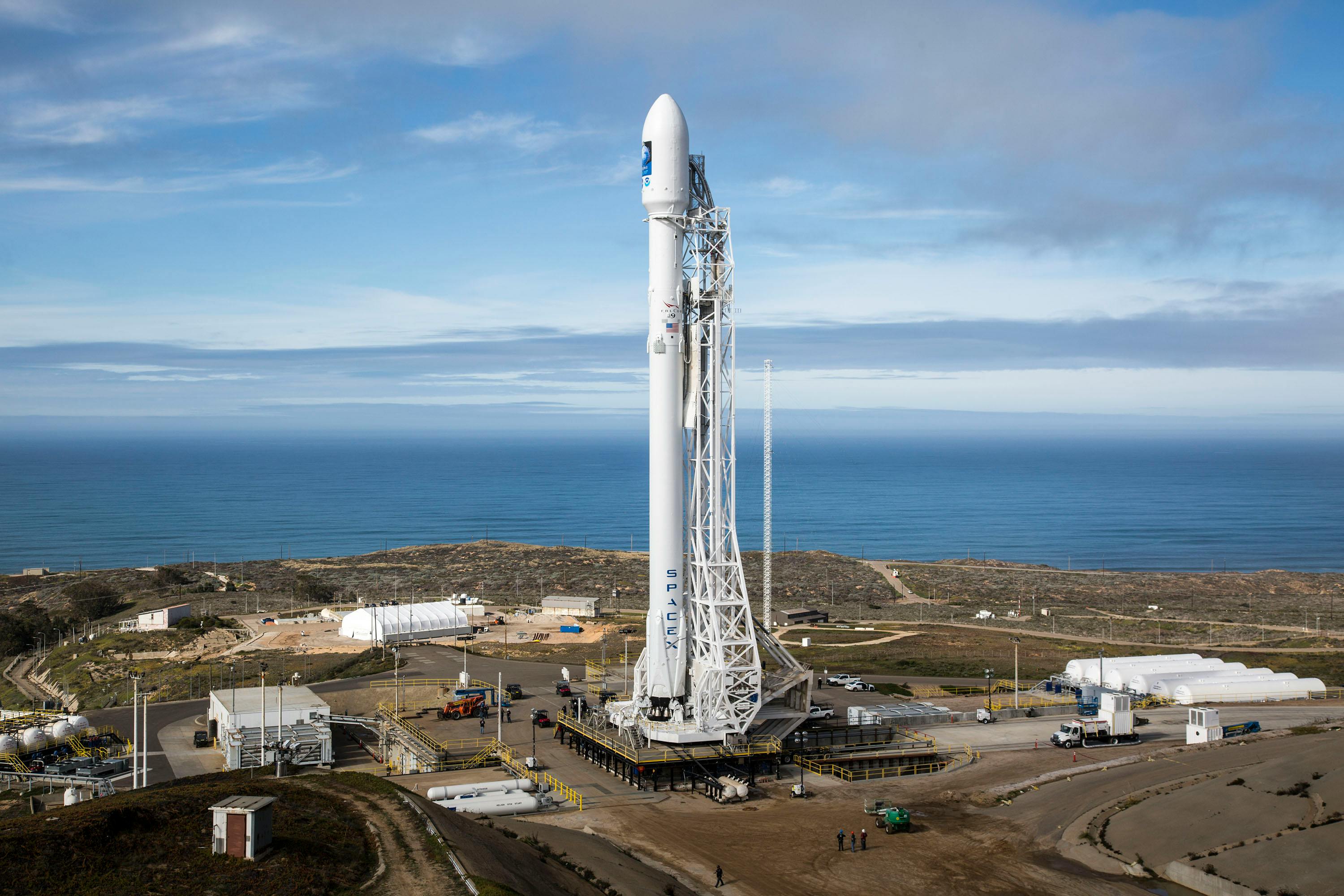
Starlink Satellite Count Hits 10,168, X Report 5 Apr 2026
Starlink satellite count for April 2026: 10,177 in orbit, 10,168 working from 11,724 launched. No new anomalies, four reentries expected Apr 5-7.


Launch Date
May 22, 1963
Launch Site
KYMSC
Launch Pad
Mayak-2
Launch Vehicle
Kosmos 63S1
NORAD ID
00588
International Designator
1963-017G
Decay Date
4/2/1964
Name
SL-7 R/B
Alternative Name
Kosmos 63S1 (N13) Stage 2
Type
Status
Owner
RVSN
Country
USSR
Constellation
N/A
Related Satellites
Major Events
N/A
Length
8
Diameter
1.6
Span
8
Dry Mass
840
Launch Mass
840
Shape
Cyl
Radar Cross Section
Unknown
Visual Magnitude
Unknown
Color
Unknown
Material Composition
Unknown
Payload
S1
Purpose
Unknown
Mission
Unknown
Manufacturer
OKB586
Life Expectancy
Unknown
Bus
S1
Configuration
Unknown
Motor
Unknown
Equipment
Unknown
Power System
Unknown
ADCS
Unknown
Transmitter Frequency
Unknown
Learn more about satellites and other related topics.
Starlink satellite count for April 2026: 10,177 in orbit, 10,168 working from 11,724 launched. No new anomalies, four reentries expected Apr 5-7.
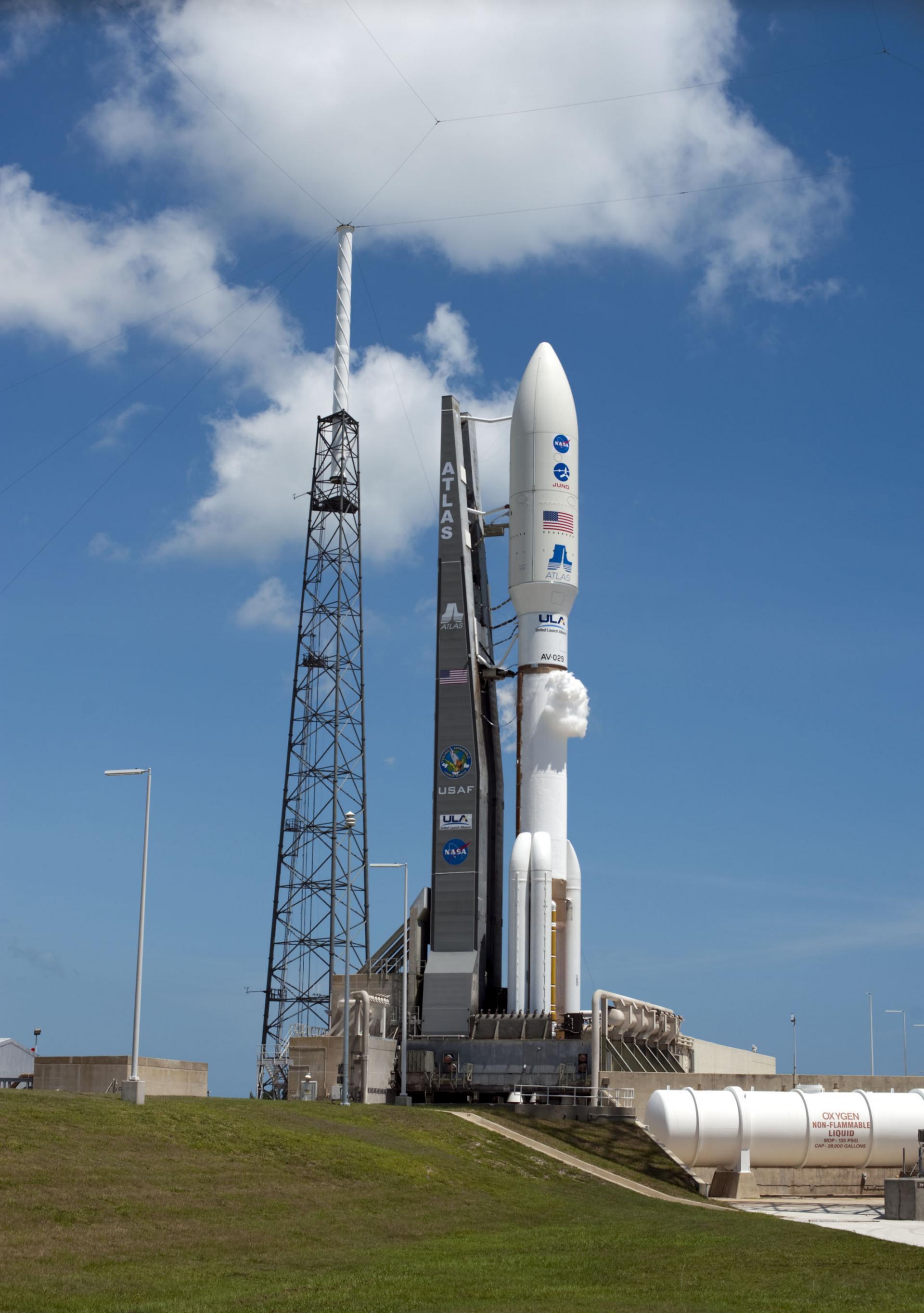
Today's highlights include SpaceX's new rocket-reuse record with a spy satellite launch, Space Force's funding strategies, and a European defense summit addressing security concerns.
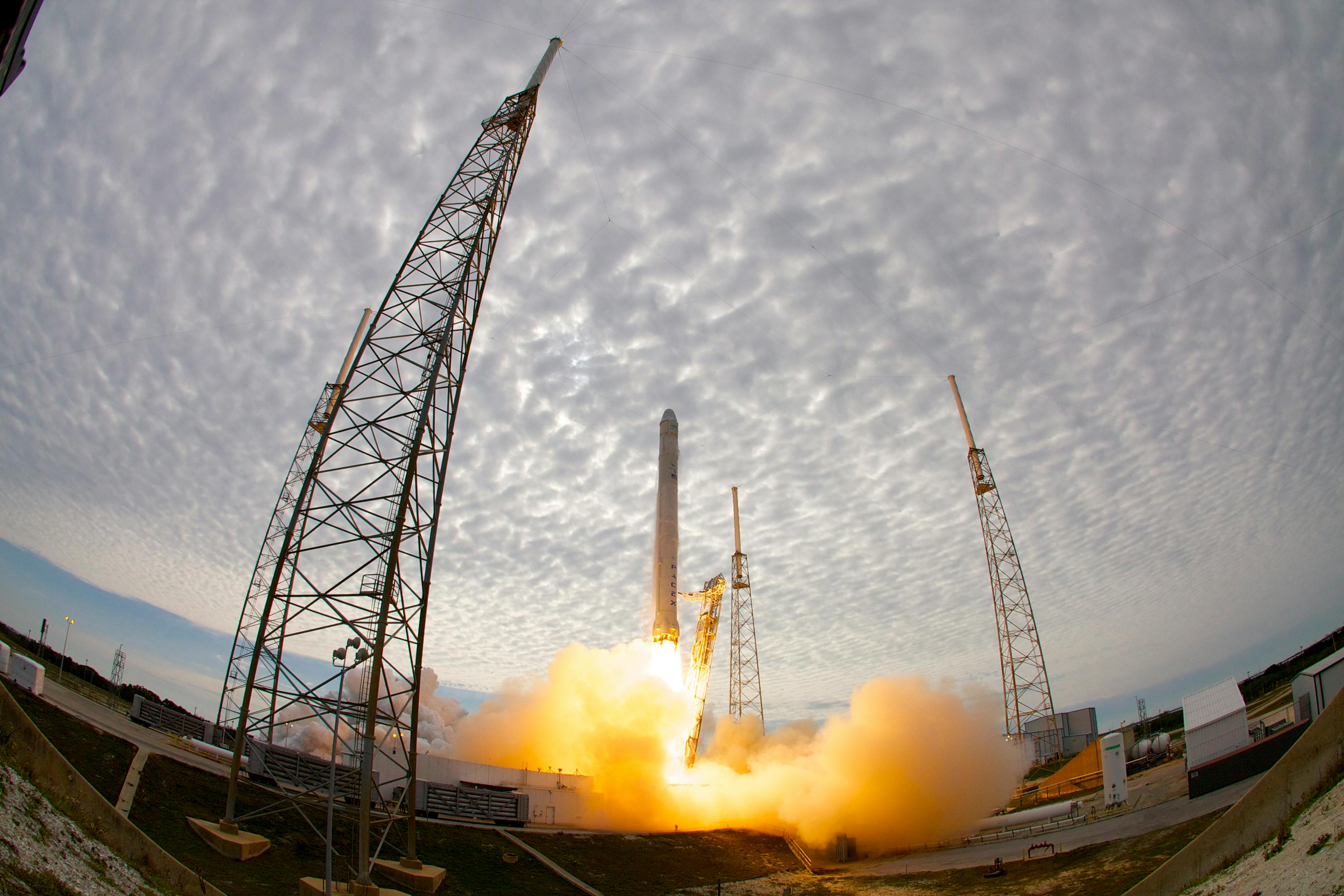
SpaceX celebrates significant milestones with its 100th launch of the year, enhancing Starlink's coverage while preparing for an escalating Starship production cadence.

Today's briefing includes new appointments in U.S. military and defense sectors, X-37B's continued mission, and international policy shifts affecting satellite technology sales.
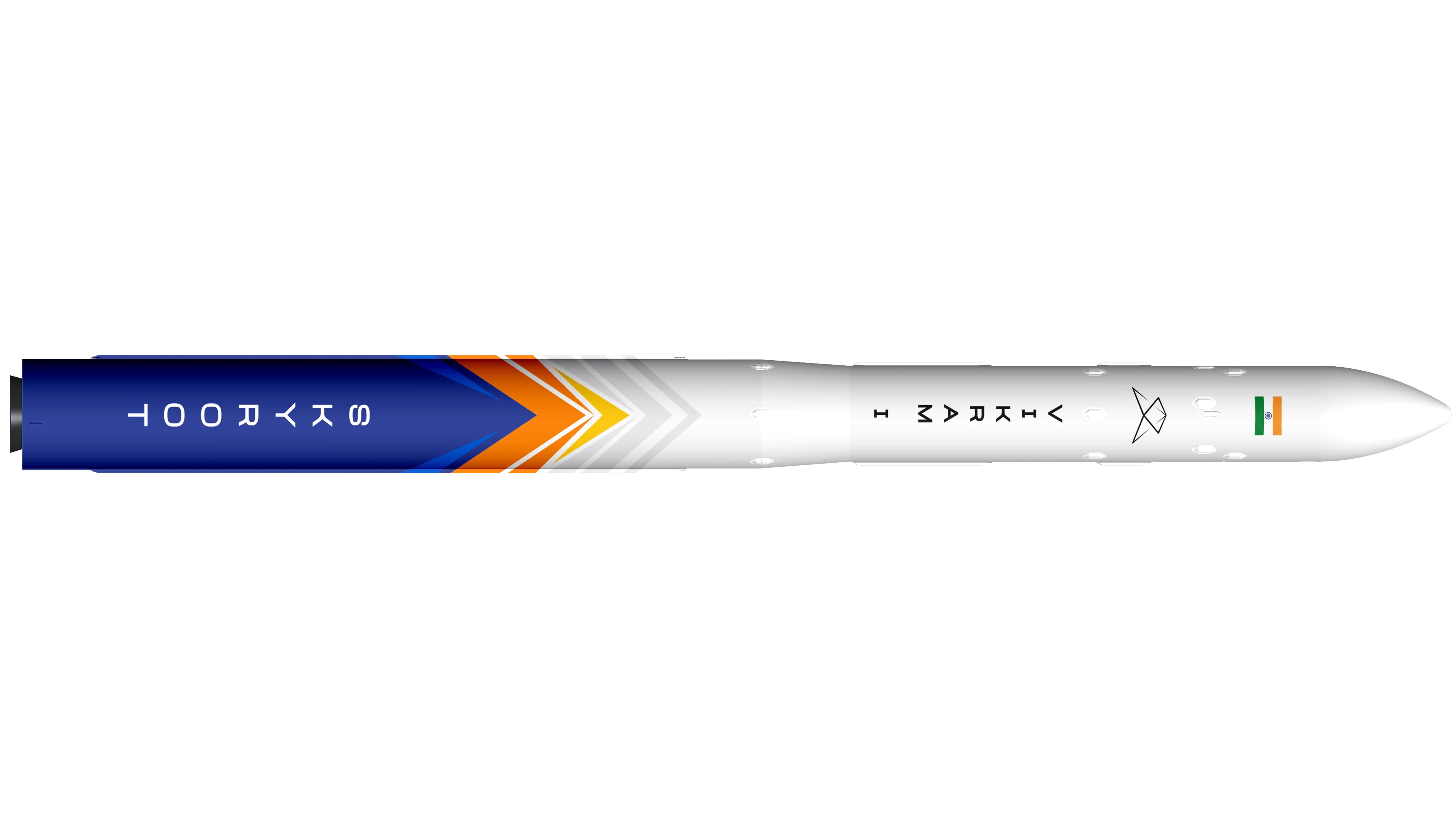
Pentagon's DIU seeks commercial partners for GEO spy satellites. SpaceX unveils space traffic management system. Bahamas rocket landings resume. GPS III falls short in modern warfare.
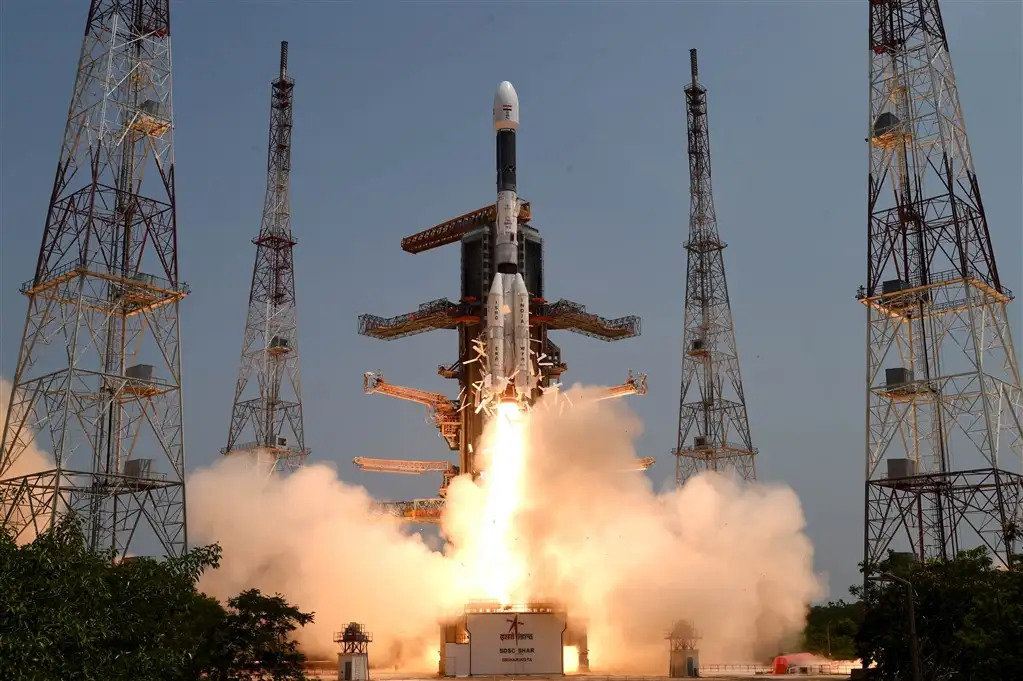
Focus on Varda's second mission launch, new U.S. Defense Department tool for satellite anomaly investigation, and a detailed Satellite Spotlight on CELESTIS 21/Varisat 1C.

Today's Space Brief covers Blue Origin's historic all-female spaceflight, the selection of companies for nuclear microreactor development by DIU, and NATO's adoption of AI technology for military planning.
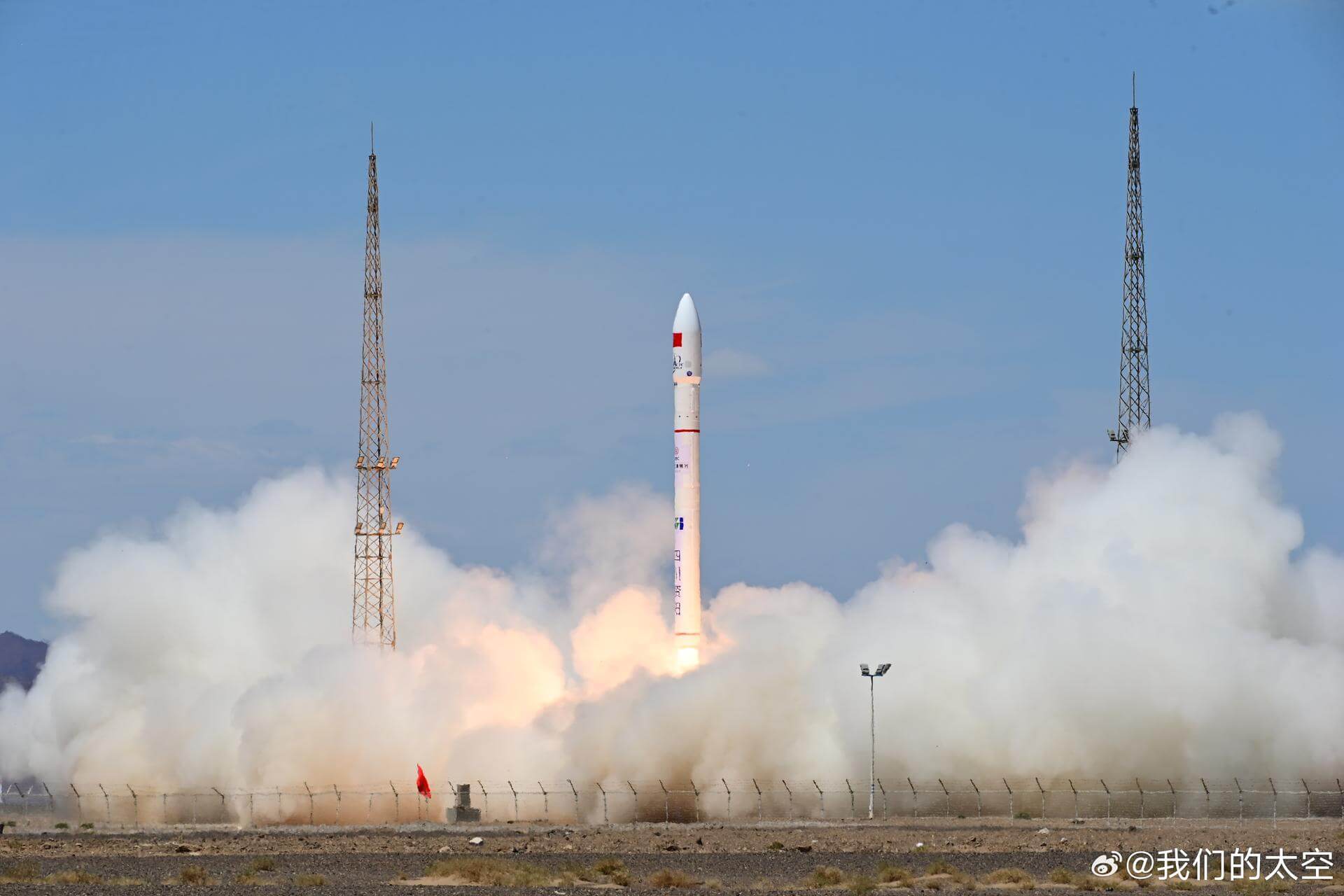
Today's brief covers a historic milestone for China's space program, the decoding of a simulated alien signal, innovative solutions to address satellite air pollution, and industry shifts driven by major investments and contracts.