

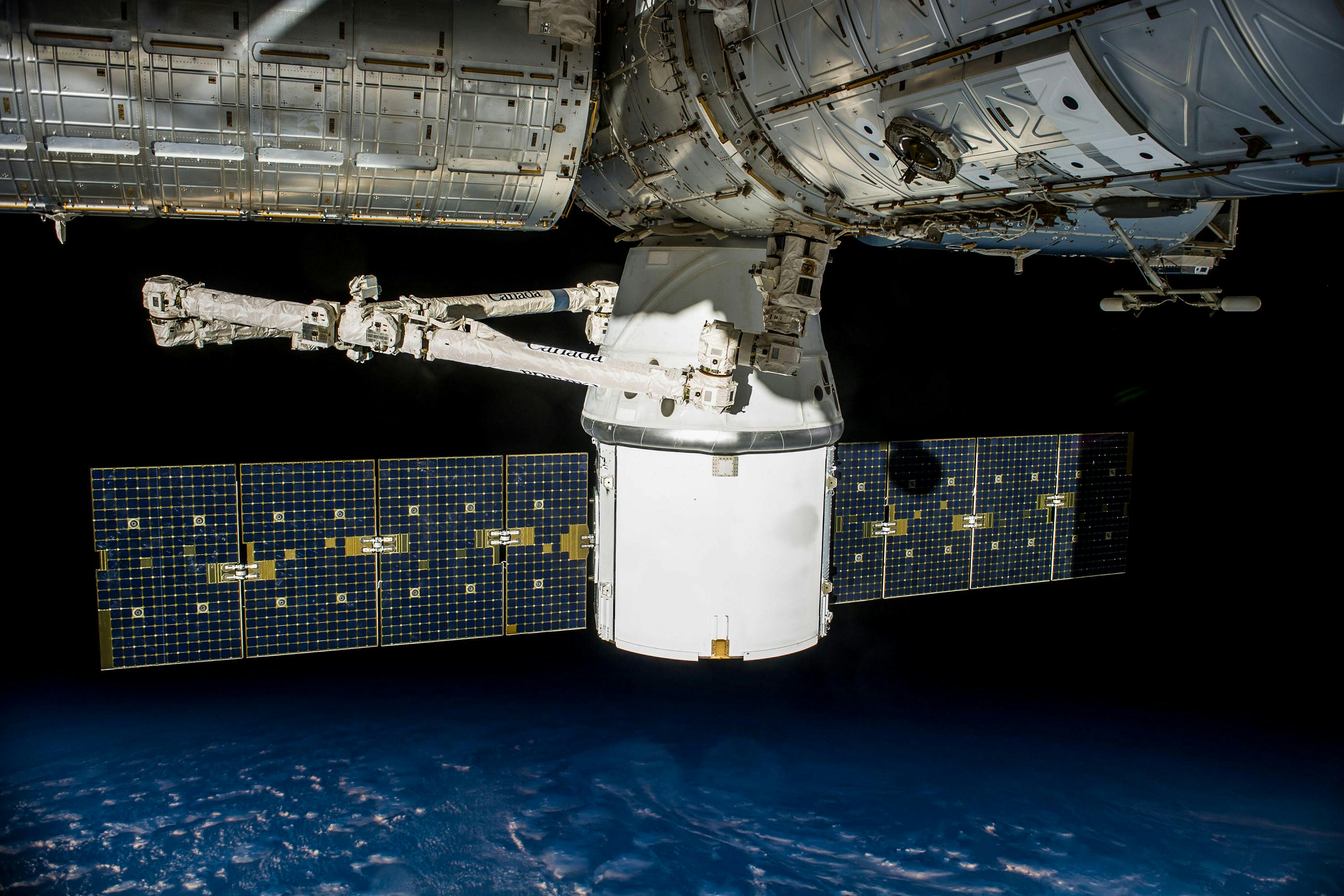
X Report 21 Dec 2024
SpaceX prepares for Bandwagon-2 rideshare mission launch, while FAA updates license for Starship's next flight; Crew Dragon mission faces delays.


Launch Date
January 11, 2024
Launch Site
JSC
Launch Pad
LC43/95A
Launch Vehicle
Kuaizhou-1A
NORAD ID
58756
International Designator
2024-008A
Decay Date
9/16/2025
Name
TIANXING-1 02
Alternative Name
Tianxing-1 02
Type
Status
Owner
CASIOM
Country
China
Constellation
N/A
Related Satellites
Major Events
N/A
Length
1
Diameter
0.5
Span
3
Dry Mass
200
Launch Mass
200
Shape
Box+pan
Radar Cross Section
Unknown
Visual Magnitude
Unknown
Color
Unknown
Material Composition
Unknown
Payload
Chuangxin-15 02
Purpose
Technology
Mission
Technology
Manufacturer
CASIOM
Life Expectancy
Unknown
Bus
Tianxing
Configuration
Unknown
Motor
Unknown
Equipment
Unknown
Power System
Unknown
ADCS
Unknown
Transmitter Frequency
Unknown
Learn more about satellites and other related topics.
SpaceX prepares for Bandwagon-2 rideshare mission launch, while FAA updates license for Starship's next flight; Crew Dragon mission faces delays.

Today's Space Brief highlights Globalstar's new military focus, technological innovations in the Army's tactical systems, and a deeper look at key military satellite communications developments.
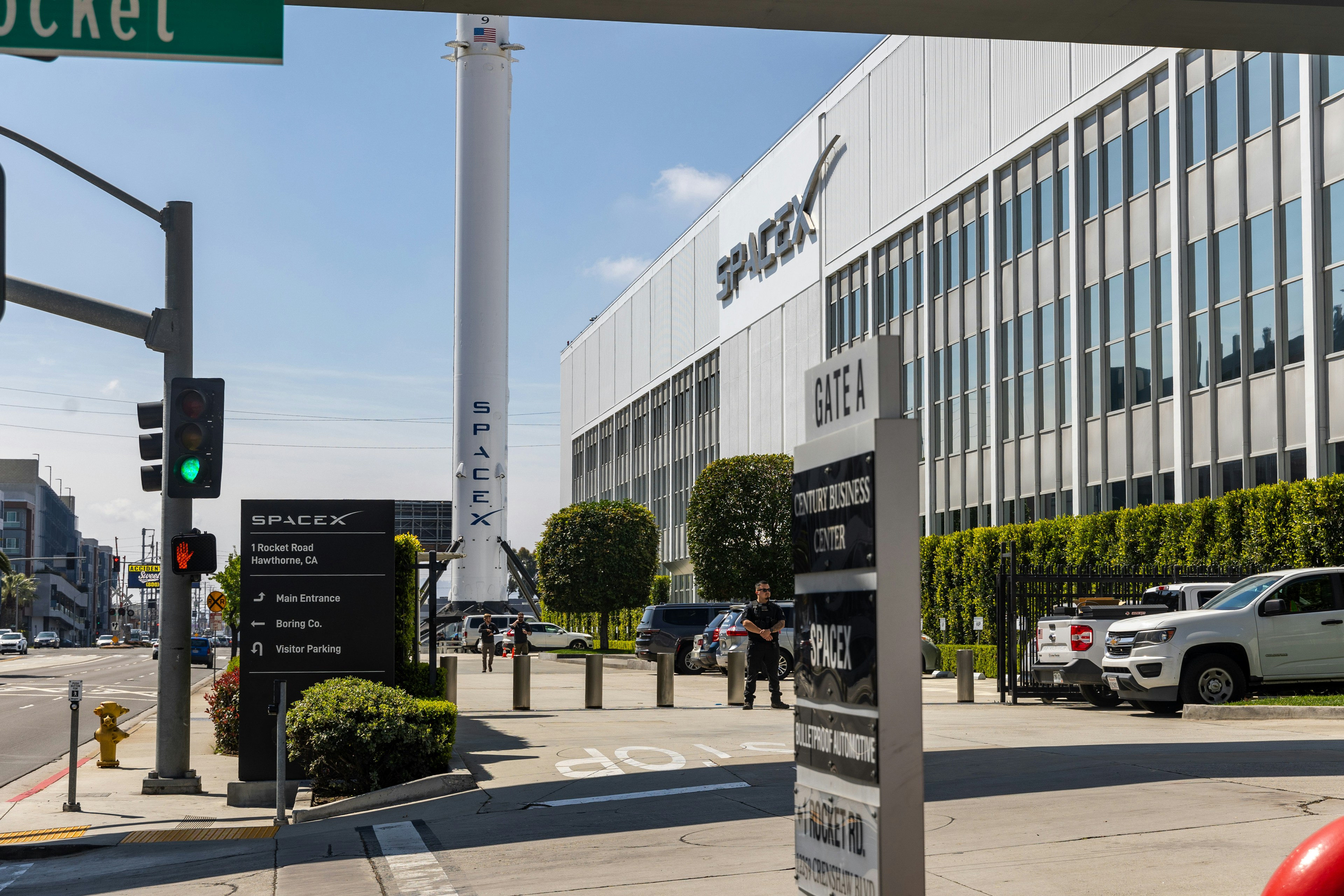
SpaceX sets a new reusability record and continues its busy launch schedule with multiple Starlink missions.
Today's space brief covers NASA's shift to private companies for astronaut rescue, EU's potential collaboration with SES for satellite services, and notable military contract allocations. Plus, a satellite spotlight on LEMUR-2-KADI.
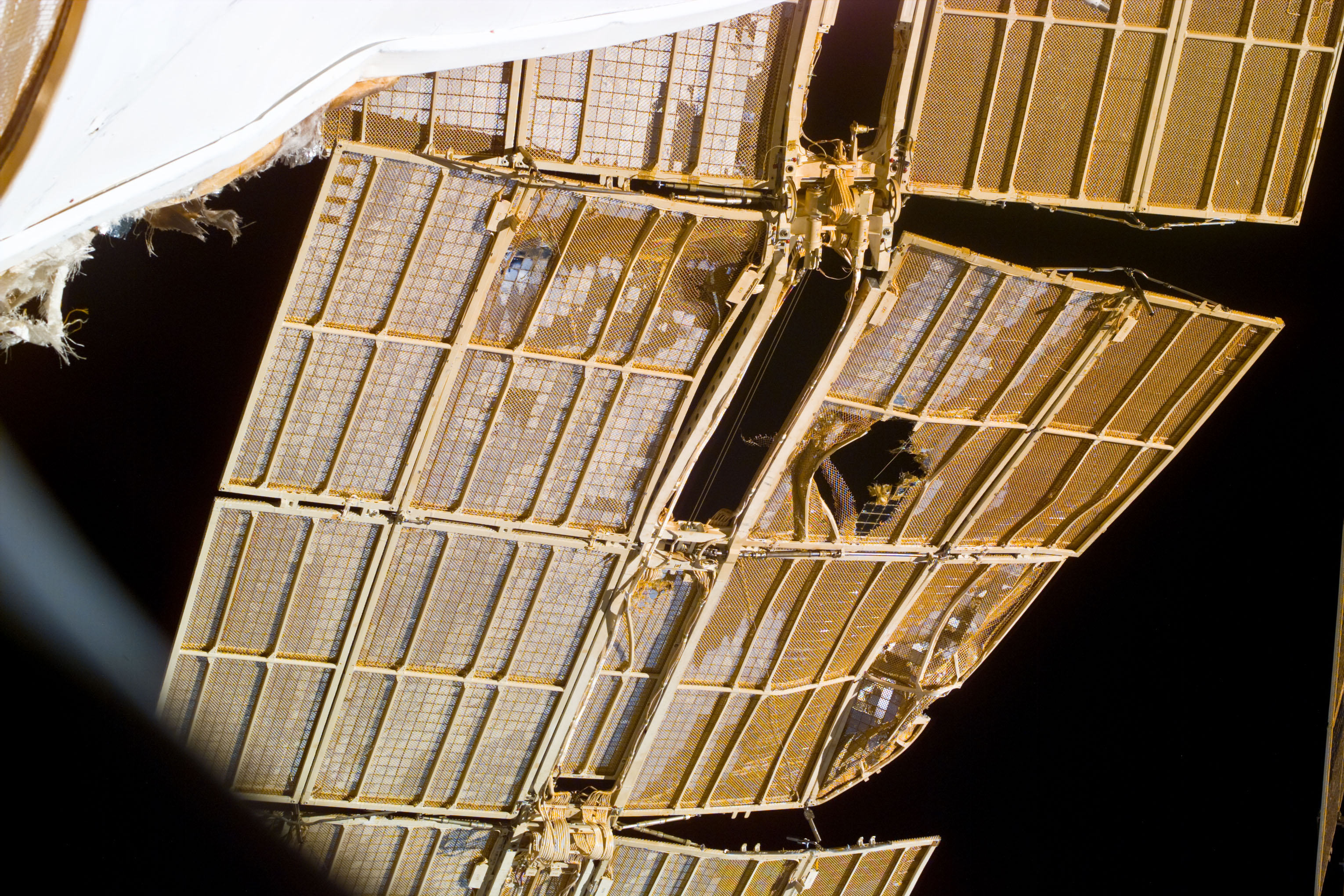
On 25 June 1997, a seven-ton cargo ship under hand control drifted into Mir's Spektr module, breached the hull, and left three crew members listening to their air hiss into space. It remains the worst collision in the history of human spaceflight.
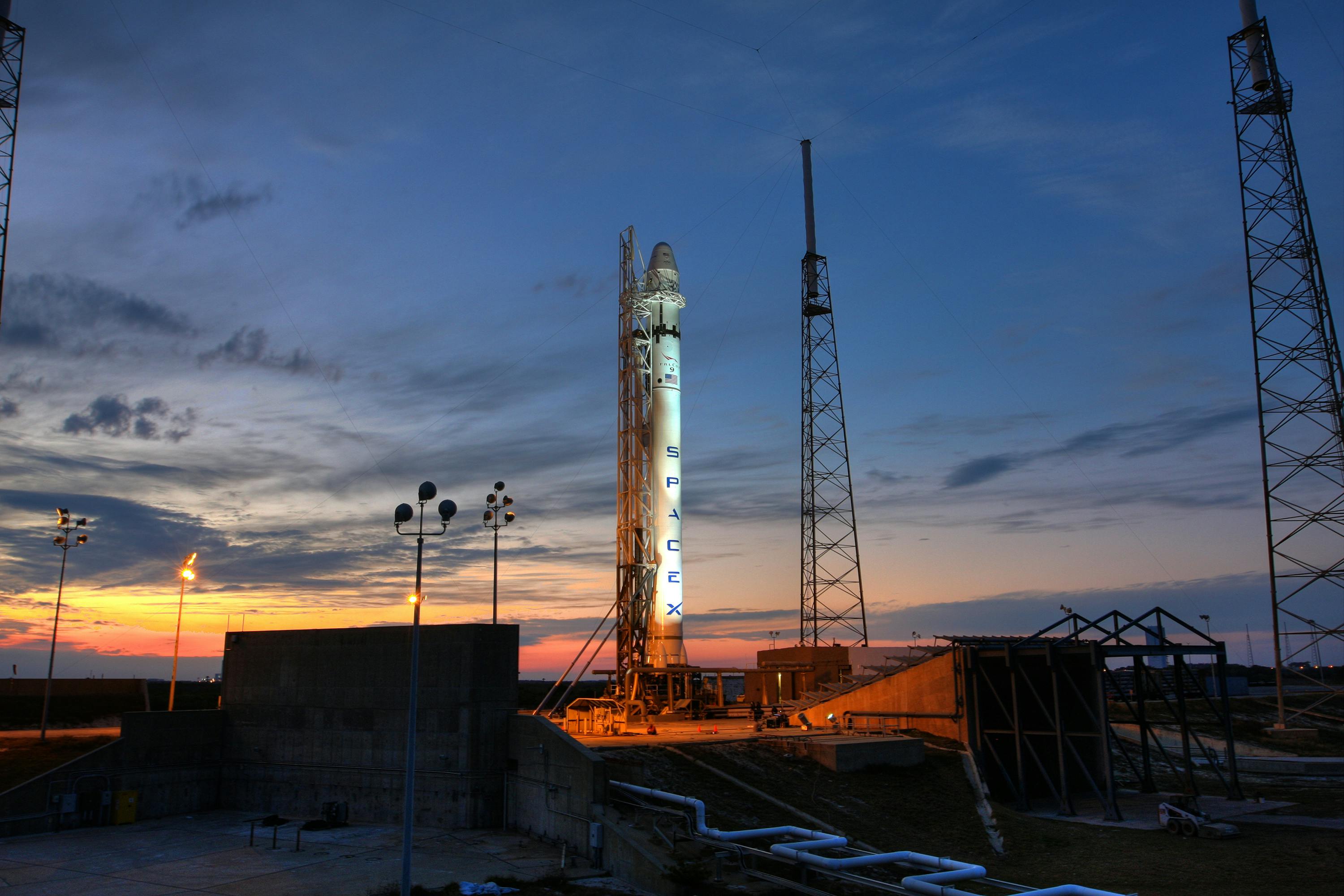
SpaceX kicks off 2025 with successful launches and a record-breaking outlook, aiming to maintain its market leadership amidst emerging competition.
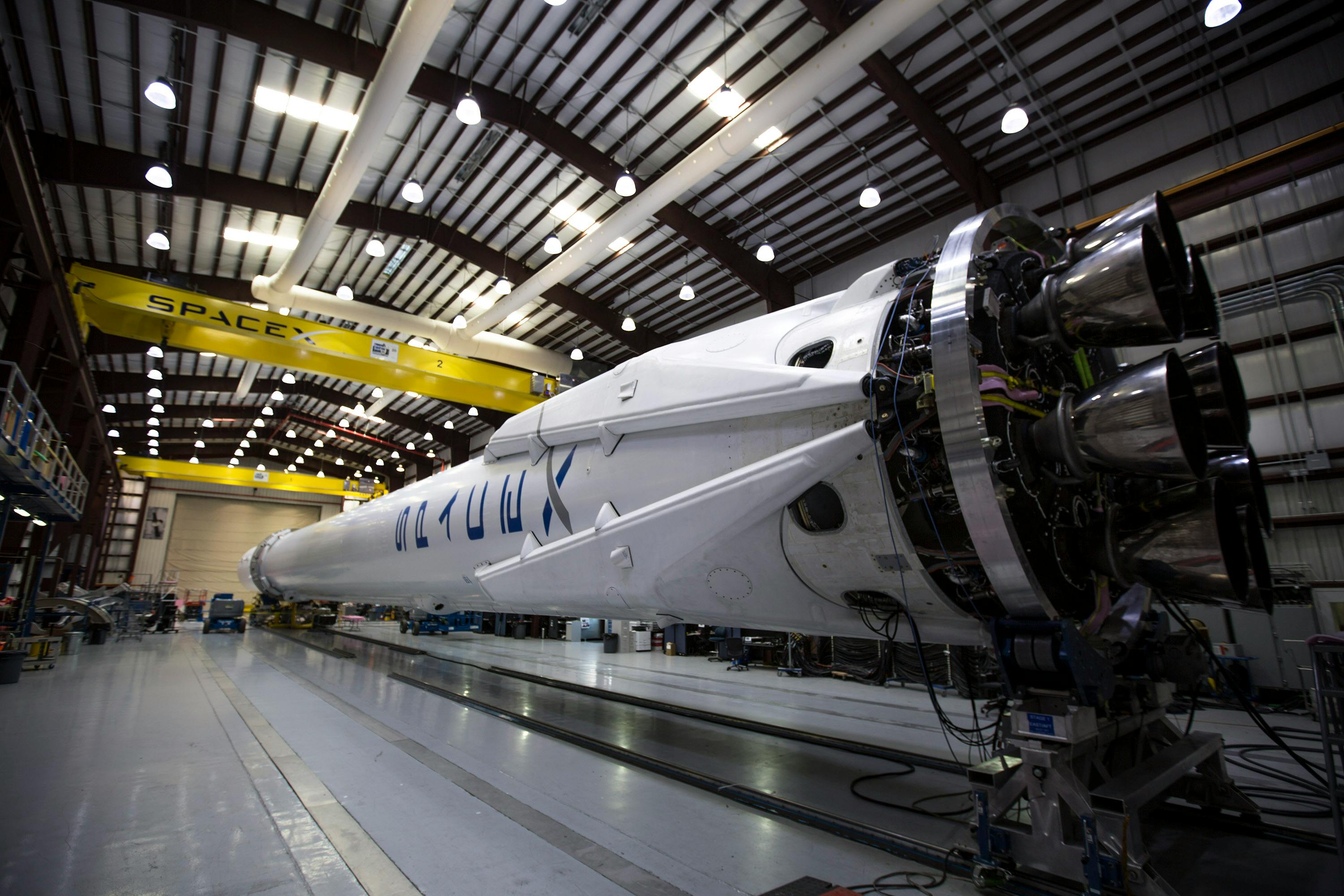
SpaceX's Falcon 9 launches Northrop Grumman's Cygnus NG-24 to the ISS carrying 11,000 lbs of critical cargo this weekend.

Today's space brief covers key developments in satellite monitoring, U.K. defense contracts, and critical licensing reforms supporting national security.