XPoSat (58694)

COSPAR: 2024-001A | Alt Name: XPoSAT

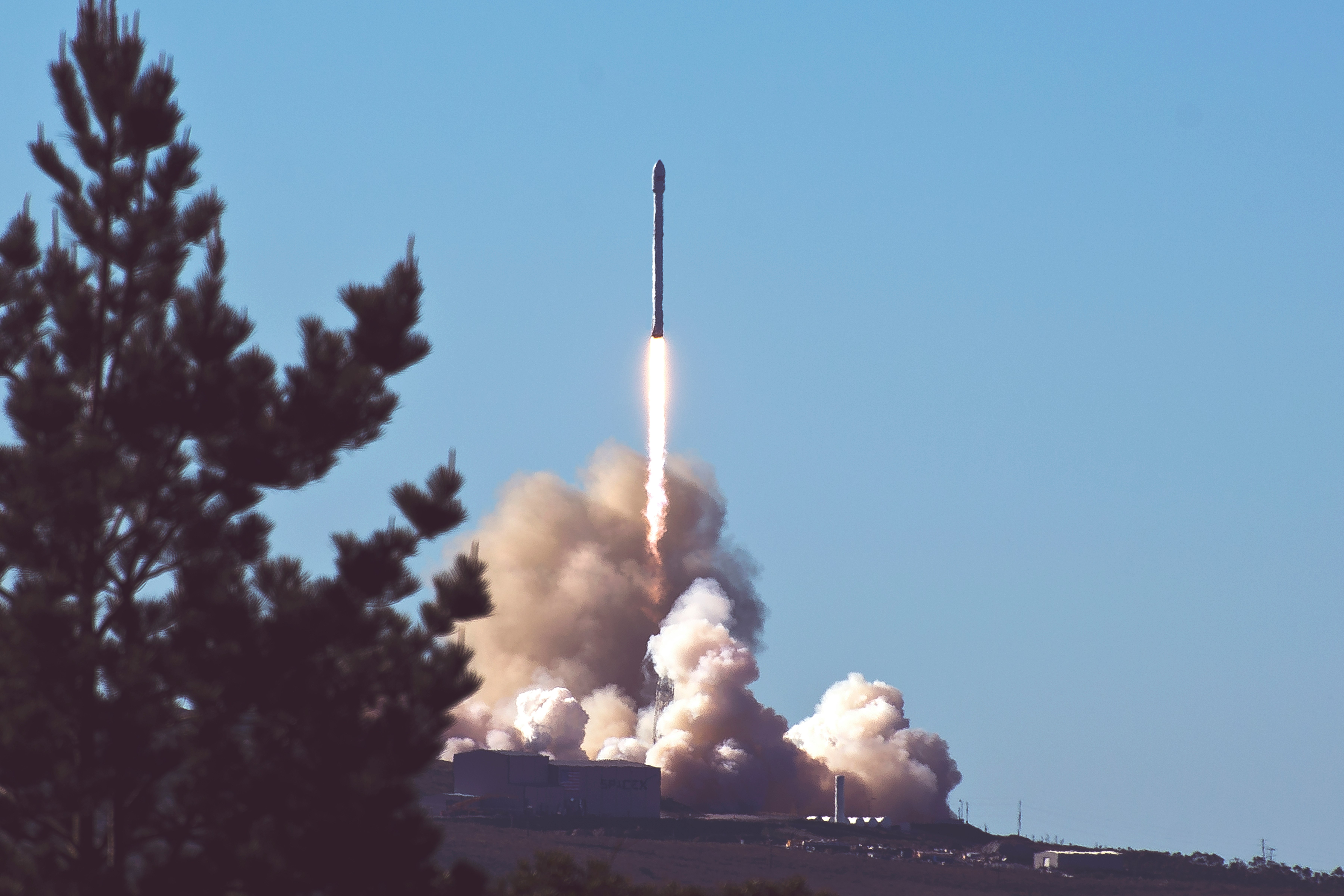
Image
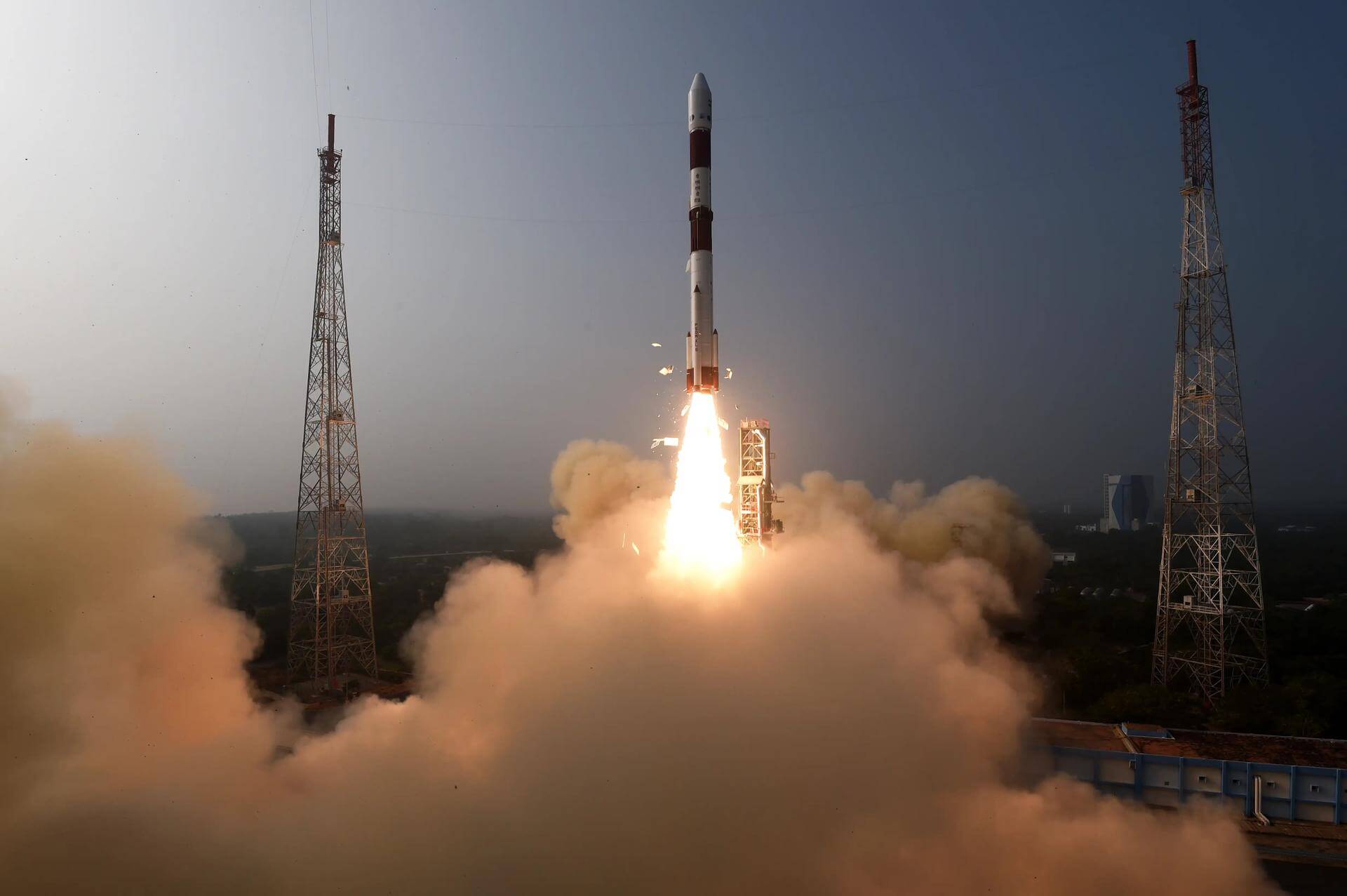
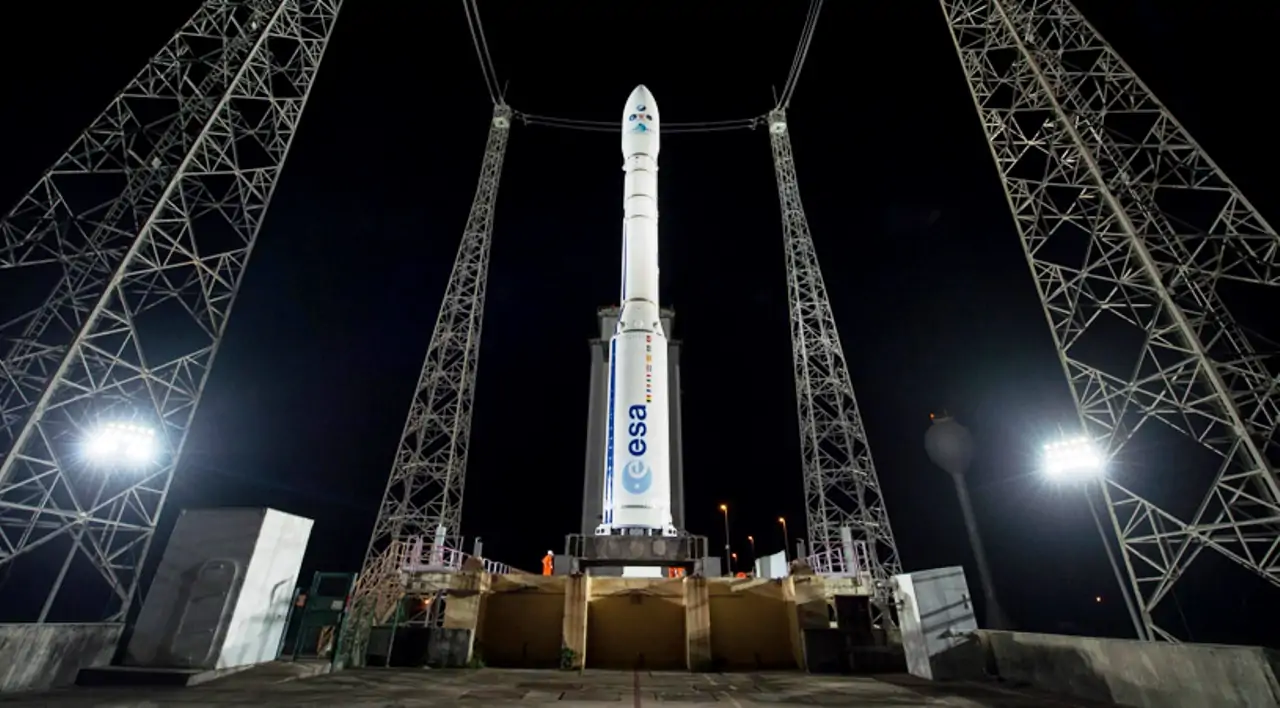
XPoSat Satellite Image
Launch Details

Launch Date

January 1, 2024

Launch Site

Satish Dhawan Space Centre, Sriharikota

Launch Pad

First Launch Pad

Launch Vehicle

PSLV-DL

Orbital Elements

NORAD ID

58694

International Designator

2024-001A

Epoch

Thu, 09 Jul 2026 20:20:06 GMT

Apogee

Calculating...

Perigee

Calculating...

Inclination

5.99°

Right Ascension

25.12°

Eccentricity

Calculating...

Argument of Perigee

85.46°

Period

97.34 min

Mean Motion

14.79 rev/day

Latitude

Calculating...

Longitude

Calculating...

Altitude

Calculating...

Velocity

Calculating...

Polar Plot
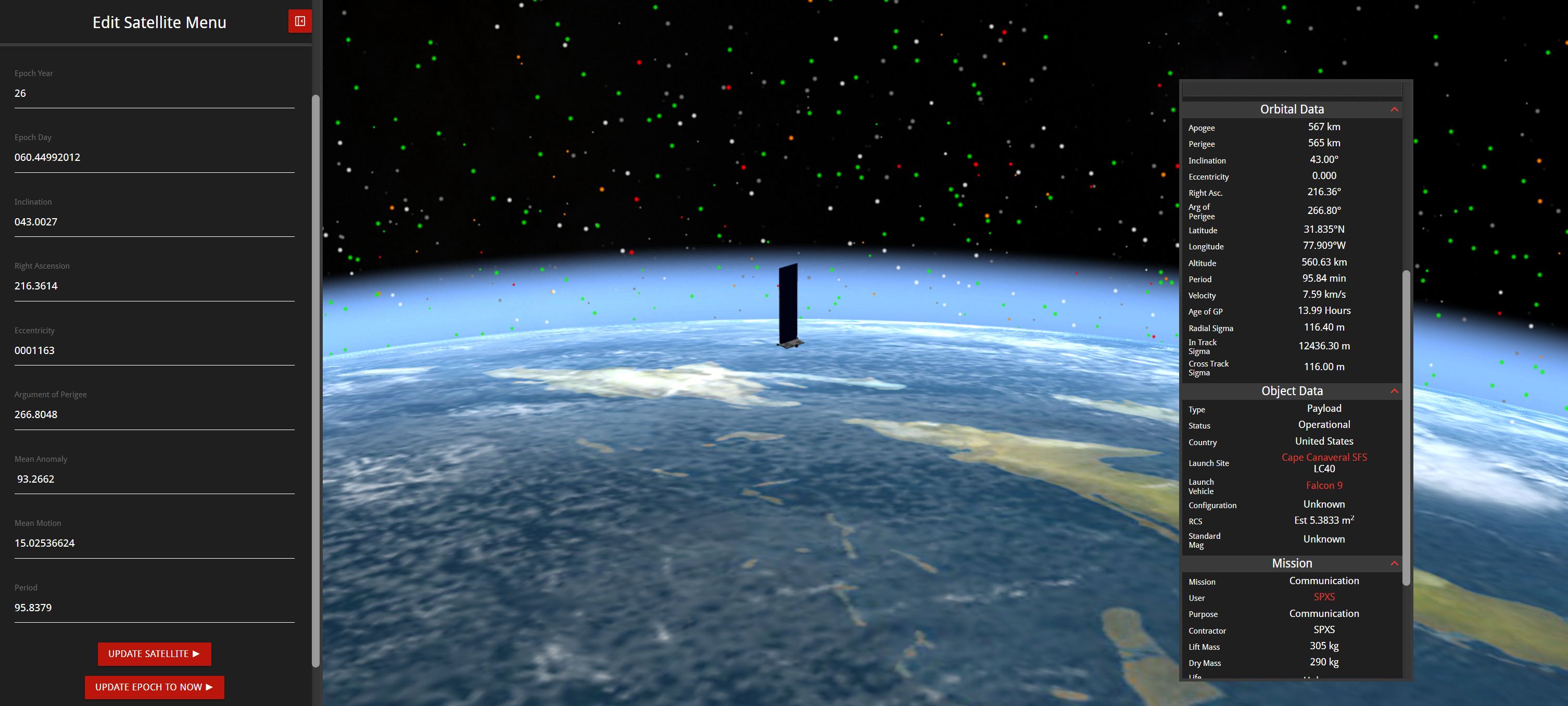
3D Visualization
Basic Satellite Info

Name

XPoSat

Alternative Name

XPoSAT

Type

Payload

Status

Operational

Owner

ISRO

Country

India

Constellation

N/A

Related Satellites

Major Events

Launch on January 1, 2024; First light observation by XSPECT on January 5, 2024, capturing emission lines from the Cassiopeia A supernova remnant.

Latest TLEs
1 58694U 24001A   26190.84730304  .00001398  00000+0  97713-4 0  9997
2 58694   5.9881  25.1227 0008638  85.4557 274.6557 14.79335705136384

Source: Celestrak

Summary
XPoSat is India's first dedicated scientific satellite for X-ray astronomy, launched by ISRO on January 1, 2024, from the Satish Dhawan Space Centre using a PSLV-DL launch vehicle. The microsatellite measures 2.7 meters in length with a diameter of 1 meter and spans 4 meters when its solar panels are deployed. It has a dry mass of 469 kg and is powered by solar cells and batteries. Equipped with two scientific payloads, POLIX (Polarimeter Instrument in X-rays) and XSPECT (X-ray Spectroscopy and Timing), the satellite aims to study polarization measurements of X-ray emissions from celestial sources over an energy range of 8-30 keV. XPoSat is three-axis stabilized and designed for a five-year mission lifetime, with its first scientific observation made on January 5, 2024, capturing emission lines from Cassiopeia A supernova remnant.
Physical Characteristics

Length

2.7

Diameter

1

Span

4

Dry Mass

469

Launch Mass

469

Shape

Box with two solar panels

Radar Cross Section

Unknown

Visual Magnitude

Unknown

Color

Unknown

Material Composition

Unknown

Technical Details

Payload

The satellite carries two scientific payloads: POLIX (Polarimeter Instrument in X-rays), developed by the Raman Research Institute, and XSPECT (X-ray Spectroscopy and Timing), developed by the Space Astronomy Group of URSC.

Purpose

Scientific research in X-ray astronomy

Mission

XPoSat is India's first dedicated scientific satellite designed to carry out space-based polarization measurements of X-ray emissions from celestial sources. The mission aims to study the degree and angle of polarization in the energy range of 8-30 keV from about 50 potential cosmic sources, including pulsars, black hole X-ray binaries, active galactic nuclei, neutron stars, and non-thermal supernova remnants.

Manufacturer

ISRO

Life Expectancy

5 years

Bus

Modified IMS-2

Configuration

Microsatellite-SSB (SSB-2)

Motor

Unknown

Equipment

POLIX, XSPECT

Power System

Solar cells and batteries

ADCS

Three-axis stabilized

Transmitter Frequency

Unknown

Map
This tool will help you track the satellite's position and predict its upcoming passes over your location. Simply input the coordinates or click the geolocation button to get started.
Next Pass
Azimuth Elevation Time (Local)
Start Azimuth
Max Elevation
Stop Azimuth
Time Until
Pass Duration

Satellite Articles

View All Posts »

Learn more about satellites and other related topics.

The Day Europe Changed the Game for Small Satellites

The Day Europe Changed the Game for Small Satellites

Thirteen years ago, a new rocket lifted off from the edge of the Amazon rainforest, marking Europe's entry into the small satellite launch market and carrying the dreams of university students across a continent

Vulcan GEM 63XL Passes Static Fire; February Anomaly Still Under Investigation | KeepTrack Space Brief

Vulcan GEM 63XL Passes Static Fire; February Anomaly Still Under Investigation | KeepTrack Space Brief

Northrop Grumman's GEM 63XL solid rocket booster passed static fire testing, but ULA's investigation into a February 2026 Vulcan in-flight anomaly remains open. No RTF date set.

NordSpace Atlantic Spaceport Complex

NordSpace Atlantic Spaceport Complex

Canada's sovereign space access finally has a construction site. How NordSpace is building the Atlantic Spaceport Complex in Newfoundland - and what the scrubbed Taiga launch reveals about the path to orbit.

SpaceX Names AI Megaconstellation "Starmind" | KeepTrack X Report

SpaceX Names AI Megaconstellation "Starmind" | KeepTrack X Report

SpaceX officially names its planned AI megaconstellation Starmind while a Falcon 9 upper stage targets a lunar impact this August.

Space Force Eyes Space Tugs, On-Orbit Refueling by 2030 | KeepTrack Space Brief

Space Force Eyes Space Tugs, On-Orbit Refueling by 2030 | KeepTrack Space Brief

Space Force commits to operational space tugs and on-orbit refueling by 2030. New capabilities will complicate conjunction analysis for GEO and MEO satellite tracking.

X Report 5 May 2025

X Report 5 May 2025

SpaceX celebrated Star Wars Day with a successful launch of Starlink satellites, furthering its mission to enhance global internet access. Lego also revealed a new collectible set tied to the franchise.

Two-Line Element Set (TLE)

Two-Line Element Set (TLE)

The compact data format that describes every tracked satellite orbit in just two lines of text, and how to read it

SpinLaunch's Kinetic Launch System

SpinLaunch's Kinetic Launch System

How a California startup's massive centrifuge could transform space access by eliminating rocket fuel, reducing costs by 70%, and enabling daily satellite launches - if it can overcome the physics of scaling from suborbital tests to orbital reality