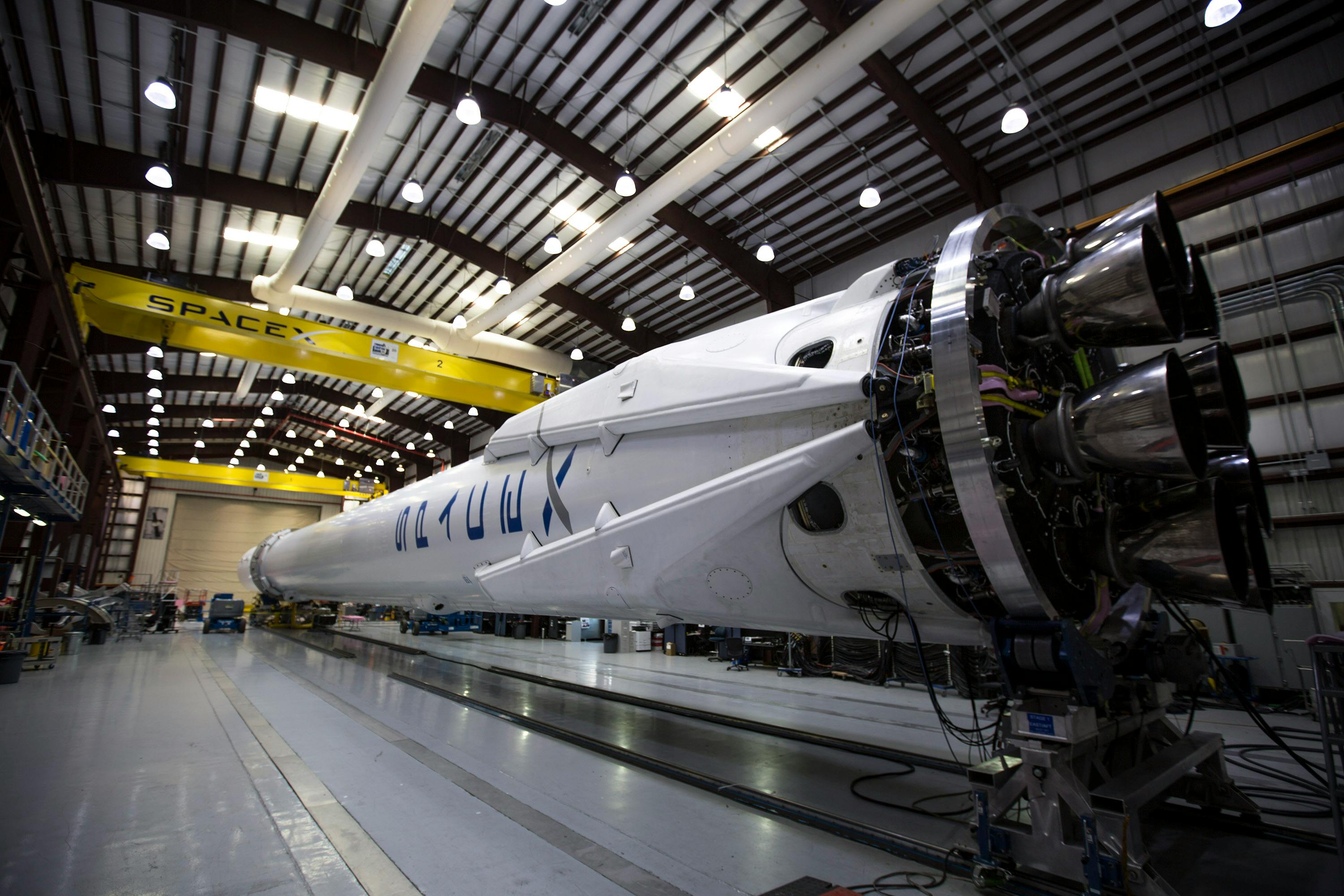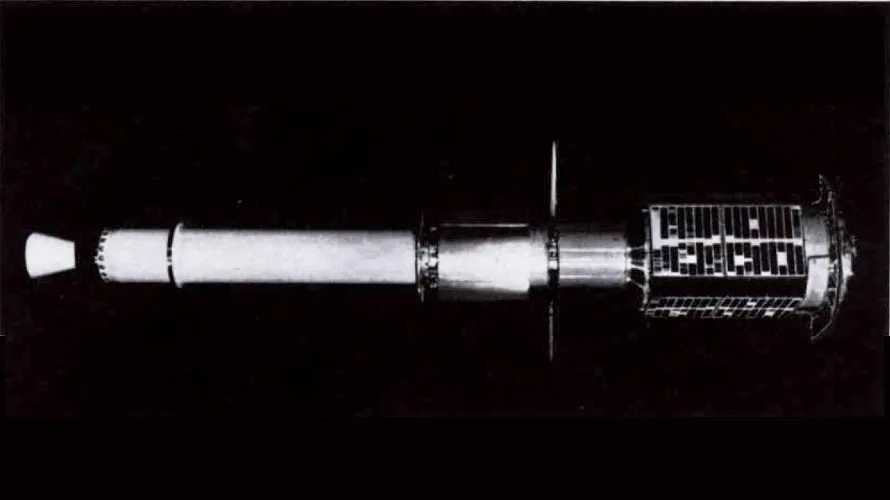
STARLINK-31121 (58685)

COSPAR: 2023-211U | Alt Name: Starlink 31121

Image
STARLINK-31121 Satellite Image
Additional Sources
Launch Details

Launch Date

December 29, 2023

Launch Pad

LC40

Launch Vehicle

Falcon 9

Orbital Elements

NORAD ID

58685

International Designator

2023-211U

Epoch

Sun, 19 Jul 2026 23:56:21 GMT

Apogee

Calculating...

Perigee

Calculating...

Inclination

43.01°

Right Ascension

57.70°

Eccentricity

Calculating...

Argument of Perigee

271.45°

Period

94.27 min

Mean Motion

15.28 rev/day

Latitude

Calculating...

Longitude

Calculating...

Altitude

Calculating...

Velocity

Calculating...

Polar Plot
3D Visualization
Basic Satellite Info

Name

STARLINK-31121

Alternative Name

Starlink 31121

Type

Payload

Status

Operational

Owner

SPXS

Country

United States

Constellation

N/A

Related Satellites

Major Events

N/A

Latest TLEs
1 58685U 23211U   26200.99747381 -.00000046  00000+0  78464-5 0  9993
2 58685  43.0057  57.7038 0001508 271.4549  88.6130 15.27575674142708

Source: Celestrak

Summary
STARLINK-31121 is a Starlink V2M satellite belonging to the Starlink v2 Mini configuration, manufactured by SpaceX (SPXS) and launched on December 29, 2023, from Launch Pad LC40 at Cape Canaveral Air Force Station using a Falcon 9 launch vehicle. The spacecraft measures approximately 0.3 meters in length with a diameter of 4.1 meters and has a span of 29 meters due to its solar arrays. Its dry mass is 700 kilograms, and it had a launch mass of 730 kilograms. Equipped with Ku/Ka/E-band payload and an optical inter-satellite link, the satellite utilizes argon ion thrusters for propulsion and solar arrays along with batteries for power generation. The purpose of this communication satellite is to provide internet services as part of the Starlink Group 6-36-19 mission.

Starlink is a satellite constellation developed by SpaceX with the aim of providing global broadband internet coverage. Thousands of small satellites are deployed in low Earth orbit (LEO), enabling high-speed internet access even in remote areas. However, the rapid increase in satellites raises concerns about space debris and the potential for collisions, which can lead to further debris creation and endanger other spacecraft. Additionally, the sheer number of Starlink satellites can affect astronomical observations by increasing light pollution. Proper deorbiting plans and international coordination are essential to mitigate these challenges and ensure long-term sustainability in space.
Physical Characteristics

Length

0.3

Diameter

4.1

Span

29

Dry Mass

700

Launch Mass

730

Shape

Box + pan

Radar Cross Section

Unknown

Visual Magnitude

Unknown

Color

Unknown

Material Composition

Unknown

Technical Details

Payload

Starlink Group 6-36-19

Purpose

Communication

Mission

Communication

Manufacturer

SPXS

Life Expectancy

Unknown

Bus

Starlink V2M

Configuration

Starlink v2 Mini

Motor

Argon ion thrusters

Equipment

Ku/Ka/E-band payload, optical inter-satellite link

Power System

Solar arrays, batteries

ADCS

Unknown

Transmitter Frequency

Unknown

Map
This tool will help you track the satellite's position and predict its upcoming passes over your location. Simply input the coordinates or click the geolocation button to get started.
Next Pass
Azimuth Elevation Time (Local)
Start Azimuth
Max Elevation
Stop Azimuth
Time Until
Pass Duration

Satellite Articles

View All Posts »

Learn more about satellites and other related topics.

The Satellite That Found 22 Photons and Changed Astronomy

The Satellite That Found 22 Photons and Changed Astronomy

On April 27, 1961, a Scout rocket lifted a 37-kilogram NASA satellite into orbit from Wallops Island carrying the first serious instrument for detecting cosmic gamma rays. Explorer 11 operated for seven months before its tape recorder failed. In that time it registered 22 gamma-ray photons - a pitiful number by modern standards, but enough to launch an entire branch of astronomy.
Space Brief 21 Nov 2025

Space Brief 21 Nov 2025

Today's brief covers the Space Force's strategic roadmap, a groundbreaking DARPA mission in Very Low Earth Orbit, and enhanced cyber defenses due to AI-driven threats.

Space Brief 20 Feb 2025

Space Brief 20 Feb 2025

Expansion of national security capabilities with new services, shifts in Pentagon priorities, challenges in zero trust compliance, and more.

Demystifying the USSPACECOM Two-Line Element Set Format

Demystifying the USSPACECOM Two-Line Element Set Format

Discover the history and significance of Two-Line Element Sets (TLEs) in satellite tracking. Dive into their components, applications, and how they are evolving to meet future space challenges.

X Report 14 Dec 2024

X Report 14 Dec 2024

SpaceX advances with Starship readiness, scrubs mysterious RRT-1 launch, and successfully deploys more Starlink satellites.

Space Brief 15 Feb 2025

Space Brief 15 Feb 2025

Today's highlights include SpaceX's record-setting Starlink launch, Redwire's contract for USSF, and military satellite developments.

X Report 11 Feb 2025

X Report 11 Feb 2025

SpaceX successfully launches 23 Starlink satellites, NASA selects SpaceX for astrophysics mission, and Starship Flight 8 advances with Booster 15 static fire.

X Report 3 Jun 2025

X Report 3 Jun 2025

SpaceX gears up for an exciting week with multiple launches, including a crewed mission and the rescheduled Starlink delivery. Meanwhile, ULA faces criticism from the Space Force over delays in its Vulcan rocket program.