


Starship Flight 12 Targets May 19 with Redesigned Ship | KeepTrack X Report
SpaceX targets May 19 for Starship Flight 12 debut, while CRS-34 delivers 6,500 lbs of cargo to ISS aboard a Falcon 9.



Launch Date
December 29, 2023
Launch Site
Launch Pad
LC40
Launch Vehicle
NORAD ID
58680
International Designator
2023-211P
Epoch
Mon, 20 Jul 2026 06:46:17 GMT
Apogee
Calculating...
Perigee
Calculating...
Inclination
43.00°
Right Ascension
56.40°
Eccentricity
Calculating...
Argument of Perigee
267.33°
Period
94.27 min
Mean Motion
15.28 rev/day
Latitude
Calculating...
Longitude
Calculating...
Altitude
Calculating...
Velocity
Calculating...
Name
STARLINK-31112
Alternative Name
Starlink 31112
Type
Status
Owner
SPXS
Country
United States
Constellation
N/A
Related Satellites
Major Events
N/A
1 58680U 23211P 26201.28215082 -.00000122 00000+0 50737-5 0 9997
2 58680 43.0013 56.3997 0001181 267.3306 92.7410 15.27574064143920
Source: Celestrak
Length
0.3
Diameter
4.1
Span
29
Dry Mass
700
Launch Mass
730
Shape
Box + pan
Radar Cross Section
Unknown
Visual Magnitude
Unknown
Color
Unknown
Material Composition
Unknown
Payload
Starlink Group 6-36-14
Purpose
Communication
Mission
Communication
Manufacturer
SPXS
Life Expectancy
Unknown
Bus
Starlink V2M
Configuration
Starlink v2 Mini
Motor
Argon ion thrusters
Equipment
Ku/Ka/E-band payload, optical inter-satellite link
Power System
Solar arrays, batteries
ADCS
Unknown
Transmitter Frequency
Unknown
Learn more about satellites and other related topics.
SpaceX targets May 19 for Starship Flight 12 debut, while CRS-34 delivers 6,500 lbs of cargo to ISS aboard a Falcon 9.
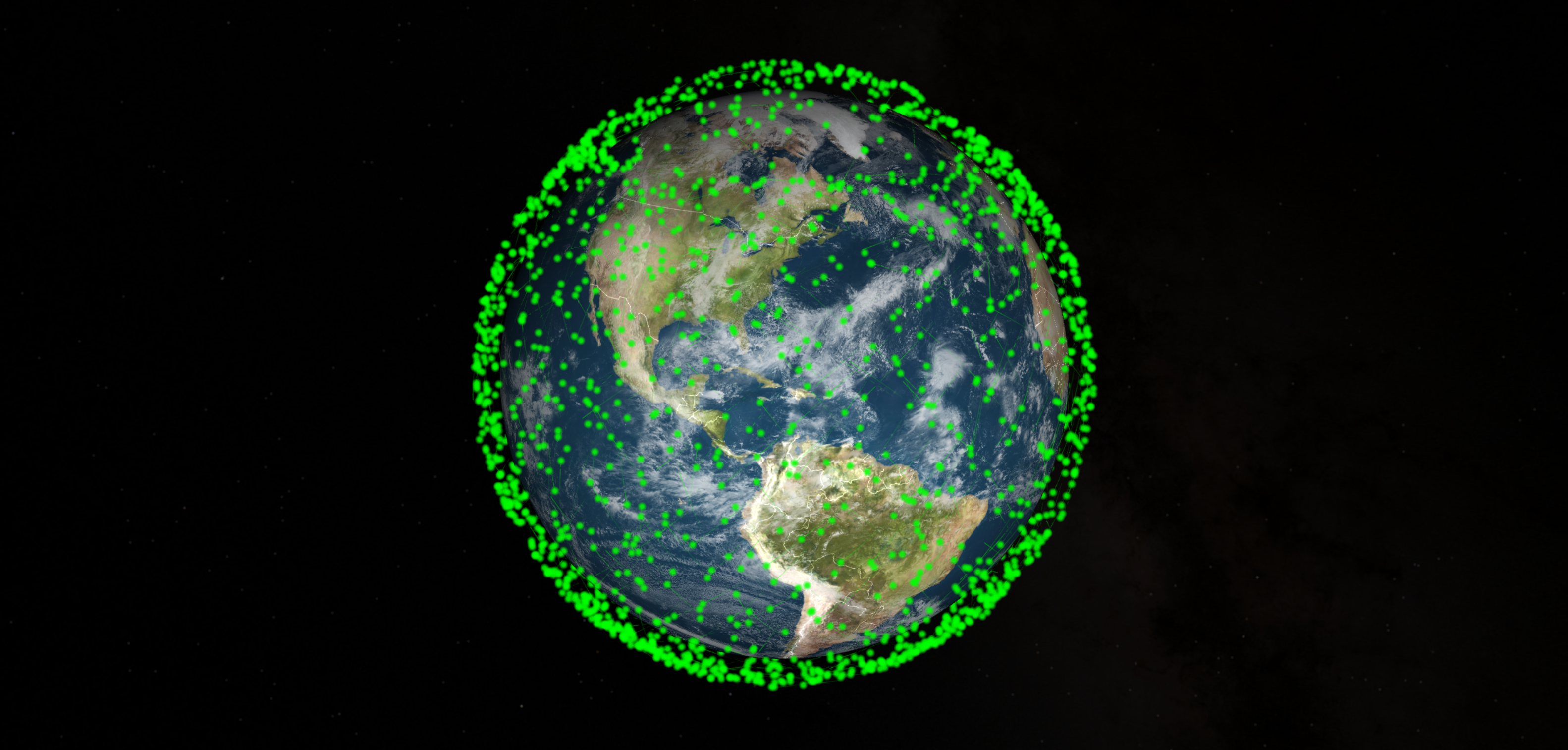
SpaceX quietly built the world's largest 4G network without a single cell tower. Over 650 satellites now connect standard smartphones directly from orbit, and most people carrying compatible phones don't know the service exists.
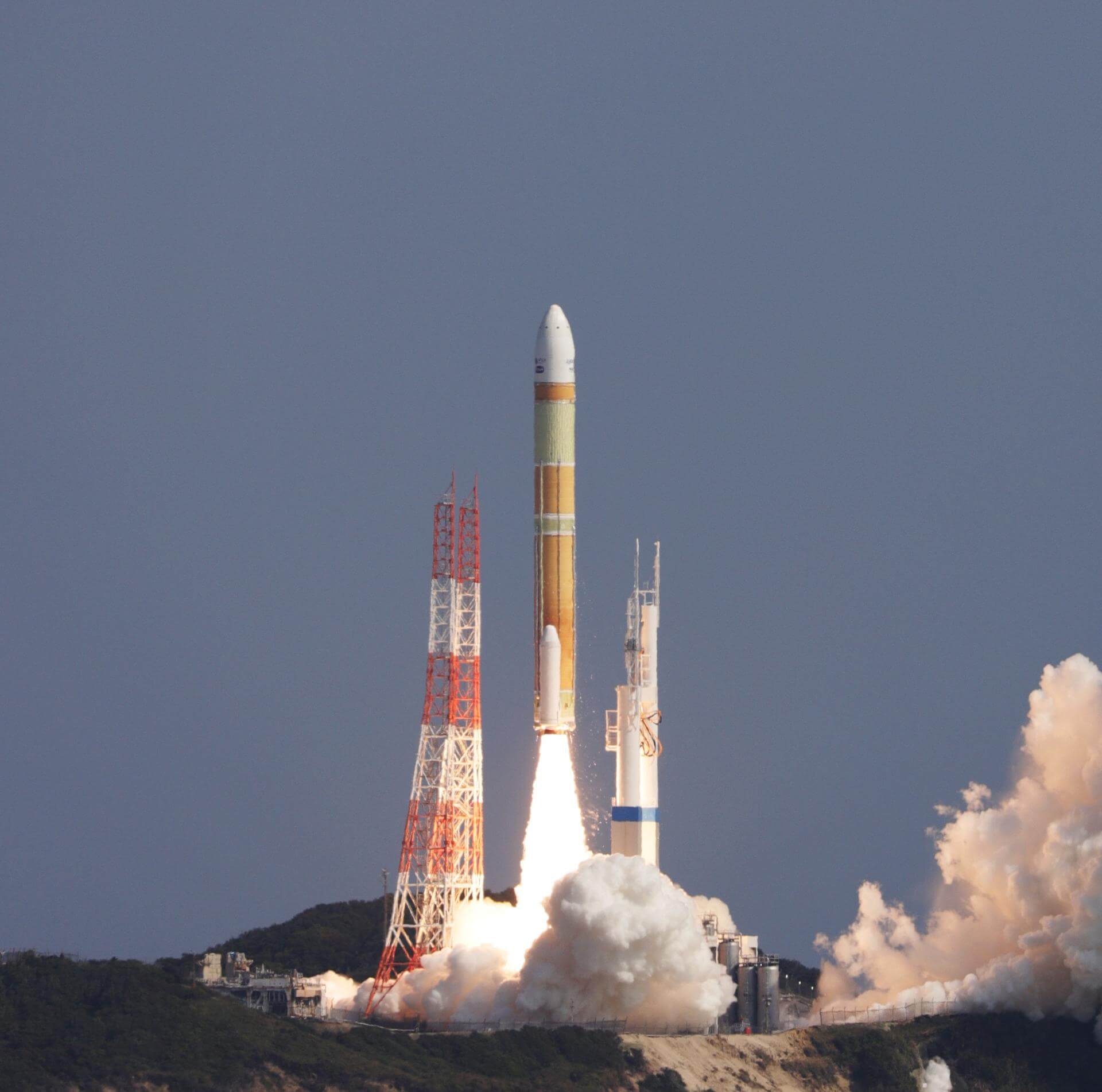
Explore today's pivotal news in space with highlights on record government space budgets, military satellite developments, and significant industry shifts.
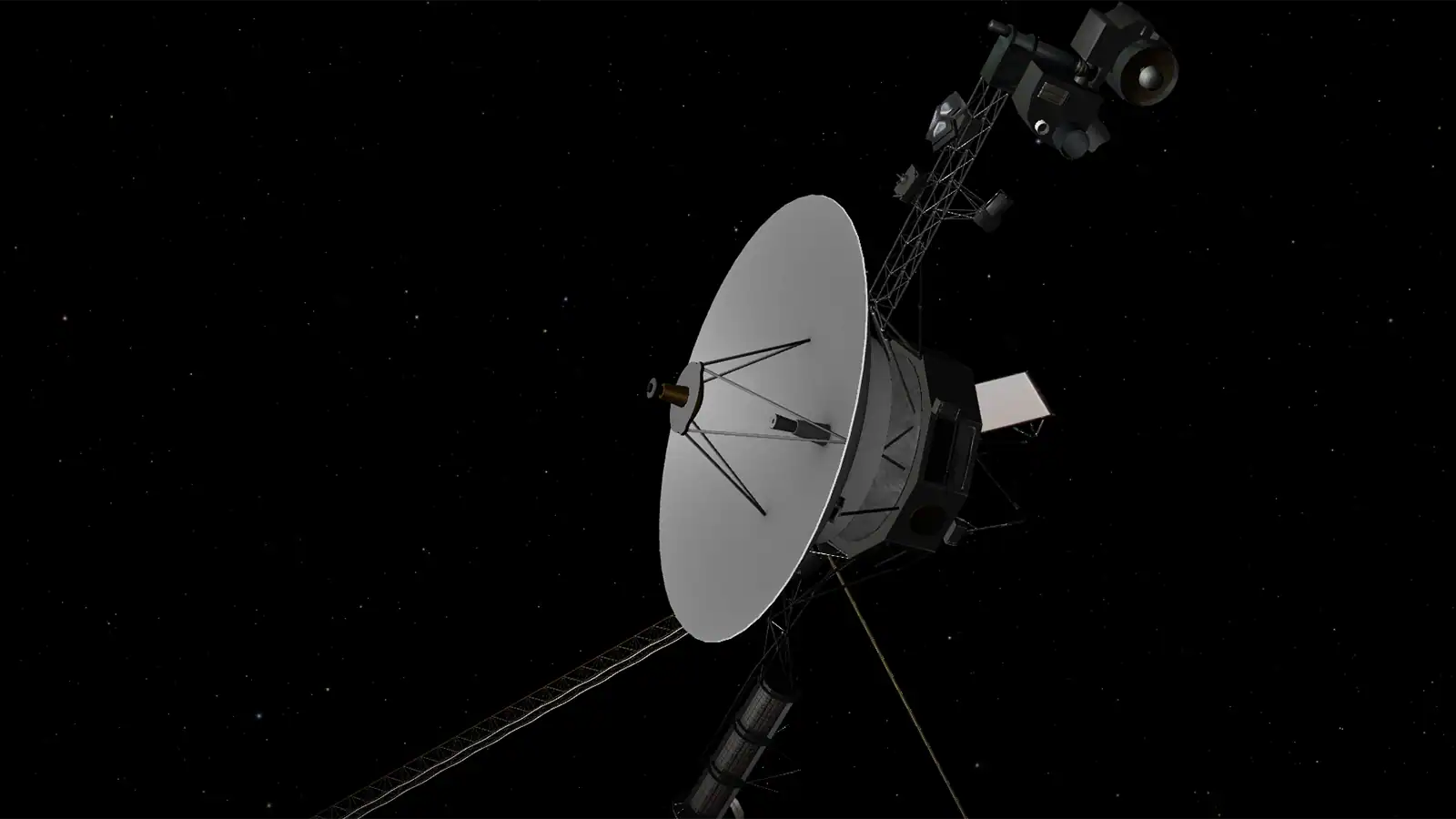
In November 2023, Earth's most distant spacecraft started speaking gibberish. Five months, one dead memory chip, and 30 billion miles of round-trip troubleshooting later, engineers got it talking again - using code written before most of them were born.

Today's Space Brief covers crucial satellite events including upcoming launches, military space developments, and exceptional celestial sightings.

SpaceX unveils new space traffic management system for orbital coordination. Bahamas grants permission for rocket landings after Starship debris pause. Musk proposes lunar satellite catapult.
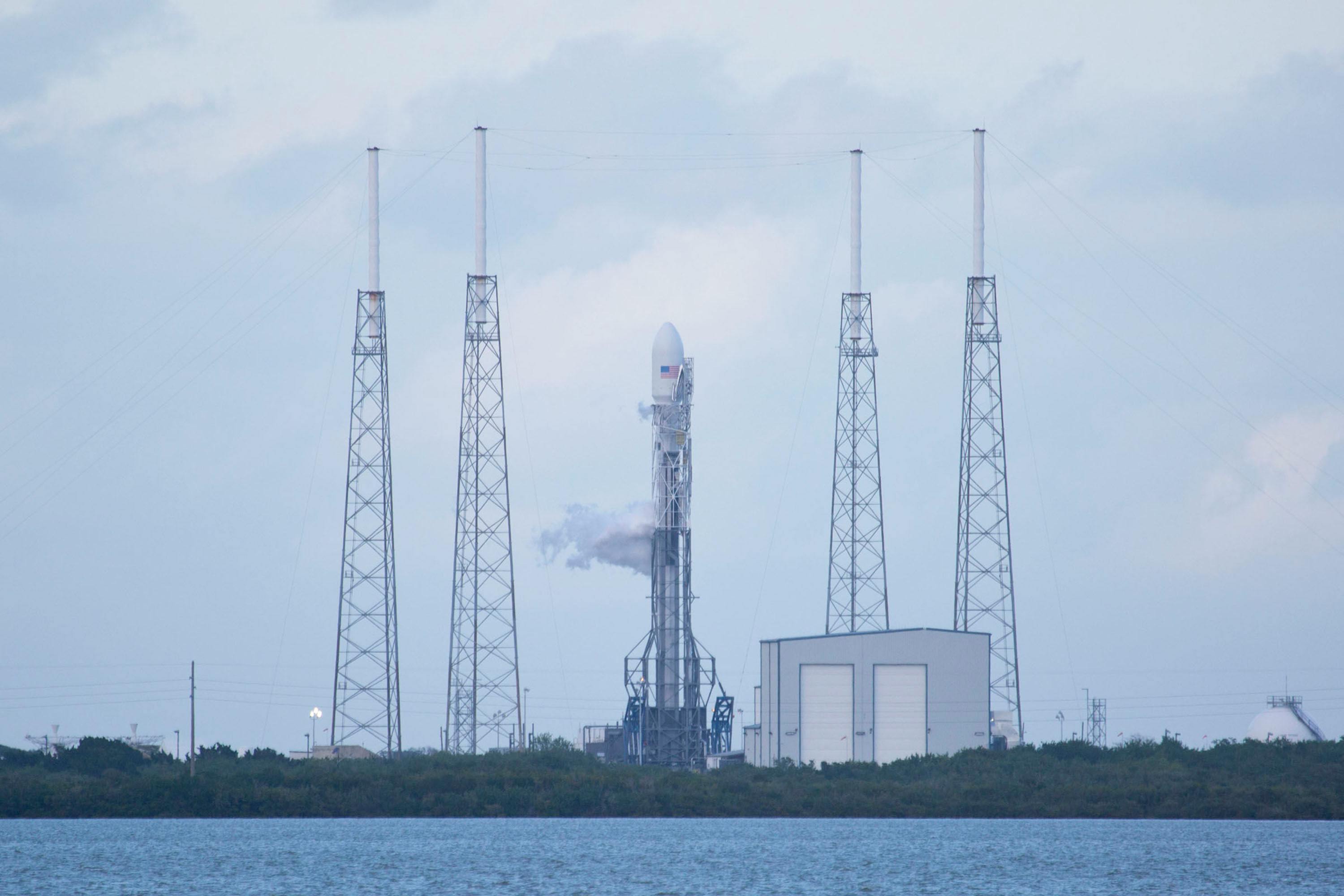
The FAA has approved Starship Flight 9, paving the way for an upcoming test launch, while SpaceX's Dragon spacecraft is set to undock from the ISS after weather delays.
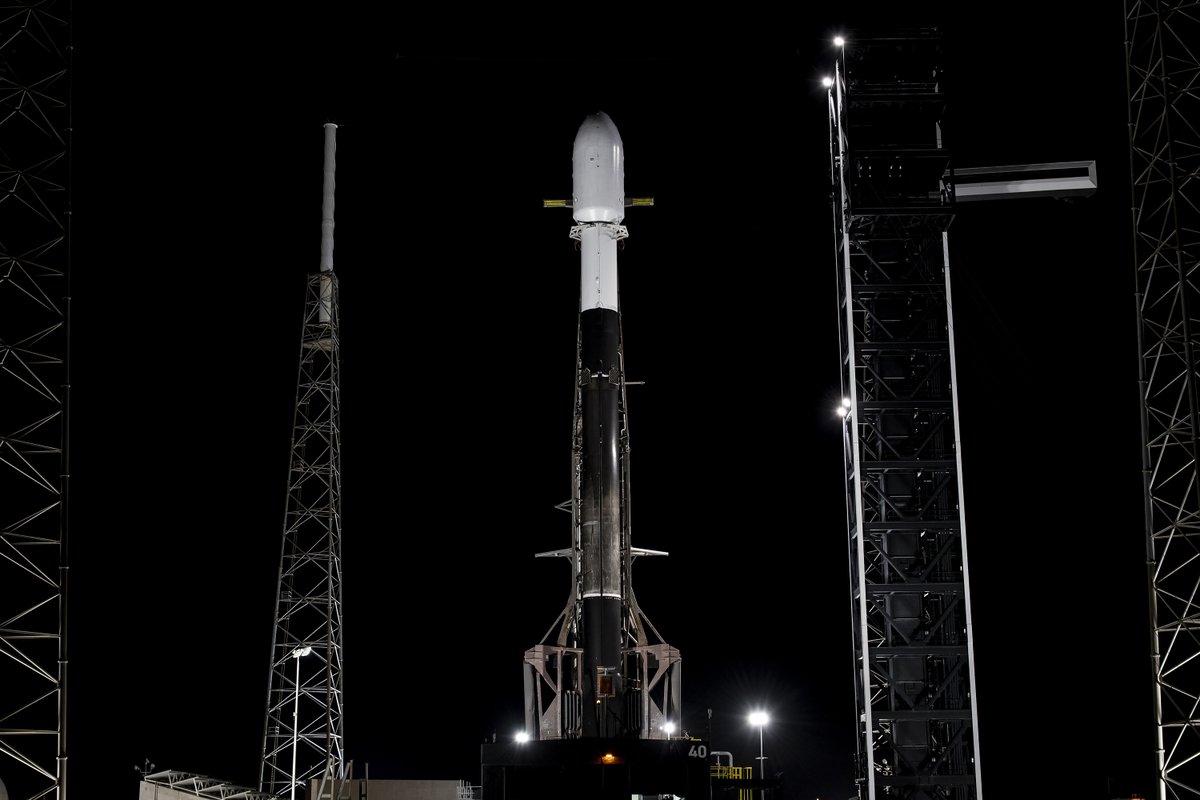
SpaceX launches its 1,500th Starlink satellite of 2026 as shares jump 19% on Nasdaq debut day. Musk targets $1 trillion in annual revenue by 2030.