STARLINK-31124 (58674)

COSPAR: 2023-211H | Alt Name: Starlink 31124

Image
STARLINK-31124 Satellite Image
Additional Sources
Launch Details

Launch Date

December 29, 2023

Launch Pad

LC40

Launch Vehicle

Falcon 9

Orbital Elements

NORAD ID

58674

International Designator

2023-211H

Epoch

Sun, 19 Jul 2026 22:35:09 GMT

Apogee

Calculating...

Perigee

Calculating...

Inclination

43.00°

Right Ascension

58.14°

Eccentricity

Calculating...

Argument of Perigee

268.37°

Period

94.27 min

Mean Motion

15.28 rev/day

Latitude

Calculating...

Longitude

Calculating...

Altitude

Calculating...

Velocity

Calculating...

Polar Plot
3D Visualization
Basic Satellite Info

Name

STARLINK-31124

Alternative Name

Starlink 31124

Type

Payload

Status

Operational

Owner

SPXS

Country

United States

Constellation

N/A

Related Satellites

Major Events

N/A

Latest TLEs
1 58674U 23211H   26200.94108212  .00000146  00000+0  14829-4 0  9994
2 58674  43.0034  58.1440 0001762 268.3670  91.6980 15.27577288142693

Source: Celestrak

Summary
The Starlink V2M satellite, identified by NORAD_CAT_ID 58674 and OBJECT_ID 2023-211H, is part of the Starlink v2 Mini constellation owned by SpaceX (SPXS). Launched on December 29, 2023, from Cape Canaveral Air Force Station's Launch Complex 40 using a Falcon 9 launch vehicle, this communication satellite has dimensions of 0.3 meters in length and 4.1 meters in diameter with a span of 29 meters. It weighs 730 kilograms at launch and reduces to a dry mass of 700 kilograms. The satellite is equipped with Ku/Ka/E-band payload capabilities, optical inter-satellite link technology, solar arrays for power generation, batteries, and Argon ion thrusters for propulsion. Its shape consists of a box with a pan configuration and serves the purpose of communication within the Starlink Group 6-36-08 constellation.

Starlink is a satellite constellation developed by SpaceX with the aim of providing global broadband internet coverage. Thousands of small satellites are deployed in low Earth orbit (LEO), enabling high-speed internet access even in remote areas. However, the rapid increase in satellites raises concerns about space debris and the potential for collisions, which can lead to further debris creation and endanger other spacecraft. Additionally, the sheer number of Starlink satellites can affect astronomical observations by increasing light pollution. Proper deorbiting plans and international coordination are essential to mitigate these challenges and ensure long-term sustainability in space.
Physical Characteristics

Length

0.3

Diameter

4.1

Span

29

Dry Mass

700

Launch Mass

730

Shape

Box + pan

Radar Cross Section

Unknown

Visual Magnitude

Unknown

Color

Unknown

Material Composition

Unknown

Technical Details

Payload

Starlink Group 6-36-08

Purpose

Communication

Mission

Communication

Manufacturer

SPXS

Life Expectancy

Unknown

Bus

Starlink V2M

Configuration

Starlink v2 Mini

Motor

Argon ion thrusters

Equipment

Ku/Ka/E-band payload, optical inter-satellite link

Power System

Solar arrays, batteries

ADCS

Unknown

Transmitter Frequency

Unknown

Map
This tool will help you track the satellite's position and predict its upcoming passes over your location. Simply input the coordinates or click the geolocation button to get started.
Next Pass
Azimuth Elevation Time (Local)
Start Azimuth
Max Elevation
Stop Azimuth
Time Until
Pass Duration

Satellite Articles

View All Posts »

Learn more about satellites and other related topics.

Space Brief 21 Dec 2025

Space Brief 21 Dec 2025

Today's briefing highlights the SDA's significant satellite award, Blue Origin's groundbreaking flight, and NASA's call for an Artemis review.

25 Starlinks Lofted from Vandenberg in Latest West Coast Push | KeepTrack X Report

25 Starlinks Lofted from Vandenberg in Latest West Coast Push | KeepTrack X Report

SpaceX launched 25 Starlink satellites from Vandenberg SFB on March 8, growing a constellation now totaling 9,924 active orbital nodes.
X Report 24 Sep 2025

X Report 24 Sep 2025

SpaceX prepares for the launch of significant NASA and NOAA missions, while Starship's 11th test flight edges closer.

SpaceX Wins $4.16B Space Force Contract, X Report 3 Jun 2026

SpaceX Wins $4.16B Space Force Contract, X Report 3 Jun 2026

SpaceX wins a $4.16 billion Space Force satellite contract to track airborne threats worldwide, while dual-pad launches add 53 Starlink satellites.
New Glenn Static Fire Anomaly Grounds Amazon Launch | KeepTrack Space Brief

New Glenn Static Fire Anomaly Grounds Amazon Launch | KeepTrack Space Brief

Blue Origin's New Glenn suffered catastrophic anomaly during static fire test at LC-36. Amazon LEO satellites pulled; NASA lunar missions now in question.
Space Brief 26 Jan 2025

Space Brief 26 Jan 2025

Spacewalks have resumed on the ISS, while Blue Origin prepares for a unique New Shepard mission. In other news, astronomers push for a ban on space ads and potential budget cuts threaten the JWST.
The $1.5 Million Starlink Jammer That Ukraine Keeps Blowing Up

The $1.5 Million Starlink Jammer That Ukraine Keeps Blowing Up

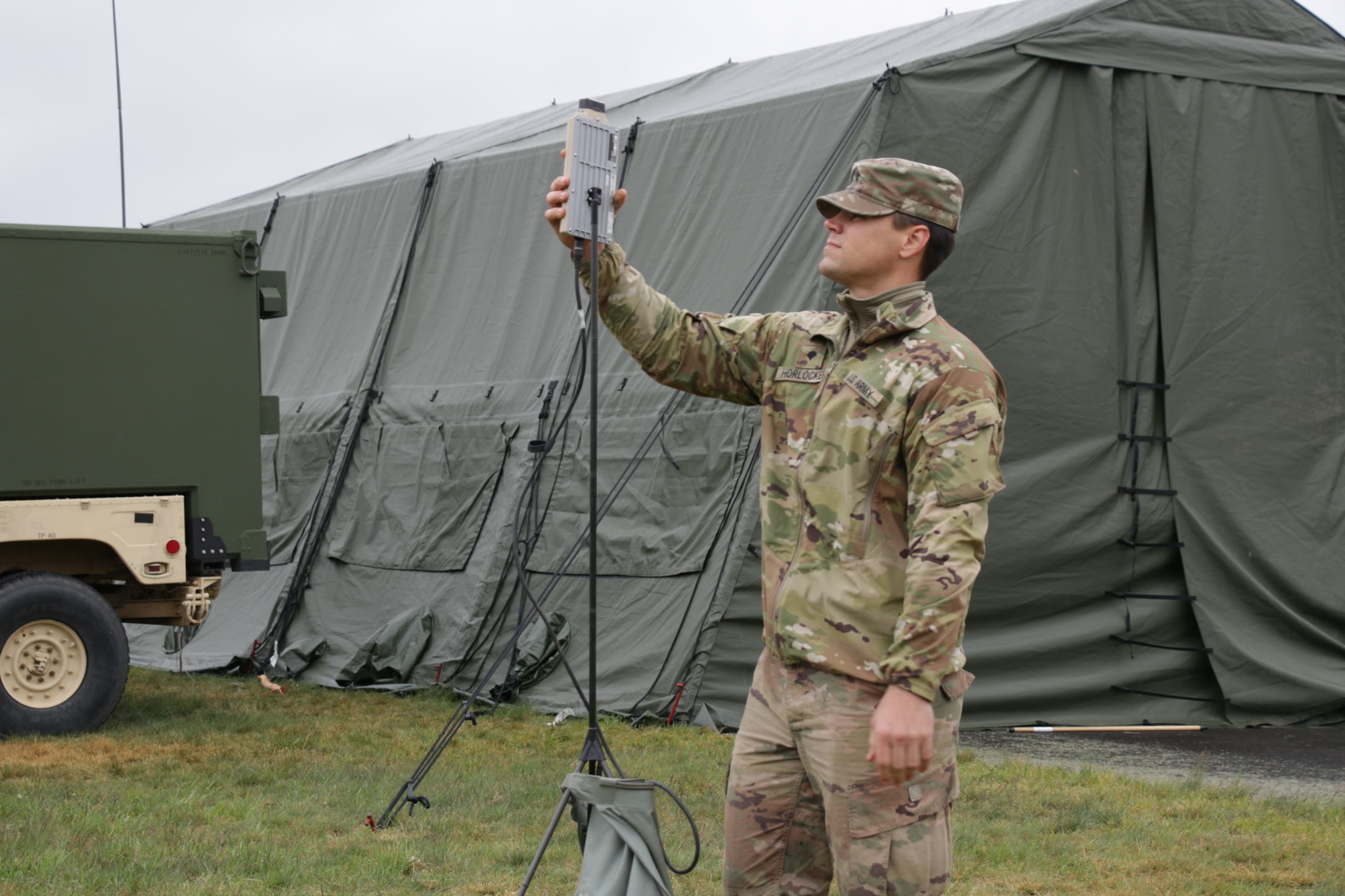
Russia's Volna Kupol Garant electronic warfare system was purpose-built to jam Starlink. It costs around $1.5 million per unit, covers just 20 square kilometers, and can only target one satellite at a time. Ukraine has been finding and destroying them within days of deployment.
NROL-179 Starshield Satellites Launch from Vandenberg | KeepTrack X Report

NROL-179 Starshield Satellites Launch from Vandenberg | KeepTrack X Report

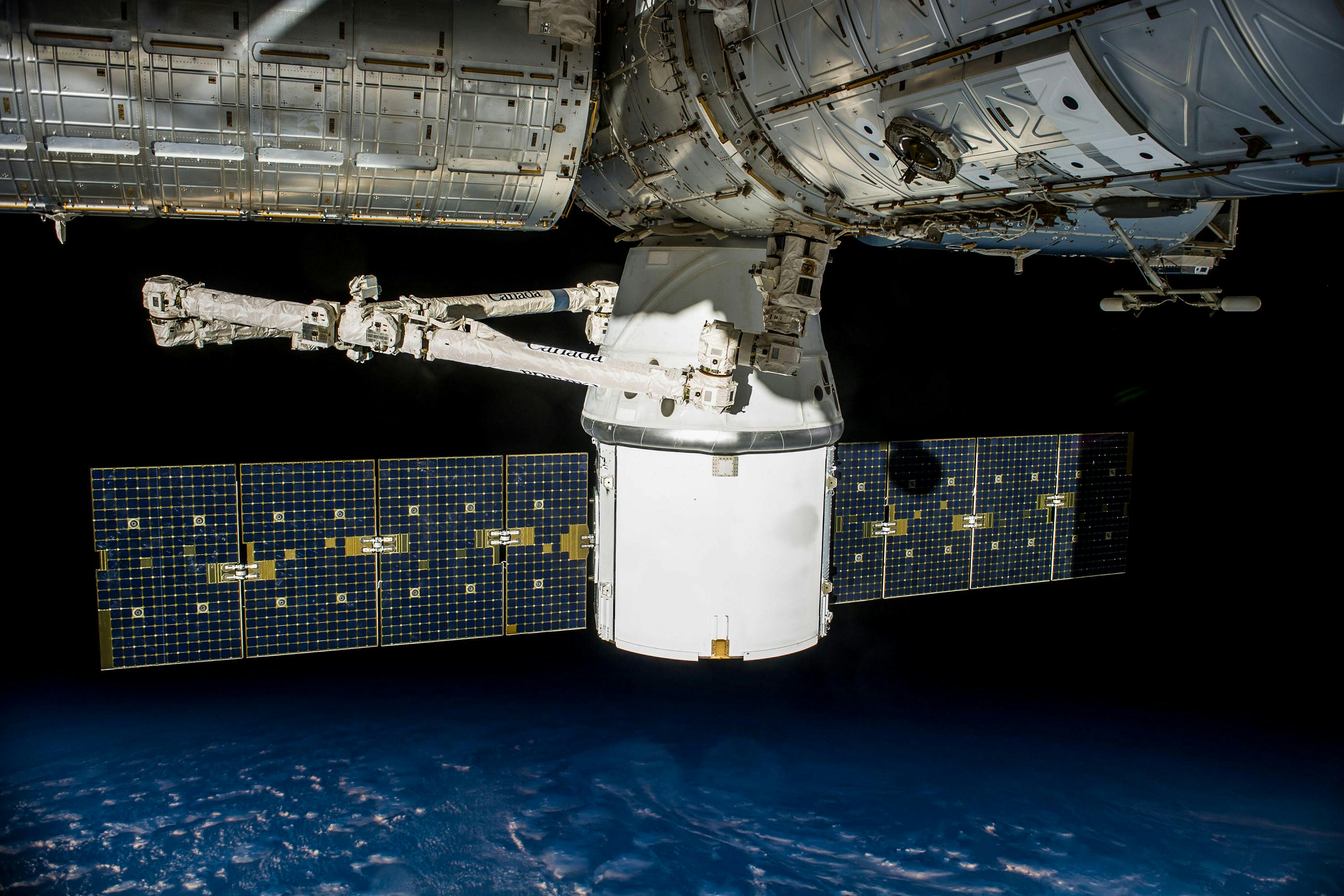
SpaceX launched NROL-179 from Vandenberg at 1:50 a.m. PDT June 19, carrying Starshield spy satellites for the National Reconnaissance Office.