


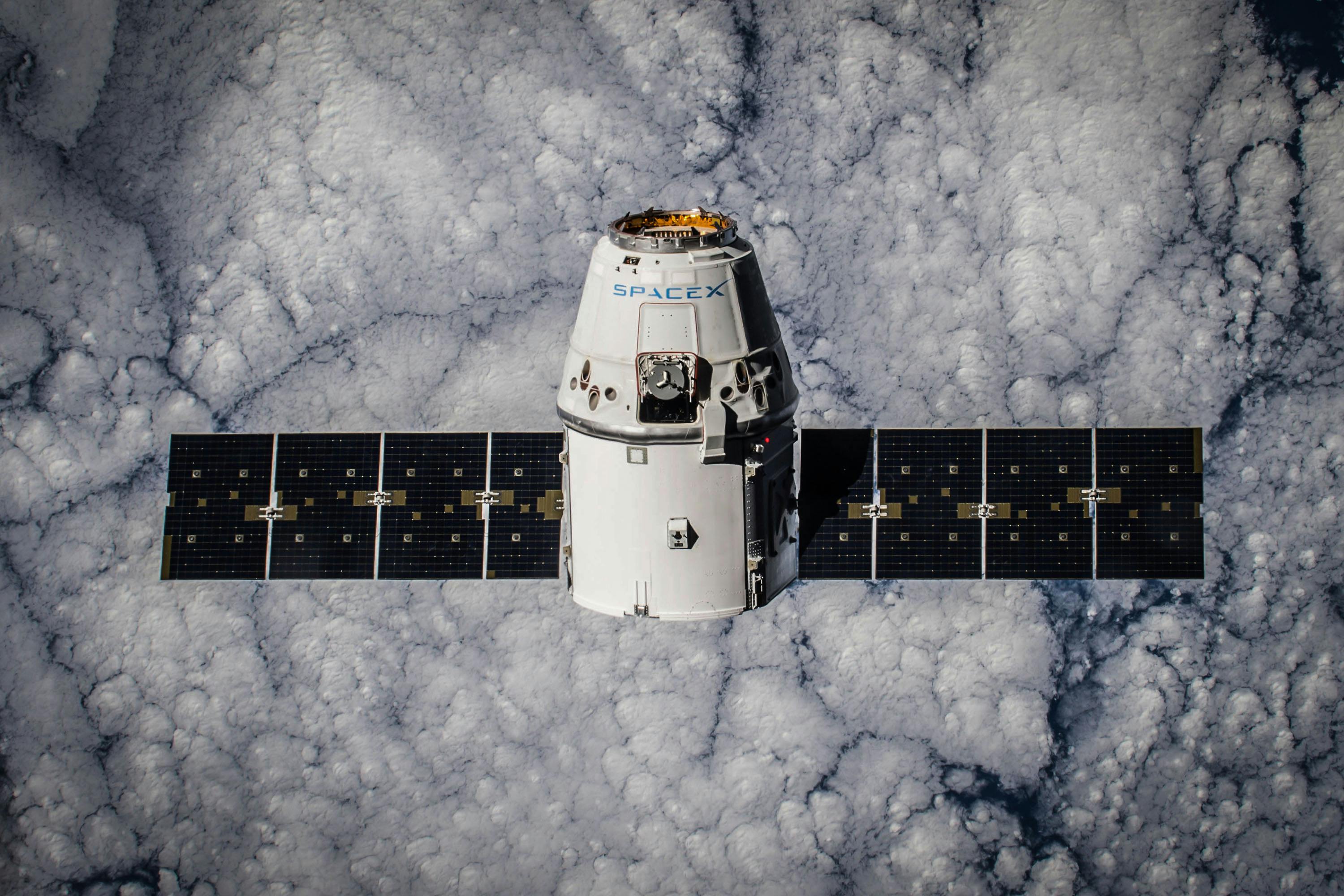
X Report 9 Apr 2025
SpaceX makes strides with new GPS and Starlink launches while securing major U.S. government contracts.



Launch Date
December 23, 2023
Launch Site
Launch Pad
LC40
Launch Vehicle
NORAD ID
58637
International Designator
2023-203V
Epoch
Sun, 19 Jul 2026 14:34:52 GMT
Apogee
Calculating...
Perigee
Calculating...
Inclination
43.01°
Right Ascension
42.34°
Eccentricity
Calculating...
Argument of Perigee
252.41°
Period
94.27 min
Mean Motion
15.28 rev/day
Latitude
Calculating...
Longitude
Calculating...
Altitude
Calculating...
Velocity
Calculating...
Name
STARLINK-31077
Alternative Name
Starlink 31077
Type
Status
Owner
SPXS
Country
United States
Constellation
N/A
Related Satellites
Major Events
N/A
1 58637U 23203V 26200.60754676 -.00003139 00000+0 -10462-3 0 9993
2 58637 43.0074 42.3353 0001268 252.4084 107.6630 15.27575393144965
Source: Celestrak
Length
0.3
Diameter
4.1
Span
29
Dry Mass
700
Launch Mass
730
Shape
Box + pan
Radar Cross Section
Unknown
Visual Magnitude
Unknown
Color
Unknown
Material Composition
Unknown
Payload
Starlink Group 6-32-20
Purpose
Communication
Mission
Communication
Manufacturer
SPXS
Life Expectancy
Unknown
Bus
Starlink V2M
Configuration
Starlink v2 Mini
Motor
Argon ion thrusters
Equipment
Ku/Ka/E-band payload, optical inter-satellite link
Power System
Solar arrays, batteries
ADCS
Unknown
Transmitter Frequency
Unknown
Learn more about satellites and other related topics.
SpaceX makes strides with new GPS and Starlink launches while securing major U.S. government contracts.

On April 22, 2026, the FAA published a final rule implementing per-launch user fees for commercial space transportation — the first time the U.S. government has charged payload-based fees for rocket launches. Starting at 25 cents per pound with a $30,000 cap, the fees are modest today. By 2033, they won't be.
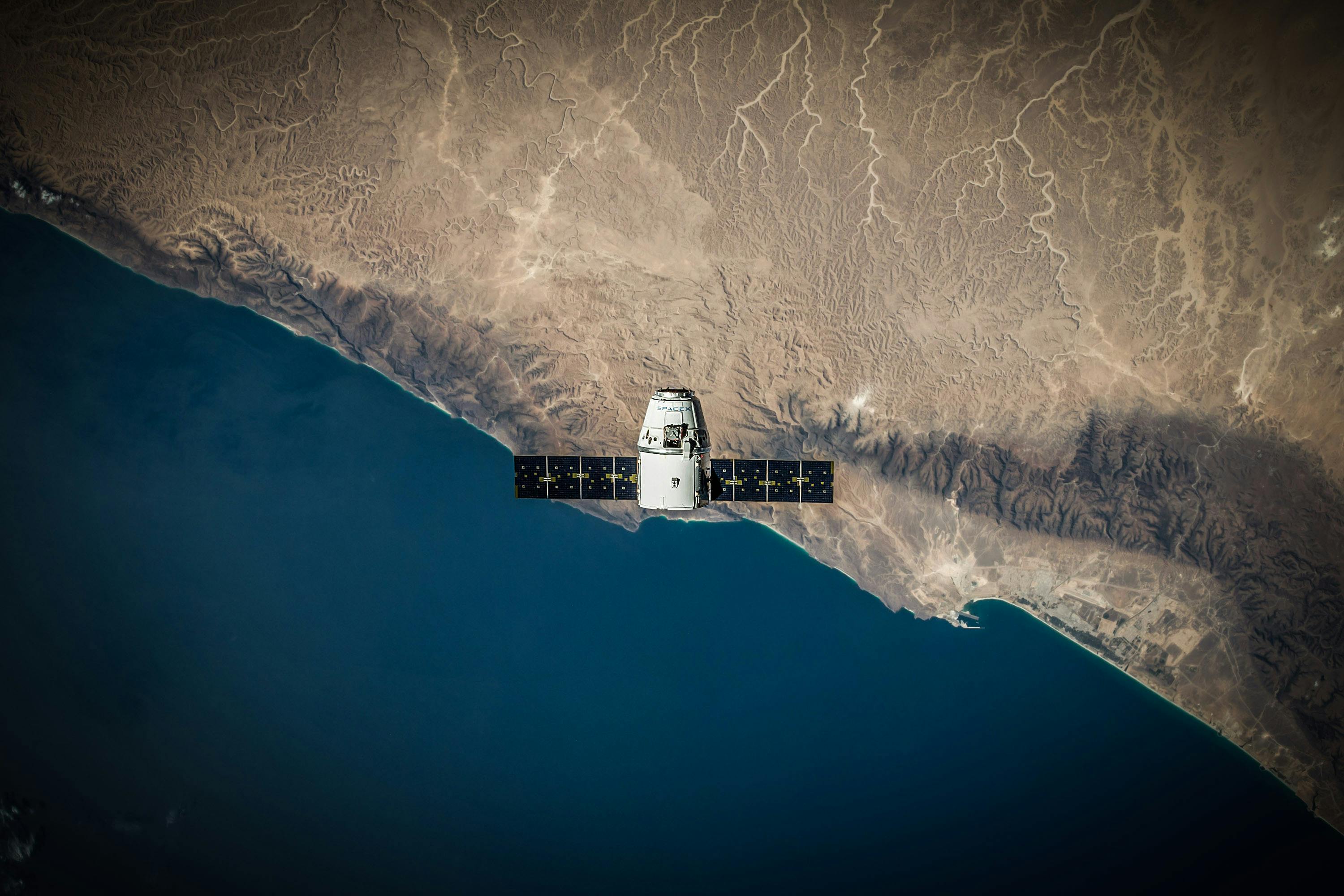
SpaceX gears up for multiple Falcon 9 launches, amidst challenges from Project Kuiper and environmental concerns.
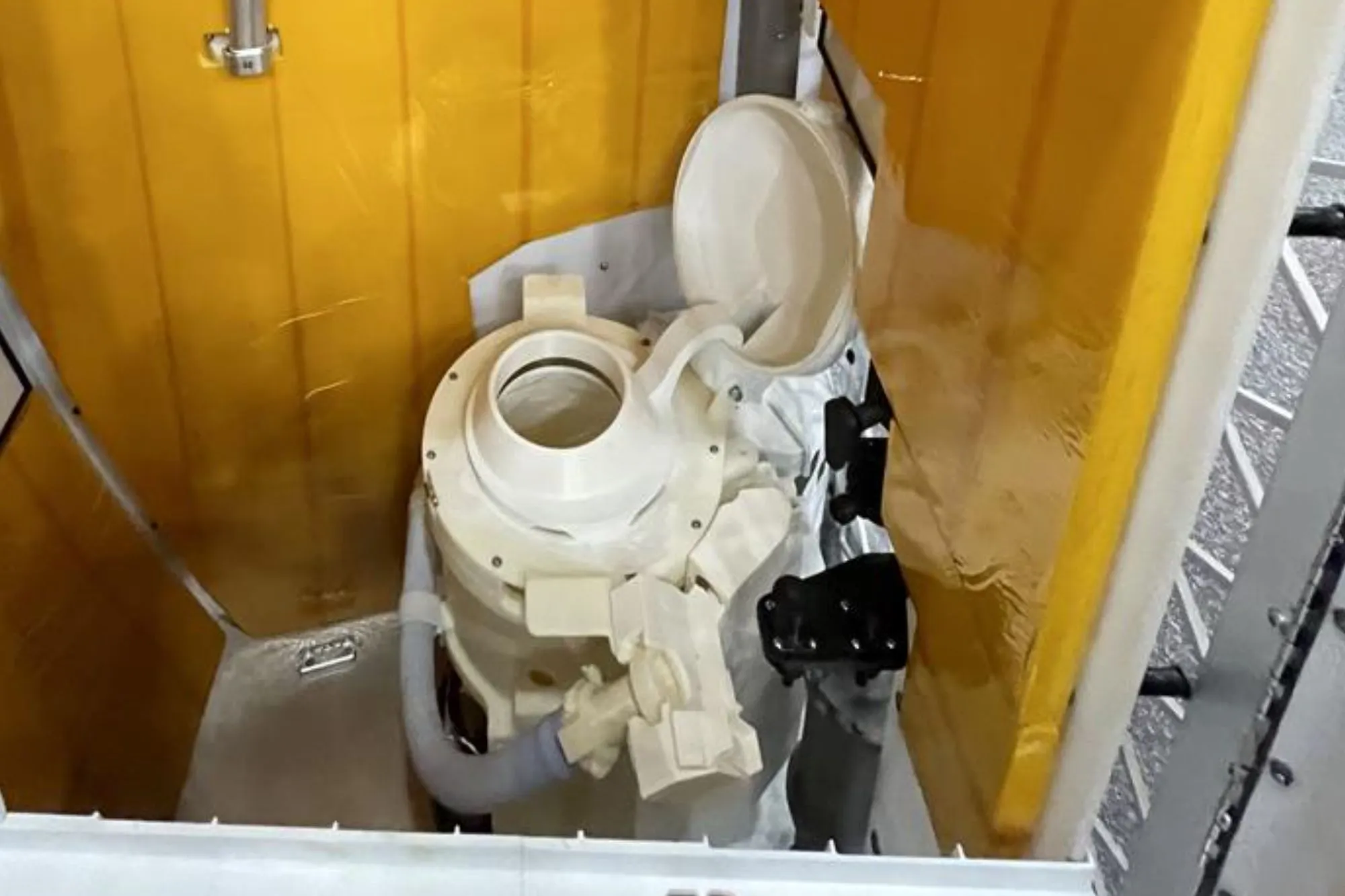
Sixty years of space toilet engineering, a decade of development, and a $30 million contract - and the Artemis II crew still had to pee in bags on Day 1.

Today's Space Brief covers a significant signals intelligence launch, a record-breaking satellite deployment in China, a glimpse into the newest stealth drone, a potential delay for NASA's lunar lander, and more exciting updates from satellite world.

Explore today's major events in space, including military advancements in satellite tracking, new missile defenses, and significant defense funding decisions.
Key updates today focus on SpaceX's latest satellite launch for the U.S. military, critical space resource assessments by the U.S. Space Force, and new developments in space infrastructure and equipment for defense operations.
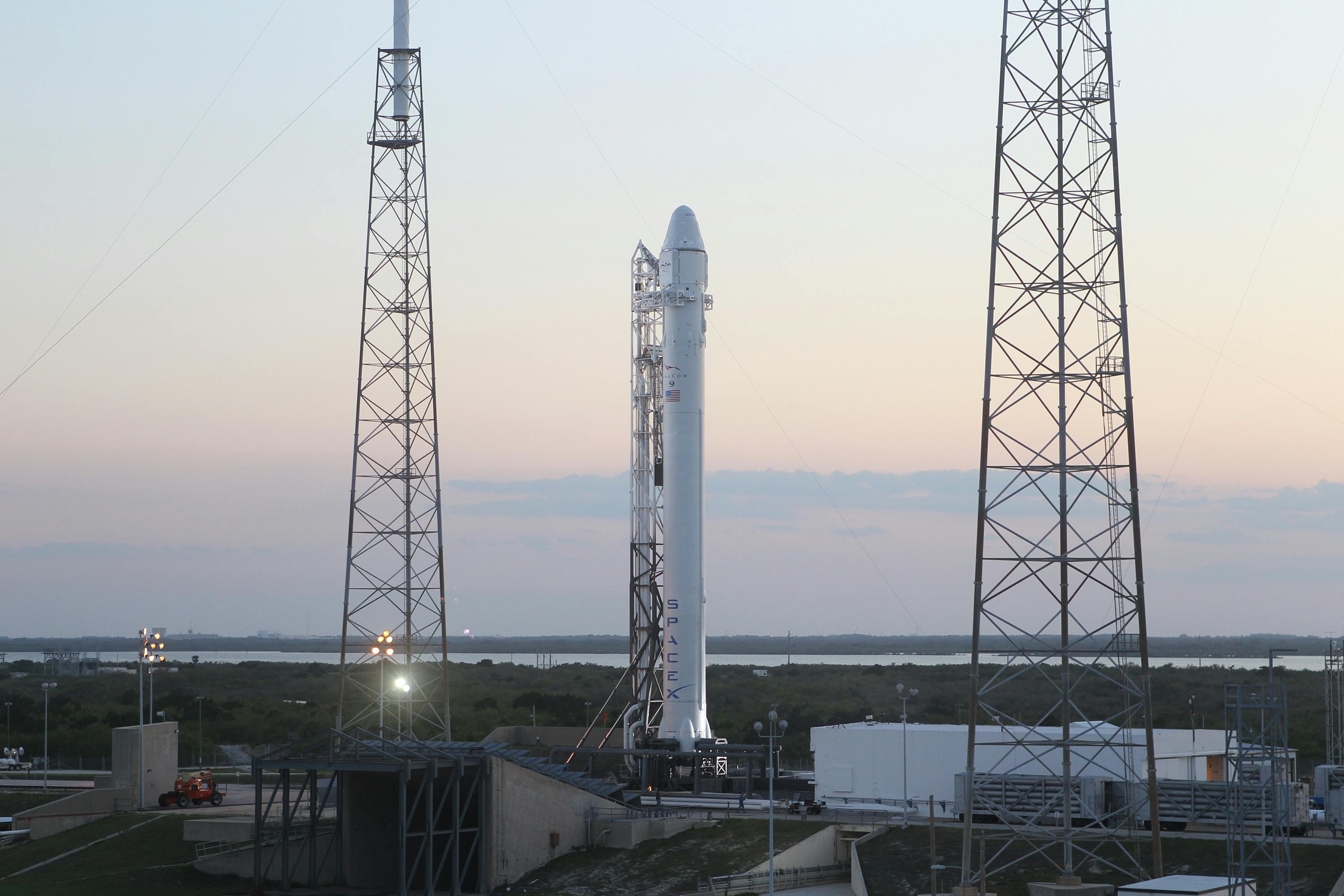
SpaceX successfully launched the Dror 1 satellite for Israel Aerospace Industries, marking another step forward in their launch capabilities.