


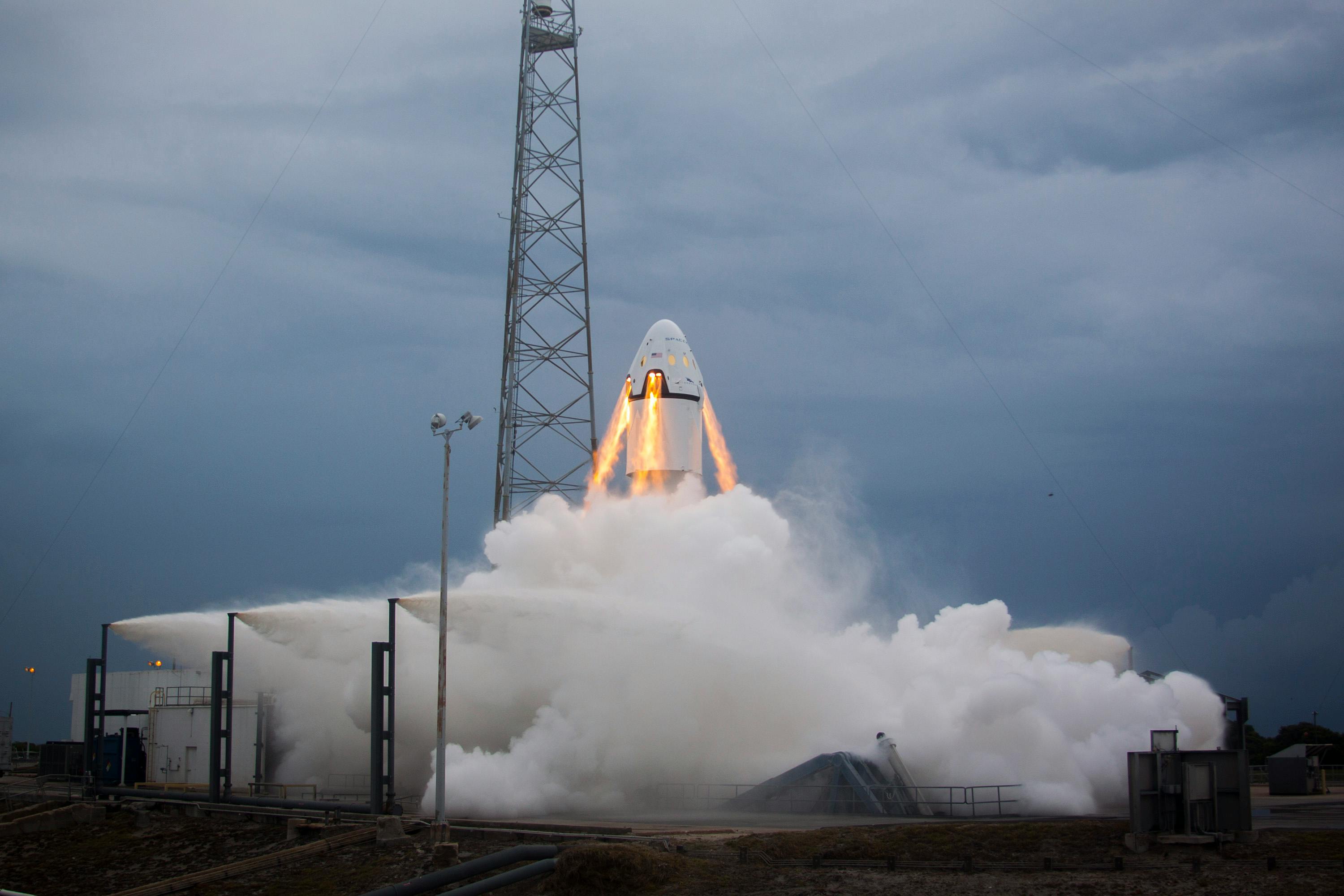
SpaceX Wins $178.5M Space Force Contract, X Report 3 Apr 2026
SpaceX secured a $178.5M Space Force contract to launch missile-tracking satellites from 2027, backing the Missile Track Custody threat-tracking layer.



Launch Date
December 23, 2023
Launch Site
Launch Pad
LC40
Launch Vehicle
NORAD ID
58621
International Designator
2023-203D
Epoch
Sun, 19 Jul 2026 07:04:24 GMT
Apogee
Calculating...
Perigee
Calculating...
Inclination
43.00°
Right Ascension
44.29°
Eccentricity
Calculating...
Argument of Perigee
258.83°
Period
94.27 min
Mean Motion
15.28 rev/day
Latitude
Calculating...
Longitude
Calculating...
Altitude
Calculating...
Velocity
Calculating...
Name
STARLINK-31134
Alternative Name
Starlink 31134
Type
Status
Owner
SPXS
Country
United States
Constellation
N/A
Related Satellites
Major Events
N/A
1 58621U 23203D 26200.29472860 .00000575 00000+0 30418-4 0 9996
2 58621 43.0042 44.2894 0001509 258.8327 101.2355 15.27575091143689
Source: Celestrak
Length
0.3
Diameter
4.1
Span
29
Dry Mass
700
Launch Mass
730
Shape
Box + pan
Radar Cross Section
Unknown
Visual Magnitude
Unknown
Color
Unknown
Material Composition
Unknown
Payload
Starlink Group 6-32-04
Purpose
Communication
Mission
Communication
Manufacturer
SPXS
Life Expectancy
Unknown
Bus
Starlink V2M
Configuration
Starlink v2 Mini
Motor
Argon ion thrusters
Equipment
Ku/Ka/E-band payload, optical inter-satellite link
Power System
Solar arrays, batteries
ADCS
Unknown
Transmitter Frequency
Unknown
Learn more about satellites and other related topics.
SpaceX secured a $178.5M Space Force contract to launch missile-tracking satellites from 2027, backing the Missile Track Custody threat-tracking layer.

Today's highlights include Rocket Lab's progress on the Space Force's VICTUS HAZE mission, BlackSky's new government contract, and AEI's policy recommendations for Space Force restructuring.
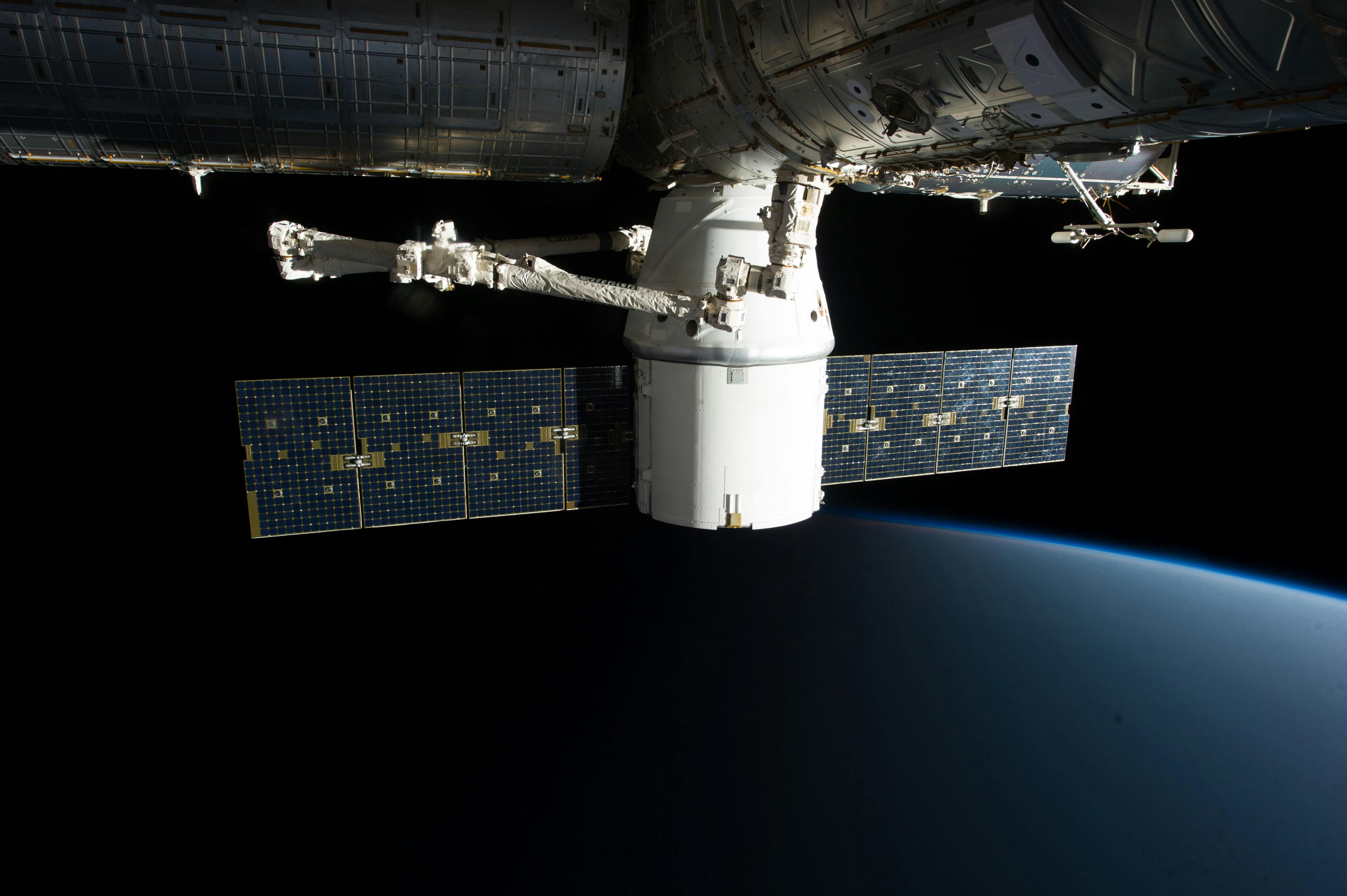
SpaceX acquires Cursor AI maker Anysphere for $60B in its first post-IPO deal, as Falcon 9 lofts 3 Block 2 BlueBird satellites for AST SpaceMobile.

Space Force contracts Viasat and SES for $437M Protected Tactical Satcom-Global program. Four new GEO satellites replace vulnerable single-satellite systems.

Today's brief covers the latest in satellite launches, military implications in space funding, and notable reentry delays.
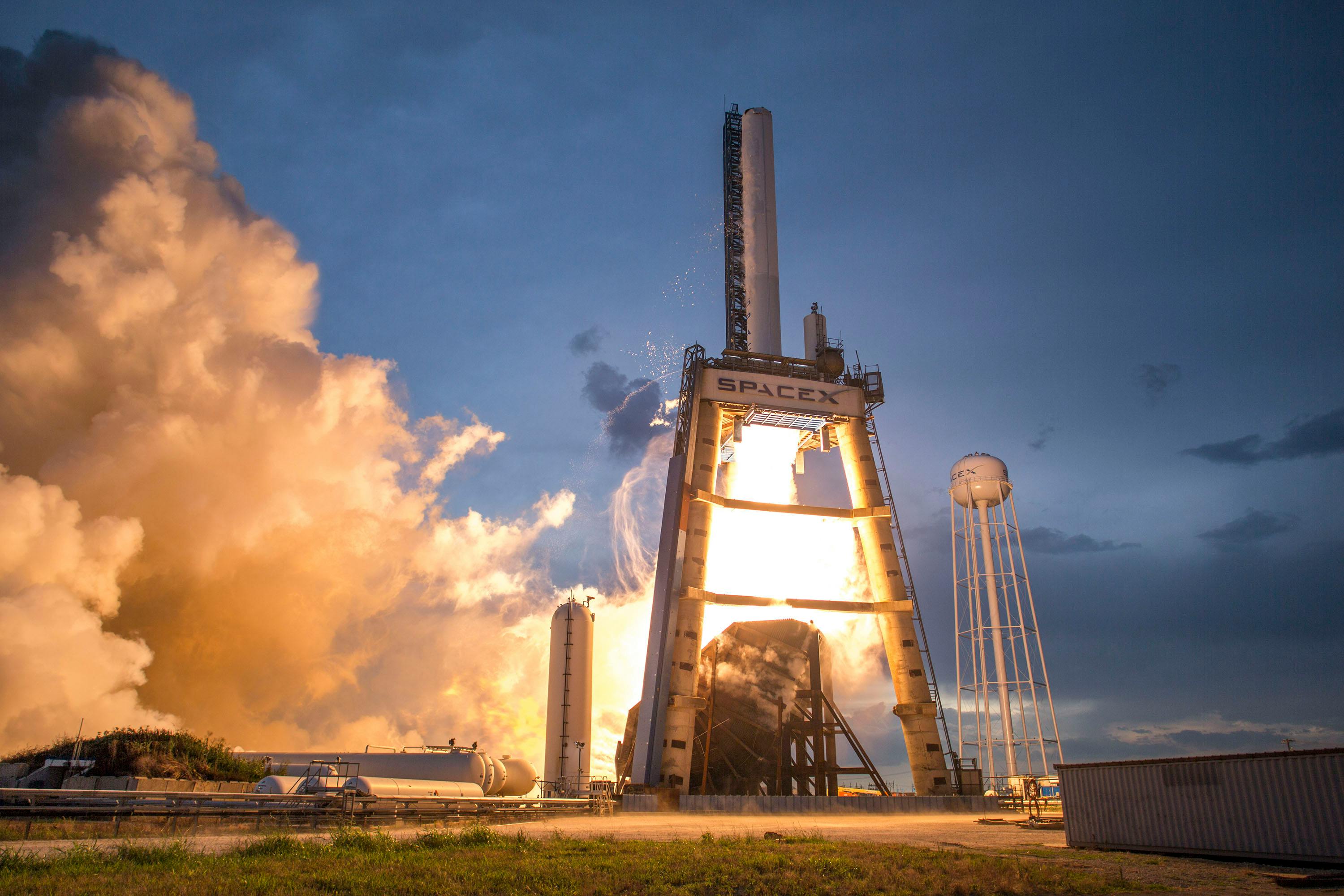
SpaceX successfully launched 19 Starlink satellites from California amidst a weather-related scrub of the Crew-11 mission to the ISS, showcasing the company’s focus on expanding its satellite constellation while overcoming operational challenges.

SpaceX successfully launches 21 Starlink satellites from Florida, marking another milestone in its satellite internet constellation. The Falcon 9 rocket was also successfully recovered at sea.
Today's brief covers significant advancements in national security space launches, ongoing rocket developments, and critical updates from the space industry.