



Space Brief 2 Jul 2025
Explore today's major events in space, including military advancements in satellite tracking, new missile defenses, and significant defense funding decisions.



Launch Date
December 19, 2023
Launch Site
Launch Pad
LC40
Launch Vehicle
NORAD ID
58602
International Designator
2023-200P
Epoch
Sun, 19 Jul 2026 18:59:55 GMT
Apogee
Calculating...
Perigee
Calculating...
Inclination
43.00°
Right Ascension
342.64°
Eccentricity
Calculating...
Argument of Perigee
263.64°
Period
94.27 min
Mean Motion
15.28 rev/day
Latitude
Calculating...
Longitude
Calculating...
Altitude
Calculating...
Velocity
Calculating...
Name
STARLINK-31071
Alternative Name
Starlink 31071
Type
Status
Owner
SPXS
Country
United States
Constellation
N/A
Related Satellites
Major Events
N/A
1 58602U 23200P 26200.79161743 .00001461 00000+0 62604-4 0 9999
2 58602 43.0033 342.6358 0001132 263.6409 96.4314 15.27585324145698
Source: Celestrak
Length
0.3
Diameter
4.1
Span
29
Dry Mass
700
Launch Mass
730
Shape
Box + pan
Radar Cross Section
Unknown
Visual Magnitude
Unknown
Color
Unknown
Material Composition
Unknown
Payload
Starlink Group 6-34-14
Purpose
Communication
Mission
Communication
Manufacturer
SPXS
Life Expectancy
Unknown
Bus
Starlink V2M
Configuration
Starlink v2 Mini
Motor
Argon ion thrusters
Equipment
Ku/Ka/E-band payload, optical inter-satellite link
Power System
Solar arrays, batteries
ADCS
Unknown
Transmitter Frequency
Unknown
Learn more about satellites and other related topics.
Explore today's major events in space, including military advancements in satellite tracking, new missile defenses, and significant defense funding decisions.
Today's brief covers challenges in Space Force procurement, promising developments in tracking technologies, and significant budget cuts affecting military aerospace projects.
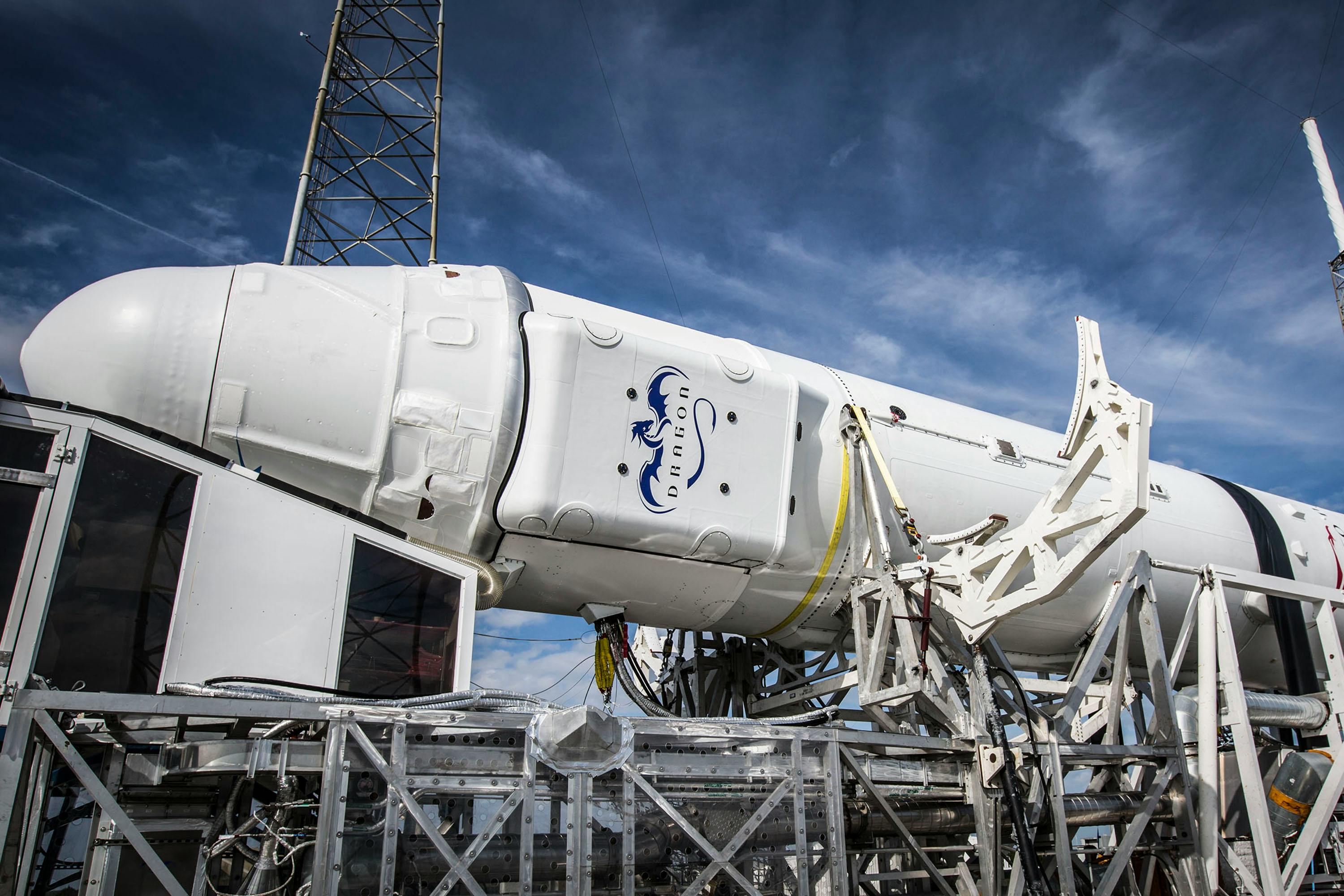
SpaceX successfully launched another batch of Starlink satellites and received approval for a new Starship launch site, while facing challenges with crew assignments on upcoming missions.
Key developments in space today include significant satellite launches, advancements in space technology, and an exciting crewed suborbital flight. Highlights cover China's satellite internet progress, a promising innovation for solar cells, and recent SpaceX and Blue Origin activities.

SpaceX successfully launched 29 Starlink satellites on November 14, marking the first of two rapid-fire Falcon 9 missions from Florida's Space Coast in under four hours.
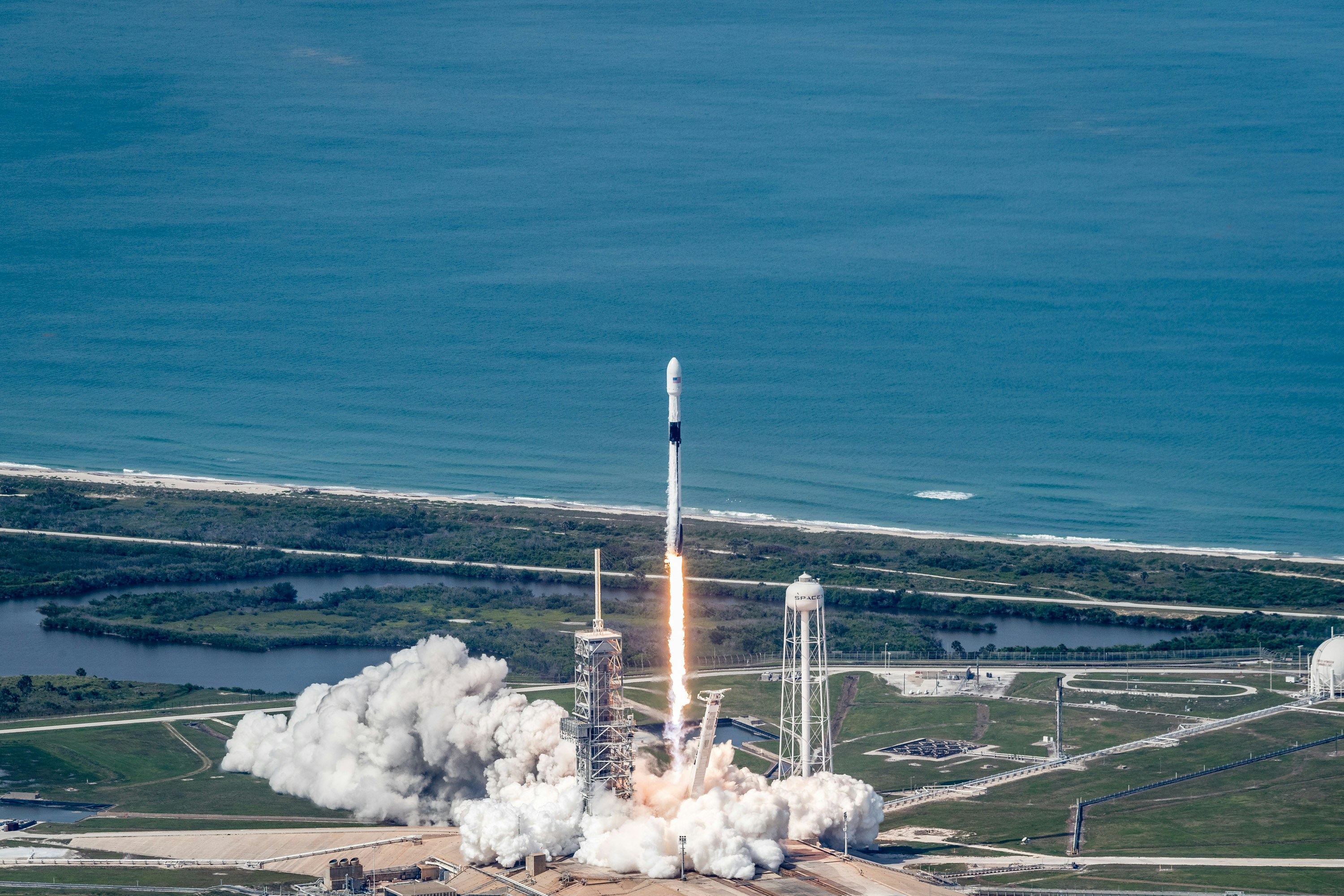
SpaceX's Falcon 9 rideshare lifted 45 satellites including South Korea's CAS500-2 Earth observer from Vandenberg at 0700 UTC May 3.

Blue Origin reveals plans for 5,400+ satellite constellation targeting enterprise and government with 6 Tbps capacity. SpaceX launches first West Coast Starlink mission of 2026 from Vandenberg.
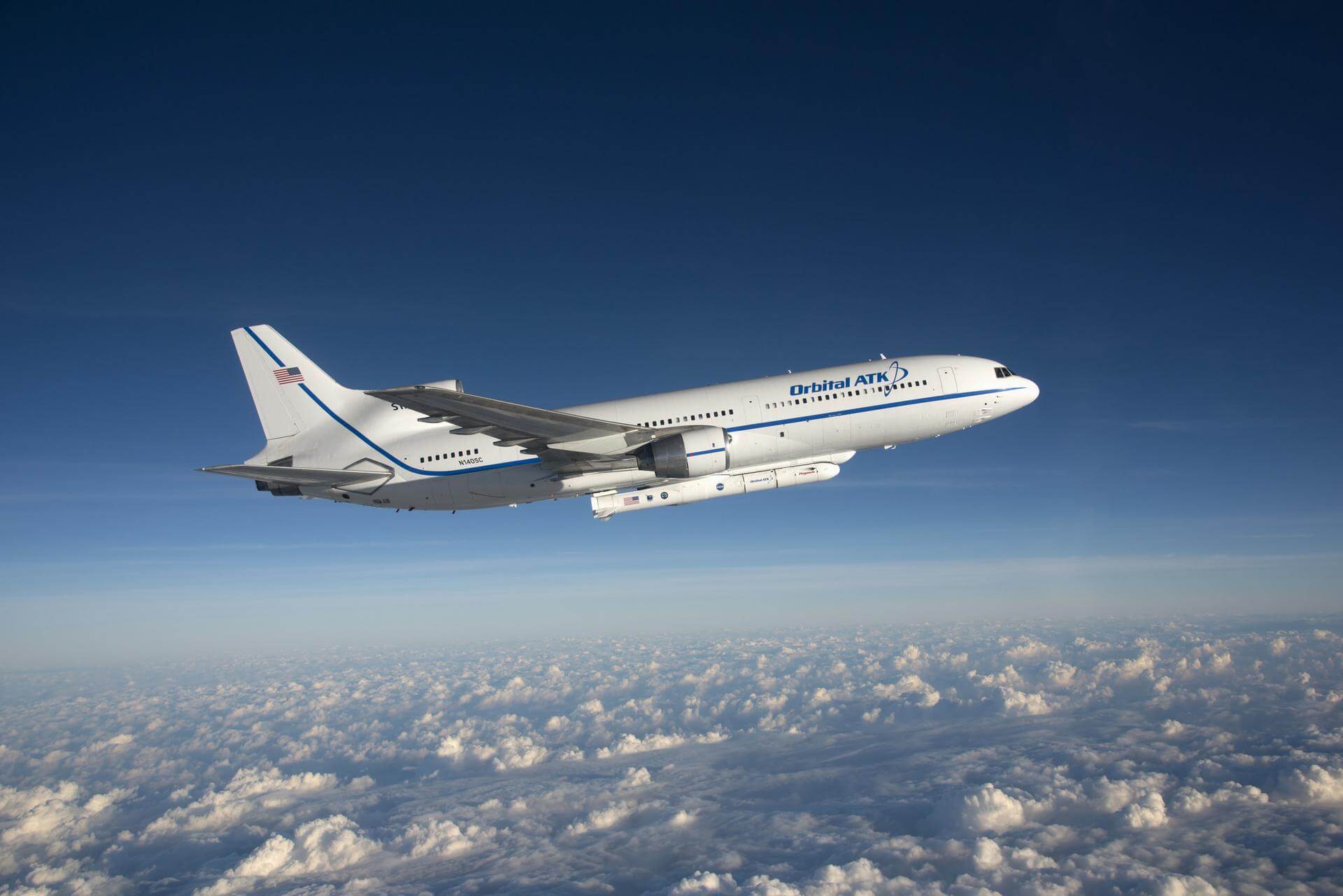
Space Force terminated its $1.7B SCAR ground antenna modernization contract and is relaunching competition. Delays extend reliance on aging legacy systems for MEO and GEO satellite command.