



The 10 Most Iconic Satellites Still in Space
Let's look at the legacy of space exploration with the 10 most iconic satellites still orbiting Earth.



NORAD ID
58543
International Designator
2023-192N
Epoch
Mon, 20 Jul 2026 02:43:08 GMT
Apogee
Calculating...
Perigee
Calculating...
Inclination
53.16°
Right Ascension
165.26°
Eccentricity
Calculating...
Argument of Perigee
91.12°
Period
93.85 min
Mean Motion
15.34 rev/day
Latitude
Calculating...
Longitude
Calculating...
Altitude
Calculating...
Velocity
Calculating...
Name
STARLINK-31049
Alternative Name
Starlink 31049
Type
Status
Owner
SPXS
Country
United States
Constellation
N/A
Related Satellites
Major Events
N/A
1 58543U 23192N 26201.11329356 .00002569 00000+0 87151-4 0 9990
2 58543 53.1591 165.2620 0001263 91.1153 268.9994 15.34394629146290
Source: Celestrak
Length
0.3
Diameter
4.1
Span
29
Dry Mass
700
Launch Mass
730
Shape
Box + pan
Radar Cross Section
Unknown
Visual Magnitude
Unknown
Color
Unknown
Material Composition
Unknown
Payload
Starlink Group 7-8-13
Purpose
Communication
Mission
Communication
Manufacturer
SPXS
Life Expectancy
Unknown
Bus
Starlink V2M
Configuration
Starlink v2 Mini
Motor
Argon ion thrusters
Equipment
Ku/Ka/E-band payload, optical inter-satellite link
Power System
Solar arrays, batteries
ADCS
Unknown
Transmitter Frequency
Unknown
Learn more about satellites and other related topics.
Let's look at the legacy of space exploration with the 10 most iconic satellites still orbiting Earth.
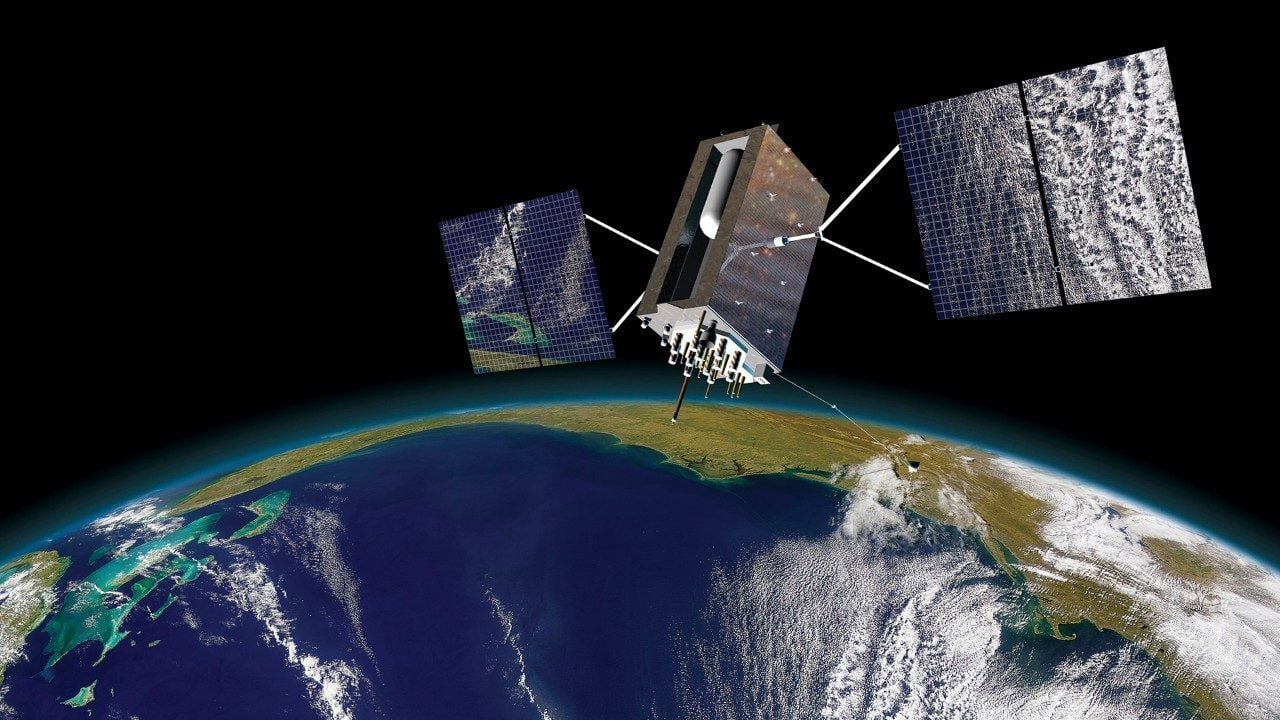
On April 17, 2026, the U.S. Space Force officially cancelled the Next Generation Operational Control System after sixteen years of development, cost overruns, and testing failures. The $8 billion program was supposed to unlock the military's encrypted GPS signal. Instead, the satellites are flying with capabilities the ground can't command.

SpaceX continues to dominate with two Starlink launches in one day, the unveiling of its final Crew Dragon, and facing legal challenges from Mexico regarding a recent Starship incident.
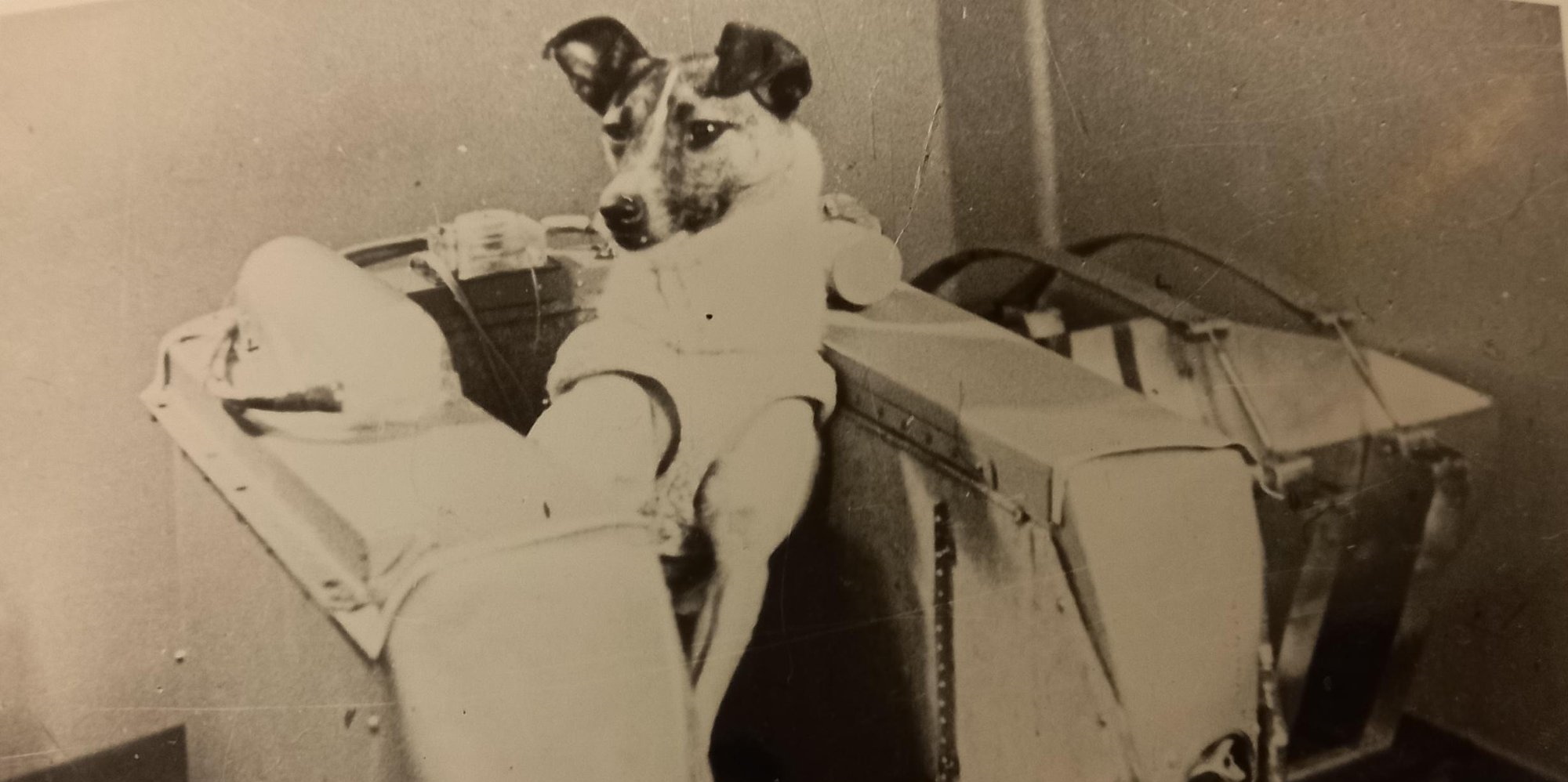
On April 14, 1958, Sputnik 2 burned up over the North Atlantic, carrying the remains of a stray dog from Moscow who had been dead for five months. The Soviet Union told the world she survived for days. It took forty-five years for the truth to come out.

Today's briefs cover SpaceX landing a Falcon 9 in The Bahamas, first disabled astronaut prepped for a mission, and key company updates from Blue Origin and K2 Space.

Today's stories cover Rocket Lab's innovative DiskSat launch, Digantara's expansion to missile defense, and DARPA's satellite surveillance network expansion, among other updates in military and satellite technology.

Today's brief covers significant advancements in national security space launches, ongoing rocket developments, and critical updates from the space industry.

SpaceX concludes a wet dress rehearsal for Starship Flight 7, aiming for the largest rocket launch on January 15 after weather delays.