


X Report 31 Jul 2025
Today's highlights include the ongoing Crew-11 mission launch and Starship preparations for its upcoming test flight.



Launch Date
December 7, 2023
Launch Site
Launch Pad
LC40
Launch Vehicle
NORAD ID
58528
International Designator
2023-191W
Epoch
Mon, 20 Jul 2026 00:54:05 GMT
Apogee
Calculating...
Perigee
Calculating...
Inclination
43.00°
Right Ascension
75.88°
Eccentricity
Calculating...
Argument of Perigee
336.29°
Period
94.27 min
Mean Motion
15.28 rev/day
Latitude
Calculating...
Longitude
Calculating...
Altitude
Calculating...
Velocity
Calculating...
Name
STARLINK-31004
Alternative Name
Starlink 31004
Type
Status
Owner
SPXS
Country
United States
Constellation
N/A
Related Satellites
Major Events
N/A
1 58528U 23191W 26201.03756470 -.00000461 00000+0 -72388-5 0 9992
2 58528 43.0039 75.8781 0000376 336.2853 23.7981 15.27566922145714
Source: Celestrak
Length
0.3
Diameter
4.1
Span
29
Dry Mass
700
Launch Mass
730
Shape
Box + pan
Radar Cross Section
Unknown
Visual Magnitude
Unknown
Color
Unknown
Material Composition
Unknown
Payload
Starlink Group 6-33-21
Purpose
Communication
Mission
Communication
Manufacturer
SPXS
Life Expectancy
Unknown
Bus
Starlink V2M
Configuration
Starlink v2 Mini
Motor
Argon ion thrusters
Equipment
Ku/Ka/E-band payload, optical inter-satellite link
Power System
Solar arrays, batteries
ADCS
Unknown
Transmitter Frequency
Unknown
Learn more about satellites and other related topics.
Today's highlights include the ongoing Crew-11 mission launch and Starship preparations for its upcoming test flight.
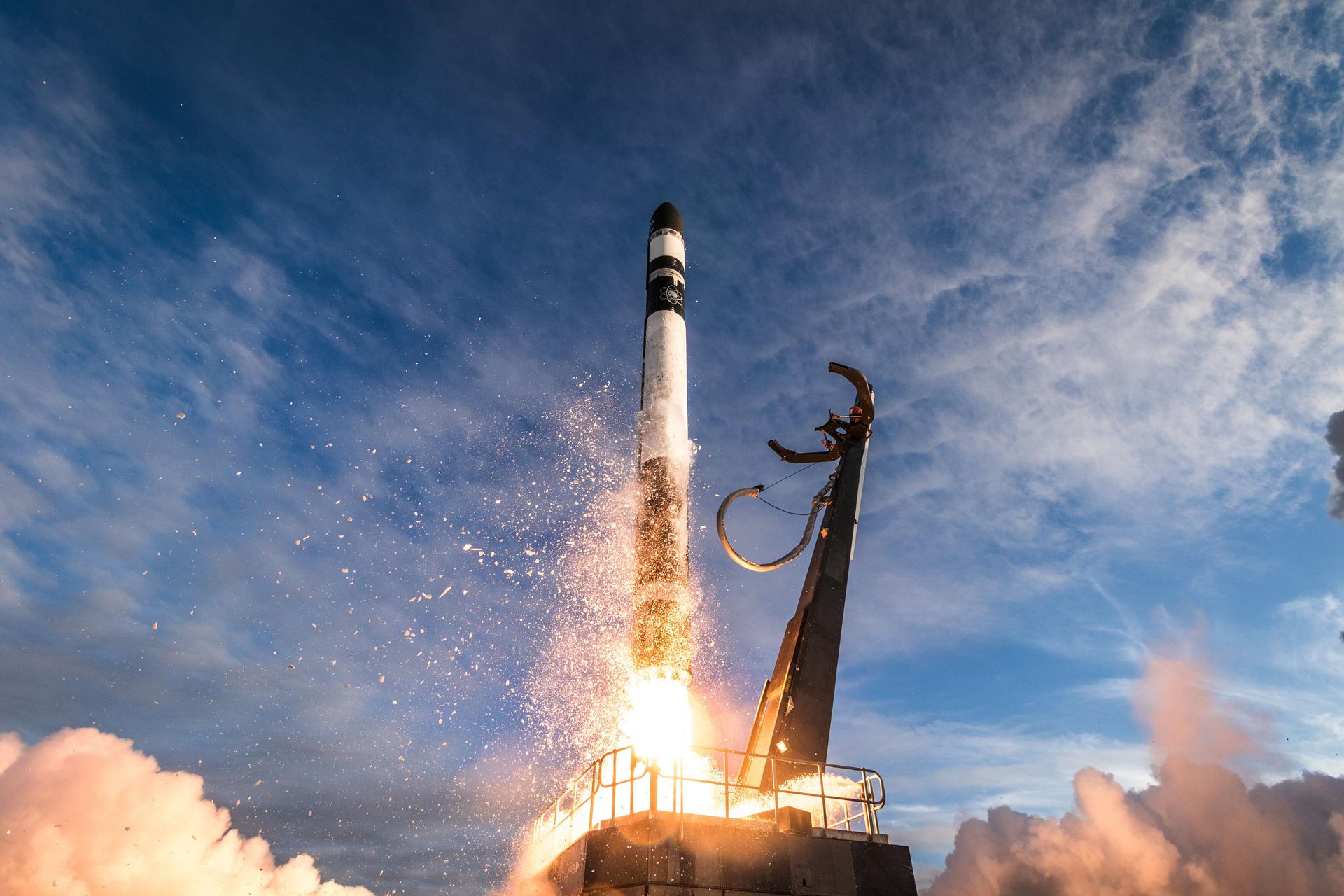
Today's highlights include China's launch of Shijian-25 for on-orbit refueling tests, Pentagon's investment in defense technologies, and key military upgrades.

SpaceX's Fram2 mission lands in the Pacific, SpaceX secures U.S. military contracts, and Starlink expands with latest satellite launch.
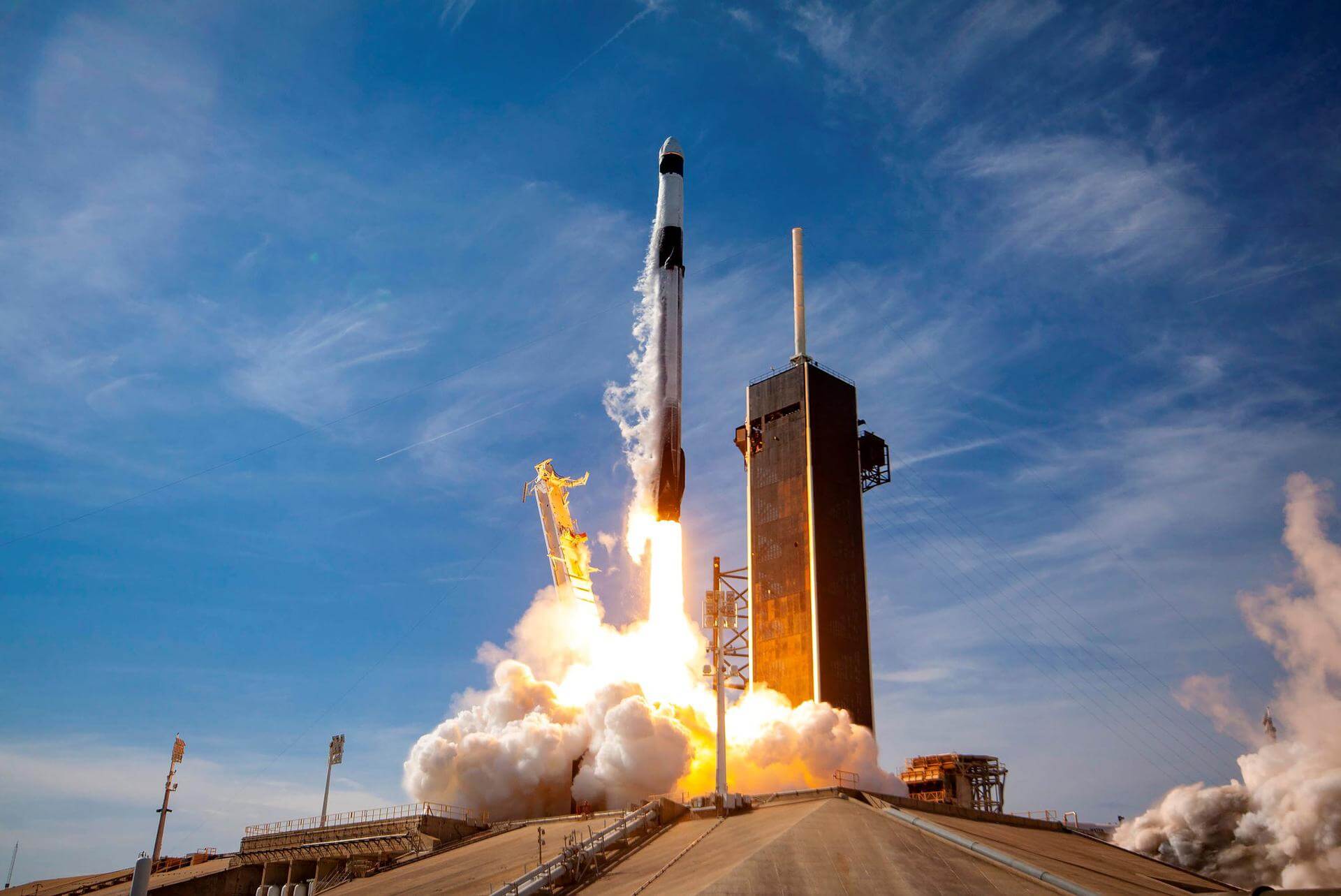
CBO estimates Golden Dome national missile shield at $1.2 trillion over 20 years. Space-based intercept layer could add thousands of satellites to tracked orbital regimes.

Today's briefing focuses on key developments in military space activities, technological advancements, and strategic challenges faced by the U.S. in space dominance. Notably, the Space Force is expanding its missile warning capabilities, and significant funding discussions are underway.

SpaceX's Falcon Heavy lifts off for the 12th time after 18 months grounded, delivering the final ViaSat-3 satellite from LC-39A at 10:21 a.m. EDT.
Today's briefing covers the ULA's military application for Vulcan's upper stage, FAA's efforts to expedite launch licensing, and a fascinating flyby of Mercury by BepiColombo.
Today's Space Brief highlights Globalstar's new military focus, technological innovations in the Army's tactical systems, and a deeper look at key military satellite communications developments.