


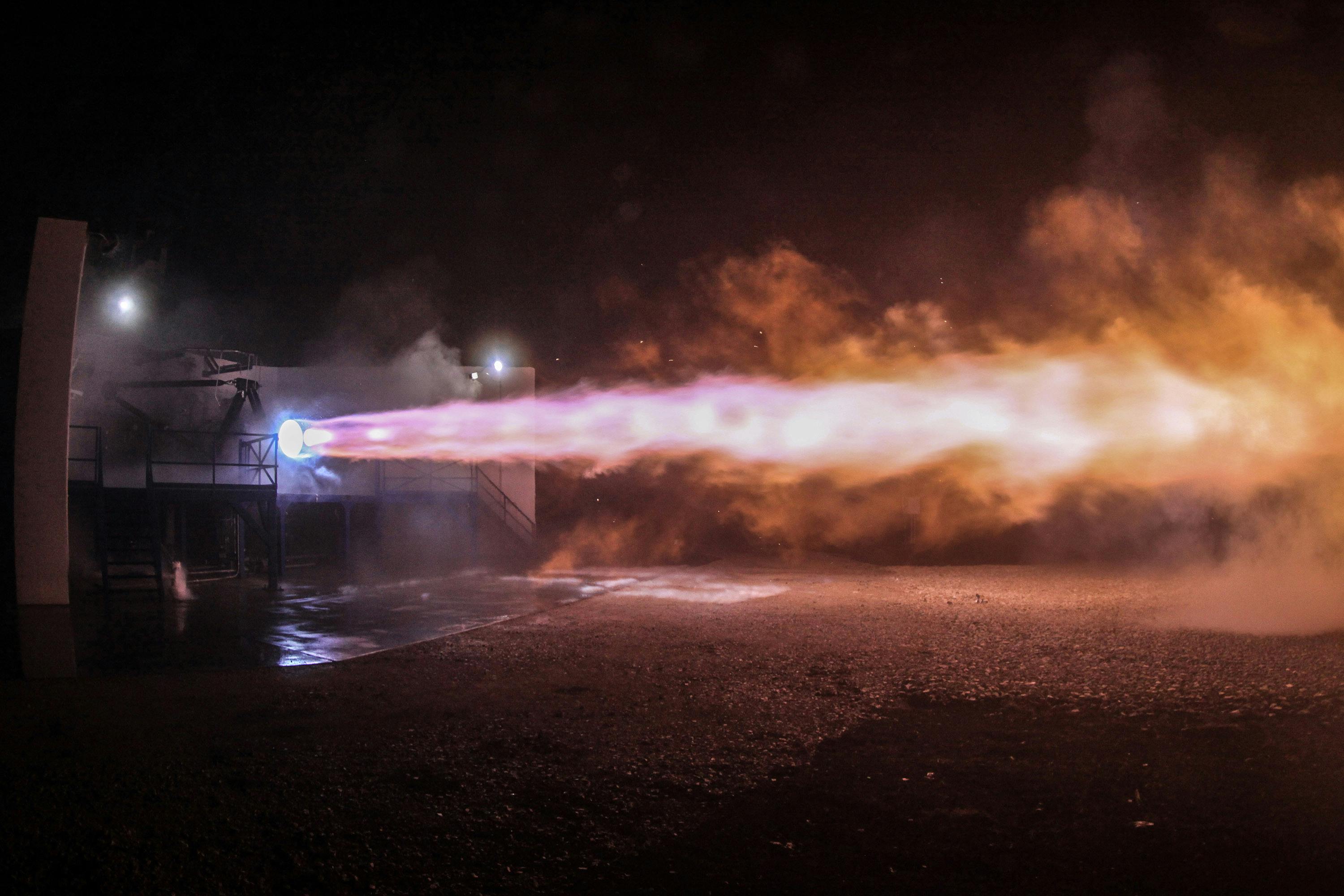
X Report 11 Dec 2025
SpaceX has confirmed plans for an IPO and successfully launched multiple batches of Starlink satellites, advancing its mission for global internet coverage.



Launch Date
December 7, 2023
Launch Site
Launch Pad
LC40
Launch Vehicle
NORAD ID
58526
International Designator
2023-191U
Epoch
Sat, 18 Jul 2026 22:44:13 GMT
Apogee
Calculating...
Perigee
Calculating...
Inclination
43.00°
Right Ascension
105.32°
Eccentricity
Calculating...
Argument of Perigee
180.15°
Period
95.31 min
Mean Motion
15.11 rev/day
Latitude
Calculating...
Longitude
Calculating...
Altitude
Calculating...
Velocity
Calculating...
Name
STARLINK-31013
Alternative Name
Starlink 31013
Type
Status
Owner
SPXS
Country
United States
Constellation
N/A
Related Satellites
Major Events
N/A
1 58526U 23191U 26199.94737628 .00010373 00000+0 62398-3 0 9999
2 58526 42.9992 105.3209 0008367 180.1516 179.9328 15.10890978145275
Source: Celestrak
Length
0.3
Diameter
4.1
Span
29
Dry Mass
700
Launch Mass
730
Shape
Box + pan
Radar Cross Section
Unknown
Visual Magnitude
Unknown
Color
Unknown
Material Composition
Unknown
Payload
Starlink Group 6-33-19
Purpose
Communication
Mission
Communication
Manufacturer
SPXS
Life Expectancy
Unknown
Bus
Starlink V2M
Configuration
Starlink v2 Mini
Motor
Argon ion thrusters
Equipment
Ku/Ka/E-band payload, optical inter-satellite link
Power System
Solar arrays, batteries
ADCS
Unknown
Transmitter Frequency
Unknown
Learn more about satellites and other related topics.
SpaceX has confirmed plans for an IPO and successfully launched multiple batches of Starlink satellites, advancing its mission for global internet coverage.
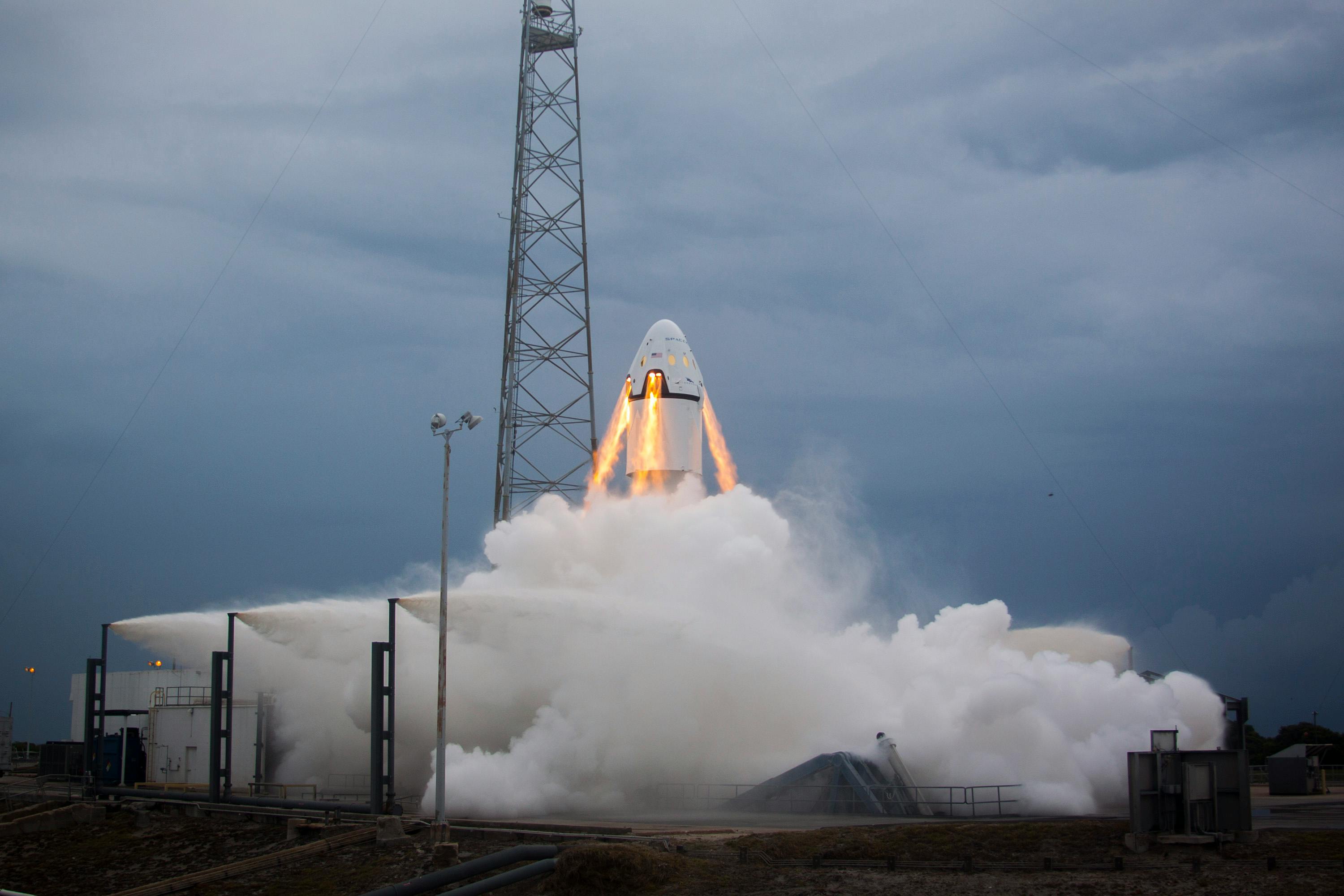
SpaceX secured a $178.5M Space Force contract to launch missile-tracking satellites from 2027, backing the Missile Track Custody threat-tracking layer.
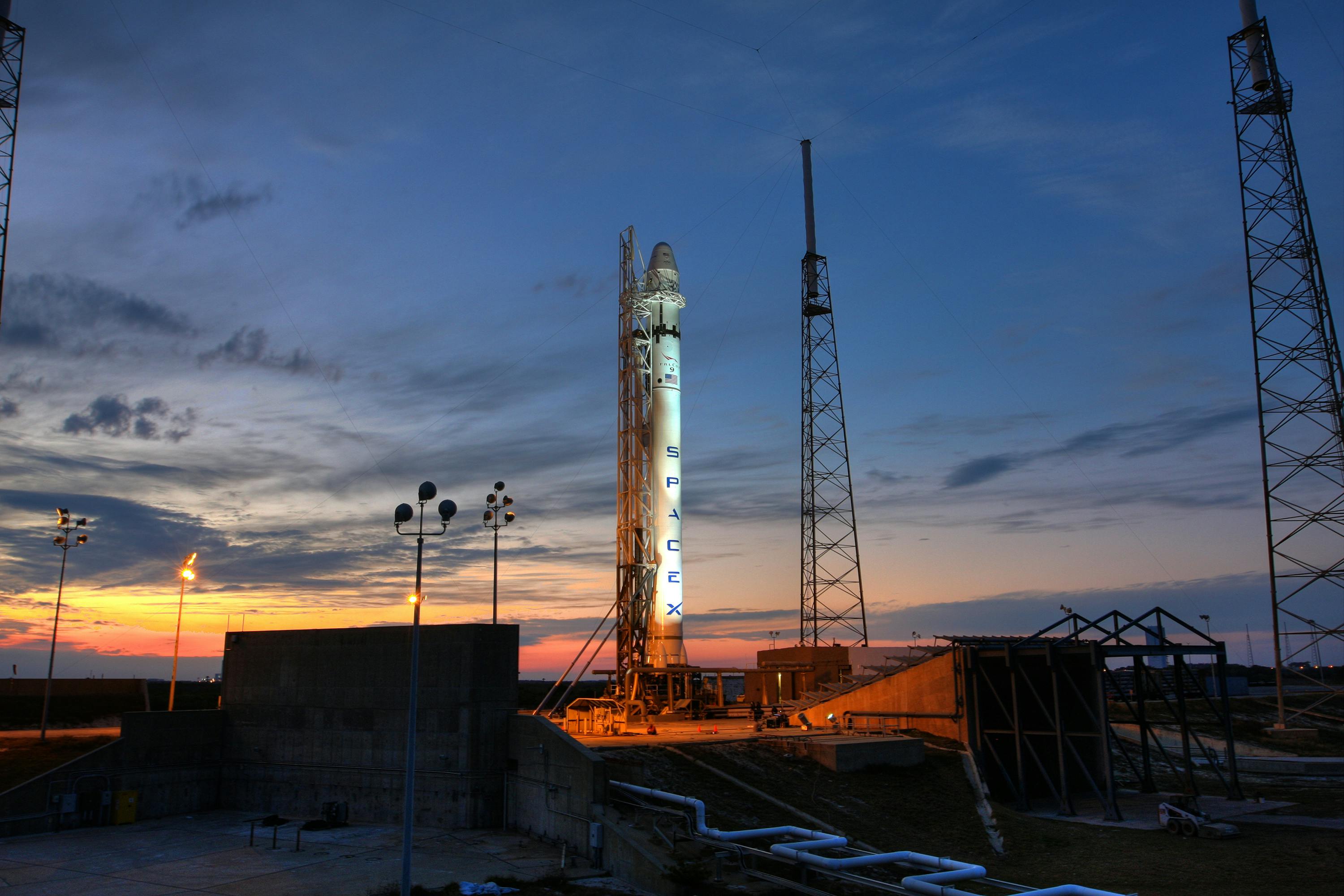
SpaceX successfully launches a new batch of Starlink satellites, while Viasat seeks LEO capacity amid rising competition.

SpaceX launches its first crewed mission over Earth's poles and FAA concludes investigation into the Starship Flight 7 incident.
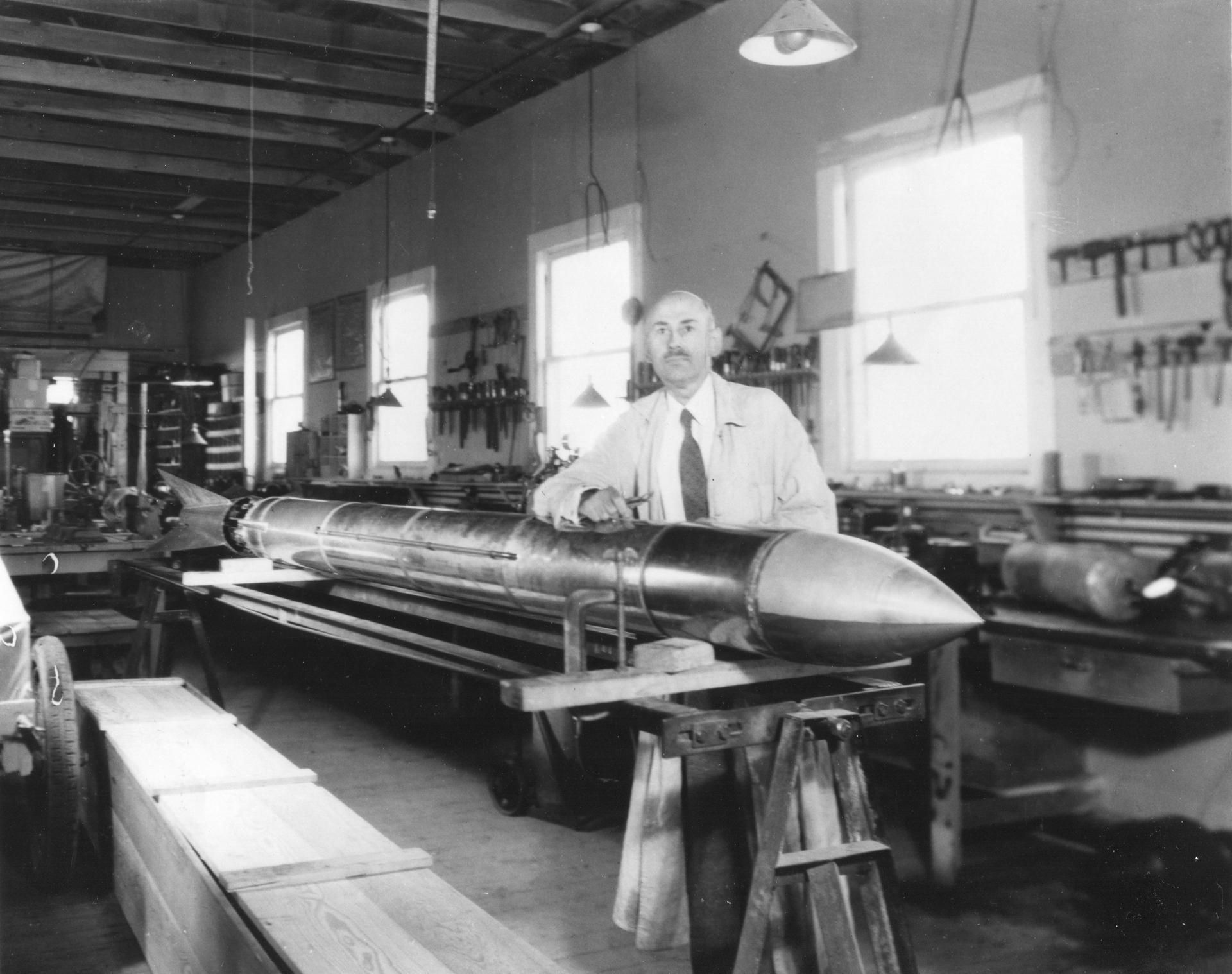
On February 2, 1909, Robert Goddard made a revolutionary breakthrough in his notebook: liquid oxygen and liquid hydrogen could achieve 50% efficiency in converting heat energy to kinetic energy for rocket propulsion
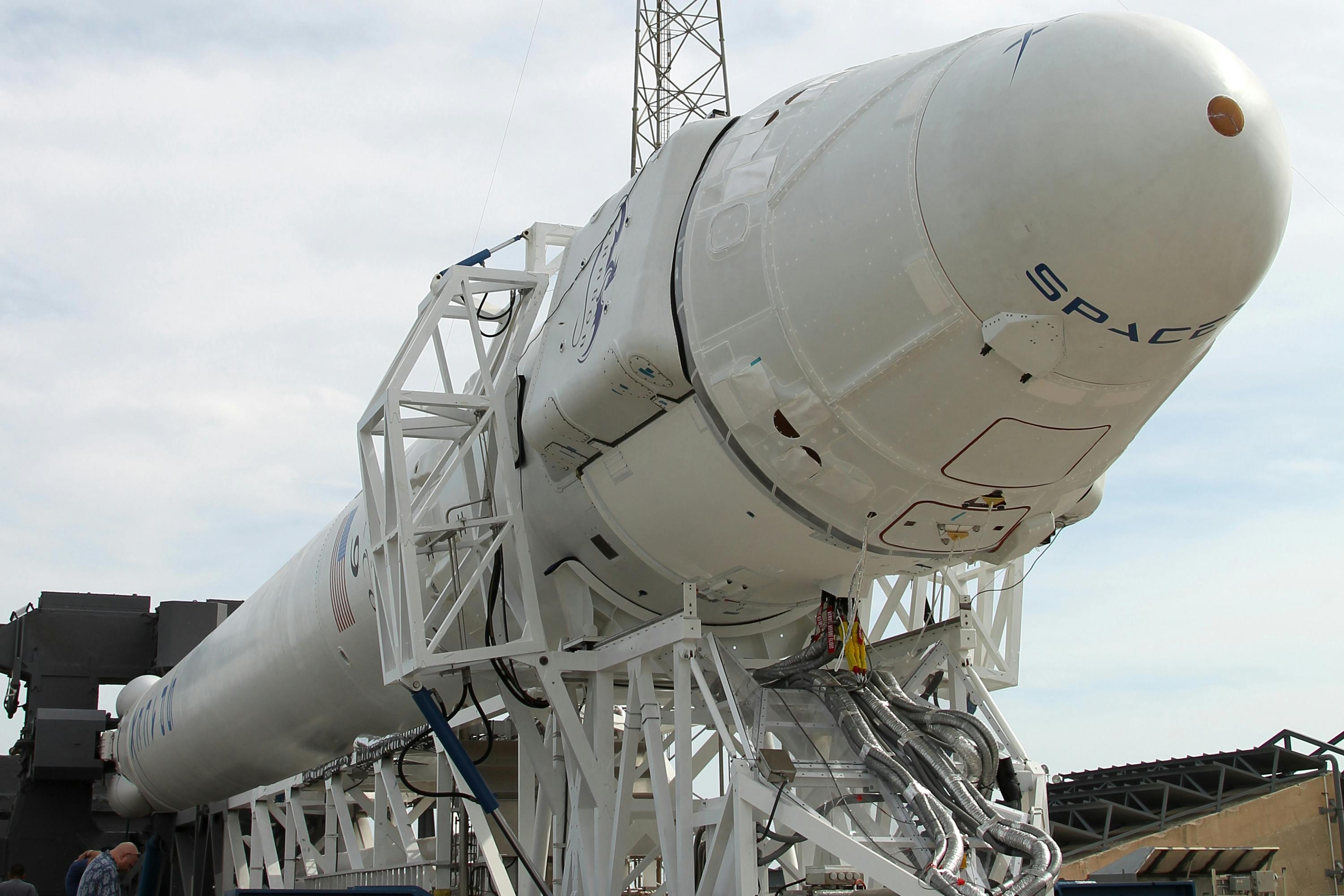
SpaceX progresses on Starship testing while Rocket Lab delays its Neutron rocket debut, potentially impacting the competitive landscape in space launches.
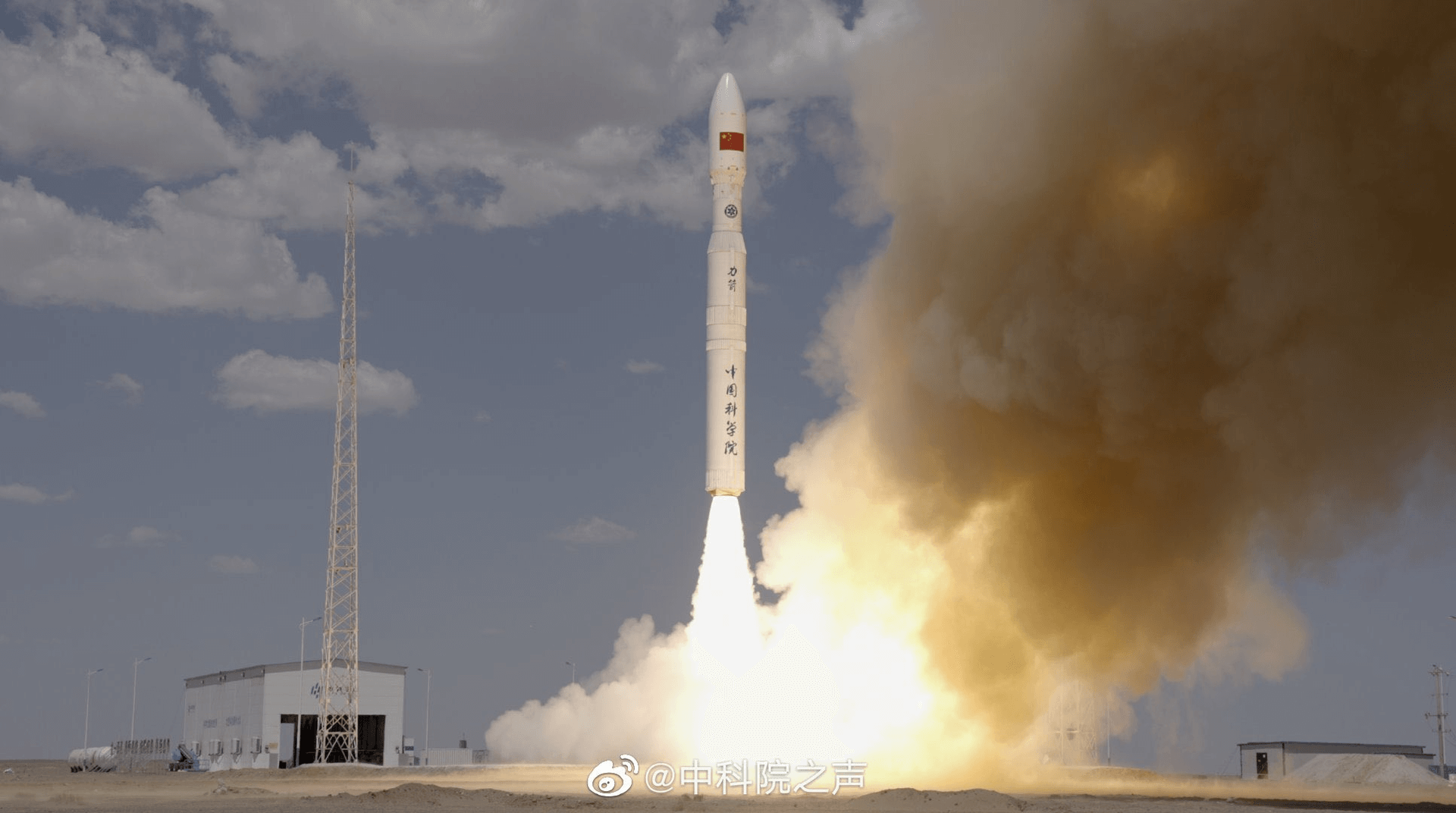
Today's brief highlights a nuclear battery startup's funding boost, advisory board additions in the space sector, and key military updates impacting space operations.
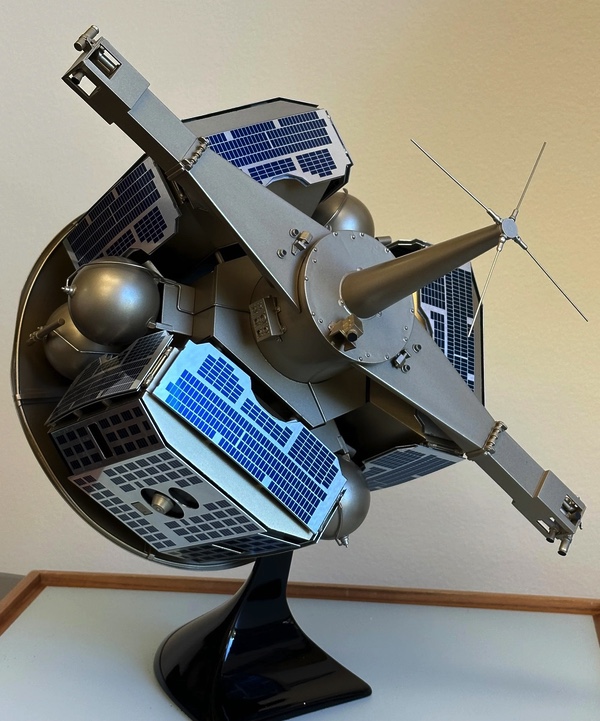
Forty-two years ago, an Atlas H rocket climbed into the California sky carrying four objects that would help the U.S. Navy track every Soviet warship on the planet - a mission so secret that even the satellites' true name wasn't declassified until 2023