



Space Brief 1 Nov 2024
Today's update highlights Boeing's challenges with the Starliner, Europe's IRIS2 constellation advancement, China's CAS Space's global ambitions, and vivid new telescope images of cosmic events.



Launch Date
December 7, 2023
Launch Site
Launch Pad
LC40
Launch Vehicle
NORAD ID
58516
International Designator
2023-191J
Epoch
Sun, 19 Jul 2026 08:48:27 GMT
Apogee
Calculating...
Perigee
Calculating...
Inclination
43.00°
Right Ascension
79.45°
Eccentricity
Calculating...
Argument of Perigee
266.79°
Period
94.27 min
Mean Motion
15.28 rev/day
Latitude
Calculating...
Longitude
Calculating...
Altitude
Calculating...
Velocity
Calculating...
Name
STARLINK-31028
Alternative Name
Starlink 31028
Type
Status
Owner
SPXS
Country
United States
Constellation
N/A
Related Satellites
Major Events
N/A
1 58516U 23191J 26200.36698500 .00000140 00000+0 14597-4 0 9992
2 58516 43.0019 79.4501 0000919 266.7856 93.2890 15.27576157145613
Source: Celestrak
Length
0.3
Diameter
4.1
Span
29
Dry Mass
700
Launch Mass
730
Shape
Box + pan
Radar Cross Section
Unknown
Visual Magnitude
Unknown
Color
Unknown
Material Composition
Unknown
Payload
Starlink Group 6-33-09
Purpose
Communication
Mission
Communication
Manufacturer
SPXS
Life Expectancy
Unknown
Bus
Starlink V2M
Configuration
Starlink v2 Mini
Motor
Argon ion thrusters
Equipment
Ku/Ka/E-band payload, optical inter-satellite link
Power System
Solar arrays, batteries
ADCS
Unknown
Transmitter Frequency
Unknown
Learn more about satellites and other related topics.
Today's update highlights Boeing's challenges with the Starliner, Europe's IRIS2 constellation advancement, China's CAS Space's global ambitions, and vivid new telescope images of cosmic events.
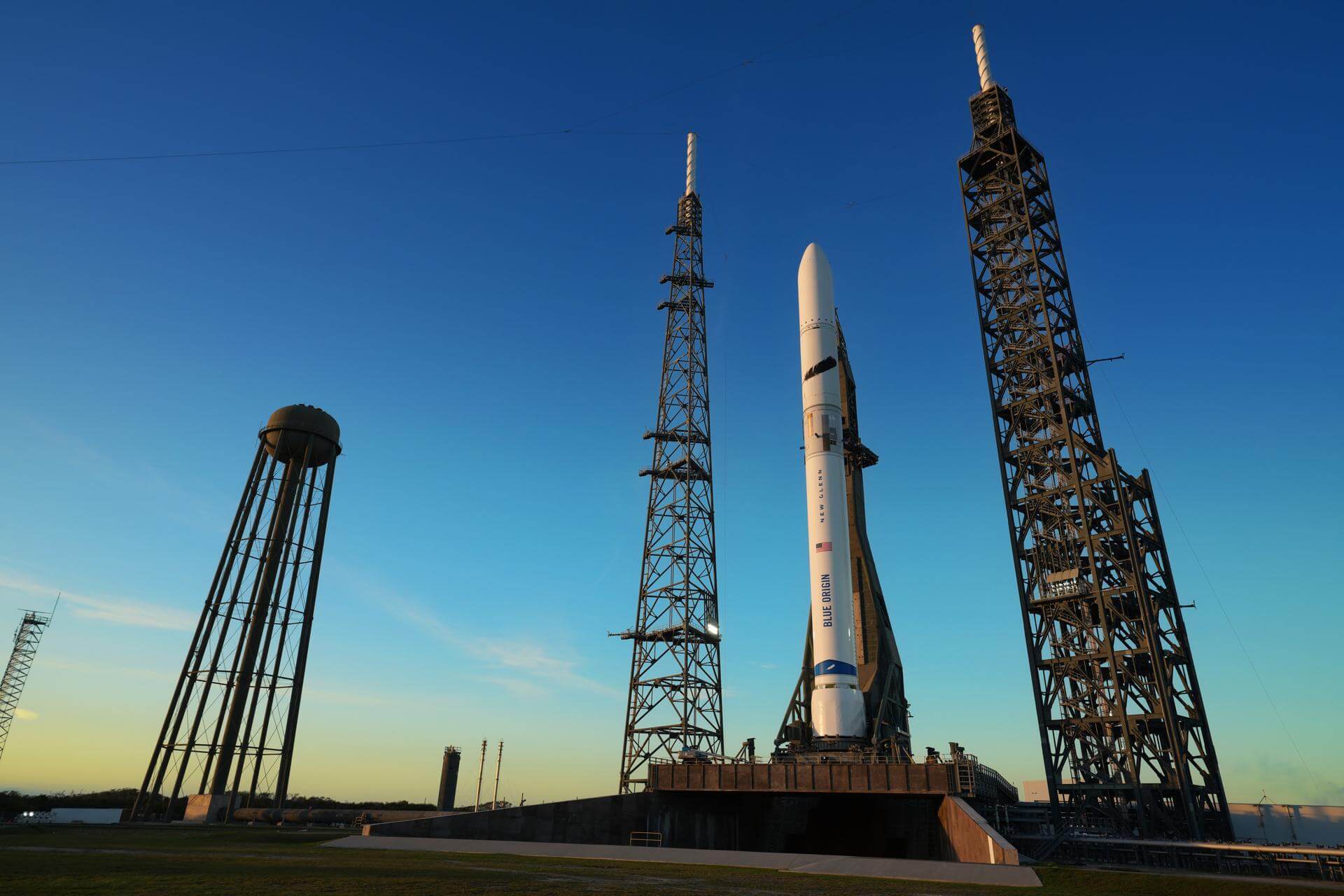
Today's briefing covers India's military communications satellite launch, SpaceX's Starlink mission milestone, Latvia's agreement to the Artemis Accords, and more significant updates in space technology and satellite launches.

SpaceX successfully launched 24 Starlink satellites into polar orbit, enhancing global coverage. Meanwhile, NASA's Crew-11 is now in quarantine ahead of their upcoming ISS mission.
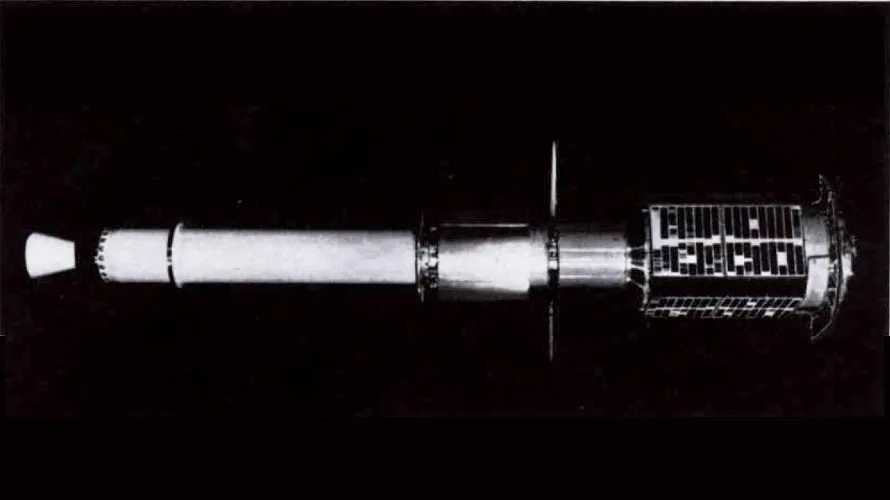
On April 27, 1961, a Scout rocket lifted a 37-kilogram NASA satellite into orbit from Wallops Island carrying the first serious instrument for detecting cosmic gamma rays. Explorer 11 operated for seven months before its tape recorder failed. In that time it registered 22 gamma-ray photons - a pitiful number by modern standards, but enough to launch an entire branch of astronomy.
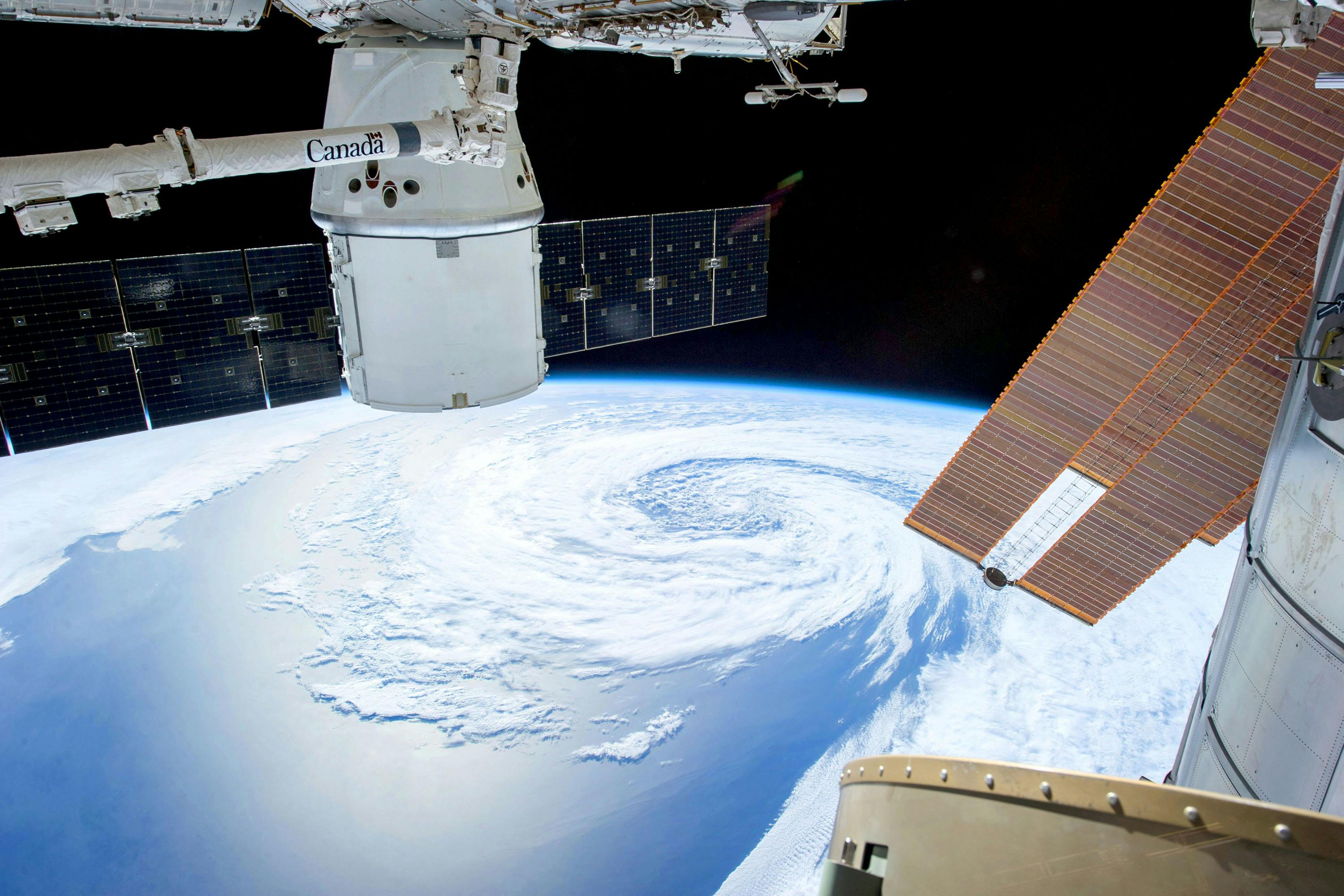
SpaceX marks another milestone and setback with Starship Flight 7, achieving a successful booster catch but losing the upper stage during ascent.
Today's focus spans critical developments in military space initiatives, strategic policy shifts, and modest steps in semiconductor advancements. Key developments include Rocket Lab's new U.S. Air Force contract, Sierra Space's progress in satellite programs, and potential policy changes under Trump's leadership.
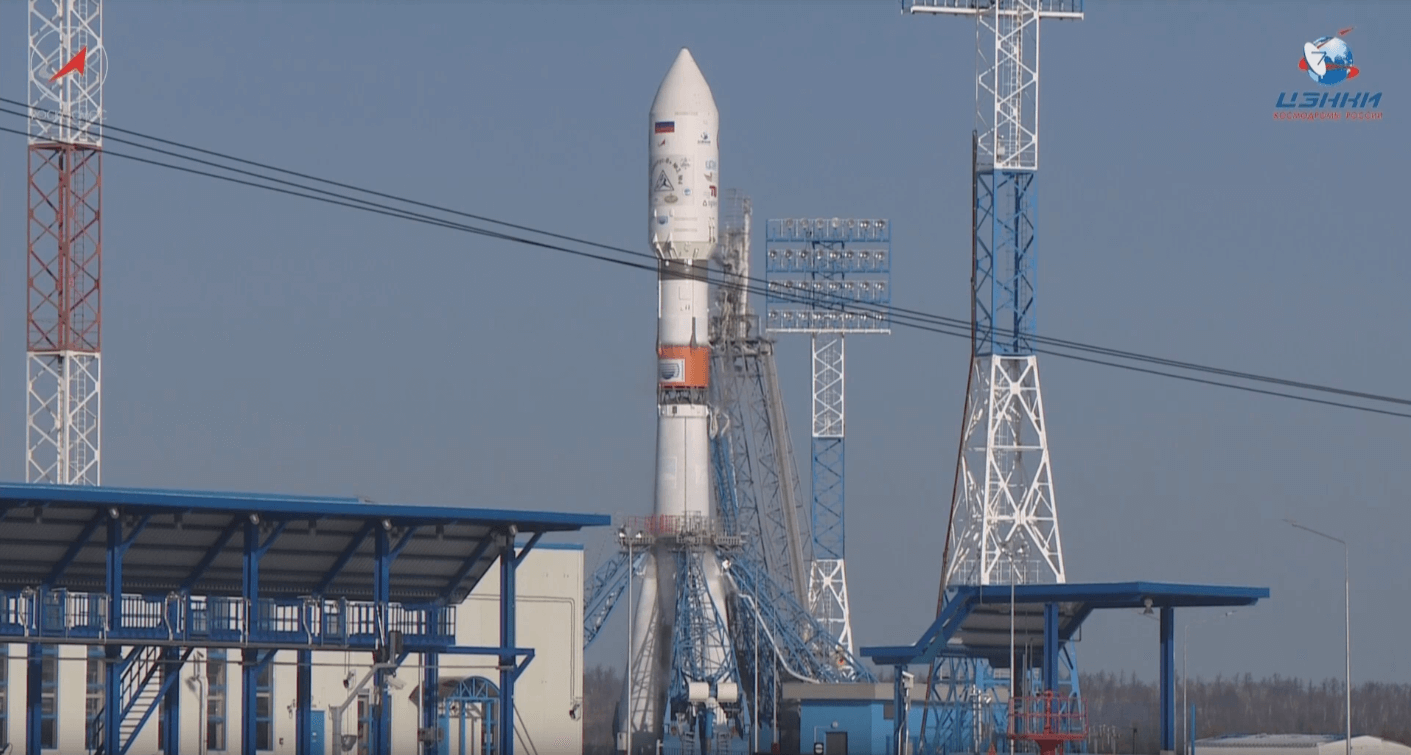
Today's brief highlights a Starlink satellite launch, an OpTech optical sensor contract for the Space Force, and a unique STEM experiment involving space-flown seeds.

Kratos Defense awarded $446M Space Force contract for RMWT missile-warning ground systems. Rocket Lab secures $190M Pentagon deal for 20 hypersonic test flights.