


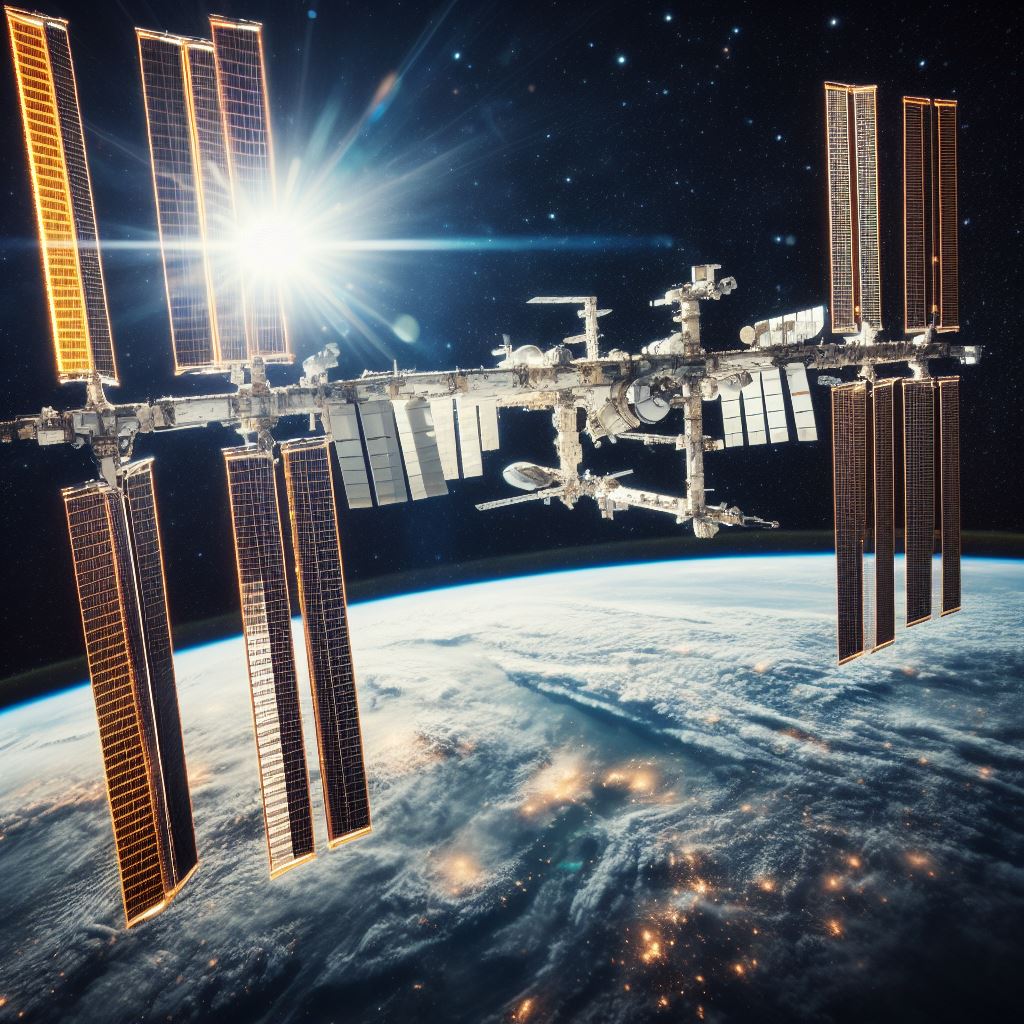
The 10 Most Iconic Satellites Still in Space
Let's look at the legacy of space exploration with the 10 most iconic satellites still orbiting Earth.



Launch Date
December 7, 2023
Launch Site
Launch Pad
LC40
Launch Vehicle
NORAD ID
58513
International Designator
2023-191F
Epoch
Mon, 20 Jul 2026 00:17:16 GMT
Apogee
Calculating...
Perigee
Calculating...
Inclination
43.00°
Right Ascension
76.55°
Eccentricity
Calculating...
Argument of Perigee
269.71°
Period
94.27 min
Mean Motion
15.28 rev/day
Latitude
Calculating...
Longitude
Calculating...
Altitude
Calculating...
Velocity
Calculating...
Name
STARLINK-30998
Alternative Name
Starlink 30998
Type
Status
Owner
SPXS
Country
United States
Constellation
N/A
Related Satellites
Major Events
N/A
1 58513U 23191F 26201.01199897 .00001120 00000+0 50201-4 0 9998
2 58513 43.0000 76.5496 0001090 269.7117 90.3610 15.27579110145738
Source: Celestrak
Length
0.3
Diameter
4.1
Span
29
Dry Mass
700
Launch Mass
730
Shape
Box + pan
Radar Cross Section
Unknown
Visual Magnitude
Unknown
Color
Unknown
Material Composition
Unknown
Payload
Starlink Group 6-33-06
Purpose
Communication
Mission
Communication
Manufacturer
SPXS
Life Expectancy
Unknown
Bus
Starlink V2M
Configuration
Starlink v2 Mini
Motor
Argon ion thrusters
Equipment
Ku/Ka/E-band payload, optical inter-satellite link
Power System
Solar arrays, batteries
ADCS
Unknown
Transmitter Frequency
Unknown
Learn more about satellites and other related topics.
Let's look at the legacy of space exploration with the 10 most iconic satellites still orbiting Earth.
Today's space brief covers an impressive SpaceX launch record, China's upcoming crew mission to its space station, an Intelsat 33e debris observation, and more. Key topics include SpaceX's Starship events, ESA's Hera mission updates, and Boeing's potential space division sale.
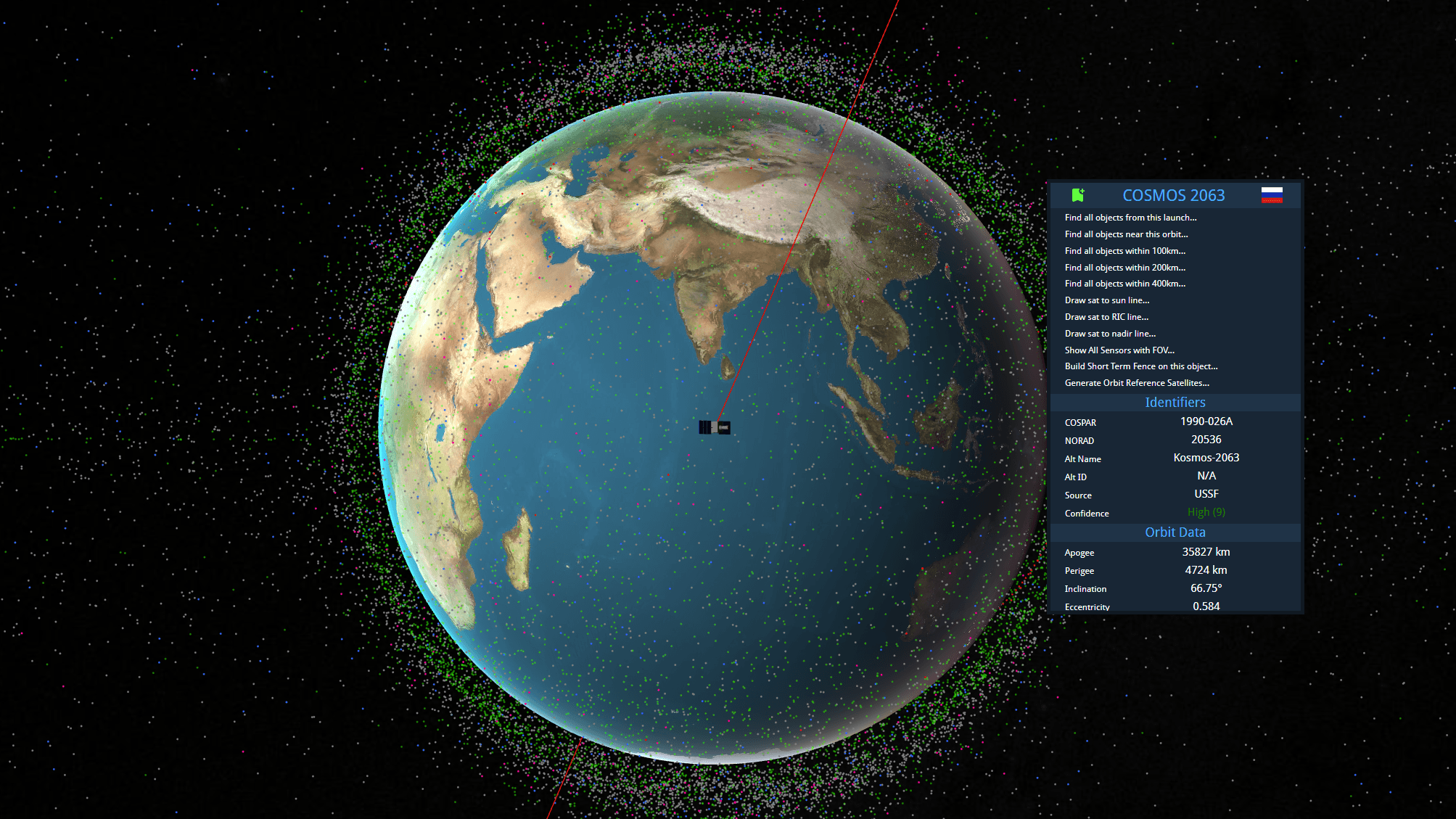
Today's Space Brief explores new satellite launches, significant reentries, funding milestones, and critical policy updates.
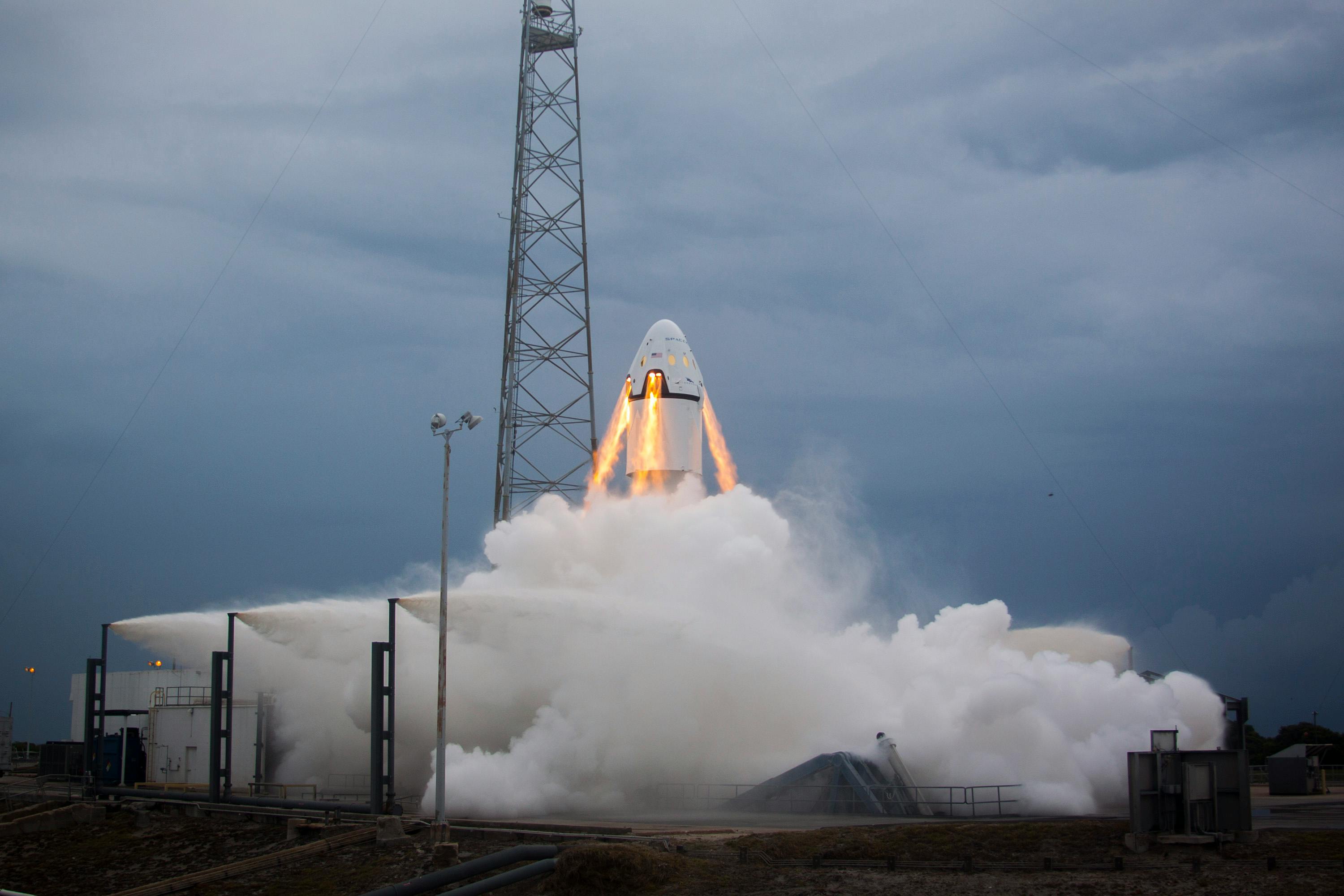
SpaceX continues strong momentum in June with successful satellite launches, a new service from Telstra, and updates on upcoming missions. Key developments are shaping the future of both space travel and satellite communications.
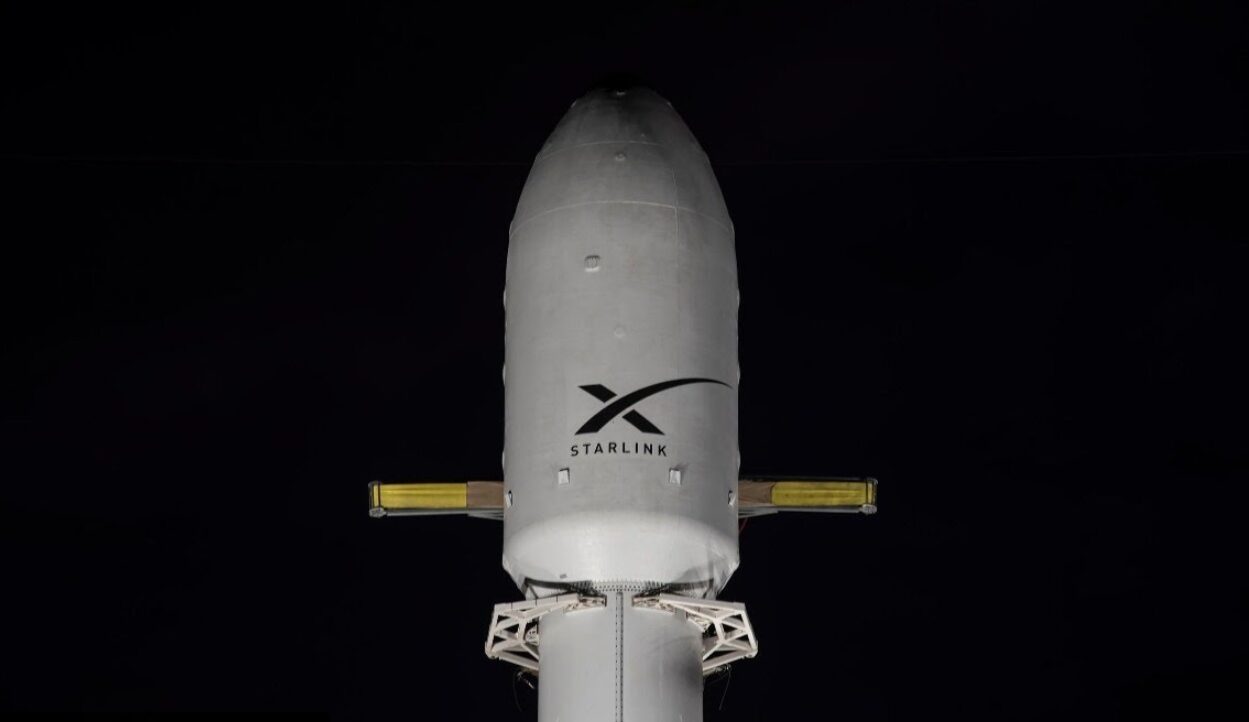
FCC clears Reflect Orbital's first satellite to bounce sunlight into nighttime zones, despite pushback from astronomers concerned about orbital streaking and wildlife impacts.
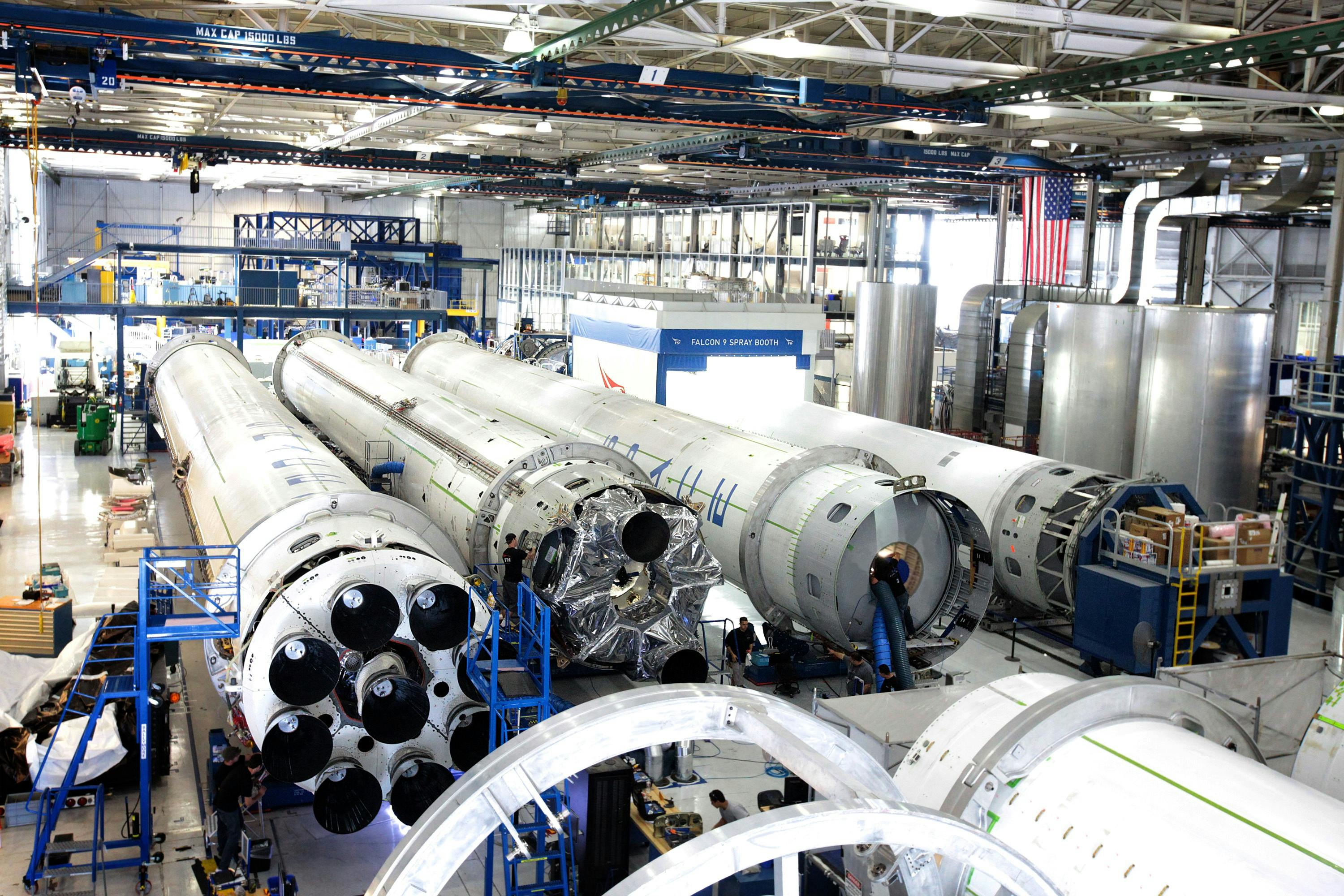
SpaceX Starfall reentry capsule debuted June 23: the 2,100 kg disk launched on a Falcon 9 from Cape Canaveral to demo cargo return from orbit.
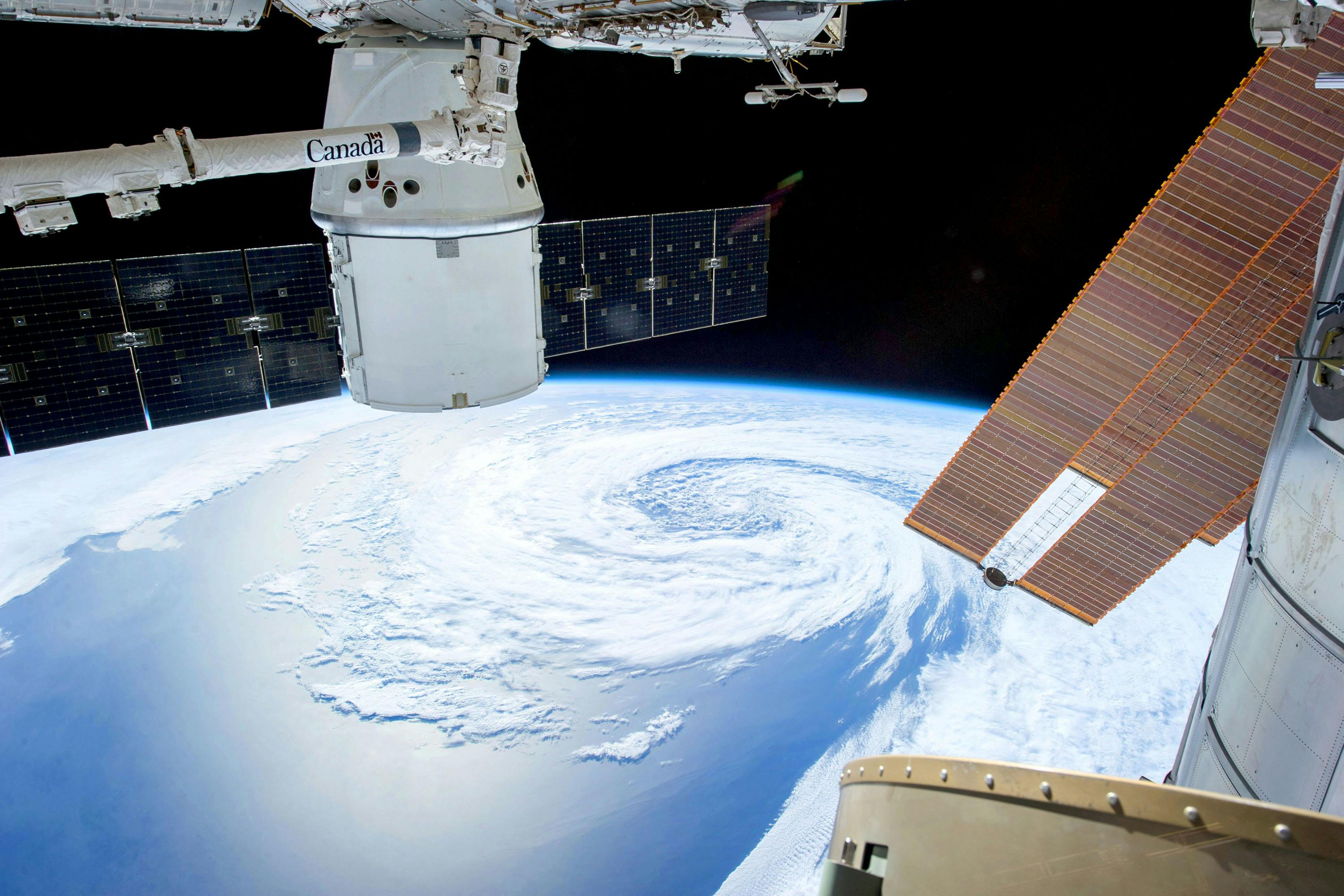
SpaceX successfully rotates Crew-9 and Crew-10 on the ISS and launches new Starlink satellites with direct-to-cell capability.

Today's brief covers significant advancements in space satellite launches, military spending impacts on space, and notable developments from the Space Force and SpaceX.