COSMOS 474 DEB (05850)

COSPAR: 1972-008E | Alt Name: PTDU cover
DECAYED

Image
COSMOS 474 DEB Satellite Image
Additional Sources
Launch Details

Launch Date

February 16, 1972

Launch Pad

LC31

Launch Vehicle

Voskhod 11A57

Orbital Elements

NORAD ID

05850

International Designator

1972-008E

Decay Date

3/1/1972

Basic Satellite Info

Name

COSMOS 474 DEB

Alternative Name

PTDU cover

Type

Debris

Status

Space Junk

Owner

GUKOSR

Country

USSR

Constellation

N/A

Related Satellites

Major Events

N/A

Summary
Space debris, also known as space junk, encompasses all non-functional objects orbiting Earth such as defunct satellites, spent rocket stages, and fragments from collisions or disintegrations. Over time, this debris can accumulate and create an increasingly hazardous environment in orbit. Even tiny fragments, traveling at extremely high velocities, can inflict significant damage on operational satellites and spacecraft. If left unmanaged, the density of debris raises the risk of catastrophic collisions and further fragmentation, compounding the problem and threatening the safety and sustainability of space activities.
Physical Characteristics

Length

0

Diameter

0

Span

0

Dry Mass

0

Launch Mass

0

Shape

N/A

Radar Cross Section

Unknown

Visual Magnitude

Unknown

Color

Unknown

Material Composition

Unknown

Technical Details

Payload

Unknown

Purpose

Unknown

Mission

Unknown

Manufacturer

TSKBE3

Life Expectancy

Unknown

Bus

Zenit deb

Configuration

Unknown

Motor

Unknown

Equipment

Unknown

Power System

Unknown

ADCS

Unknown

Transmitter Frequency

Unknown

Satellite Articles

View All Posts »

Learn more about satellites and other related topics.

The Day Two Astronauts Proved We Could Reach the Moon

The Day Two Astronauts Proved We Could Reach the Moon

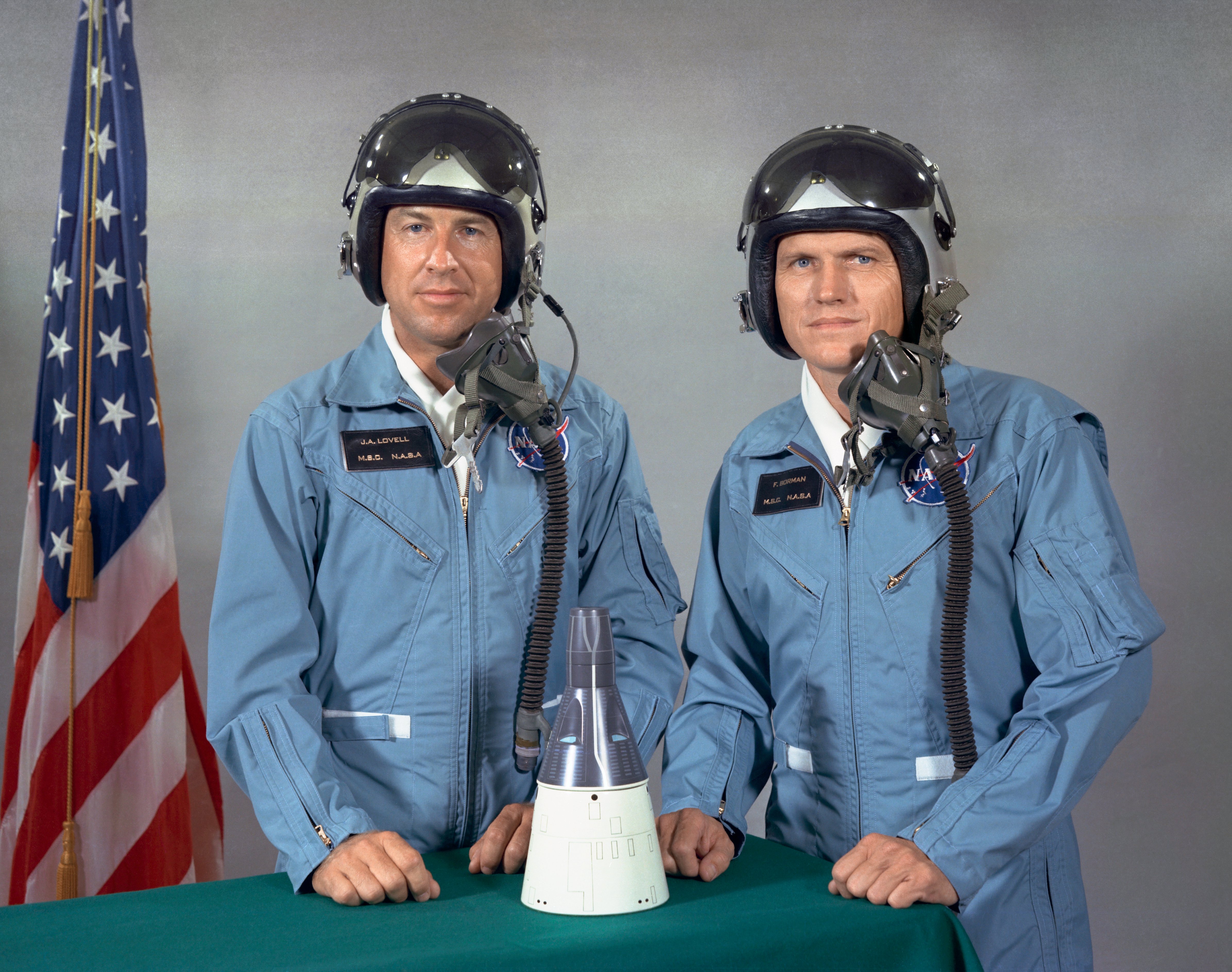
Sixty years ago, Frank Borman and James Lovell launched aboard Gemini 7 for a grueling 14-day mission that would prove humans could endure the journey to the moon and achieve the first true rendezvous in space

Space Brief 27 Aug 2025

Space Brief 27 Aug 2025

Today's key space events include SpaceX's launch of the secretive X-37B military drone, XTAR's U.S. defense market strategy, and China's space station AI upgrade.

Artemis II

Artemis II

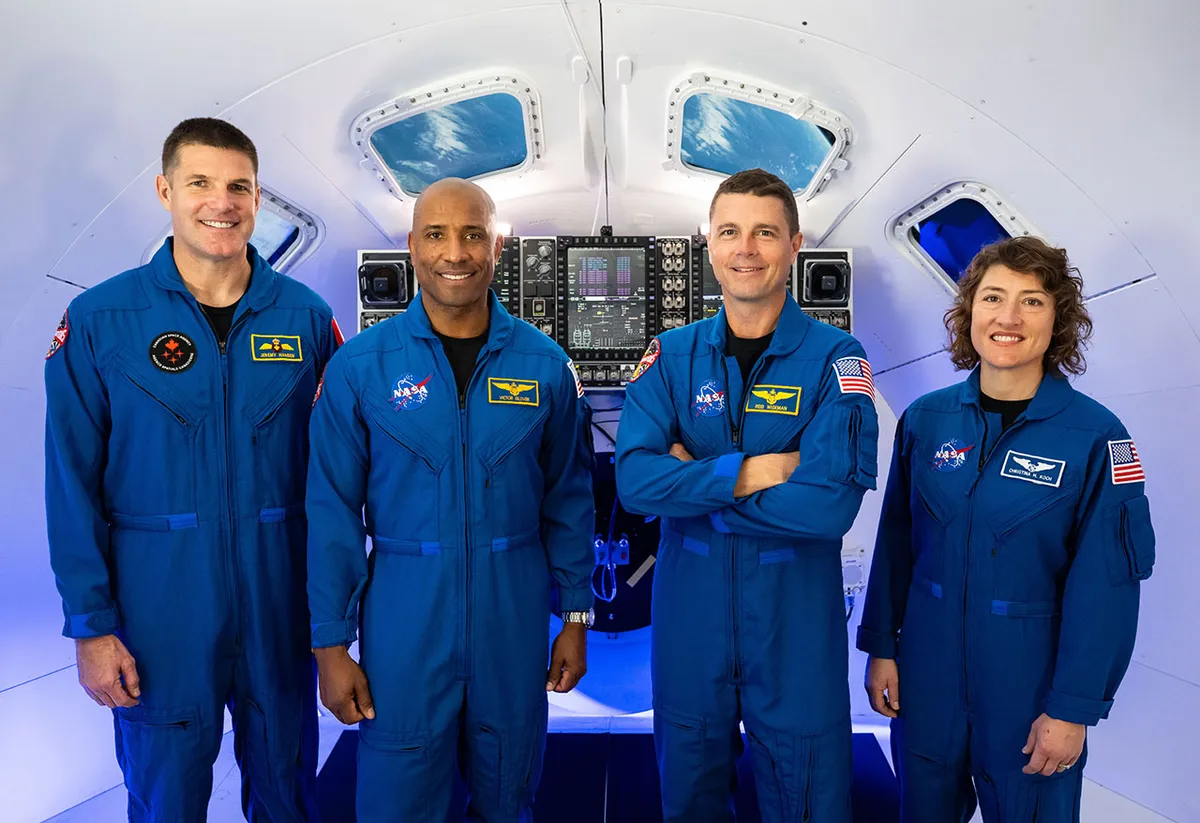
Four astronauts, a patched-together heat shield, and a $50 billion question: whether NASA can still send humans beyond low Earth orbit. Tomorrow, we find out.

The Looming Crisis of Orbital Debris

The Looming Crisis of Orbital Debris

As humanity increasingly relies on satellites, the escalating space junk problem poses a dire threat to our space-based infrastructure. With debris counts reaching alarming levels, urgent action is needed to prevent a cascade of collisions that could make key orbits unusable.

Space Brief 17 Mar 2025

Space Brief 17 Mar 2025

Today's highlights include significant data release from NASA's Atmospheric Waves Experiment, SpaceX's dual launches of Crew-10 and Starlink satellites, and intriguing findings from the arctic ice studies.

SDA Awards $3.5B Tracking Layer Contracts to Lockheed, Rocket Lab | KeepTrack Space Brief

SDA Awards $3.5B Tracking Layer Contracts to Lockheed, Rocket Lab | KeepTrack Space Brief

SDA awards $3.5B in contracts for 72 Tracking Layer satellites to Lockheed Martin and Rocket Lab. Terran Orbital selected for satellite bus production. Israel eyes 2026 defense growth.

Space Brief 26 May 2025

Space Brief 26 May 2025

Today's highlights include China's lunar collaboration with Russia, new insights from Magellan's Venus mission, and stunning 8K images of the sun.

The End of Free Skies | FAA Starts Charging for Rocket Launches

The End of Free Skies | FAA Starts Charging for Rocket Launches

On April 22, 2026, the FAA published a final rule implementing per-launch user fees for commercial space transportation — the first time the U.S. government has charged payload-based fees for rocket launches. Starting at 25 cents per pound with a $30,000 cap, the fees are modest today. By 2033, they won't be.