


Space Force Eyes Space Tugs, On-Orbit Refueling by 2030 | KeepTrack Space Brief
Space Force commits to operational space tugs and on-orbit refueling by 2030. New capabilities will complicate conjunction analysis for GEO and MEO satellite tracking.



Launch Date
December 3, 2023
Launch Site
Launch Pad
LC40
Launch Vehicle
NORAD ID
58483
International Designator
2023-186L
Epoch
Sun, 19 Jul 2026 18:59:01 GMT
Apogee
Calculating...
Perigee
Calculating...
Inclination
43.00°
Right Ascension
230.97°
Eccentricity
Calculating...
Argument of Perigee
60.62°
Period
93.74 min
Mean Motion
15.36 rev/day
Latitude
Calculating...
Longitude
Calculating...
Altitude
Calculating...
Velocity
Calculating...
Name
STARLINK-30994
Alternative Name
Starlink 30994
Type
Status
Owner
SPXS
Country
United States
Constellation
N/A
Related Satellites
Major Events
N/A
1 58483U 23186L 26200.79099022 -.00011141 00000+0 -30089-3 0 9998
2 58483 42.9973 230.9721 0008388 60.6150 299.5542 15.36208137148042
Source: Celestrak
Length
0.3
Diameter
4.1
Span
29
Dry Mass
700
Launch Mass
730
Shape
Box + pan
Radar Cross Section
Unknown
Visual Magnitude
Unknown
Color
Unknown
Material Composition
Unknown
Payload
Starlink Group 6-31-11
Purpose
Communication
Mission
Communication
Manufacturer
SPXS
Life Expectancy
Unknown
Bus
Starlink V2M
Configuration
Starlink v2 Mini
Motor
Argon ion thrusters
Equipment
Ku/Ka/E-band payload, optical inter-satellite link
Power System
Solar arrays, batteries
ADCS
Unknown
Transmitter Frequency
Unknown
Learn more about satellites and other related topics.
Space Force commits to operational space tugs and on-orbit refueling by 2030. New capabilities will complicate conjunction analysis for GEO and MEO satellite tracking.
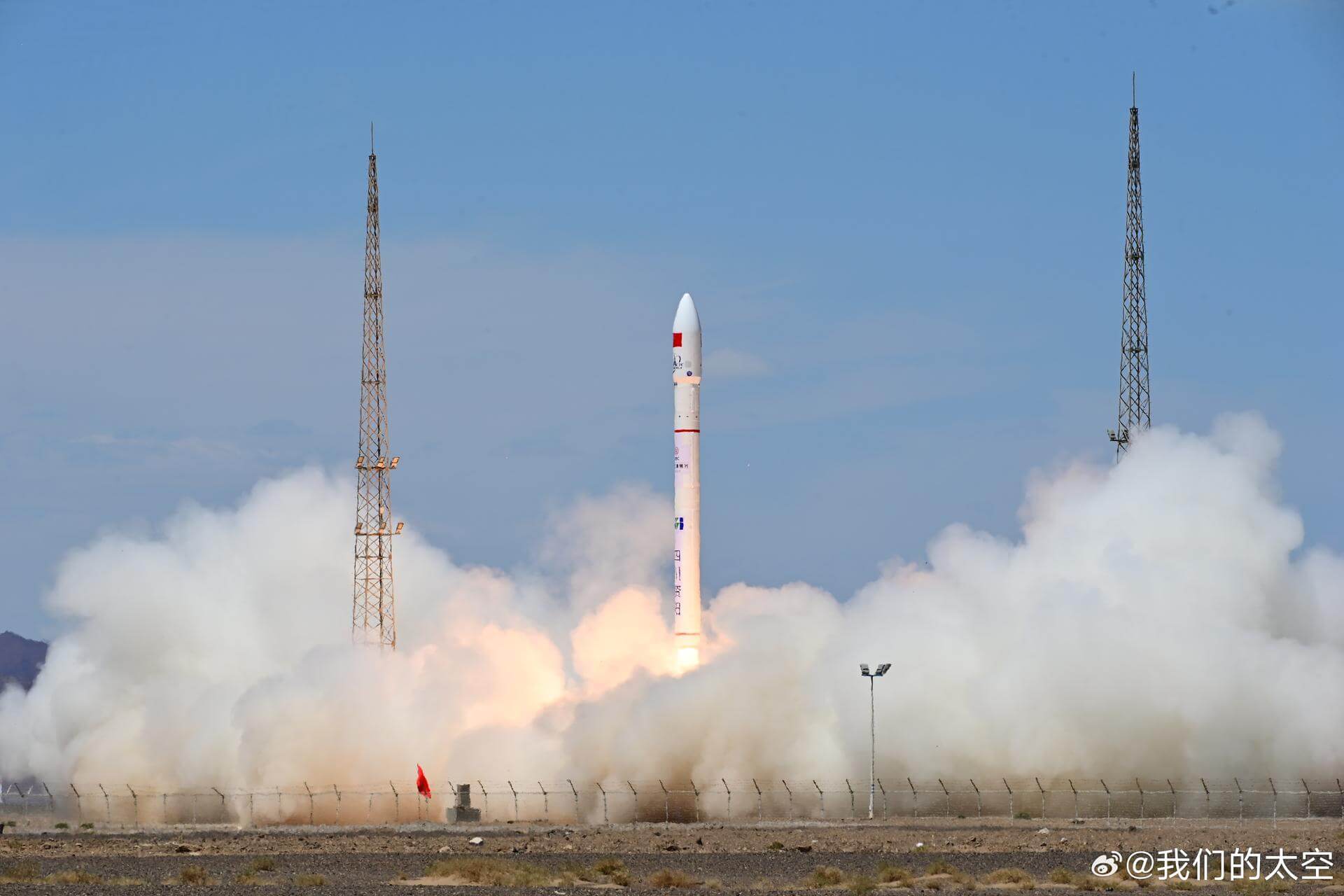
Today's brief covers the crash of a SpaceX Falcon 9 rocket over Europe, the Space Force's mapping efforts with Iron Dome, and key military appointments and funding decisions.
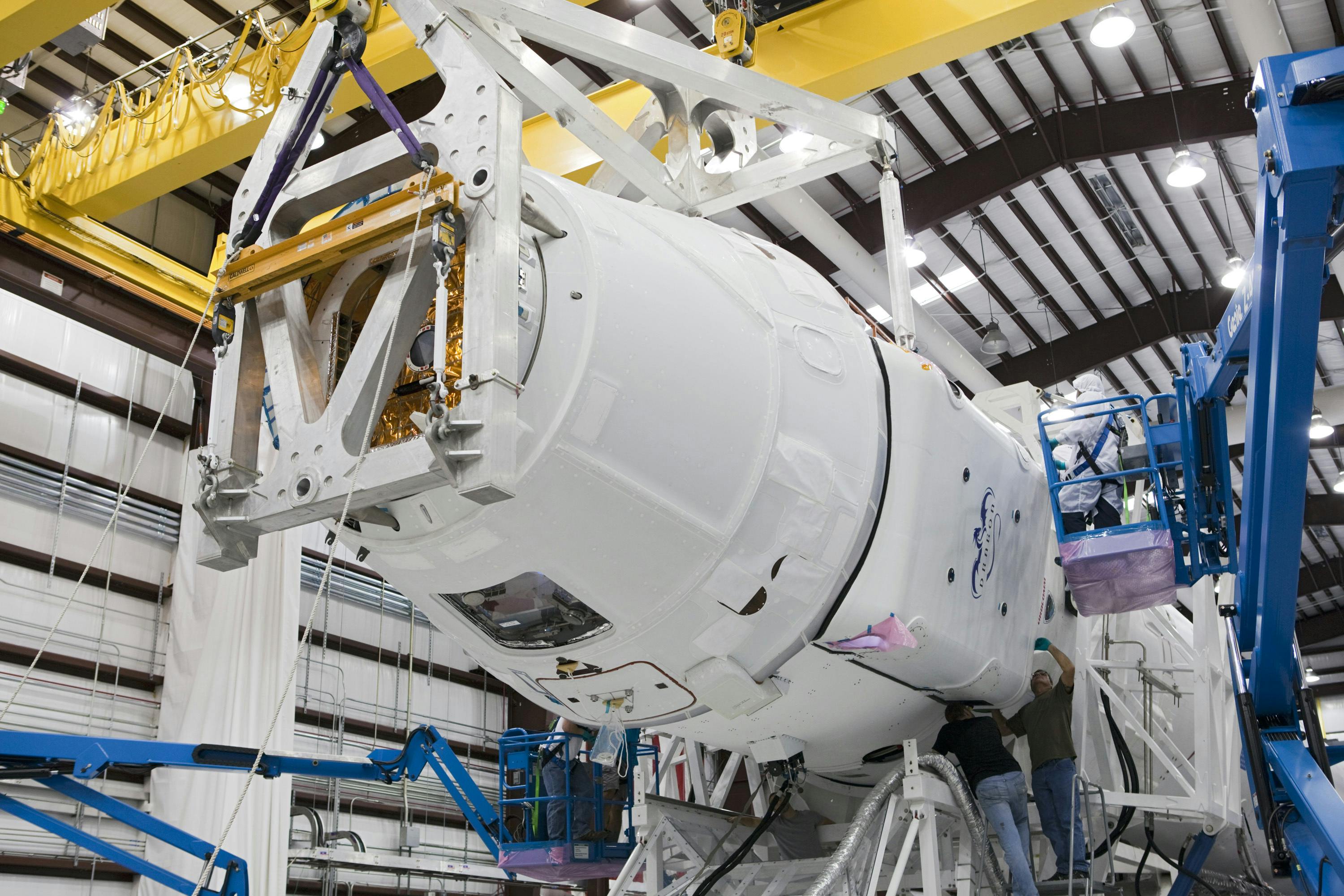
SpaceX prepares for its 100th Starlink launch while refining its lunar lander design for NASA's Artemis program amidst calls for architectural changes.
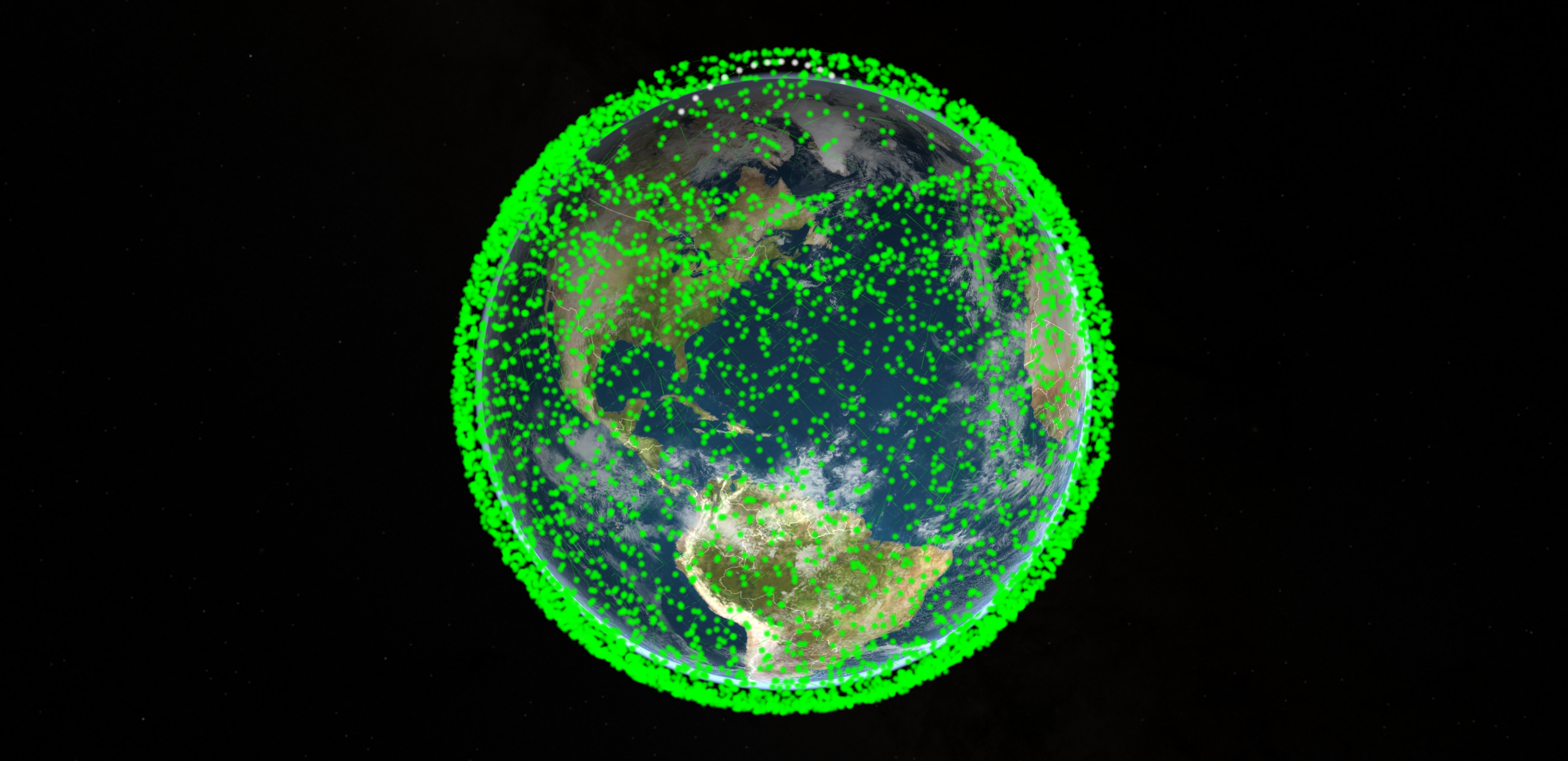
STARLINK-34343 broke apart at 560 kilometers. SpaceX's response - launch more satellites the next morning - tells you everything about the confidence gap between fleet statistics and individual failure modes.
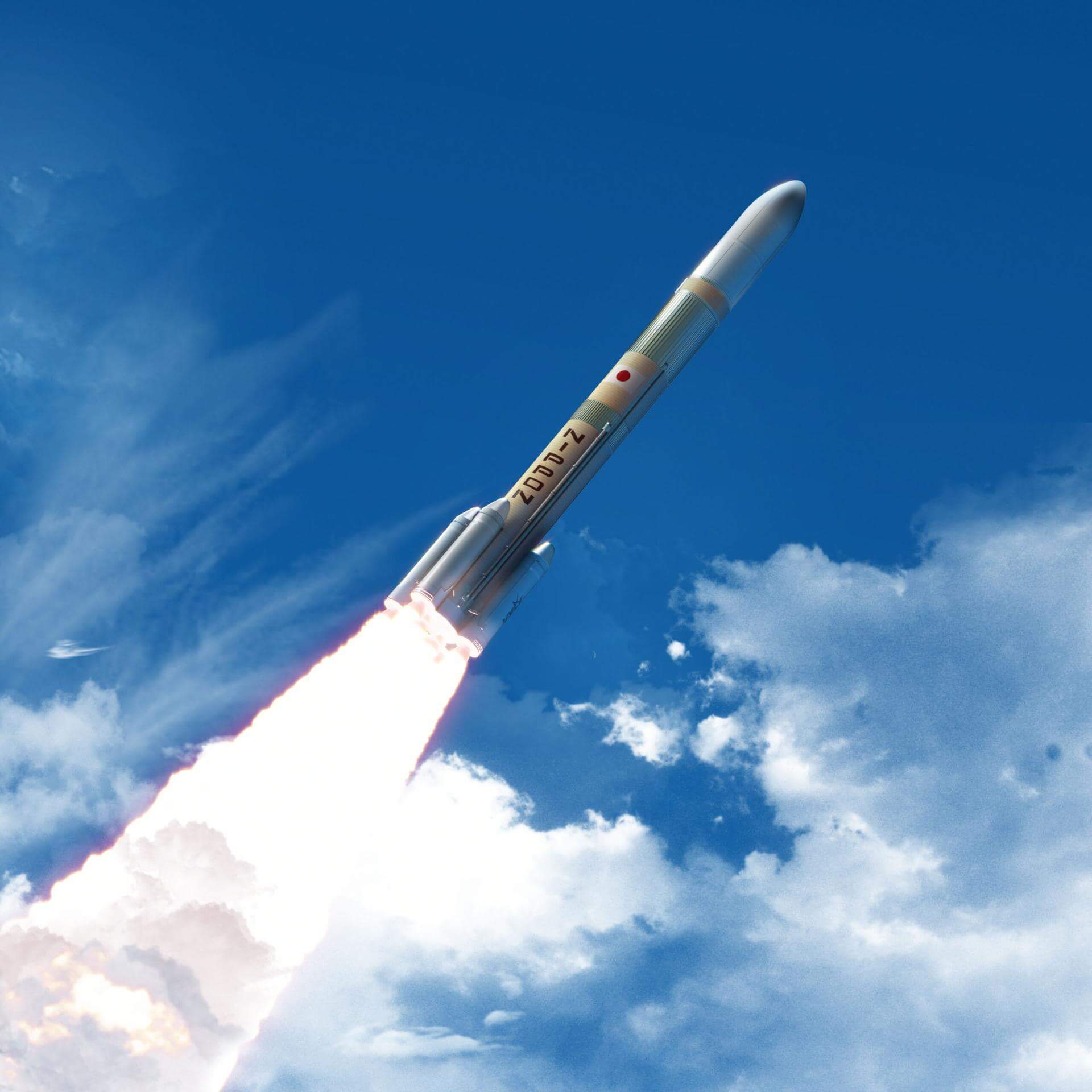
Today's highlights include Firefly's acquisition of SciTec, DARPA's vision for a moon economy, and ESA's new deep space antenna in Australia. Stay updated on the latest in space intelligence and defense technology transformations, plus noteworthy rogue planet phenomena.

Today's briefing covers a last-minute abort of a SpaceX Starlink launch, NASA's preparation for hypersonic tests, Airbus's progress in its space business, and more exciting developments in satellite tracking and reusable spaceflight.
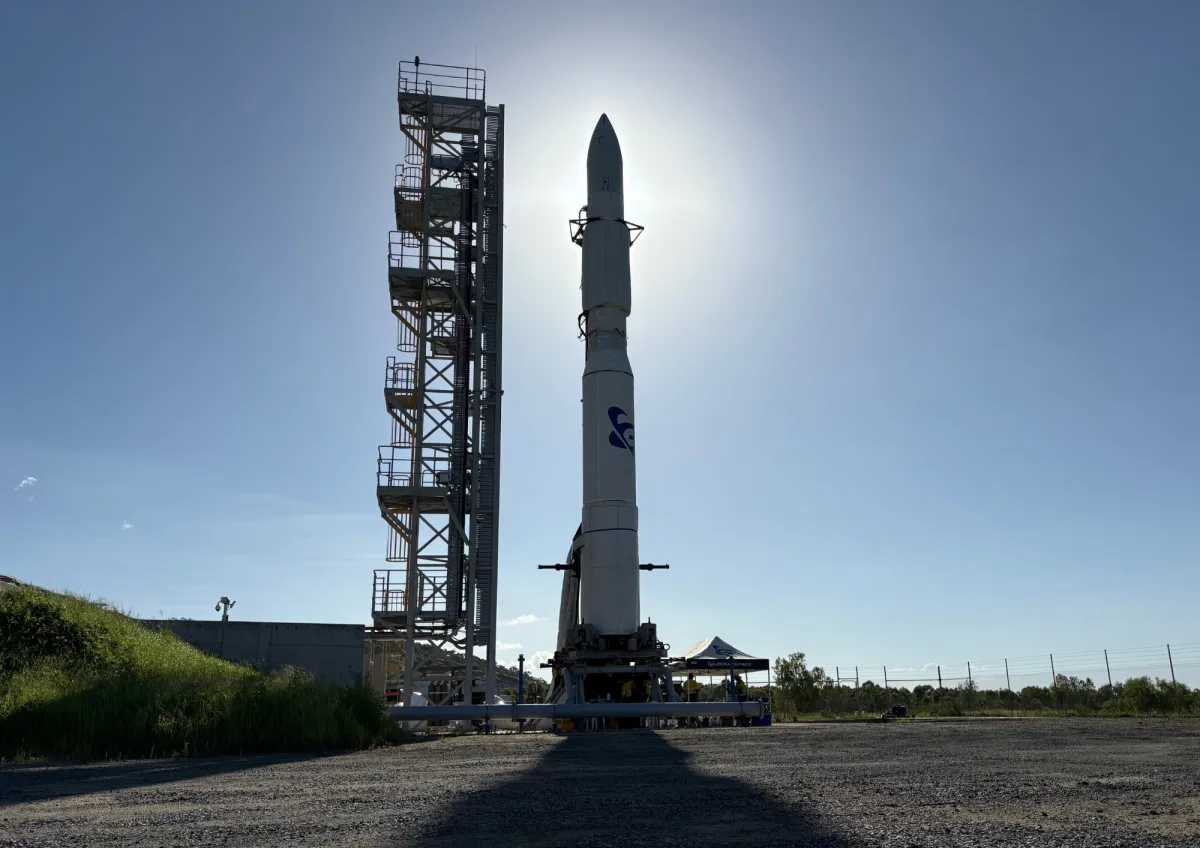
Today's brief covers a Pentagon review of satellite launch options, Kongsberg's completed maritime satellite network, York's new satellite launch, DARPA's project cancellation, and more.
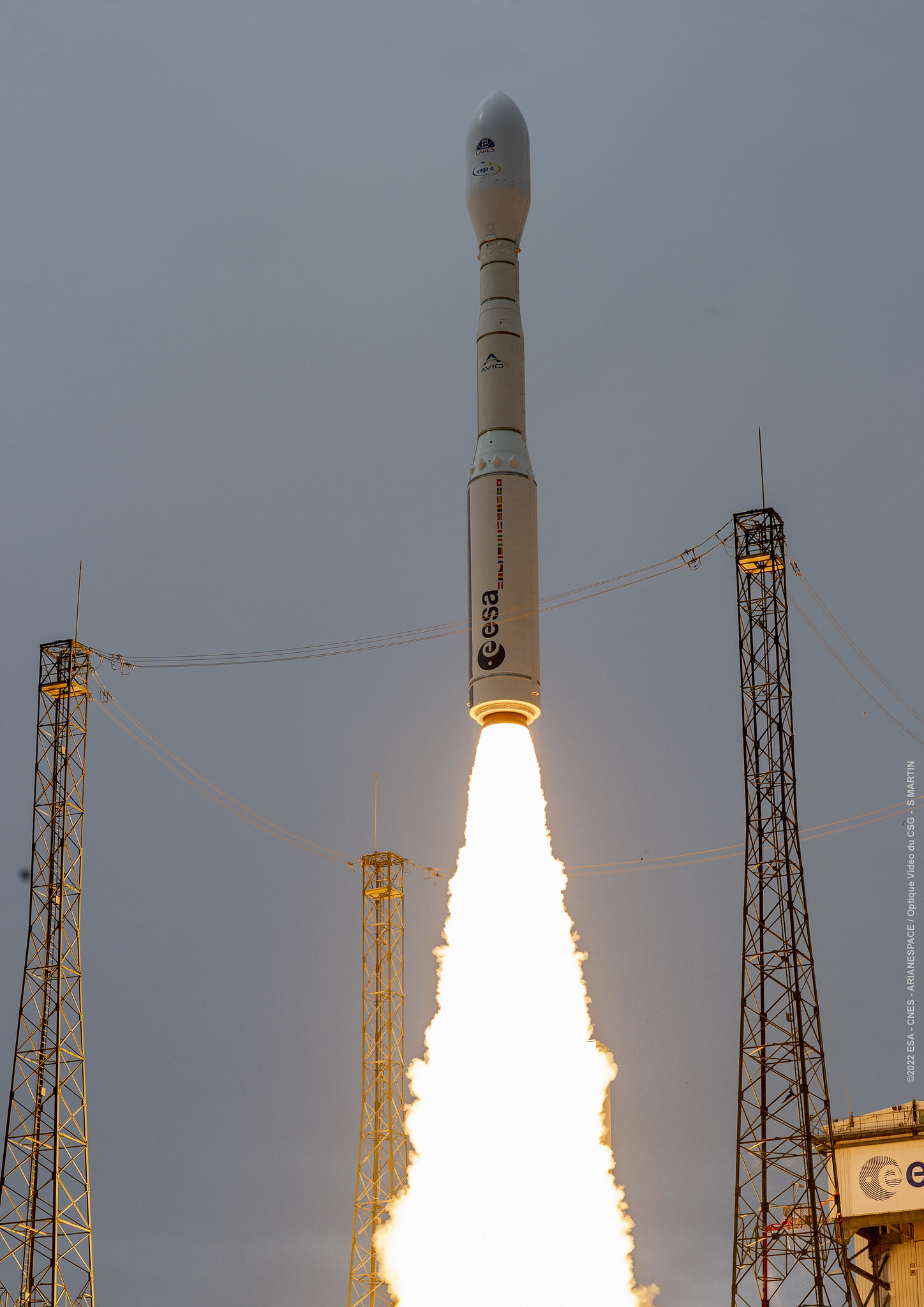
Today's highlights include a space debris incident involving China's spacecraft, development advancements for military space missions, and a notable setback for SpaceX's Starship booster.