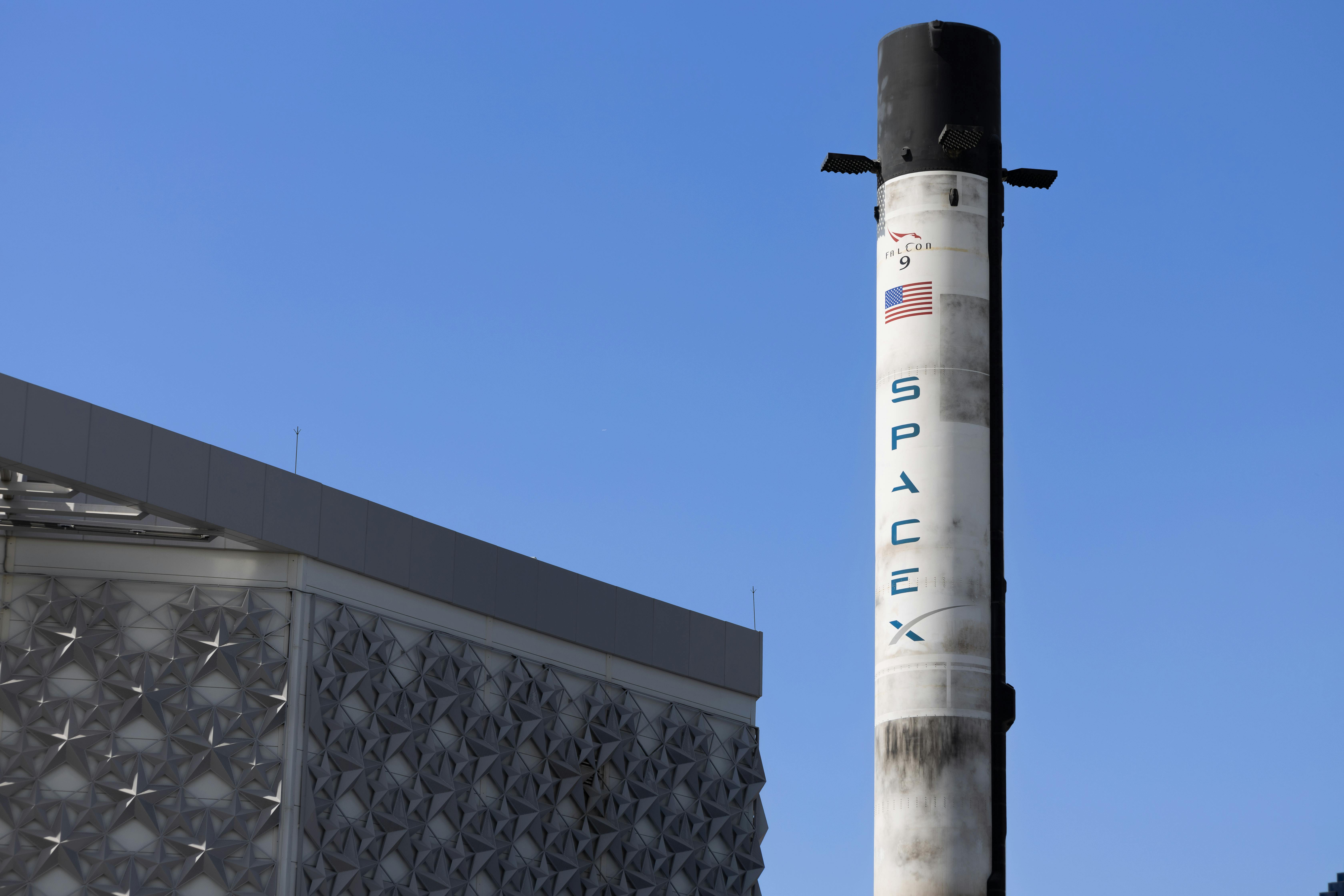
STARLINK-30954 (58407)

COSPAR: 2023-180F | Alt Name: Starlink 30954

Image
STARLINK-30954 Satellite Image
Additional Sources
Launch Details

Launch Date

November 22, 2023

Launch Pad

LC40

Launch Vehicle

Falcon 9

Orbital Elements

NORAD ID

58407

International Designator

2023-180F

Epoch

Sun, 19 Jul 2026 19:29:03 GMT

Apogee

Calculating...

Perigee

Calculating...

Inclination

43.00°

Right Ascension

26.28°

Eccentricity

Calculating...

Argument of Perigee

269.45°

Period

94.27 min

Mean Motion

15.28 rev/day

Latitude

Calculating...

Longitude

Calculating...

Altitude

Calculating...

Velocity

Calculating...

Polar Plot
3D Visualization
Basic Satellite Info

Name

STARLINK-30954

Alternative Name

Starlink 30954

Type

Payload

Status

Operational

Owner

SPXS

Country

United States

Constellation

N/A

Related Satellites

Major Events

N/A

Latest TLEs
1 58407U 23180F   26200.81184921 -.00000212  00000+0  18160-5 0  9998
2 58407  43.0003  26.2846 0000798 269.4543  90.6217 15.27576553147835

Source: Celestrak

Summary
STARLINK-30954 is a Starlink V2M satellite, designated Object ID 2023-180F, launched on November 22, 2023, from Cape Canaveral Space Force Station (LC40) using a Falcon 9 launch vehicle. It has a configuration of Starlink v2 Mini and is owned by SpaceX (SPXS). The satellite measures 0.3 meters in length, 4.1 meters in diameter, and spans 29 meters with its deployed solar arrays. Its dry mass is 700 kg, and it was launched at a mass of 730 kg. It is equipped with a Ku/Ka/E-band payload for communication purposes and includes an optical inter-satellite link system along with Argon ion thrusters for propulsion. Power is provided by solar arrays and batteries, and the satellite's purpose is to enhance global internet connectivity as part of SpaceX's Starlink constellation.

Starlink is a satellite constellation developed by SpaceX with the aim of providing global broadband internet coverage. Thousands of small satellites are deployed in low Earth orbit (LEO), enabling high-speed internet access even in remote areas. However, the rapid increase in satellites raises concerns about space debris and the potential for collisions, which can lead to further debris creation and endanger other spacecraft. Additionally, the sheer number of Starlink satellites can affect astronomical observations by increasing light pollution. Proper deorbiting plans and international coordination are essential to mitigate these challenges and ensure long-term sustainability in space.
Physical Characteristics

Length

0.3

Diameter

4.1

Span

29

Dry Mass

700

Launch Mass

730

Shape

Box + pan

Radar Cross Section

Unknown

Visual Magnitude

Unknown

Color

Unknown

Material Composition

Unknown

Technical Details

Payload

Starlink Group 6-29-06

Purpose

Communication

Mission

Communication

Manufacturer

SPXS

Life Expectancy

Unknown

Bus

Starlink V2M

Configuration

Starlink v2 Mini

Motor

Argon ion thrusters

Equipment

Ku/Ka/E-band payload, optical inter-satellite link

Power System

Solar arrays, batteries

ADCS

Unknown

Transmitter Frequency

Unknown

Map
This tool will help you track the satellite's position and predict its upcoming passes over your location. Simply input the coordinates or click the geolocation button to get started.
Next Pass
Azimuth Elevation Time (Local)
Start Azimuth
Max Elevation
Stop Azimuth
Time Until
Pass Duration

Satellite Articles

View All Posts »

Learn more about satellites and other related topics.

X Report 17 Feb 2025

X Report 17 Feb 2025

Key insights on Starship development challenges and latest Starlink satellite status.

NASA Awards Private Mars Orbiter Contract for 2028 | KeepTrack X Report

NASA Awards Private Mars Orbiter Contract for 2028 | KeepTrack X Report

A California firm wins NASA's Aeolus Mars orbiter contract, targeting 2028 launch for the first daily global Martian environment measurements.
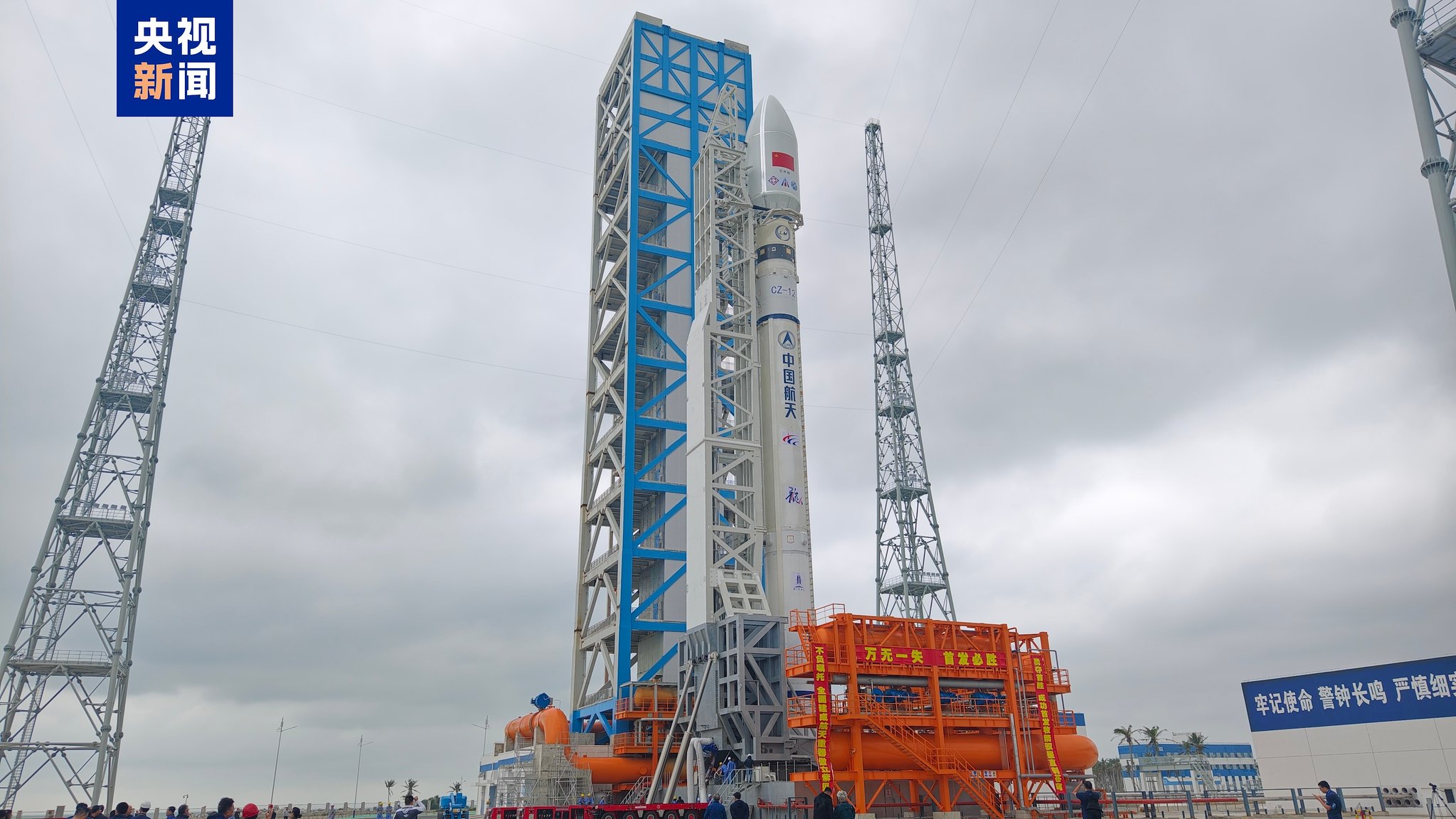
Space Brief 4 Nov 2025

Space Brief 4 Nov 2025

Today's brief covers China's new GEO Yaogan satellite launch, India's record-mass commsat, military tech updates, autonomous systems for maritime security, and insights from satellite imagery of Hurricane Melissa's impact in Jamaica.
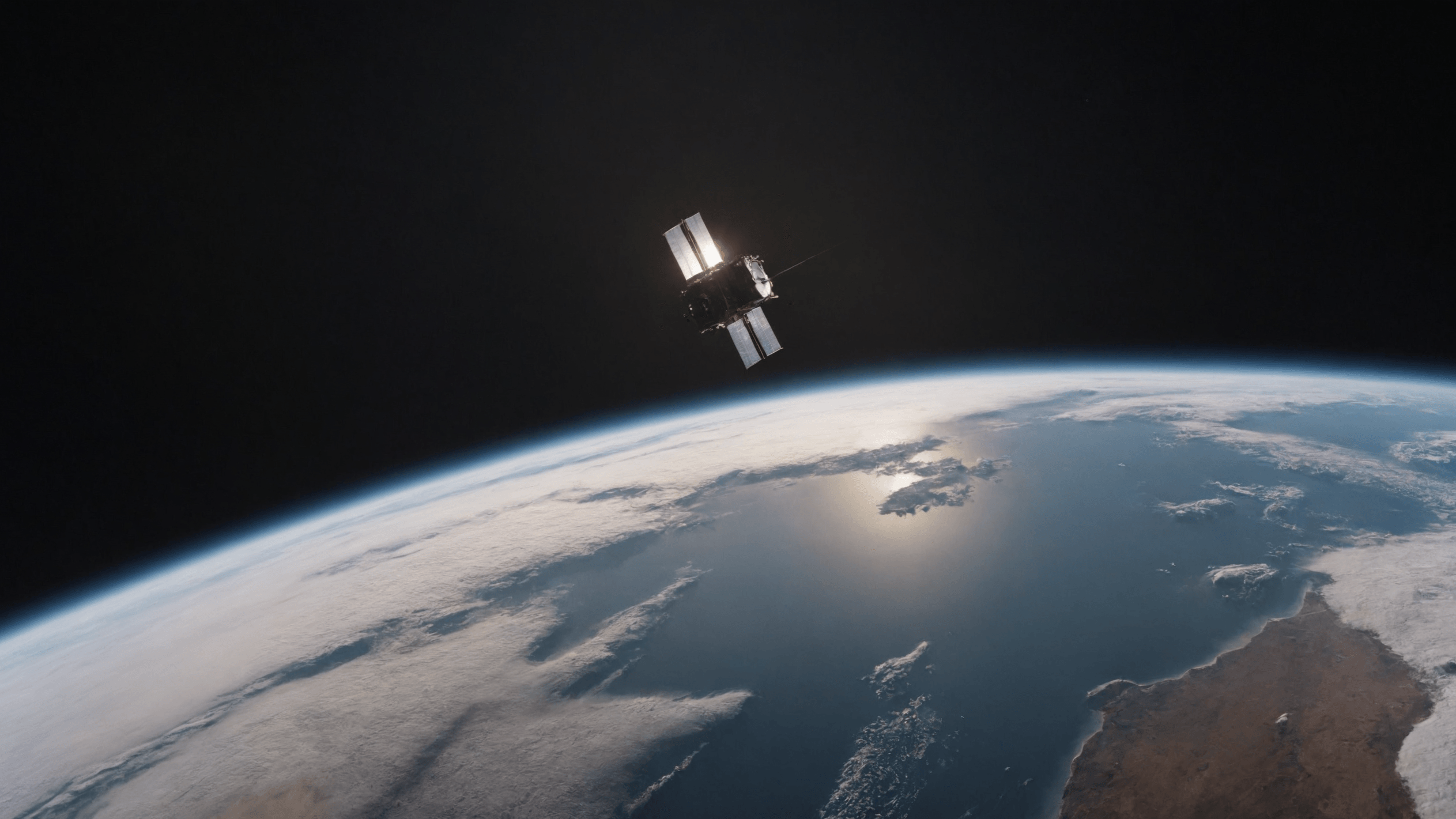
Space Brief 28 Aug 2024

Space Brief 28 Aug 2024

A Falcon 9 booster fails to land, increasing GPS and PNT significance for national security, and NASA's SLS mobile launch platform costs soar.
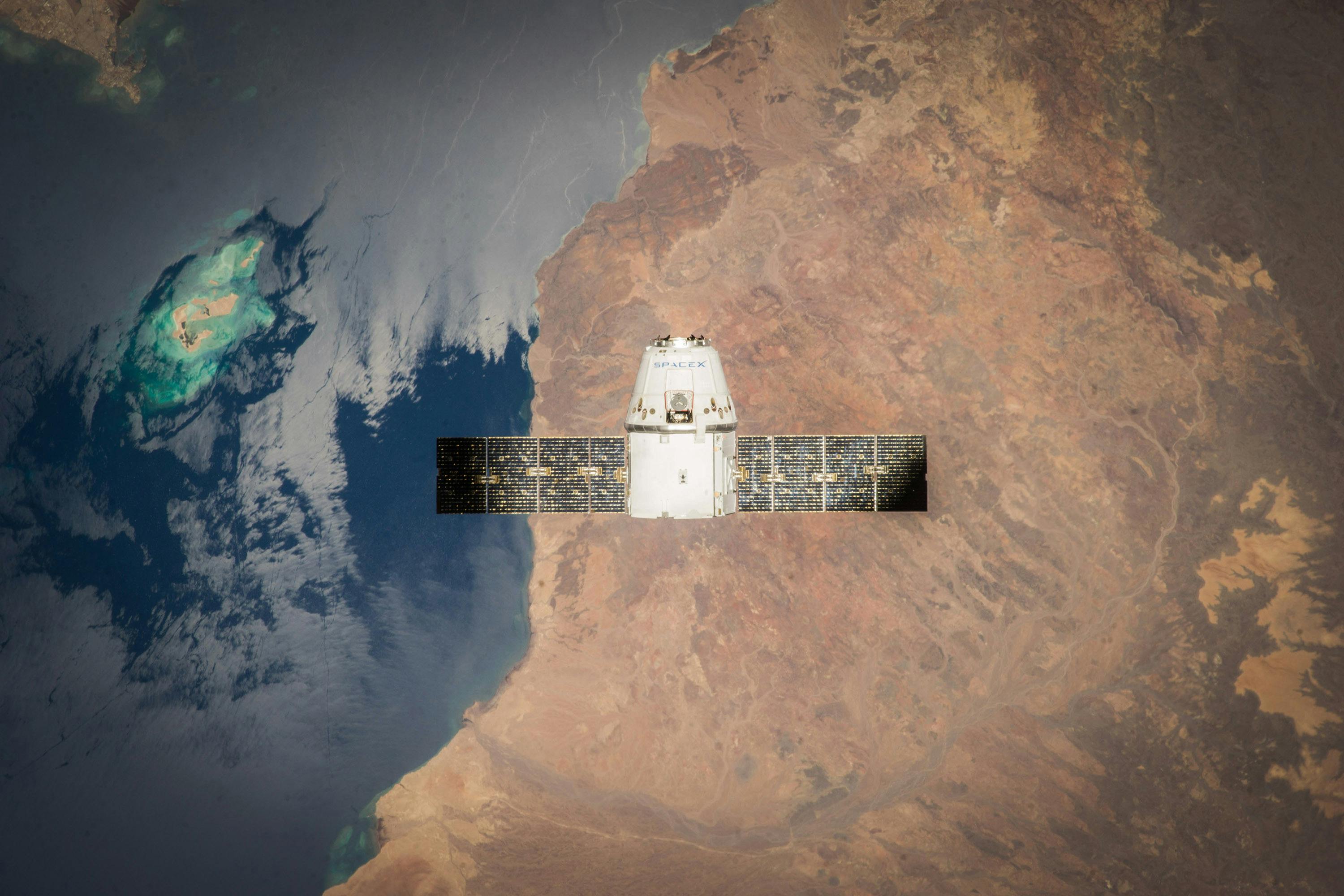
X Report 29 May 2025

X Report 29 May 2025

SpaceX made strides in both Starship and Starlink missions this week, launching another round of satellites while concurrently testing their Starship capabilities amidst challenges.
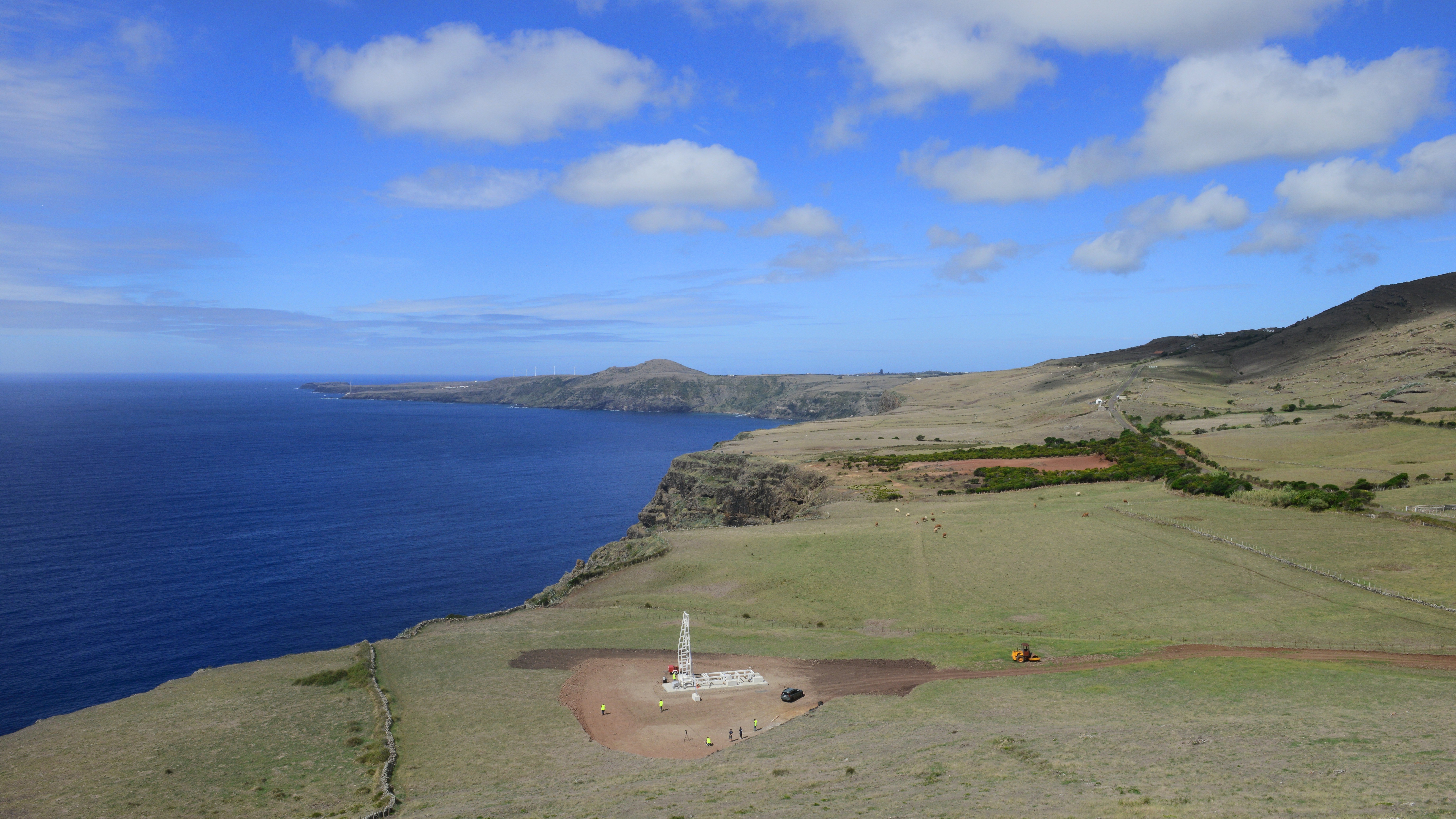
Santa Maria Spaceport (Azores)

Santa Maria Spaceport (Azores)

Europe's Atlantic outpost enters the launch business. How Portugal's first licensed spaceport in the Azores is preparing for suborbital flights in 2026 and positioning to receive ESA's Space Rider in 2028.
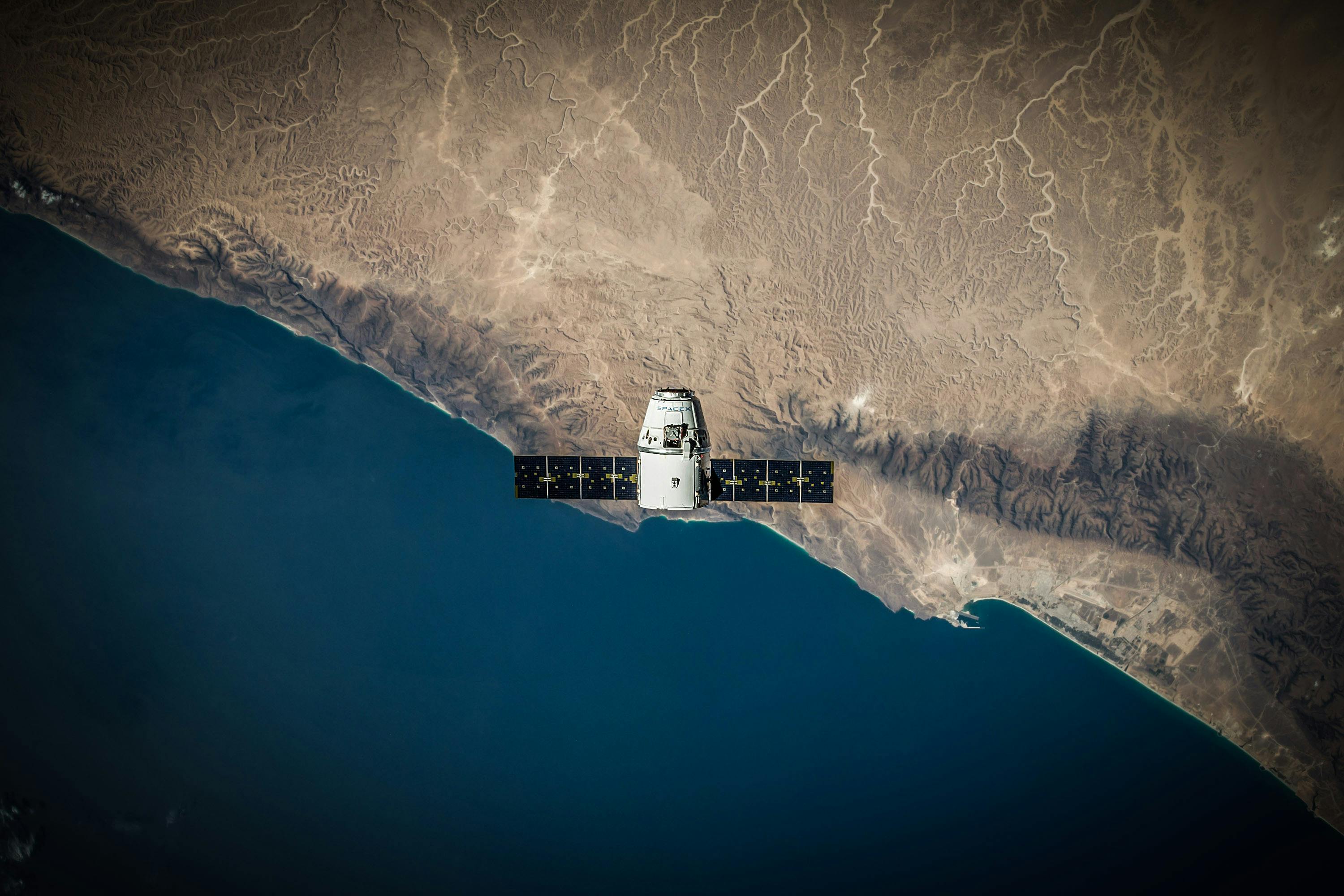
Musk Addresses Orbital Data Center Crowding Fears | KeepTrack X Report

Musk Addresses Orbital Data Center Crowding Fears | KeepTrack X Report

Elon Musk pushed back on orbital crowding concerns as SpaceX eyes data centers in space, with 10,584 Starlink satellites currently operational.
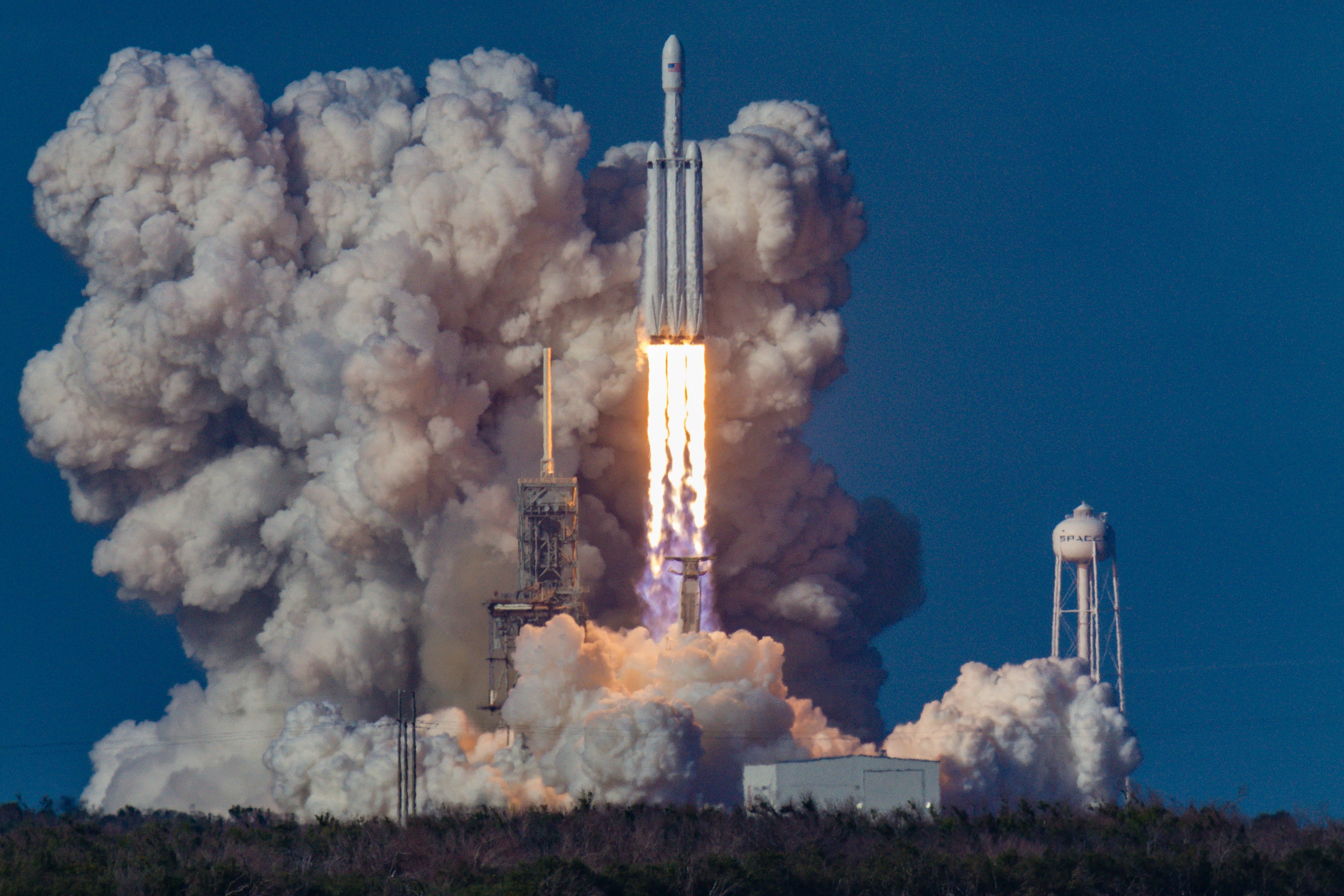
Falcon Heavy Returns After 18-Month Hiatus, Lofts ViaSat-3 F3 | KeepTrack X Report

Falcon Heavy Returns After 18-Month Hiatus, Lofts ViaSat-3 F3 | KeepTrack X Report

Falcon Heavy completed its 12th flight ever on April 29, ending an 18-month stand-down by lofting the 6-ton ViaSat-3 F3 comsat to GTO.